
Introduction: Reviewing a Moving Target
News photography is more than decisive moments and fast shutters—it’s a compact between journalists and the public. In this review, we evaluate the current ethical landscape of news photography as if it were a product: its strengths, its blind spots, and how well it performs under real-world pressure. From truth-in-editing to consent, from AI to the speed of social media, today’s standards face new tests every week.
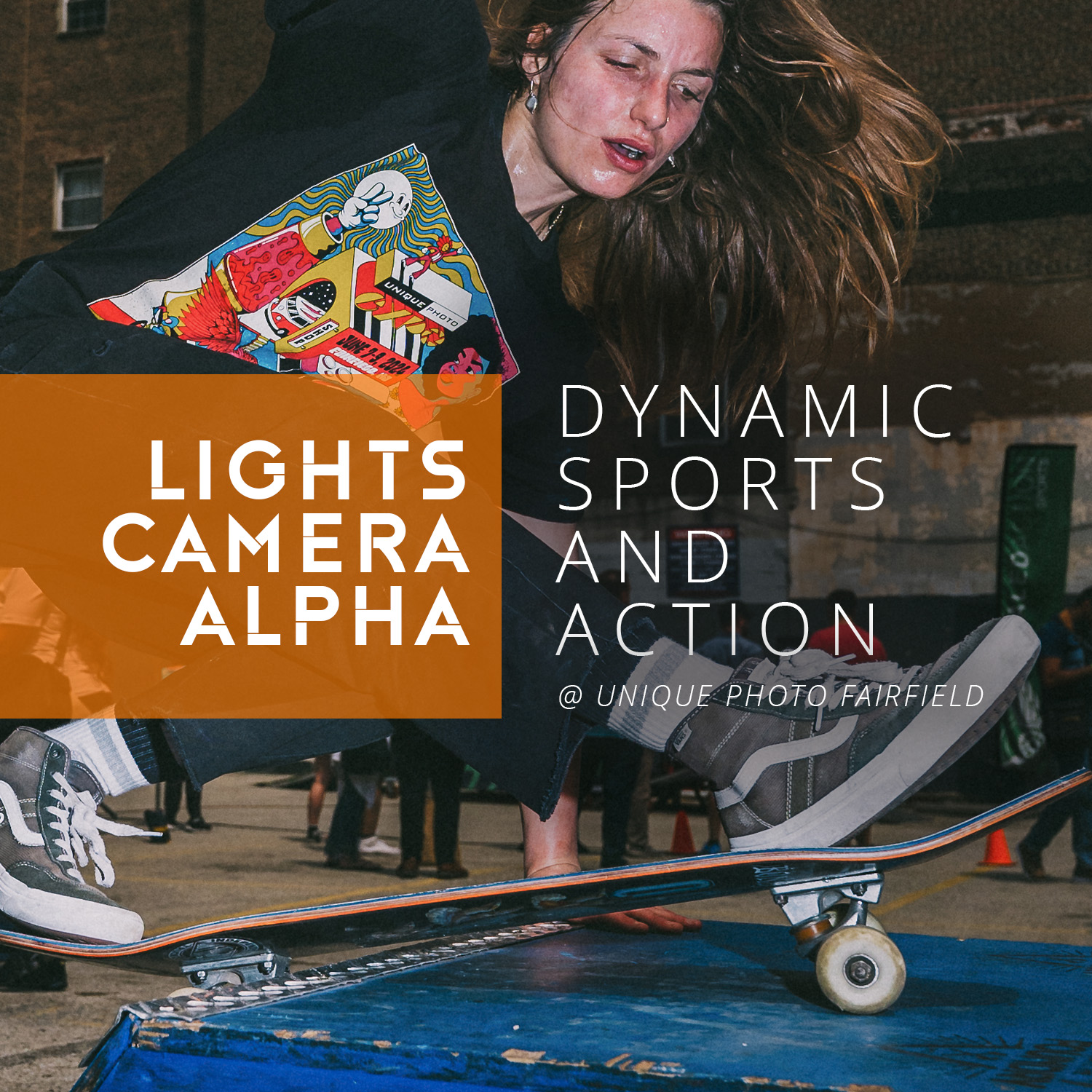
While there’s no single box you can buy labeled “ethics,” you can invest in the education and technical mastery that support sound judgment. Unique Photo’s learning ecosystem and books help you build those skills—so your storytelling remains both compelling and credible.
What We’re Reviewing
We’re assessing the ethical framework guiding photojournalists today—the codes of conduct adopted by major newsrooms, the norms taught in journalism programs, and the practical rules that inform everyday decision-making in the field. Think of it as a live “firmware” that governs what images should be made and how they should be presented to the public.
Key Features (and Where They Work)
Truth and Accuracy in the Frame
At the core is a commitment to visual truth: no content-altering edits. Cropping for clarity is acceptable; adding, removing, or combining elements is not. Tonal adjustments should maintain the scene’s reality. Caption accuracy and context matter as much as pixels—misleading metadata can distort truth even without pixel-level manipulation.

Consent, Privacy, and Vulnerable Subjects
In public spaces, photographers generally have a right to record. But ethical practice goes beyond legality. Minors, victims of violence, and people in medical or crisis situations warrant elevated care. Step back when harm outweighs public interest; seek consent when reasonable; anonymize where identification adds no value yet increases risk.
Staging vs. Observing
Directing subjects undermines authenticity in news contexts. Even well-intentioned intervention—moving an object for “clarity,” asking someone to repeat an action—can cross a line. The strongest practices prioritize candid observation and disclose any setup if it occurs in a feature context.
Graphic Content and the Public Interest
Images of violence and tragedy carry profound weight. The standard asks: Does publication advance understanding in a way that justifies potential harm? Editors often consider alternatives (wider frames, warning labels), timing (not while families are learning news), and community impact.
AI, Compositing, and Metadata Transparency
Generative AI raises new risks of contamination and confusion. Ethical policy today demands clear labeling and segregation of any synthetic or illustrative imagery from reportage, immutable originals, and robust metadata trails that document processing steps. If content has been materially altered, it’s not news—label it as illustration or art.
Speed vs. Verification in Breaking News
When seconds matter, verification gets stress-tested. Ethical best practice favors corroboration over clicks: confirm times and locations, cross-check eyewitness claims, and avoid publishing unverifiable user-generated imagery as fact. A small delay can prevent a large error.

Field Performance: How It Holds Up
In everyday assignments—protests, disasters, courtside scrums—the framework performs best when habits are drilled in advance. Photographers who rehearse verification checklists, caption templates, and escalation points with editors make fewer on-the-spot compromises. Where it strains is in freelance-heavy environments without editorial backstops, and on platforms where algorithms reward speed and sensationalism over nuance.
The other stress point is post-production. Even basic workflow steps—noise reduction, cropping, color grading—can edge toward misrepresentation if heavy-handed. Practitioners with disciplined editing technique and a conservative ethos stay on the right side of the line.

Pros and Cons
- Pros:
- Clear, widely recognized principles exist: do not alter content, provide context, minimize harm, and maintain independence.
- Growing newsroom transparency around captions, corrections, and image sourcing.
- Better tools for verification (metadata, geolocation, reverse search) and for preserving untouched originals.
- Audience literacy is improving; viewers increasingly demand sourcing and context.
- Cons:
- Freelancers and small outlets may lack rigorous editorial oversight and legal support.
- Social platforms incentivize speed and spectacle, eroding verification discipline.
- AI and ubiquitous filters blur lines for audiences and creators alike.
- Global variability: legal norms, safety conditions, and cultural expectations complicate a one-size-fits-all code.
- Economic pressures can tilt decisions toward publish-first, clarify-later.
Who It’s For
Photojournalists, editors, and students who want a durable framework for hard choices. It’s also for newsroom managers building policy, and for any visual storyteller whose work can shape public understanding—stringers, NGO communicators, and independent documentarians.
Verdict & Recommendation
The current ethical “product” for news photography is strong where it’s codified, taught, and enforced—and fragile where incentives skew toward speed or spectacle. Treat ethics as a workflow: pre-visualize decisions you won’t make (no staging; no content alteration), define acceptable adjustments, and document everything. Pair policy with practice: technical mastery reduces the temptation to “fix” reality in post, and clear communication with editors keeps captioning and context honest.
Recommendation: Build a personal code aligned with recognized standards, adopt a non-destructive editing pipeline, and implement a publish checklist—verification, caption confirmation, and harm assessment. Reinforce skills with ongoing education. While many classes focus on technique rather than ethics per se, they sharpen the judgment and precision that ethical practice requires.
Where to Learn and Gear Up
Unique Photo is a trusted place to invest in the skills and tools that underpin ethical photojournalism. Consider technique-focused offerings—like post-production workshops and camera guides—to strengthen your fundamentals, maintain clean workflows, and respect editorial boundaries. You’ll find courses, books, and gear at Unique Photo that support a transparent, accountable practice.