Ethical Considerations and Personal Safety in News Photography
Great news photography is as much about judgment and care as it is about timing and composition. In fast-moving, high-stakes situations, you’re balancing a duty to inform with a responsibility to protect your subjects—and yourself. These tips focus on practical, ethical decision-making and personal safety so you can do the job with integrity and come home safely.
Whether you’re covering community events or breaking news, preparation and principles are your strongest tools. Here’s how to put them to work in the field.
1) Put people first—dignity, consent, and “do no harm”
Before you raise the camera, ask: Could this image cause further harm? Minimize exploitation by avoiding gratuitous graphic detail, especially with victims, minors, and vulnerable communities. Seek informed consent when possible, and be sensitive to cultural and situational norms. If identification could endanger someone, consider framing that protects identity or delay publication until risk is mitigated.
2) Know the laws and your credentials
Brush up on local laws regarding public spaces, police lines, and drone restrictions. Keep press identification visible where appropriate, but balance visibility with personal safety. If security or law enforcement asks you to move for safety reasons, comply while advocating for access through proper channels. A quick pre-assignment briefing with your editor or client can clarify expectations and escalation paths.
3) Master your gear to reduce risk
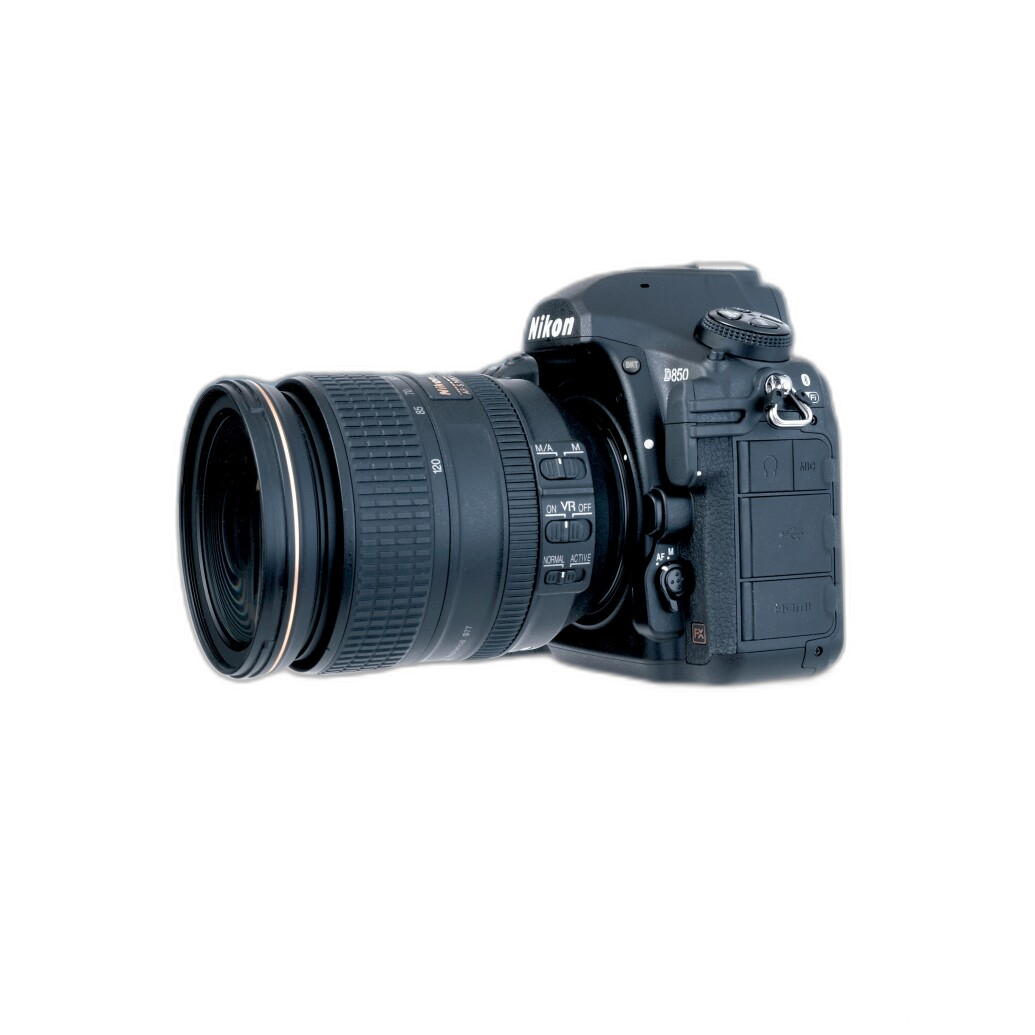
Fumbling for settings in tense situations is unsafe. Build muscle memory for exposure, AF modes, silent shooting, and custom buttons so you can work quickly from a safe distance. Deep-diving into a camera-specific guide helps you lock in essential controls before you’re on the street.
Regardless of your camera, set up two or three quick-access profiles for day/night, fast action, and low light. Test everything under stress—gloves on, in the rain, and while moving.
4) Maintain editorial integrity in capture and post
Document reality. Avoid staging, reenactments, or instructing subjects during news coverage. In post, limit edits to global tonal/color corrections, cropping for clarity, and sensor-dust cleanup. Do not remove, add, or move elements that change meaning. Keep an audit trail of your workflow and preserve originals.

Honing your color and tonal controls in a class that emphasizes tasteful, accurate enhancement helps you avoid overprocessing while still delivering clear, compelling images.
5) Practice trauma-informed coverage
Give space to first responders and medical personnel; don’t interfere. Read body language—if a subject appears overwhelmed, consider stepping back. Offer identification and be transparent about who you are and where images may appear. When children are involved, get guardian consent whenever possible and steer away from identifiable images in sensitive contexts.
6) Protect sources and sensitive data
Assume your files may be intercepted. Use encrypted cards and drives when possible, and be cautious with cloud auto-uploads. Strip geotags when publishing images that could endanger subjects. Maintain secure, redundant backups and keep a clean separation between work and personal devices.

Understanding film workflows can be useful for certain sensitive projects where digital metadata could compromise safety. Whatever the medium, safeguard captions and notes to avoid exposing names, locations, or routines that put people at risk.
7) Work smart in low light and at night
Use available light when possible and avoid aggressive lighting that could escalate tensions or hinder emergency crews. Practice high-ISO techniques, fast primes, and image stabilization so you can keep a low profile. Silent or quiet shutter modes reduce attention in volatile scenes.

Training in low-light exposure and focusing helps you work safely without blinding subjects or drawing undue attention in sensitive environments.
8) Crowd and conflict awareness
Study crowd flow—identify exit routes, choke points, and potential pressure zones. Don’t get boxed in. Work with a partner or fixer when possible, use check-in intervals, and share your live location with a trusted contact. Wear neutral, non-provocative clothing and consider basic PPE (eye protection, helmet in conflict areas, sturdy footwear). No image is worth your life.
9) Learn from the road—debrief with working pros
Hearing firsthand how seasoned photojournalists navigate ethics and safety can fast-track your own judgment. Look for talks and sessions that unpack real-world decision-making and fieldcraft.

Bring questions about access, consent, and maintaining objectivity under pressure—those conversations often yield the most actionable insights.
10) Fly drones responsibly—or not at all
Know the rules: airspace restrictions, VLOS requirements, and no-fly zones around emergencies. Keep respectful distances from people and property, and never prioritize a drone shot over safety or legality. A protective case (like a rugged, form-fitted one for your drone) helps you transport and deploy safely without damaging gear or attracting extra attention.
11) Caption accurately and be transparent
Precise captions—who, what, when, where—build trust. If information is unverified, say so. Avoid speculation and label images appropriately if they’re illustrative or archival. Transparency about your process and any limits to what you could confirm is part of ethical storytelling.
12) Debrief and care for yourself
After difficult assignments, debrief with editors and peers. Review what worked, what didn’t, and ethical dilemmas encountered. Seek support if you’ve covered trauma. Sustainable practice leads to better judgment and steadier hands in the next assignment.
Keep learning, keep practicing, and keep people at the center of your storytelling. Unique Photo’s classes, talks, and resources are here to help you grow technically while strengthening your ethical compass—so you can do important work safely and responsibly.