Contest photography can be exciting, but it also puts photographers under pressure. When awards, publication, or recognition are on the line, the line between acceptable editing and misleading manipulation can start to blur. The best contest images are not just visually strong—they are also trustworthy. Whether you shoot documentary, wildlife, portraiture, or fine art, understanding ethical boundaries helps protect your reputation and strengthens the credibility of your work.
Below are practical tips to help you navigate manipulation rules, submission standards, and presentation choices with confidence.
Why Ethics Matter in Contest Photography
Every contest operates with its own rules, but the core issue is usually the same: does the final image fairly represent what the photographer claims to have captured? Ethical choices matter because judges, audiences, and fellow photographers rely on that honesty. A technically beautiful image can quickly lose value if it was entered under misleading pretenses.
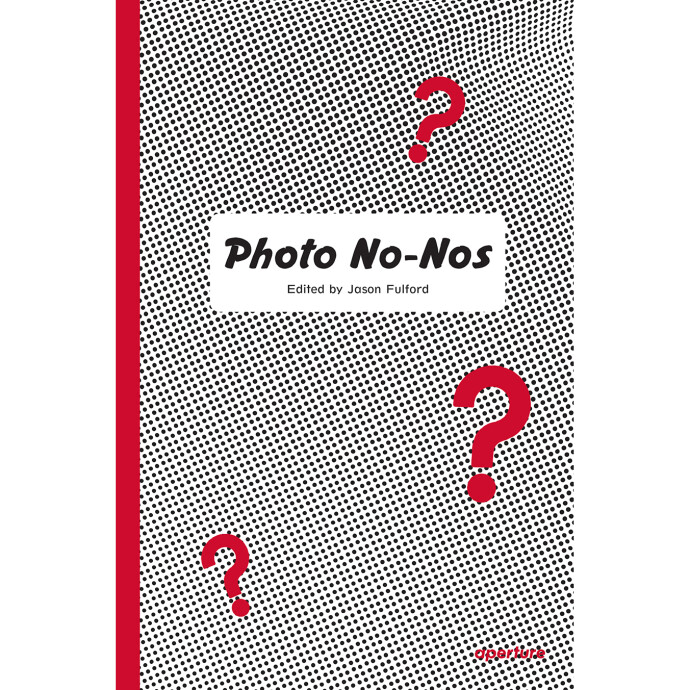
Reading more broadly about photographic intent can sharpen your thinking before you ever submit. Books like Photo No-Nos: Meditations on What Not to Photograph by Jason Fulford can be surprisingly useful for reflecting on taste, judgment, and photographic decision-making beyond mere technique.
Tips for Respecting Ethical Boundaries
1. Read the contest rules line by line
This sounds obvious, but many disqualifications happen because photographers assume all contests define manipulation the same way. One competition may allow global adjustments like contrast and white balance, while another may prohibit removing any object from the frame. Some fine art contests welcome compositing; most photojournalism contests do not.
- Check whether AI-generated or AI-assisted edits are allowed.
- Look for rules on cloning, sky replacement, focus stacking, and exposure blending.
- Confirm whether cropping is permitted and how heavily.
- See if RAW files or outtakes may be requested.
If a rule feels vague, ask for clarification before entering, not after you are shortlisted.
2. Keep your original files and editing history
If a contest questions your submission, your RAW files, layered edits, and capture sequence can protect you. Ethical practice is not just about making the right choices—it is also about being able to prove them.
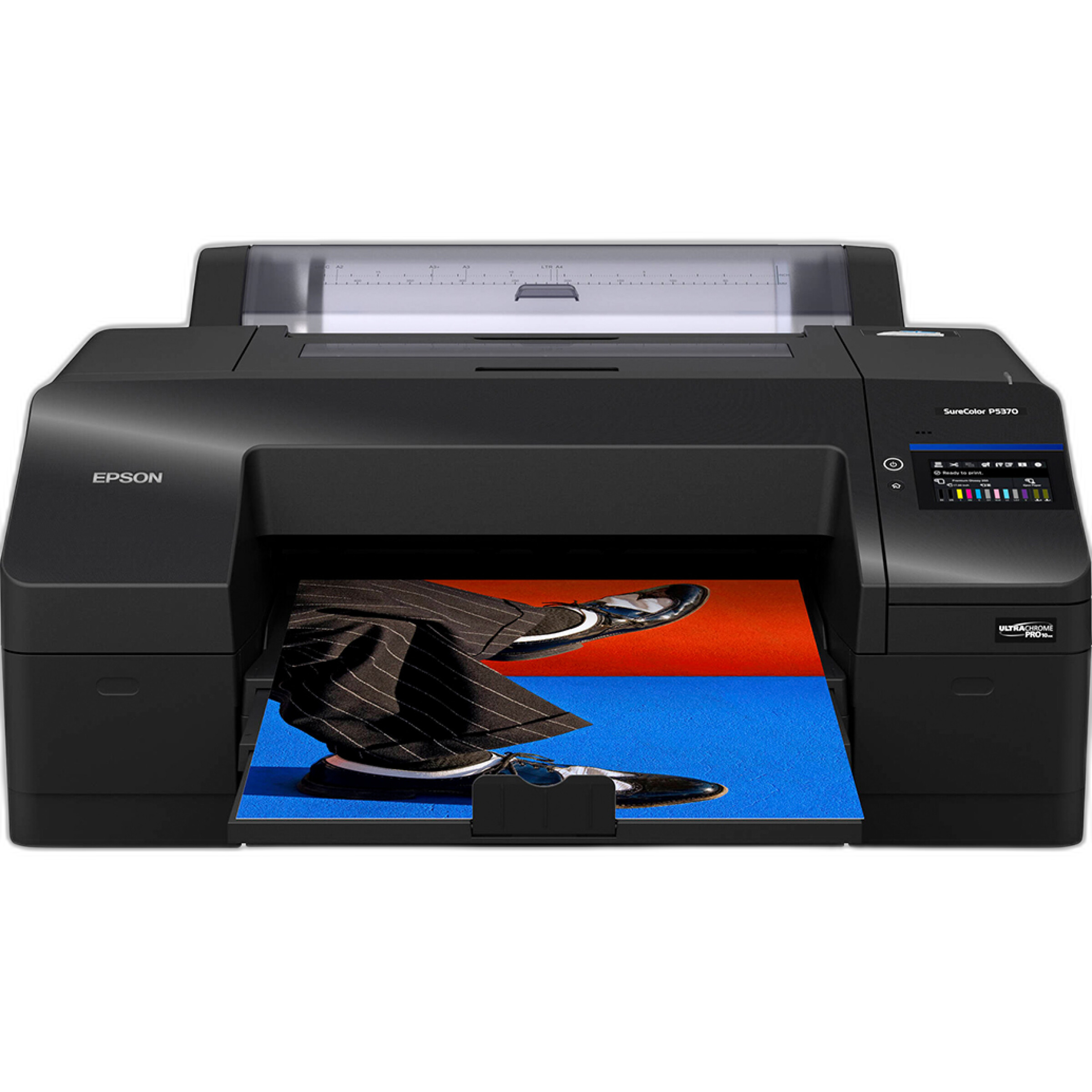
Maintain an organized archive of your originals and exported versions. If you produce exhibition prints for contest review or portfolio presentation, a color-accurate printer like the Epson SureColor P5370 17-Inch Professional Photographic Printer can help you present your work consistently without making last-minute output adjustments that distort your intended edit.
3. Distinguish enhancement from deception
Most photographers make adjustments. Exposure correction, minor dust spotting, color balancing, and careful sharpening are often considered normal. The ethical issue begins when editing changes the factual content or meaning of the image in ways the contest does not permit.
- Enhancement usually improves legibility or output quality.
- Deception changes what viewers believe happened.
For example, removing a distracting branch from a wildlife frame may seem minor, but in a nature contest that could still be a disqualifying alteration. Likewise, combining multiple moments into one frame may be unacceptable unless the category specifically allows creative compositing.
4. Be especially careful with documentary and journalism entries
In documentary, street, and photojournalism contests, context matters as much as pixels. Overprocessing can alter mood, exaggerate drama, or imply facts that were not present. Heavy dodging and burning, selective darkening, or color shifts can turn a record into an interpretation.
Ask yourself: if a viewer knew exactly what happened in front of the camera, would they feel accurately informed by this final image?
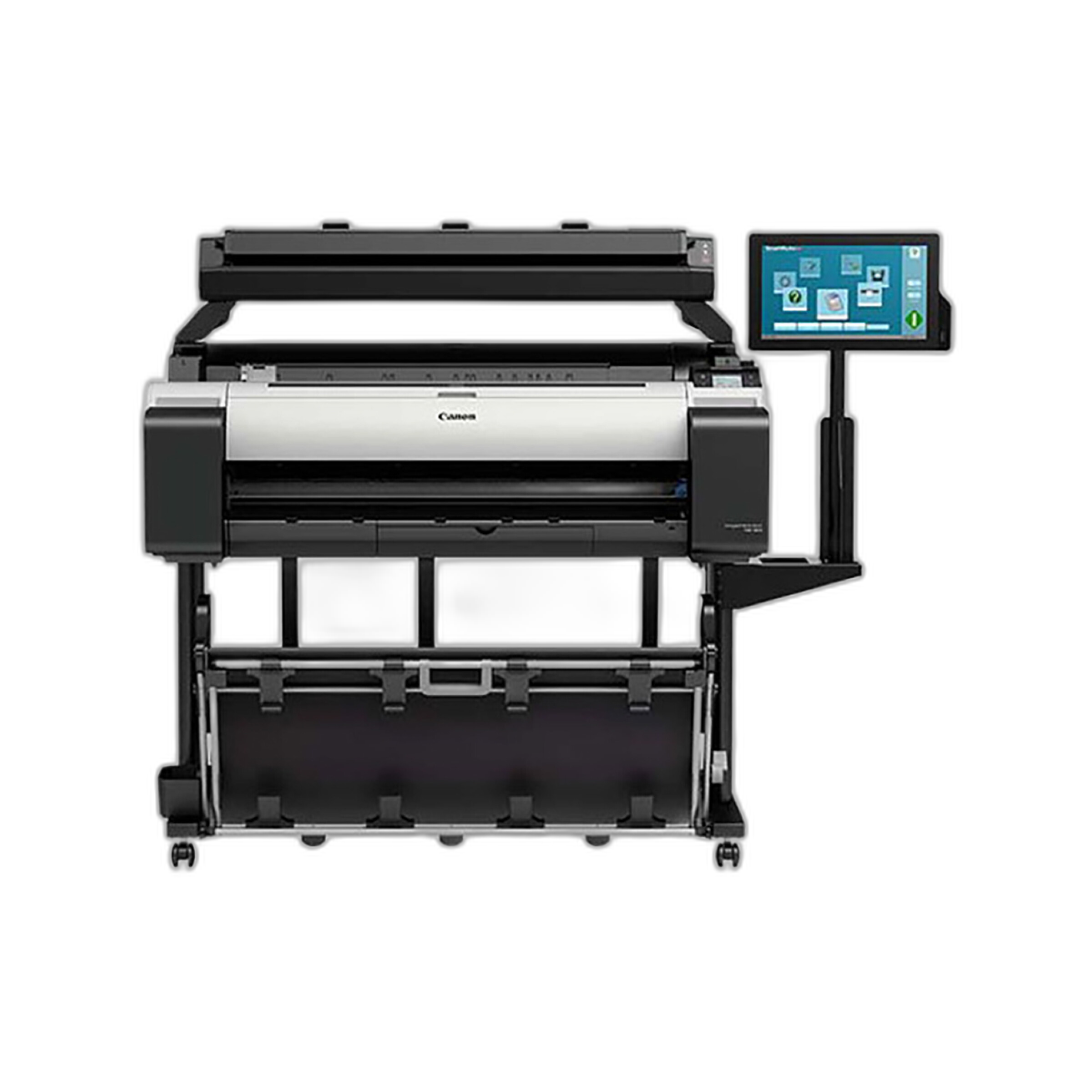
Even presentation choices matter. A large-format print made on something like the Canon imagePROGRAF TM-305 can showcase detail beautifully for exhibition or review, but print presentation should still remain faithful to the submitted file and the scene itself.
5. Disclose when a process is part of the art
Some contests celebrate experimentation. If you are entering conceptual, fine art, or mixed-media work, manipulation may be welcome—but honesty is still essential. If your image is composited, staged, AI-assisted, or heavily retouched, disclose that whenever the submission process allows or requires it.
Transparency does not weaken creative work. In fact, it often helps judges evaluate your image within the right framework.
6. Think ethically at the moment of capture, not just in post
Manipulation is not limited to editing software. Moving wildlife, baiting animals, staging supposedly candid scenes, or directing subjects in ways that are not allowed can all cross ethical lines. Contest integrity begins in the field.
Using slower, more deliberate tools can sometimes reinforce thoughtful shooting habits. For example, working with a camera such as a Used Zone VI 4x5 encourages intentional composition and decision-making before the shutter is released—a useful mindset even if your contest entry is captured digitally.
7. Avoid misleading captions and category placement
An image can be technically untouched and still be dishonest if it is entered in the wrong category or described inaccurately. A staged portrait submitted as candid documentary, or a composite entered as a single-capture landscape, misleads judges even without pixel-level fraud.
- Write captions that are specific and truthful.
- Name locations accurately when relevant.
- Do not omit material facts about staging or processing.
- Choose the category that genuinely fits the image.
Professional guidance can help here. Resources like Best Business Practices for Photographers by John Harrington are useful reminders that ethics, credibility, and professional longevity are closely connected.
8. Document behind-the-scenes evidence when appropriate
If you work on complex sets, portraits, or hybrid photo-video productions, behind-the-scenes material can support your claims about how an image was made. A simple setup diagram, phone snapshot, or audio note may help establish authenticity later.
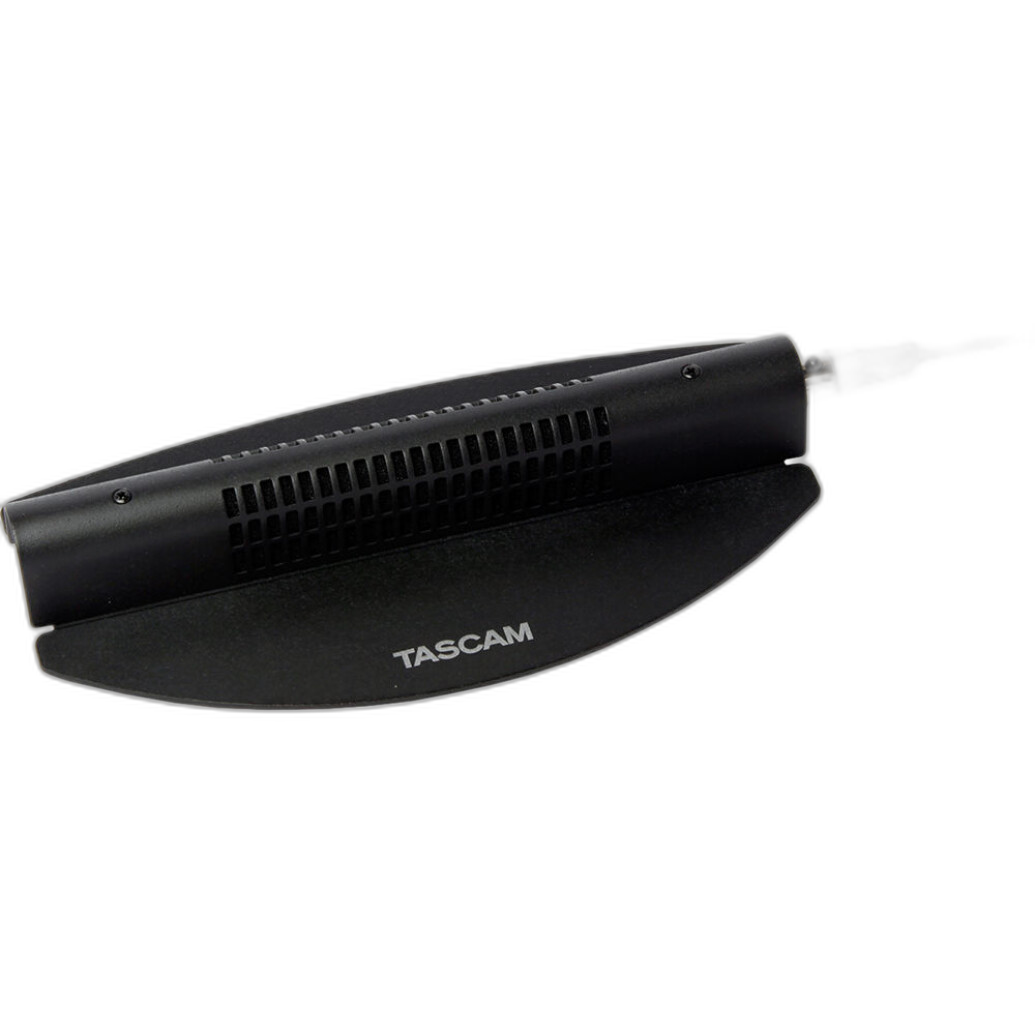
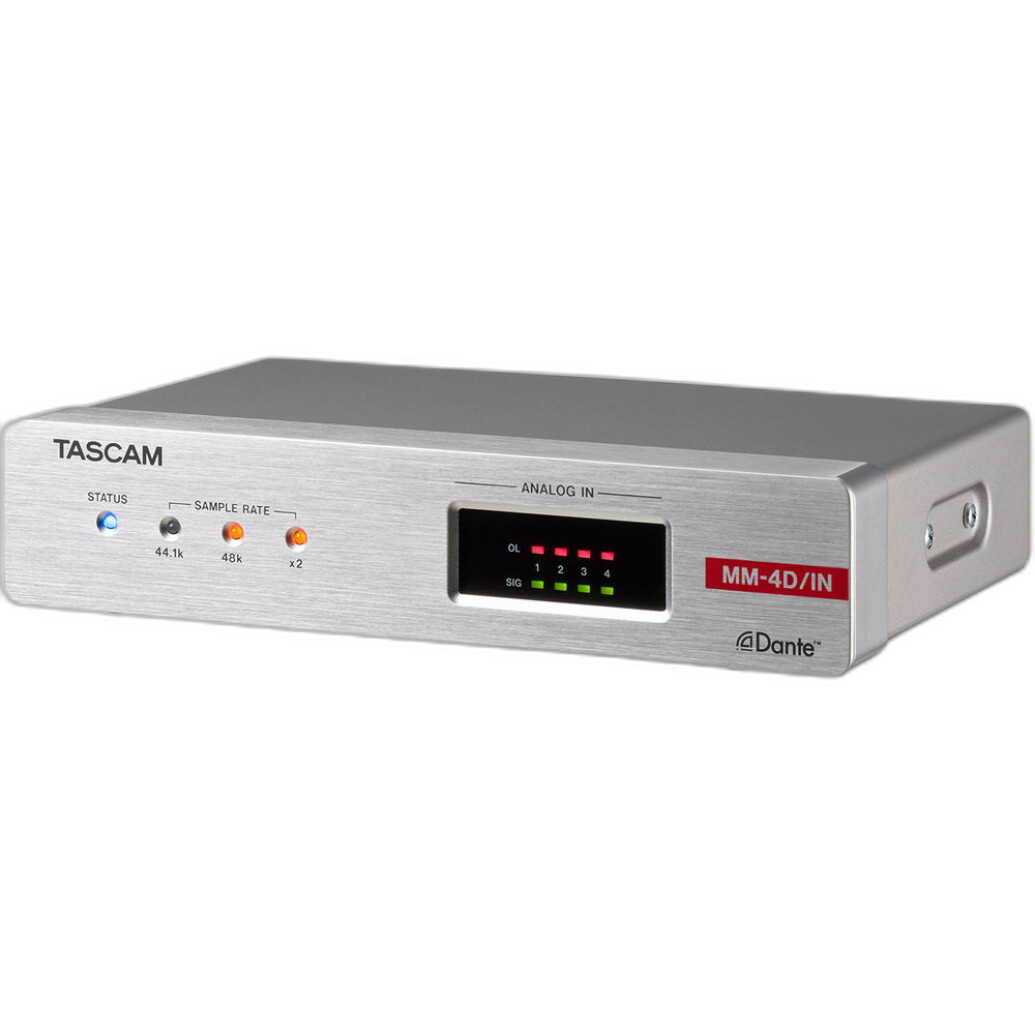
On productions where interviews, ambient sound, or process documentation matter, tools such as the Tascam TM-90BM Boundary Condenser Microphone or the Tascam MM-4D/IN-E 4-Ch Mic/Line Input Dante Converter may support broader multimedia workflows, especially when contest projects include video or installation components. The key is not the gear itself, but the habit of documenting your process clearly and honestly.
9. Don’t let gear flaws become an excuse for misleading edits
Every photographer works around limitations—dust, flare, imperfect lenses, difficult light. Correcting technical issues is part of the craft, but be careful not to let cleanup become reconstruction. If a frame has visible optical character or imperfections, sometimes accepting them is more ethical than editing the image into something it never was.
That is especially worth remembering when using older or imperfect equipment, such as a used lens with known issues. The goal in contest photography is not perfection at any cost; it is honest excellence.
10. When in doubt, choose the more transparent path
If you find yourself wondering, “Will this edit get me disqualified?” or “Should I mention that this was staged?” you probably already know the safest answer. Ethical gray areas tend to get clearer when you prioritize transparency over competitive advantage.
A useful personal test is this: would you feel comfortable showing the RAW file, the edit history, and your process notes to the judges? If not, reconsider the submission.
Build a Reputation That Lasts
Winning a contest is rewarding, but maintaining trust in your work matters more over time. Photographers who develop a reputation for honesty, accurate representation, and strong judgment tend to build longer, more respected careers than those who chase short-term recognition through questionable edits.
Keep learning, keep refining your standards, and keep entering work you can stand behind. If you are looking for books, printers, and other tools to support a thoughtful photographic workflow, Unique Photo is a great place to explore gear and resources that help you present your vision with integrity.