Portrait photography is one of the best ways for beginners to grow their camera skills quickly. It teaches you how to control camera settings, shape light, direct your subject, and build stronger composition in every frame. If you are just getting started, this guide from Unique Photo covers the essential portrait photography tips for beginners so you can make better portraits with confidence.
Whether you are photographing friends, family, clients, or building a practice portfolio, mastering a few fundamentals will help you create more flattering, professional-looking images right away.
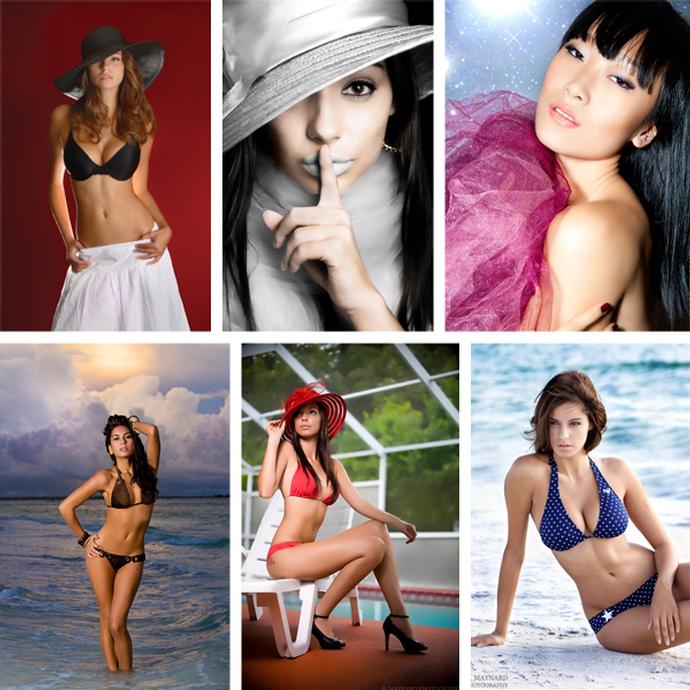
Best Camera Settings for Beginner Portrait Photography
One of the most common beginner questions is: what camera settings should I use for portraits? The answer depends on your light, lens, and subject movement, but a simple starting point works in most situations.
- Aperture: Start around f/1.8 to f/4 for a soft background and strong subject separation.
- Shutter speed: Use at least 1/125 sec for still subjects, and 1/250 sec or faster if your subject moves.
- ISO: Keep ISO as low as possible for cleaner files, but raise it when you need a faster shutter speed.
- Focus mode: Use single-point autofocus or eye-detection autofocus when available.
- White balance: Auto white balance is fine to start, but preset white balance can give you more consistent skin tones.
If you are using Aperture Priority mode, you can concentrate on depth of field while the camera helps manage exposure. As you gain experience, Manual mode gives you more control and consistency, especially in studio portraits or fixed lighting situations.
A helpful beginner portrait setup outdoors might be f/2.8, 1/250 sec, ISO 100 to 400. Indoors with window light, you may need something closer to f/2, 1/200 sec, ISO 800 to 1600.
How to Choose the Right Aperture for Portraits
Aperture affects both exposure and the look of your portrait. Wider apertures like f/1.8 or f/2 create a blurred background, which helps your subject stand out. This is a popular portrait style, but it is not always the best choice for every shot.
For a single subject, wide apertures often work beautifully. For couples or group portraits, try f/4 to f/8 so everyone stays sharp. If your subject turns slightly or you are working very close, extremely wide apertures can make one eye sharp while the other softens too much.
Beginners often improve quickly when they stop shooting every portrait wide open and instead choose the aperture based on the scene. A slightly narrower aperture can give you a better keeper rate without sacrificing background blur.
Portrait Lighting Tips for Beginners
Lighting is the foundation of great portrait photography. Even a simple setup can produce flattering, professional results when you understand how light direction affects the face.
The easiest light to start with is window light. Place your subject near a large window and turn them slightly toward the light. This creates gentle facial modeling and natural-looking catchlights in the eyes. If the light is too harsh, use a sheer curtain or move your subject a little farther from the window.
Outdoor portraits are often easiest during golden hour, shortly after sunrise or before sunset. The light is softer, warmer, and more flattering than midday sun. If you must shoot in bright daylight, look for open shade to avoid squinting and harsh shadows.
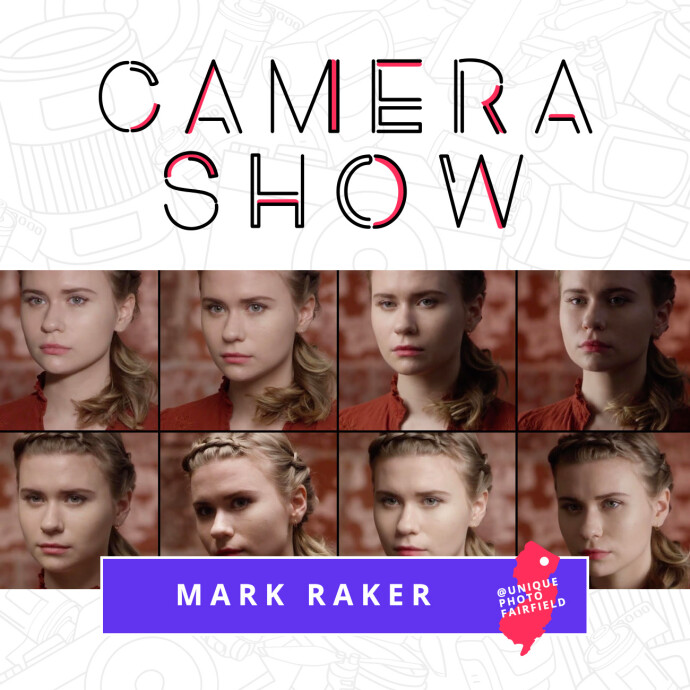
As you learn more, adding lighting education can make a big difference. Unique Photo offers classes and workshops that help beginners understand lighting patterns, modifiers, and practical setups. Programs like Portrait Lighting Made Easy with Joel Grimes (Westcott) and CS: Key Lighting Methods with Mark Raker (Nanlite) are natural next steps for photographers who want to improve their portrait lighting skills.

Simple Portrait Lighting Setups You Can Try
If you are new to portrait lighting, start simple. These beginner-friendly setups work well for practice:
- Window light at 45 degrees: Position the subject so the window light hits one side of the face more strongly than the other for depth.
- Open shade outdoors: Place your subject under shade facing the brighter open sky.
- Backlight with exposure on the face: Put the sun behind the subject and expose for skin tones for a soft, glowing look.
- One LED or flash with soft modifier: Place the light slightly above eye level and angle it down toward the subject.
With any setup, pay attention to the eyes. Bright, clear eyes with catchlights usually make portraits feel more alive and engaging.
How to Pose People for Better Portraits
Many beginners focus only on settings and forget that posing matters just as much. Good posing helps people look natural, confident, and flattering in portraits.
Here are a few easy portrait posing tips for beginners:
- Ask your subject to turn their body slightly instead of facing the camera straight on.
- Shift weight onto the back foot for a more relaxed stance.
- Encourage a gentle bend in the arms and hands to avoid stiffness.
- Have the subject bring their forehead slightly forward to define the jawline.
- Watch the hands, shoulders, and chin position carefully.
Give simple directions instead of complicated instructions. Talk to your subject throughout the session so they stay comfortable. Often the best portraits happen in the moments between formal poses.
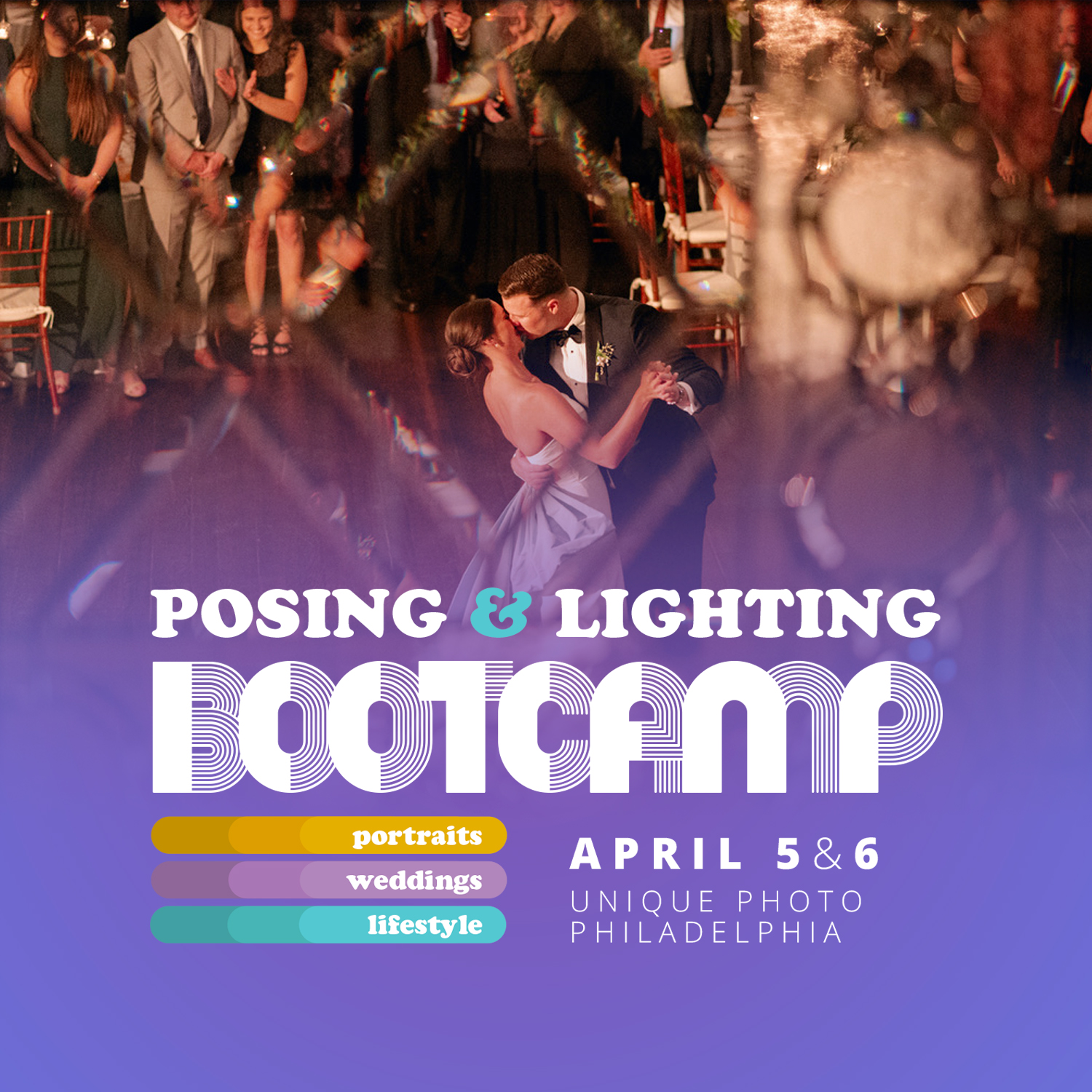
For photographers who want more hands-on guidance, Unique Photo educational workshops such as Stunning Portraits Workshop with David Maynard and ExpoImaging and Posing and Lighting Bootcamp: Reception Lighting w. Magda and Simon can help build confidence with directing subjects and shaping light.
Portrait Composition Tips for Beginners
Strong portrait composition helps guide the viewer's attention exactly where you want it. A technically correct image can still feel weak if the framing is distracting or unbalanced.
Use these portrait composition basics:
- Fill the frame: Get close enough so the subject feels important.
- Watch the background: Avoid poles, bright objects, or clutter behind the head.
- Use leading lines: Doors, fences, and paths can draw attention toward your subject.
- Try negative space: Leave room around the subject for a clean, modern look.
- Place the eyes carefully: Eyes near the upper third of the frame often create a pleasing composition.
Do not be afraid to move your feet. Changing your position slightly can clean up the background, improve the light, and create a much stronger portrait.
Best Focal Lengths for Portrait Photography
If you are wondering what lens is best for portraits, the answer often comes down to focal length. Popular portrait focal lengths include 50mm, 85mm, and 70-200mm. Each creates a different look.
- 50mm: Great for environmental portraits and beginners who want a natural perspective.
- 85mm: A classic portrait focal length with flattering compression and soft background blur.
- 70-200mm: Excellent for outdoor portraits when you want flexibility and strong subject separation.
Wider lenses can work too, especially for environmental portraits, but be careful not to stand too close or facial features may distort. For headshots, slightly longer focal lengths are usually more flattering.
How to Focus Accurately in Portrait Photography
Sharp eyes are critical in portrait photography. Even with beautiful lighting and composition, missed focus can ruin an otherwise great shot.
For beginners, these focus tips help:
- Focus on the eye closest to the camera.
- Use eye-detect AF if your camera has it.
- Avoid focus-and-recompose at very wide apertures when shooting close.
- Take short bursts if your subject is moving or changing expression quickly.
- Zoom in and check sharpness occasionally during the shoot.
Good focus technique is especially important when using fast lenses at f/1.8 or wider because depth of field becomes very shallow.
Common Beginner Portrait Photography Mistakes to Avoid
Every photographer makes mistakes at first, but knowing the most common ones can speed up your progress.
- Shooting in harsh midday sun without shade or diffusion
- Using too slow a shutter speed and getting motion blur
- Choosing an aperture that is too wide for the pose or number of subjects
- Ignoring the background and ending up with distractions
- Not communicating with the subject enough to get natural expressions
- Overediting skin until the portrait looks unnatural
If your images are not looking the way you want, simplify your approach. Work with one lens, one light source, and one location until you can predict your results consistently.
Editing Tips for Better Portraits
Editing helps polish a portrait, but it should support the image rather than overpower it. Beginners should focus on a simple, repeatable workflow:
- Adjust exposure and contrast
- Correct white balance for natural skin tones
- Refine highlights and shadows
- Crop for stronger composition
- Retouch lightly and preserve skin texture
Learning post-processing is valuable for every photographer. Unique Photo also supports photographers with educational opportunities beyond shooting, including editing-focused classes that can help improve overall image quality and workflow.
How to Practice Portrait Photography and Improve Fast
The fastest way to get better at portrait photography is through repetition with purpose. Photograph the same subject in different lighting, test several apertures, and compare the results. Practice indoors near a window, outdoors in shade, and at golden hour. This teaches you how settings, lighting, and composition work together.
You can also accelerate your progress by learning from real instructors and live demonstrations. Unique Photo is a valuable resource for photographers who want hands-on education, from portrait-focused workshops to lighting classes and community events.

Final Thoughts on Beginner Portrait Photography
Portrait photography does not have to feel overwhelming. Start with a few reliable settings, look for flattering light, keep your compositions clean, and learn how to guide your subject into natural poses. As your confidence grows, you can experiment with more advanced lighting patterns, lenses, and editing techniques.
Unique Photo is a great place to continue your portrait photography journey, whether you are looking for inspiration, education, or the next step in your creative growth. If you are building your skills, consider exploring internal resources such as portrait lighting classes, photography workshops, beginner camera education, and Unique University programs to keep improving.
With consistent practice and the right guidance, you will be creating stronger, more compelling portraits sooner than you think.