Travel Lens Choices Matter More Than the Camera Body
When you are packing for a trip, the biggest question is rarely which camera body to bring. For most photographers, the real challenge is deciding which lenses deserve space in the bag. Travel photography asks for versatility, portability, image quality, and speed of use all at once. A great travel lens kit has to move seamlessly from wide cityscapes and interiors to environmental portraits, food, details, and the occasional wildlife or street moment happening farther away than expected.
This review-style guide looks at the essential lens categories every travel photographer should consider, with a practical focus on building a kit that is balanced rather than bloated. Instead of overpacking specialty glass, the smartest travelers choose a few lenses that cover the most situations well. If you are still refining your kit, Unique Photo is an excellent place to buy lenses, compare systems, and get expert guidance before your next trip.
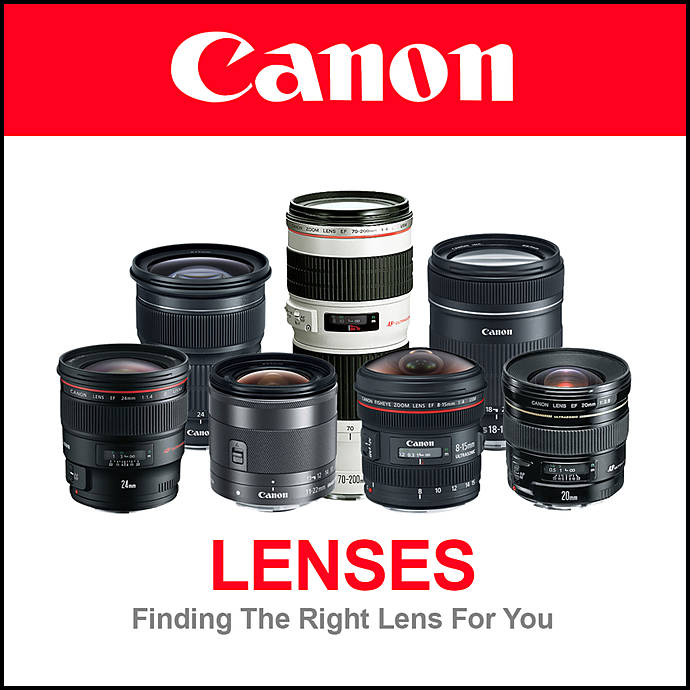
The best travel bag usually includes one primary lens, one complementary lens, and only occasionally a third niche option. Whether you shoot Canon, Nikon, Sony, Fujifilm, OM System, or Panasonic, the same lens logic applies: cover wide, normal, and short telephoto needs without turning your vacation into a gear-hauling exercise.
The Best Core Travel Lens: Standard Zoom
Why the standard zoom earns the first spot
If there is one lens type that deserves automatic consideration for travel, it is the standard zoom. On full frame, that usually means something like a 24-70mm or 24-105mm. On APS-C, it might be an 16-55mm or 18-50mm equivalent. This range handles architecture, street scenes, portraits, food photography, markets, casual landscapes, and day-to-day documentary moments with minimal lens swapping.
The standard zoom is the lens that stays on the camera the most. It is not always the most exciting option, but it is often the most useful. A 24-70mm f/2.8 style lens is excellent for photographers who value speed and subject separation, while a 24-105mm f/4 style lens often makes more sense for travelers who want a broader focal range in one package.
Strengths on the road
For travel, a standard zoom offers efficiency. You can step back for a wider scene, zoom in for a portrait, and keep moving. In crowded cities, fast-changing light, and places where changing lenses is inconvenient, this kind of versatility is hard to beat. If you only want to bring one lens, this is usually the safest answer.
The Landscape and City Specialist: Ultra-Wide Zoom
When wider is better
Travel often means dramatic viewpoints, old cathedrals, tight alleyways, hotel interiors, mountain overlooks, and urban scenes where backing up simply is not possible. That is where an ultra-wide zoom becomes essential. On full frame, think 14-30mm, 16-35mm, or 17-28mm. On crop systems, lenses in the 10-20mm or similar range are the usual equivalents.

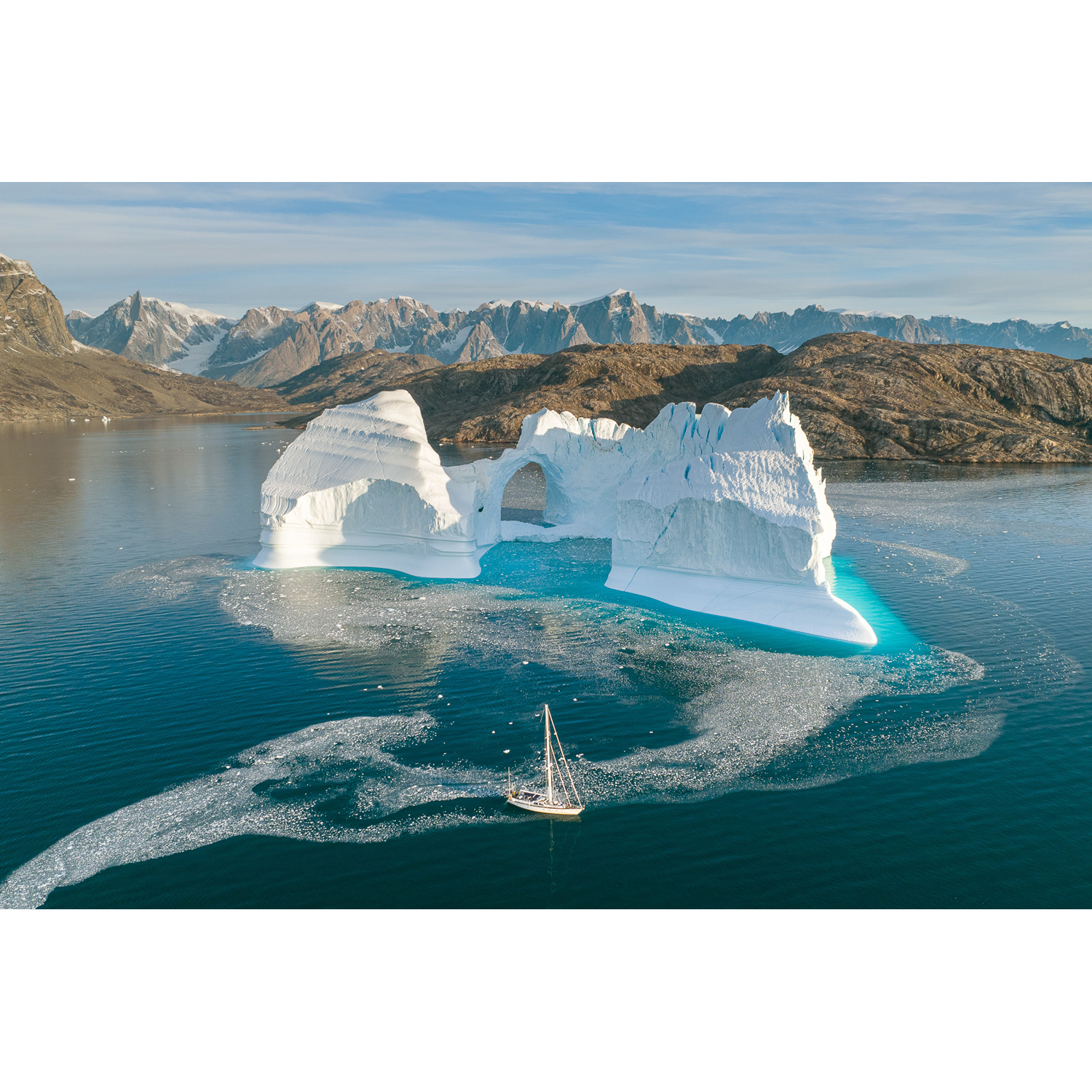
An ultra-wide lens is especially useful if landscapes are a major reason for your trip. It emphasizes foregrounds, stretches perspective, and helps tell a larger environmental story. It also shines indoors, where many travelers discover too late that their standard zoom is not quite wide enough.
The tradeoffs to consider
The downside is that ultra-wide lenses can become overly specialized if your trip is mostly people, food, and everyday travel documentation. They also require more compositional discipline. Used carelessly, ultra-wide lenses can produce empty foregrounds, distorted subjects, and frames that feel more dramatic than meaningful. Bring one when the destination calls for it, not just because it seems adventurous.
The Storytelling Favorite: Fast Prime Lens
Why a small prime belongs in many travel kits
If the standard zoom is the workhorse, the fast prime is the soul of the travel bag. A compact 35mm or 50mm equivalent lens gives you better low-light performance, lighter carry, and a more intentional way of shooting. It is ideal for evening walks, cafes, street photography, portraits, and moments when you want images to feel more intimate and cinematic.
A 35mm prime is often the strongest all-around choice for travel because it is wide enough for context but natural enough for portraits and daily life. A 50mm can work beautifully too, especially if you prefer tighter framing and more pronounced background blur.
Why it works so well for travel photography
Prime lenses help simplify the visual process. You stop thinking about zoom range and start paying attention to timing, layering, and composition. They are often smaller than zooms, which can make your camera setup feel less conspicuous in public spaces. For photographers who value portability and image character, a fast prime is often the lens they remember using most fondly on a trip.
The Often-Overlooked Travel Winner: Telephoto Zoom
Why reach matters more than many travelers expect
A telephoto zoom may not sound like the obvious travel essential, but it can be incredibly valuable. It allows you to isolate architectural details, compress landscapes, capture candid street moments from a respectful distance, and photograph performances, wildlife, and distant scenes that a standard zoom simply cannot reach.

For travel, lighter telephoto options are often best. Full-frame users may prefer a 70-200mm f/4, 70-300mm, or compact variable-aperture telezoom. APS-C and Micro Four Thirds shooters can often build even more travel-friendly kits with excellent reach in relatively small lenses.
When to pack it
This lens makes sense for trips involving safaris, national parks, mountain regions, sporting events, cultural performances, or any destination where subjects are physically distant. It is less essential for minimalist urban travel unless detail-oriented composition is a major part of your style.
The Niche Pick: Macro or Close-Focusing Lens
For detail lovers and texture hunters
Not every traveler needs a dedicated macro lens, but photographers who love details may find it surprisingly rewarding. Markets, food, local crafts, flowers, textures, insects, and small travel objects all become more visually rich with close-focusing capability. A true macro lens can also double as a sharp portrait lens depending on focal length.
That said, many modern standard zooms and primes already focus close enough for casual detail work. Unless macro is central to your creative goals, this is usually the third or fourth lens in the packing hierarchy rather than the first.
How to Build the Right Travel Lens Kit
Best one-lens setup
A standard zoom is the best one-lens travel solution for most photographers. It keeps weight manageable while covering the broadest range of situations.
Best two-lens setup
The strongest two-lens kits are usually either a standard zoom plus a fast prime, or a standard zoom plus an ultra-wide zoom. The first is ideal for general travel and low-light shooting. The second is excellent for landscape- and architecture-heavy itineraries.
Best three-lens setup
For more ambitious travel, a three-lens kit can include an ultra-wide zoom, a standard zoom, and either a fast prime or a compact telephoto. This gives broad coverage without becoming excessive, assuming you are comfortable carrying the extra weight.
Pros and Cons of a Travel Lens Strategy
Pros
- A well-planned lens kit improves versatility without unnecessary bulk.
- Standard zooms cover the widest range of real-world travel situations.
- Fast primes add low-light capability and strong visual character.
- Ultra-wide lenses are excellent for landscapes, architecture, and interiors.
- Telephoto options expand storytelling possibilities with details and distance.
Cons
- Bringing too many lenses can slow you down and reduce spontaneity.
- Fast professional zooms may be heavy for all-day travel use.
- Ultra-wide lenses can be overused and create distracting distortion.
- Specialty lenses like macro may not justify the bag space on every trip.
- Lens swapping in busy or dusty locations can be inconvenient and risky.
What I’d Actually Pack
If I were building a practical travel bag for most destinations, I would start with a standard zoom as the main lens. Then I would add either a compact fast 35mm prime for evenings and street work or an ultra-wide zoom if the trip centered on landscapes and architecture. A telephoto would only come along when the itinerary clearly called for it.
That approach keeps the kit focused and flexible. It also reflects an important truth in travel photography: the best lens is not necessarily the one with the most impressive specifications, but the one you are happy to carry all day and ready to use at the exact right moment.
Verdict
Travel photography rewards thoughtful lens selection more than sheer quantity. For most photographers, the standard zoom remains the most essential lens in the bag, with a fast prime or ultra-wide zoom serving as the smartest second choice depending on shooting style. Telephoto and macro lenses can be wonderful additions, but they should support the trip rather than complicate it.
If you are deciding what belongs in your travel kit, start simple, prioritize versatility, and choose lenses that match how you actually shoot. For buying guidance, lens comparisons, and expert help before your next departure, Unique Photo is a trusted place to shop.