Travel photography is all about balancing versatility, image quality, and portability. The best travel lens is often the one that helps you move quickly, pack lighter, and stay ready for everything from sweeping cityscapes to quiet street moments. If you're building a smart kit for 2024, a few well-chosen wide and moderately wide primes can cover an impressive amount of ground without weighing you down.
Below are practical tips for choosing travel-friendly lenses, along with a few standout options that fit naturally into a modern travel workflow.
What Makes a Great Travel Lens?
When you're shooting on the road, lens choice matters just as much as your destination. A great travel lens should be compact, reliable, and flexible enough for landscapes, architecture, food, environmental portraits, and low-light scenes. Lightweight primes are especially appealing because they encourage mobility while still delivering excellent optical quality.
Top Tips for Choosing Essential Travel Lenses
1. Start with a compact 24mm for all-around travel storytelling
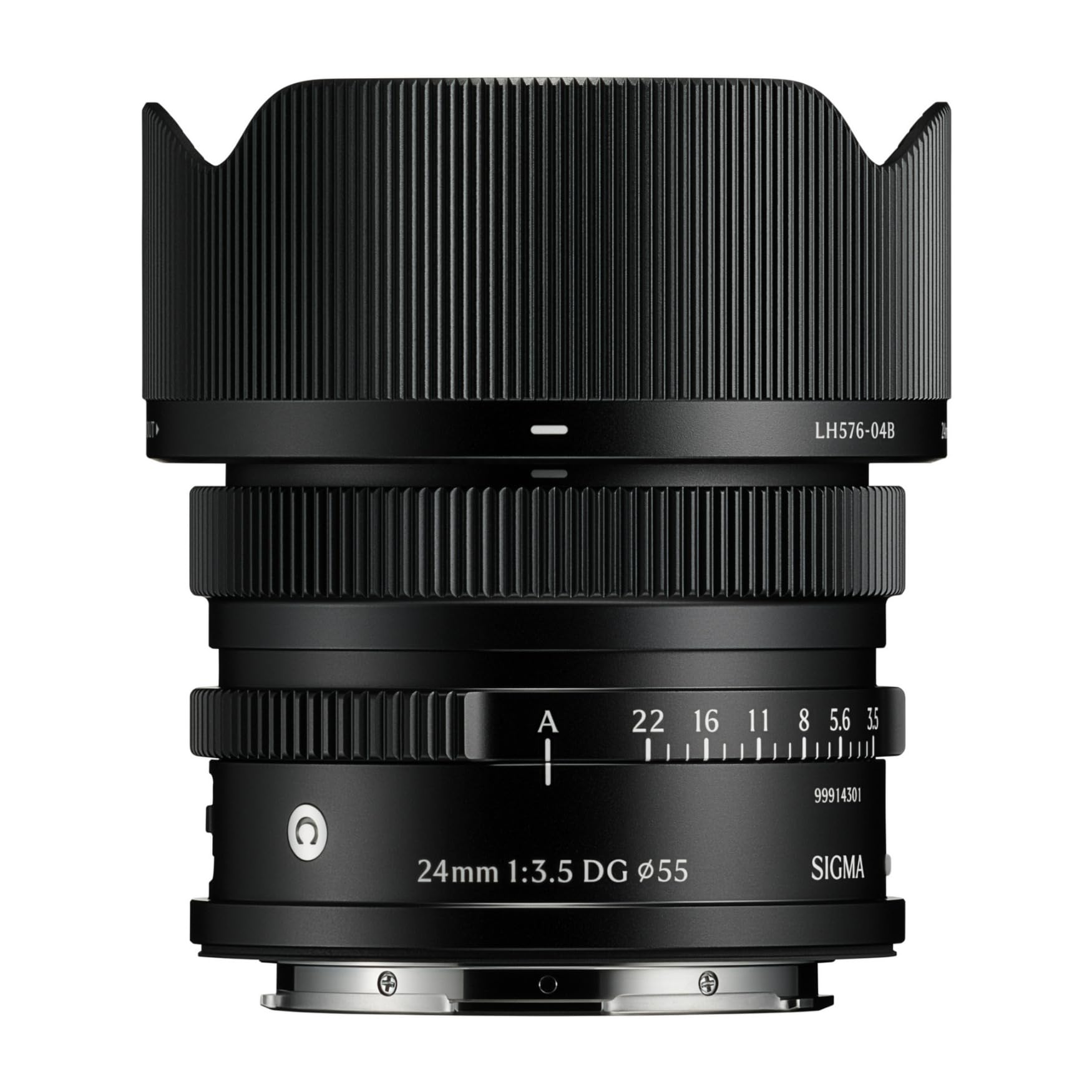
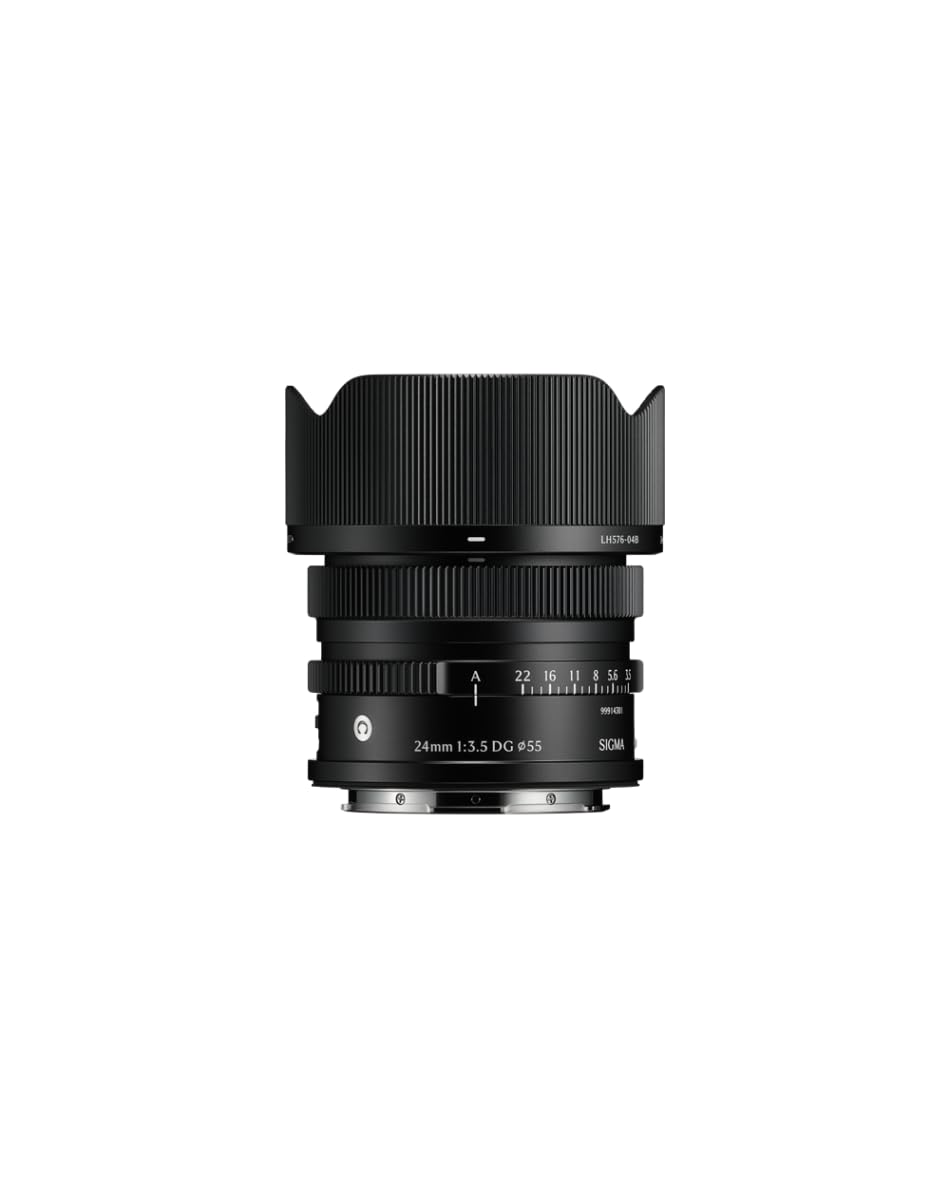
A 24mm focal length is one of the most practical choices for travel photography because it sits in a sweet spot between wide-angle drama and natural perspective. The Sigma 24mm F3.5 DG Contemporary Lens is a strong option for travelers who want something small and easy to carry while still being ready for city walks, interiors, landscapes, and casual documentary-style images. Its compact design makes it especially appealing when every inch of bag space counts.
If your travel style leans toward minimalist packing, a lens like the Sigma 24mm F3.5 can stay on your camera for most of the trip. It works beautifully for street scenes, scenic overlooks, cafés, and architecture without feeling overly wide.
2. Choose a faster wide prime if you shoot at night or indoors
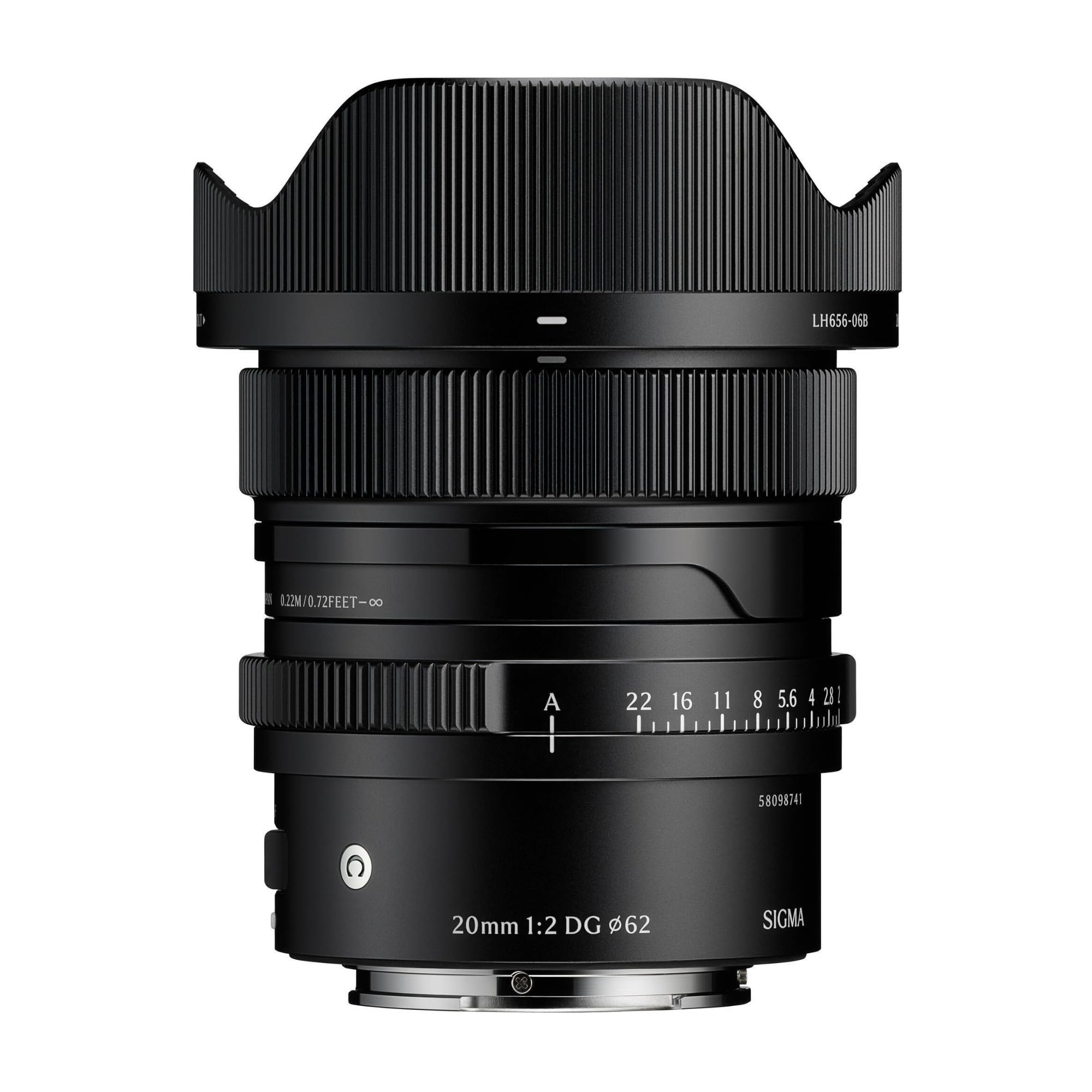
Travel rarely happens only in perfect daylight. Museums, restaurants, alleyways after sunset, and early-morning city streets all benefit from a brighter lens. The Sigma 20mm F2 DG Contemporary Lens gives you a wider field of view along with a faster aperture, making it a smart recommendation for photographers who love night scenes, interiors, and dramatic environmental compositions.
A 20mm lens is especially useful in tight spaces where stepping back is not an option. It can help capture the full atmosphere of a cathedral, market, or mountain overlook while also giving you a bit more flexibility for handholding in lower light.
3. Match your lens choice to the kind of trips you actually take
Not every traveler needs the same focal length. If your trips are centered on urban exploration, architecture, and everyday storytelling, 24mm is often the better fit because it feels balanced and easy to compose with. If you're heading to dramatic landscapes, tighter interiors, or destinations where you want more visual impact in every frame, 20mm may be the better companion.
- 24mm: great for walkaround shooting, travel portraits with context, food, and street photography
- 20mm: ideal for sweeping vistas, interiors, astro-adjacent scenes, and dynamic foreground-heavy compositions
That simple distinction can make it much easier to decide which lens belongs in your carry-on.
4. Keep your kit light so you can shoot longer
One of the biggest mistakes travelers make is overpacking lenses they barely use. A compact prime can reduce fatigue and help you stay more spontaneous throughout the day. Smaller lenses are less intimidating for street photography, easier to carry on long walks, and more likely to stay mounted on your camera instead of sitting in your bag.
This is where compact Contemporary-series lenses shine. A streamlined setup built around something like the Sigma 24mm F3.5 DG Contemporary Lens or Sigma 20mm F2 DG Contemporary Lens makes sense for photographers who want image quality without committing to a heavy multi-lens loadout.
5. Learn from travel-focused educational resources before your trip
Sometimes the best upgrade is not another piece of gear, but better preparation. The Enthusiasts Guide to Travel Photography by Jordana Wright is a useful companion for photographers who want to improve composition, planning, and visual storytelling before heading out. Pairing practical education with a well-chosen lens can help you return with stronger images and a clearer sense of purpose.
6. Think beyond the trip: edit and print your favorite images
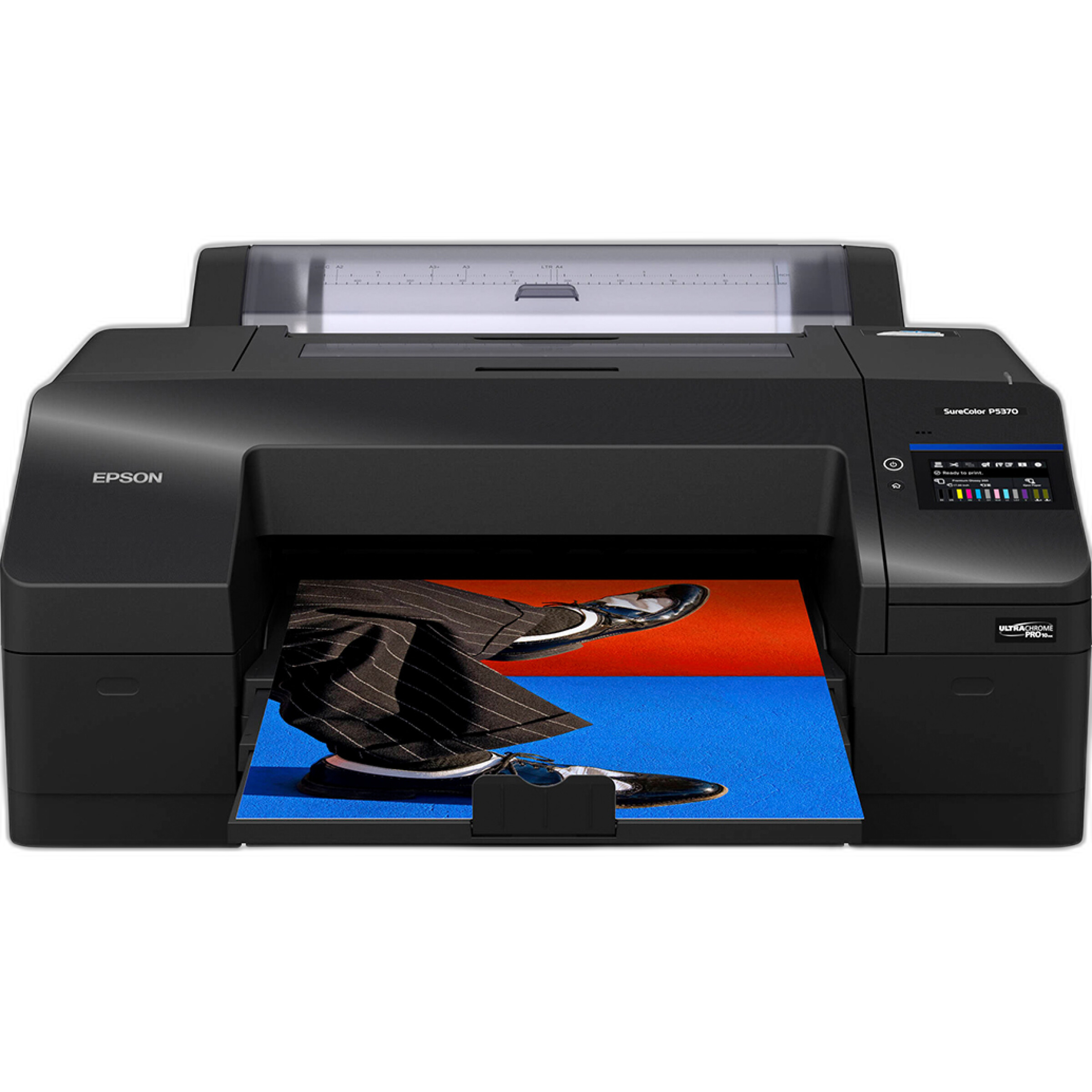
Travel photography does not end when you get home. Once you've captured your favorite moments, taking time to edit and print them can make the experience feel complete. For photographers who want gallery-worthy output from their adventures, the Epson SureColor P5370 17-Inch Professional Photographic Printer is a compelling option for turning landscapes, city scenes, and travel portraits into finished prints.
Printing your work is also a great way to evaluate which focal lengths and compositions you love most, helping you make even smarter lens choices for your next trip.
Final Thoughts
For many photographers, the most essential travel lens in 2024 will be a compact wide prime that keeps the kit light and the creativity high. A 24mm lens is a fantastic all-purpose choice, while a 20mm lens offers extra width and low-light flexibility for more dramatic scenes. The key is choosing a lens that matches how you travel and what you love to photograph.
If you're ready to refine your travel kit, Unique Photo is a great place to explore travel-friendly lenses, helpful photography books, and printing tools that can bring your adventures full circle.