Getting started with 120 medium format photography is one of the most rewarding ways to slow down, improve composition, and experience film in a more deliberate way. Whether you are moving up from 35mm or exploring film for the first time, the right gear makes a big difference. At Unique Photo, photographers can find a range of used medium format cameras, accessories, and even digital tools that help build an efficient starter kit for shooting 120 film.
In this guide, we will cover the essential gear for starting 120 medium format photography, what beginners really need, and how to choose equipment that matches your shooting style.
What Is 120 Medium Format Photography?
120 film is a roll film format used by many classic medium format cameras. It offers a larger image area than 35mm film, which typically means smoother tonal transitions, stronger detail, and a distinct look that many portrait, landscape, and fine art photographers love. Depending on the camera, a roll of 120 film can produce different frame sizes such as 6x4.5, 6x6, 6x7, or 6x9.
That frame size affects not only your composition, but also how many exposures you get per roll. For example, 6x6 cameras often give 12 exposures, while 6x9 systems may give only 8. Because every frame counts, medium format naturally encourages a more thoughtful approach.
Choosing a 120 Medium Format Camera for Beginners
The first and most important piece of gear is, of course, the camera. When choosing a beginner medium format film camera, it helps to think about handling, lens flexibility, portability, and budget. Unique Photo often carries used medium format options that can be a smart way to enter the format without buying a collectible at premium pricing.
Rangefinder option for simple, high-quality shooting
A fixed-lens rangefinder can be one of the easiest ways to start. The Used Fuji GSW690III Medium Format Rangefinder - Fair is a strong example of a camera style many film photographers appreciate for its simplicity and large negatives. Cameras like this are often favored for landscape and travel work because they are relatively direct to operate and offer excellent image quality with fewer distractions than a modular system.
TLR option for a classic medium format experience
If you want a more traditional waist-level shooting experience, the Used Rolleiflex 3.5 Xenar Medium Format Film Camera - Fair represents the classic twin-lens reflex approach. TLR cameras are especially enjoyable for portraits, street scenes, and slower, more intentional shooting. Their square format can also be creatively liberating for beginners learning composition.
Modular system option for long-term growth
For photographers who want an expandable system, a modular camera can be ideal. The Used Hasselblad 500CM With 80mm f/2.8 T* and 120 Back - Good is a well-known example of a medium format film system that gives users interchangeable backs, lenses, and viewfinders. It is a bigger investment, but it also offers a path to grow into studio, portrait, and fine art photography.
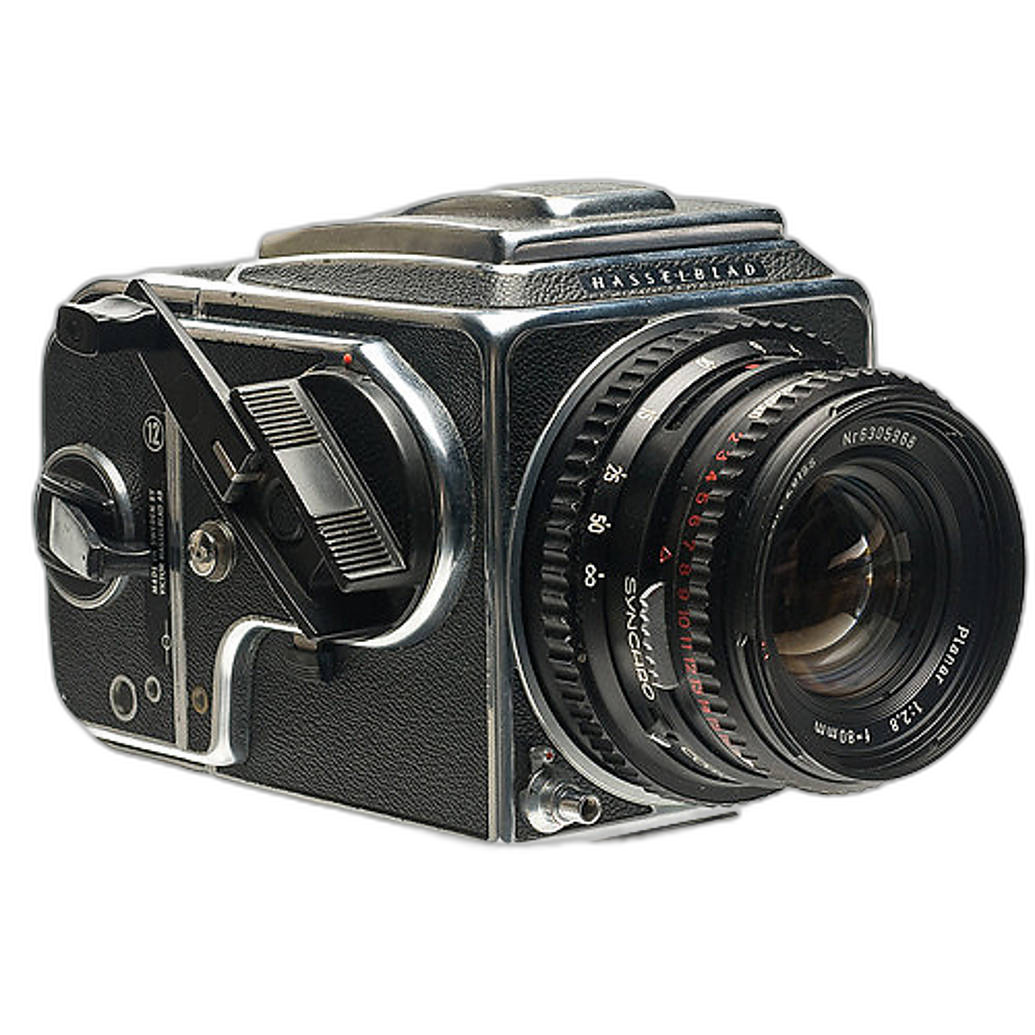
645 format option for more exposures per roll
Some beginners prefer 6x4.5 because it feels like a bridge between 35mm and larger medium format systems. The Used Mamiya 645AFD W/ 80MM F/2.8 ZD Digital Back and Film Back - Good can appeal to photographers who want medium format flexibility and a familiar handling style. Since 645 gives more frames per roll, it can be more practical when learning exposure and developing a rhythm.
Another option in the used market is the Used Hasselblad H1 Camera With 120/220 Film Back - Good, which offers a more modern medium format shooting experience for photographers who prefer ergonomics closer to contemporary camera systems.
What Film Do You Need for 120 Photography?
No starter kit for 120 medium format photography is complete without film. Choosing film depends on your goals, budget, and lighting conditions. Beginners often start with one black-and-white stock and one color stock so they can learn how each responds.
When selecting 120 film, consider:
- ISO: ISO 100 or 160 is great for daylight and fine detail, while ISO 400 is more flexible for mixed lighting.
- Color vs. black and white: Black-and-white film can be easier and more affordable to process at home, while color negative film offers broad exposure latitude.
- Look: Some films emphasize contrast and grain, while others prioritize smooth skin tones and subtle color.
If you are just starting out, consistency helps. Shoot a few rolls of the same film stock before changing variables. That makes it easier to understand your meter, your camera, and your personal style.
Do You Need a Light Meter for Medium Format Film?
One of the most common beginner questions is whether a light meter is necessary for medium format photography. In many cases, yes. Some used film cameras have no built-in meter, and even when they do, external meters can be more reliable.
A handheld light meter or a trusted metering app can help you avoid costly mistakes, especially when each roll has limited exposures. Medium format film rewards careful exposure, and learning to meter well is one of the fastest ways to improve results.
If you already own a digital camera, it can also serve as a practical learning tool. A modern mirrorless body lets you preview light, evaluate framing, and test compositions before spending film.
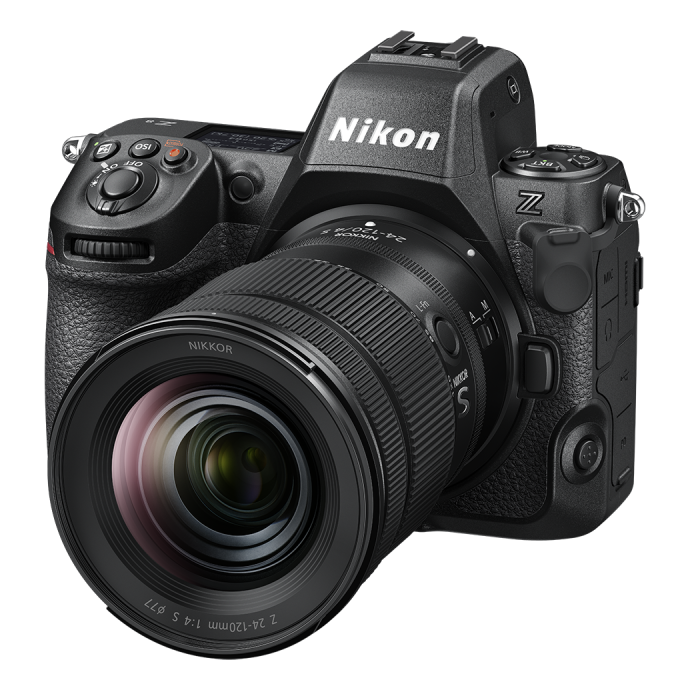
The Nikon Z8 FX-format Mirrorless Camera with NIKKOR Z 24-120mm f/4 S Lens can be a useful companion for photographers who shoot both film and digital. It is not a 120 film camera, of course, but for workflow support, reference capture, scanning setups, and exposure practice, a capable digital camera can complement a medium format kit. Unique Photo also offers an Open Box Nikon Z8 FX-format Mirrorless Camera with NIKKOR Z 24-120mm f/4 S for photographers looking at value-oriented options.

Essential Accessories for Starting 120 Medium Format Photography
Once you have a camera and film, a few accessories will dramatically improve your shooting experience.
1. Extra film backs or inserts
If your camera supports interchangeable backs, having an extra loaded back can save time and let you switch between color and black-and-white film. This is especially useful for modular systems like certain Hasselblad cameras.
2. A sturdy camera strap
Medium format cameras are often heavier than 35mm bodies. A comfortable, well-built strap makes handheld shooting easier and reduces fatigue during long sessions.
3. Lens hood and filters
Lens hoods help control flare and preserve contrast. Filters can also be useful, especially for black-and-white photography or outdoor portraiture.
4. A tripod
Because medium format photography often encourages slower shooting, a tripod is one of the best investments you can make. It improves sharpness for landscapes, architecture, and low-light work.
5. Cable release
For cameras with slower shutter speeds or tripod use, a cable release minimizes vibration and helps maximize image sharpness.
6. Film storage and organization
Keep fresh film cool and organized, and store exposed rolls carefully until processing. A simple pouch or protective case can help prevent confusion in the field.
Best Lenses and Focal Lengths for Medium Format Beginners
If you are buying a fixed-lens camera, this decision is already made for you, which can actually simplify the learning process. If you are choosing an interchangeable-lens system, start with a normal lens first. On many medium format cameras, an 80mm lens is a classic standard focal length for general photography.
As your interests develop, you might add a wider lens for landscape work or a longer lens for portraits and close-up subjects. If you also shoot digital medium format, lens choice becomes part of a broader ecosystem.
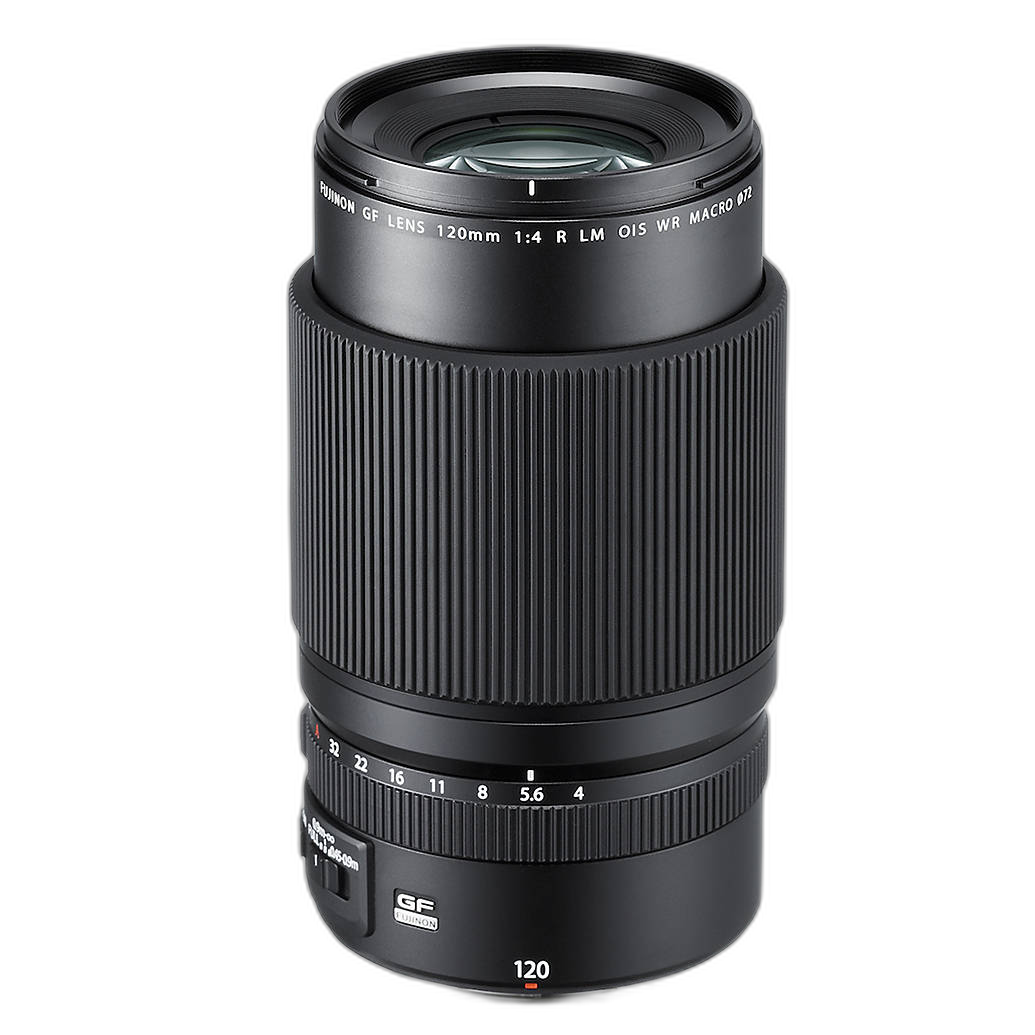
For example, the Fujifilm FUJINON GF 120mm f/4 R LM OIS WR Macro Lens is a great example of how medium format shooters can expand into close-up, product, and portrait work in a digital medium format system. While it is designed for Fujifilm GFX digital cameras rather than 120 film bodies, it highlights the broader appeal of medium format image rendering and can be relevant for photographers exploring both film and digital workflows through Unique Photo.
How to Load and Handle 120 Film Correctly
One overlooked part of starting medium format photography is handling the film itself. Loading 120 film is simple once you practice, but it does require care. Make sure the film is threaded properly onto the take-up spool and aligned with the start marks indicated by your camera. Wind carefully and avoid opening the camera before the roll is fully finished and sealed.
Also remember that 120 film has backing paper, which protects the film before exposure but still benefits from proper handling. Avoid excessive heat, moisture, and direct sunlight.
Should Beginners Buy Used Medium Format Cameras?
For many photographers, buying used is the smartest way to begin. Medium format gear can be expensive, and the used market often offers access to classic cameras with excellent optical performance. Shopping with a trusted retailer matters here, and Unique Photo is a strong resource for photographers who want to explore used film gear with confidence.
A used camera may show cosmetic wear, but that does not necessarily affect image quality. What matters most is functionality, lens condition, shutter operation, film advance reliability, and overall serviceability.
Tips for Getting Better Results with 120 Film
- Start with one camera and one film stock until your results become consistent.
- Meter carefully, especially in high-contrast scenes.
- Use a tripod when possible for maximum detail.
- Take notes on film, exposure, lens, and lighting.
- Practice loading film at home before going on a shoot.
- Do not rush. Medium format rewards patience.
Building Your First 120 Medium Format Photography Kit
A practical beginner kit does not need to be complicated. In most cases, you only need:
- One reliable 120 medium format camera
- One standard lens or fixed-lens setup
- A few rolls of 120 film
- A handheld meter or metering solution
- A strap and a basic bag
- A tripod for slower work
If you are interested in hybrid shooting, adding a digital camera for scanning, testing exposure, or documenting behind-the-scenes setups can also be useful. That is where options like the Nikon Z8 can fit into a broader photographic workflow, even for dedicated film photographers.
Where to Start with Medium Format Photography
The best way to start 120 medium format photography is to keep your setup simple and focus on learning the format. A camera such as a Fuji rangefinder, Rolleiflex TLR, Hasselblad modular body, or Mamiya 645 system can all be excellent depending on your goals. Unique Photo is a valuable place to explore used medium format cameras, film-friendly accessories, and complementary digital tools that support your growth as a photographer.
As you build your kit, think about how and what you like to shoot. Portrait photographers may want a modular system with lens options. Travel shooters might prefer a fixed-lens rangefinder. Fine art photographers may fall in love with the square format of a TLR or Hasselblad. There is no single right answer, only the system that helps you shoot more confidently.
To continue your research at Unique Photo, consider exploring internal category pages for used film cameras, medium format cameras, Fujifilm lenses, and mirrorless cameras. Those pages can help you compare systems, find accessories, and build a medium format setup that fits your budget and creative goals.