Low-light photography can be incredibly rewarding, whether you're shooting city streets after dark, indoor events, concerts, nighttime portraits, or moody travel scenes. This guide is for photographers who want cleaner files, sharper images, and more confidence when the light drops. Along with practical low-light shooting tips, we’ve highlighted a focused set of tools available at Unique Photo that can help you meter more accurately, shape available light, and improve your results in challenging conditions.
How to Get Better Results in Low Light
Before buying gear, it helps to refine technique. Low-light photography is always a balancing act between shutter speed, aperture, ISO, and subject movement. Start by opening your aperture as wide as your lens allows, then choose the slowest shutter speed you can safely handhold—or faster if your subject is moving. Raise ISO only as much as needed to maintain exposure.
A few proven tips:
- Stabilize your camera: Brace against a wall, use a tripod when possible, or lean into stable surfaces.
- Watch your shutter speed: For static subjects, you can go slower. For people, action, or events, keep shutter speed high enough to freeze motion.
- Expose carefully: Underexposure in low light often creates more visible noise when brightened later.
- Use a meter for consistency: Dedicated light meters can be especially helpful for mixed lighting, studio work, or repeatable portrait setups.
- Add or modify light when needed: Continuous light and flash tools can transform difficult scenes into polished images.
- Consider contrast control: Specialty filters can help manage harsh contrast and produce a more cinematic low-light look.
Recommended Equipment for Low-Light Photography
For photographers who want the biggest improvement in low-light consistency, a high-end light meter is a smart upgrade. The Sekonic L-858D-U is especially useful for portraits, flash-assisted night work, and any setup where repeatable exposure matters.
Used Sekonic L-858D-U Speedmaster Light Meter - Excellent
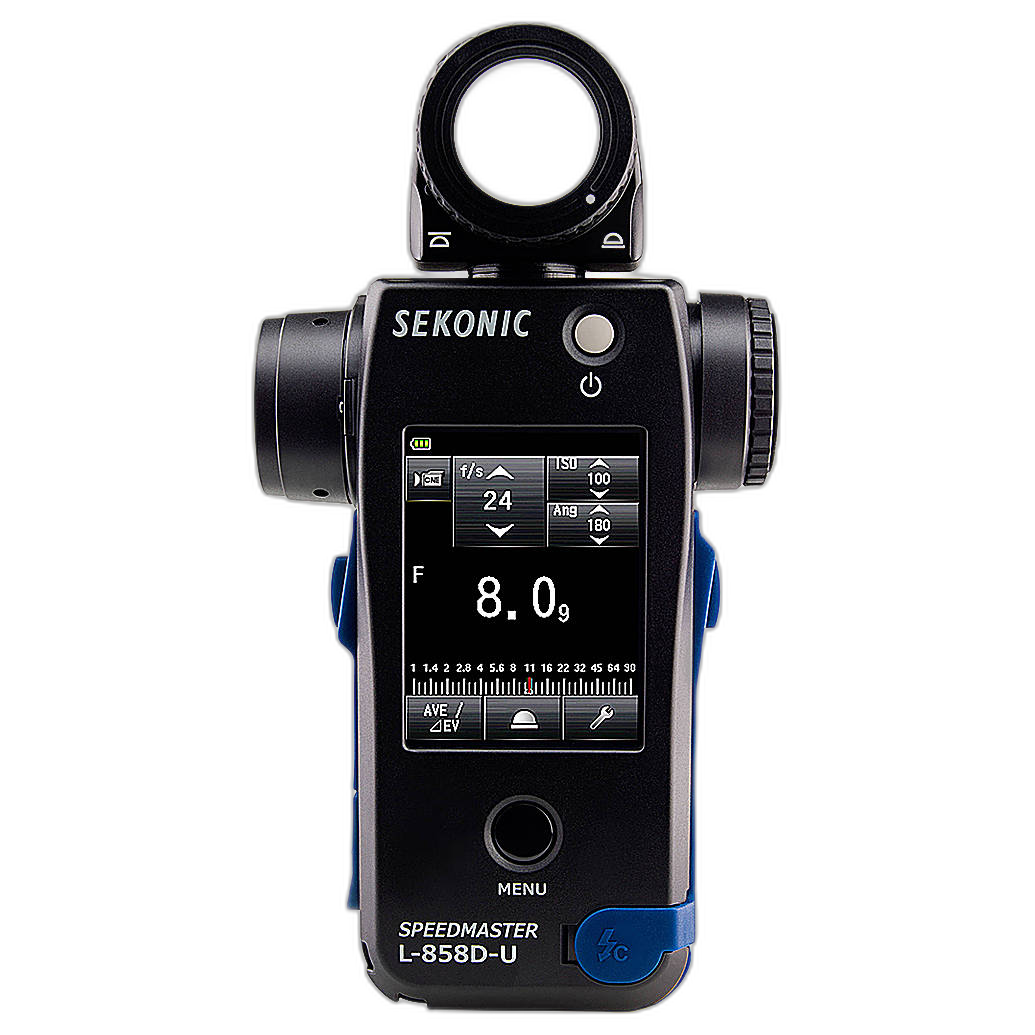
If you regularly shoot in difficult or changing light, the Sekonic L-858D-U Speedmaster is one of the most capable tools in this guide. In low light, camera meters can be fooled by bright highlights, dark backgrounds, stage lighting, or mixed-color sources. A dedicated meter helps you measure with precision and build a repeatable workflow.
This is an excellent choice for portrait photographers, event shooters working with off-camera flash, and anyone who wants a more controlled approach to exposure after dark. It is especially useful when balancing ambient light with strobes or LED lighting.
- Best for: Advanced users, portrait shooters, flash work, controlled low-light setups
- Why it helps: Accurate metering reduces guesswork and helps protect image quality
Used Sekonic L-358 Light Meter (Box, case, strap) Excellent Condition
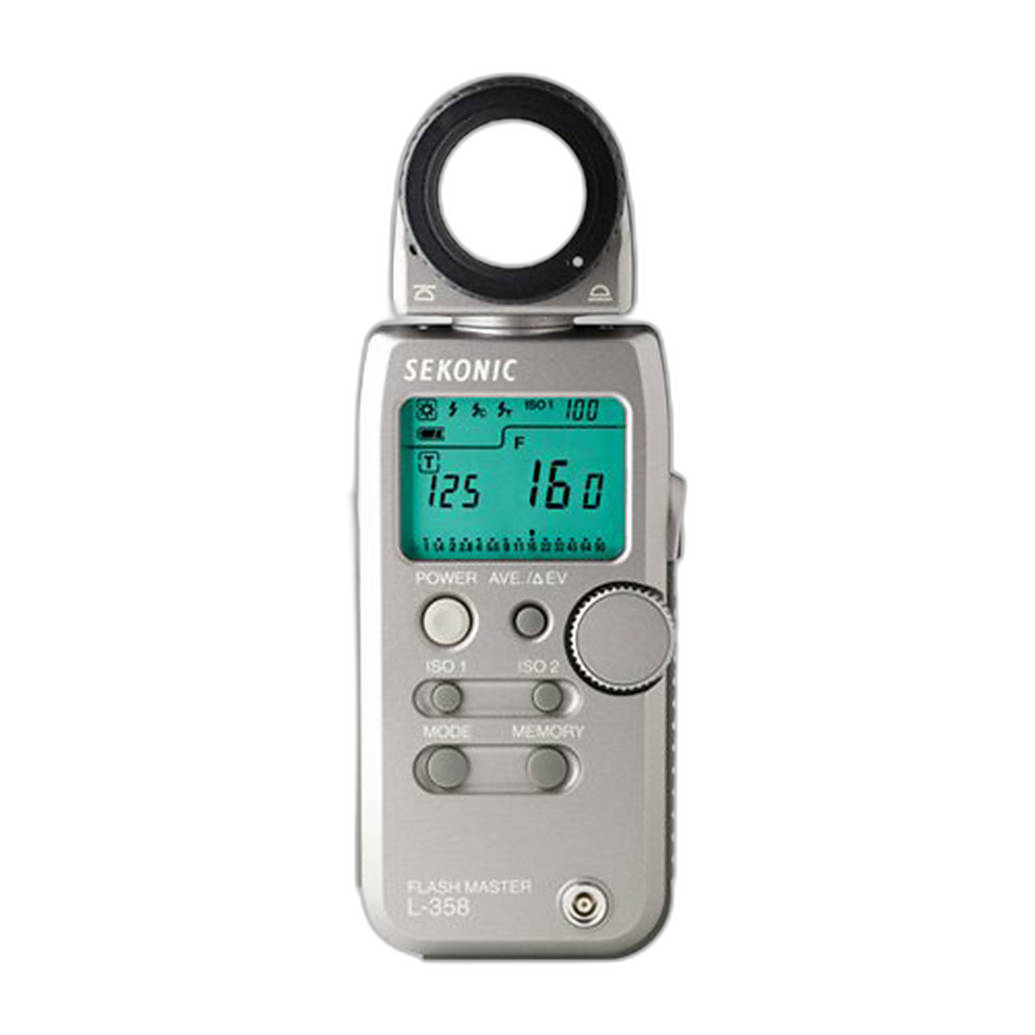
The Sekonic L-358 is a practical lower-cost route into dedicated metering. For photographers exploring low-light portraiture, still life, or small studio setups, it offers a straightforward way to improve exposure consistency without relying entirely on the camera’s built-in meter.
If you want better control over highlights, shadow detail, and flash-to-ambient balance, this meter is a useful addition to your kit. It’s a strong value option for photographers who want a dedicated tool but don’t need the more advanced feature set of the L-858D-U.
- Best for: Enthusiasts, home studio users, portrait and product photographers
- Why it helps: Consistent readings can save time and reduce trial-and-error shooting
Used Excellent Light and Motion CLx10 Imaging Kit

When available light just isn’t enough, adding light is often the fastest way to improve image quality. The Light and Motion CLx10 Imaging Kit gives you more control over your scene, making it easier to keep ISO lower, maintain faster shutter speeds, and shape the mood of a shot.
This kind of kit can be useful for close-up work, small product photography, creative portraits, or any environment where you want a portable lighting solution. In low-light conditions, even a modest amount of added light can dramatically improve sharpness and color.
- Best for: Portable lighting, controlled setups, detail shots, creative low-light work
- Why it helps: More light means cleaner files and more flexible shutter/aperture choices
Used Good Light and Motion Reflex S Hybrid LED/Flash Head

The Light and Motion Reflex S Hybrid LED/Flash Head stands out because hybrid lighting can be especially useful in low light. Continuous LED output helps with composing and focusing, while flash can deliver the stronger burst needed to freeze motion or create punchier exposure.
This makes it appealing for photographers who shoot in dim interiors, want more flexibility than ambient light alone can provide, or need a lighting tool that bridges still and hybrid workflows.
- Best for: Mixed shooting styles, portraits, indoor low-light work, flexible lighting setups
- Why it helps: Continuous plus flash options give you creative and practical versatility
Tiffen 72mm LOW LIGHT ULTRACONTRAST 1
The Tiffen Low Light UltraContrast 1 is a specialty filter designed for scenes with deep shadows and bright highlights. In low-light environments, that can help create a more balanced tonal look while retaining a natural feel. This lighter-strength version is a good choice for photographers who want subtle contrast reduction without a heavy-handed effect.
It can be especially interesting for cinematic street scenes, night exteriors, and atmospheric portraiture where preserving mood matters as much as technical exposure.
- Best for: Cinematic looks, subtle shadow lift, atmospheric night scenes
- Why it helps: Can tame contrast and produce a gentler low-light rendering
Tiffen 72mm LOW LIGHT ULTRACONTRAST 4
The Tiffen Low Light UltraContrast 4 offers a stronger effect than the UltraContrast 1. If you shoot scenes with intense point light sources, dark shadow areas, or highly stylized night environments, this stronger version may be better suited to your visual goals.
Because the effect is more pronounced, it makes sense for photographers and filmmakers who know they want a distinctive contrast-controlled look rather than a subtle adjustment.
- Best for: Stronger low-light contrast control, stylized night work, dramatic scenes
- Why it helps: Delivers a more noticeable shadow-lifting and contrast-softening effect
Rocky Nook Enthusiasts Guide Night Low-Light Photo Alan Hess
Sometimes the best investment is knowledge. The Rocky Nook Enthusiast’s Guide to Night and Low-Light Photo is ideal for photographers who want to better understand exposure strategy, creative approaches, and the practical realities of shooting after dark.
If you’re still building confidence with night scenes, cityscapes, long exposures, or available-light portraits, a focused guide can help you improve faster and get more value from the gear you already own.
- Best for: Beginners to intermediate photographers learning night shooting
- Why it helps: Technique often matters as much as equipment in low light
Comparison Table
| Product | Category | Best For | Key Low-Light Benefit |
|---|---|---|---|
| Used Sekonic L-858D-U Speedmaster Light Meter - Excellent | Light Meter | Advanced exposure control | Precise metering for ambient and flash setups |
| Used Sekonic L-358 Light Meter | Light Meter | Affordable dedicated metering | Improves exposure consistency |
| Used Excellent Light and Motion CLx10 Imaging Kit | Lighting Kit | Portable scene illumination | Adds light to reduce noise and blur |
| Used Good Light and Motion Reflex S Hybrid LED/Flash Head | Hybrid Lighting | Flexible LED and flash use | Helps compose, focus, and freeze motion |
| Tiffen 72mm LOW LIGHT ULTRACONTRAST 1 | Filter | Subtle contrast control | Balances low-light scenes more gently |
| Tiffen 72mm LOW LIGHT ULTRACONTRAST 4 | Filter | Stronger stylized effect | More pronounced contrast reduction |
| Rocky Nook Enthusiasts Guide Night Low-Light Photo Alan Hess | Book | Learning technique | Builds skills for better low-light results |
Which Low-Light Gear Should You Buy?
If you want the single most practical upgrade for controlled low-light photography, choose a dedicated light meter. The Used Sekonic L-858D-U Speedmaster is our top recommendation for photographers who want professional-level consistency, while the Sekonic L-358 is a smart value choice.
If your biggest problem is simply not having enough light, a portable lighting solution like the Light and Motion CLx10 Imaging Kit or the Reflex S Hybrid LED/Flash Head can make a dramatic difference.
And if your goal is more creative rendering rather than pure exposure correction, the Tiffen Low Light UltraContrast filters offer an interesting stylistic tool for night scenes.
Conclusion
Effective low-light shooting comes down to a mix of technique, exposure control, and the right support gear. For most photographers, improving metering or adding light will produce the most noticeable upgrade in image quality. If you’re ready to build a more capable low-light kit, Unique Photo offers a strong selection of tools to help you shoot more confidently after dark.