DSLR vs. Mirrorless for Wildlife Photography: Best Choices in 2024
Wildlife photographers need gear that can react instantly, focus accurately, and keep working in unpredictable outdoor conditions. In 2024, the DSLR versus mirrorless decision is less about hype and more about how autofocus, battery life, lens availability, portability, and upgrade value fit your shooting style.
At Unique Photo, we help photographers compare systems based on real-world use in the field. If you're deciding whether to stick with a proven DSLR workflow or move to a newer mirrorless setup, this FAQ breaks down the most important factors.
Are there any DSLRs still worth buying for wildlife in 2024?
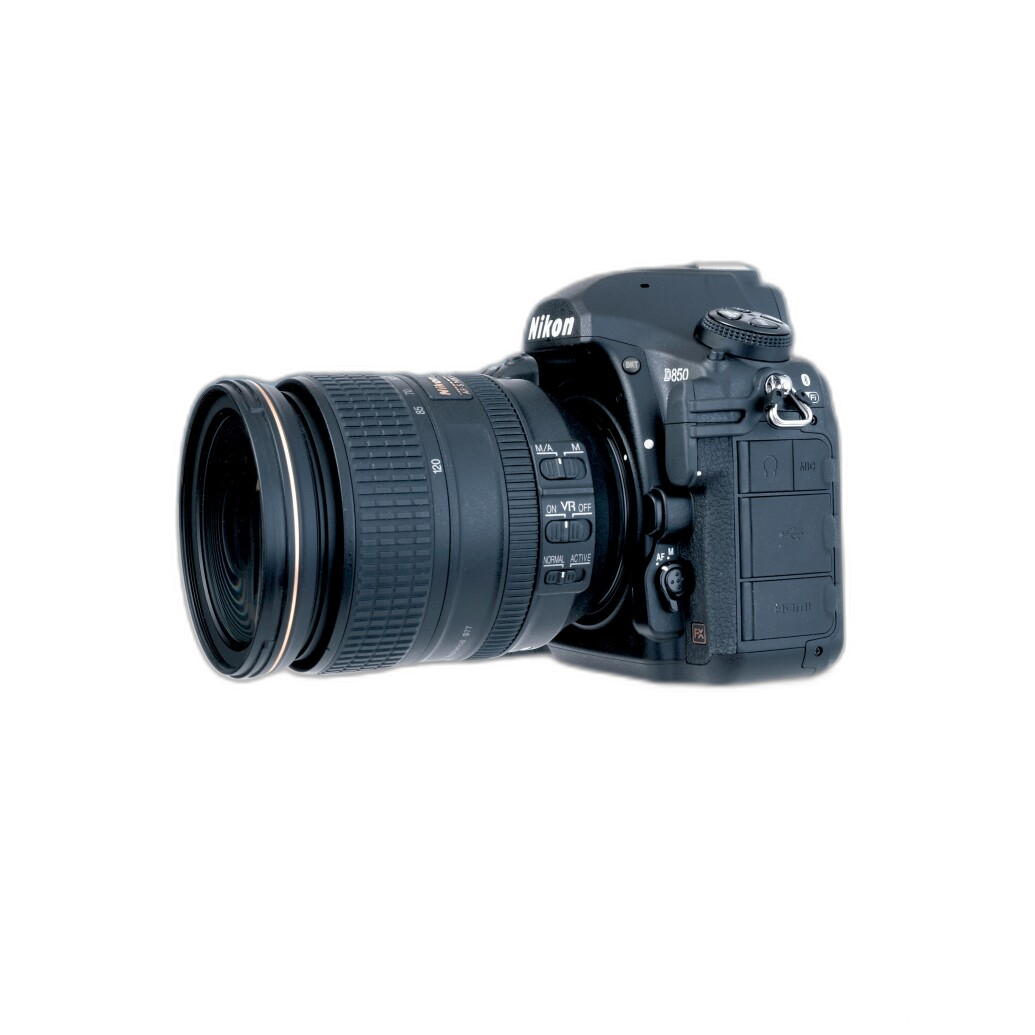
Yes—DSLRs can still be worthwhile for wildlife photographers, especially if you already own compatible lenses, batteries, and accessories. A strong DSLR body still offers dependable handling, long battery life, an optical viewfinder, and familiar ergonomics that many wildlife shooters appreciate during long days outdoors. For photographers who value a mature system and want to maximize an existing kit, a DSLR can remain a practical option.
That said, the market is clearly shifting toward mirrorless for the newest autofocus technology and system development. If you're committed to a DSLR platform, it often makes the most sense when you're already invested in lenses and want to extend the life of your setup rather than build an entirely new system from scratch. If you are continuing with a DSLR workflow, a title like the Nikon D850 Guide to Digital SLR Photography by David Busch can be a useful reference for getting the most from a still-capable DSLR platform.
Why are mirrorless cameras so popular for wildlife photography now?
Mirrorless cameras have become the leading choice for many wildlife photographers because they combine fast subject detection, sophisticated tracking, high burst rates, and real-time exposure preview in a lighter overall package. For birds in flight, mammals moving through uneven terrain, and changing light at dawn or dusk, modern mirrorless autofocus systems can make it easier to acquire and maintain focus on a subject.
Another major advantage is the electronic viewfinder, which lets you preview exposure, white balance, and even focus behavior before pressing the shutter. That can reduce missed opportunities in fast-changing environments. Mirrorless systems also tend to receive the newest lens designs and firmware updates, which is important if you want access to the latest performance improvements.
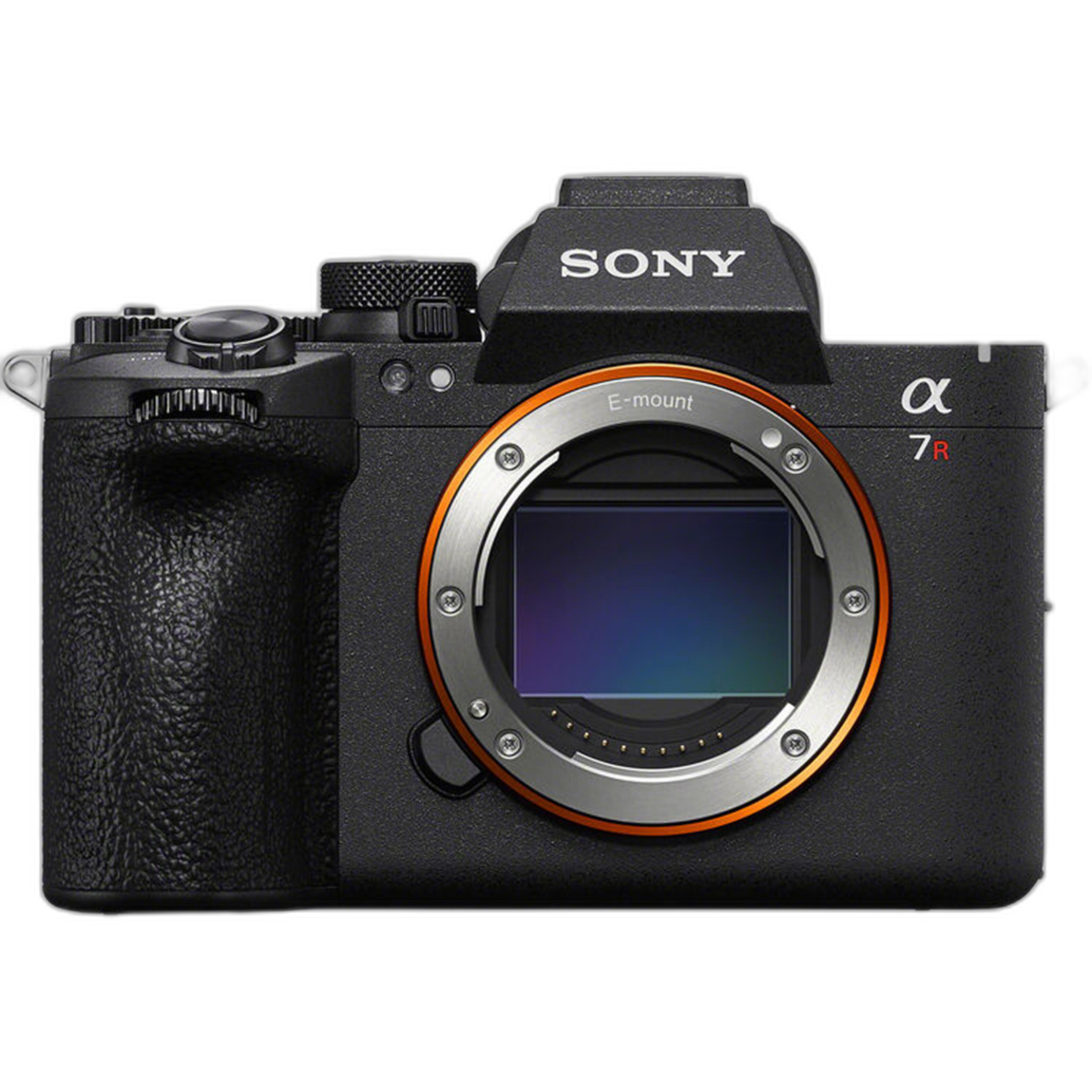
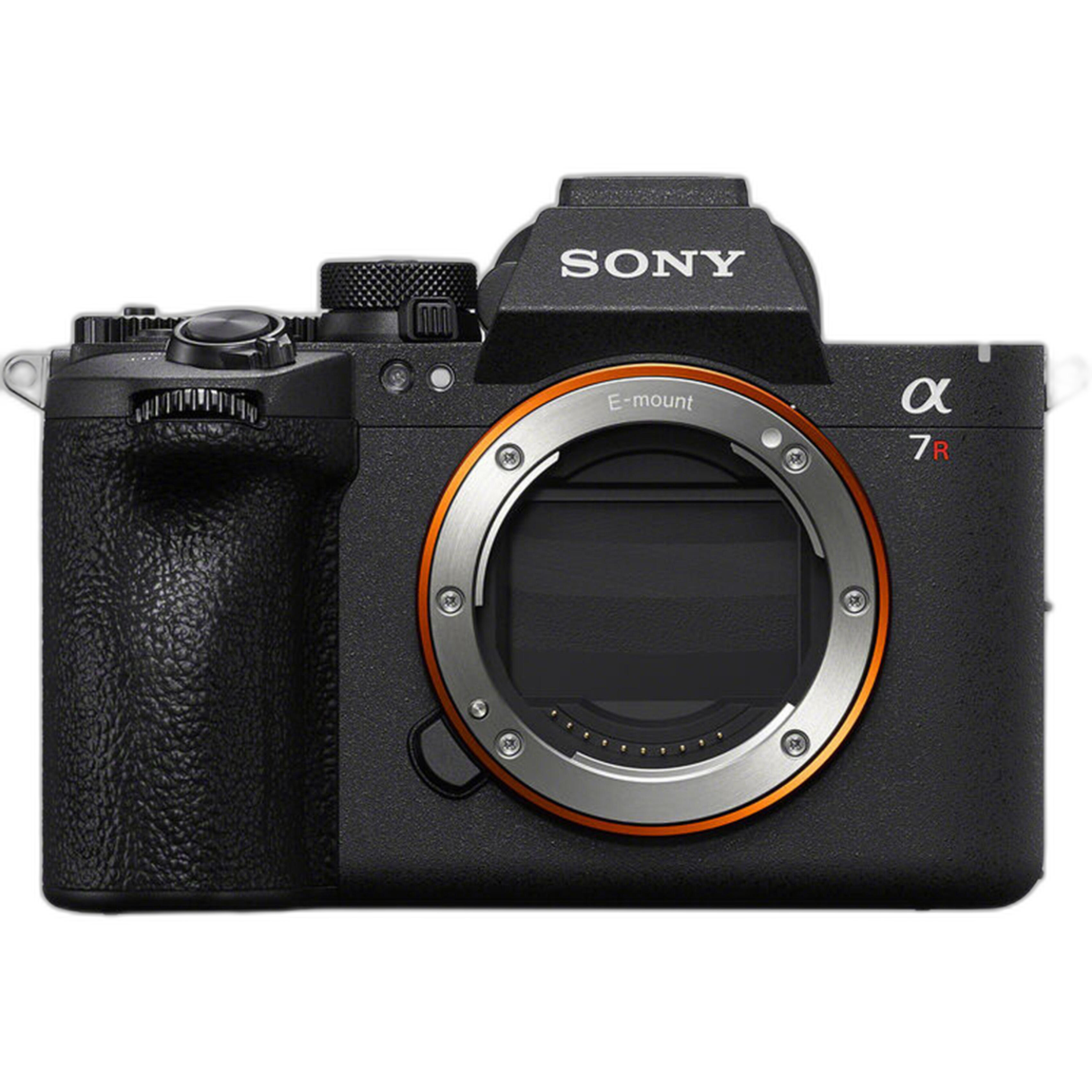
For photographers who want a high-end full-frame option, the Sony a7R VI Mirrorless Camera stands out as a strong choice for wildlife shooters who need advanced autofocus performance and high resolution for cropping flexibility. That extra resolution can be especially valuable when distant subjects don't fill the frame.
Which mirrorless bodies shine for fast autofocus in the field?
The best wildlife mirrorless bodies are the ones that balance subject recognition, tracking stability, frame rate, and field usability. In practical terms, you want a camera that locks onto eyes, heads, or bodies quickly and stays with the subject as it moves unpredictably. Reliable autofocus matters more than spec-sheet numbers alone.
The Sony a7R VI Mirrorless Camera is especially appealing for wildlife photographers who want detailed files and the flexibility to crop while still maintaining image quality. This type of camera is ideal for photographers shooting birds, skittish mammals, or mixed habitats where a subject's distance changes rapidly.
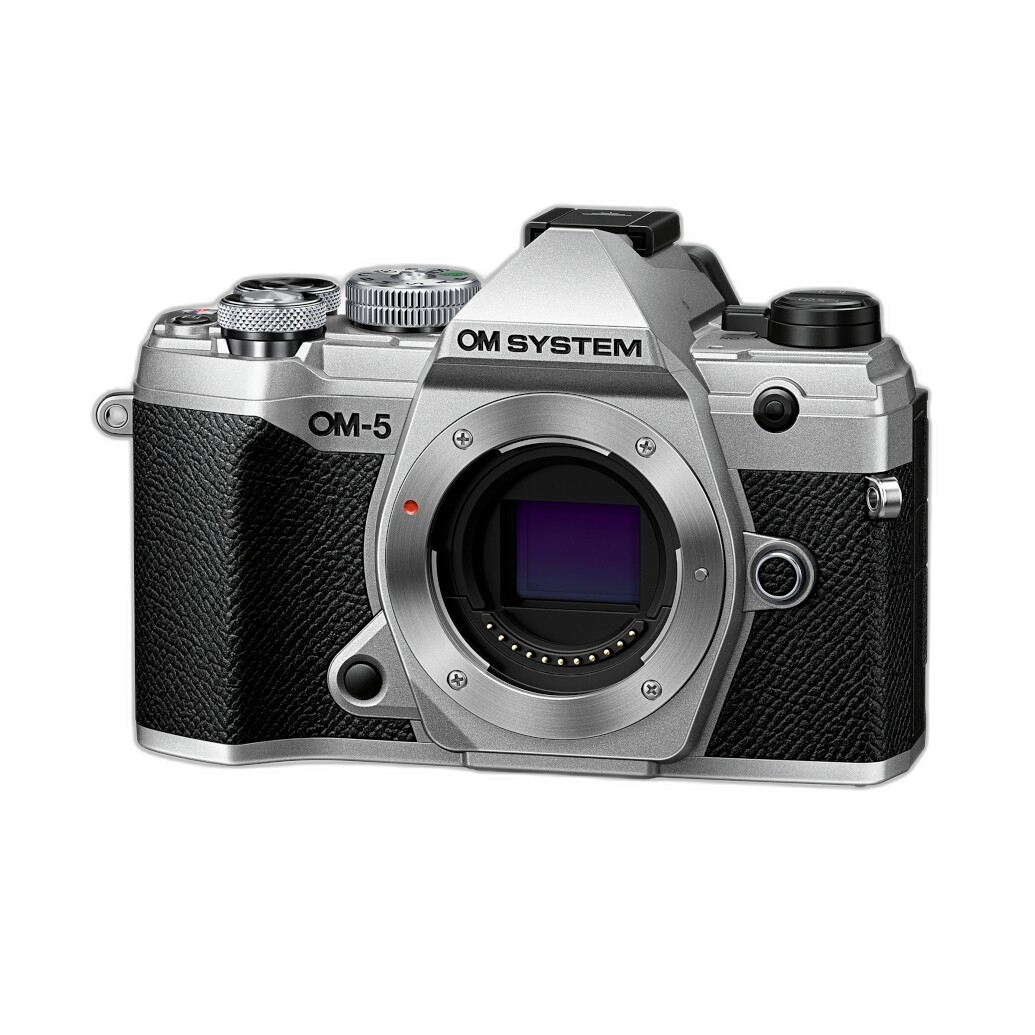
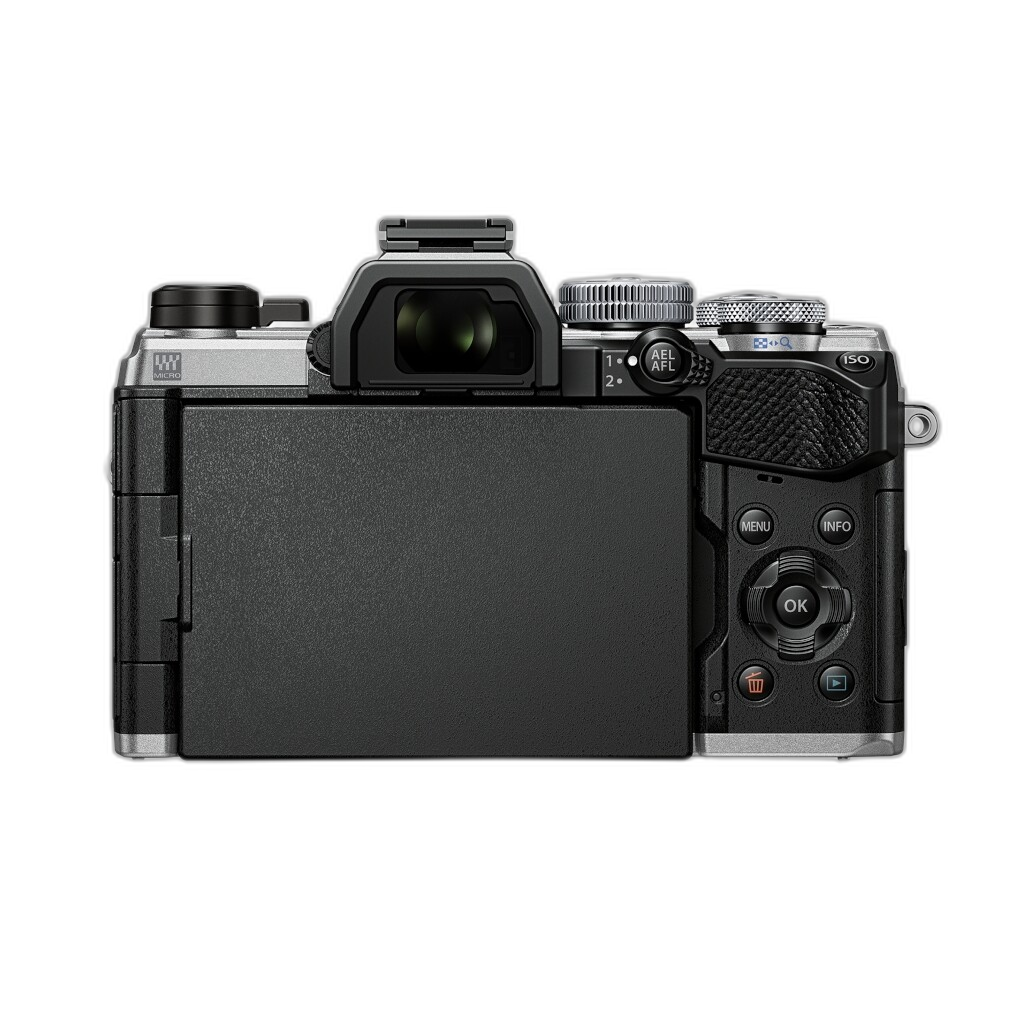
For shooters who prioritize portability and outdoor mobility, the OM SYSTEM OM-5 Mirrorless Camera is another compelling option. A compact body can be a major advantage on hikes, travel assignments, and all-day wildlife outings where weight matters. Smaller systems can also pair well with telephoto setups that remain easier to carry than some larger full-frame combinations.
How important is battery life for wildlife photography, and do DSLRs still have an edge?
Battery life is extremely important for wildlife photography because long waits, cold temperatures, and burst shooting can all drain power faster than expected. DSLRs traditionally hold an advantage here because optical viewfinders use less power than electronic ones. If you spend hours stationed in a blind or far from charging options, DSLR endurance remains a real benefit.
However, mirrorless battery performance has improved significantly, and many photographers now accept carrying spare batteries in exchange for better autofocus and viewing tools. The decision often comes down to your workflow. If you shoot remote locations with limited charging access, battery strategy should be part of your buying decision. If you regularly work from a vehicle, lodge, or travel kit with charging support, mirrorless is easier to manage.
At Unique Photo, we often recommend thinking beyond body specs alone: if faster autofocus helps you capture more keepers, carrying extra batteries may be an easy tradeoff.
How does lens selection affect the DSLR vs. mirrorless decision?
Lens selection is one of the most important parts of this decision. Wildlife photography depends heavily on telephoto and super-telephoto options, and your system choice should reflect not just the body you want today, but the lenses you may want over the next several years. A camera body may change in a few seasons, but lenses often stay in your bag much longer.
DSLR users may already have a deep lens kit, which can make staying with DSLR financially appealing in the short term. On the other hand, mirrorless systems are where many brands are focusing their newest optical development. That means current and future mirrorless users often benefit from newer lens designs, improved autofocus communication, and a broader long-term upgrade path.
If you're starting fresh, lens roadmap and future system support are critical. If you already own high-quality DSLR telephotos, the upgrade math may look very different. Our advice is simple: choose the system that gives you the wildlife focal lengths and handling you need without creating unnecessary gaps in your kit.
Is a high-resolution camera better for wildlife photography?
High resolution can be a major advantage for wildlife photography, but only if it matches your shooting habits. More megapixels give you room to crop, which is especially useful when small or distant subjects don't approach as closely as you'd like. For bird and wildlife photographers working in open environments, that extra cropping latitude can feel like added reach.
This is one reason the Sony a7R VI Mirrorless Camera can be so attractive. A high-resolution full-frame body can preserve fine feather, fur, and environmental detail while giving you flexibility in post-production. The tradeoff is that larger files require more storage and can demand more from your editing computer.
If your priority is mobility and efficient field shooting, a lighter camera like the OM SYSTEM OM-5 Mirrorless Camera may make more sense. For many wildlife photographers, overall system weight and responsiveness matter just as much as raw file size.
Is it worth upgrading from an older DSLR to a new mirrorless model?
For many photographers, yes—especially if your older DSLR struggles with subject tracking, low-light autofocus, or burst performance compared to current mirrorless options. The biggest upgrade benefits usually appear in autofocus intelligence, eye detection, tracking consistency, and preview tools that help reduce guesswork in difficult light.
If your current DSLR still delivers the results you need and you have a well-established lens kit, an immediate upgrade may not be necessary. But if you're missing action sequences, fighting focus consistency, or planning to invest in more wildlife gear, moving to a mirrorless system can be a smarter long-term decision.
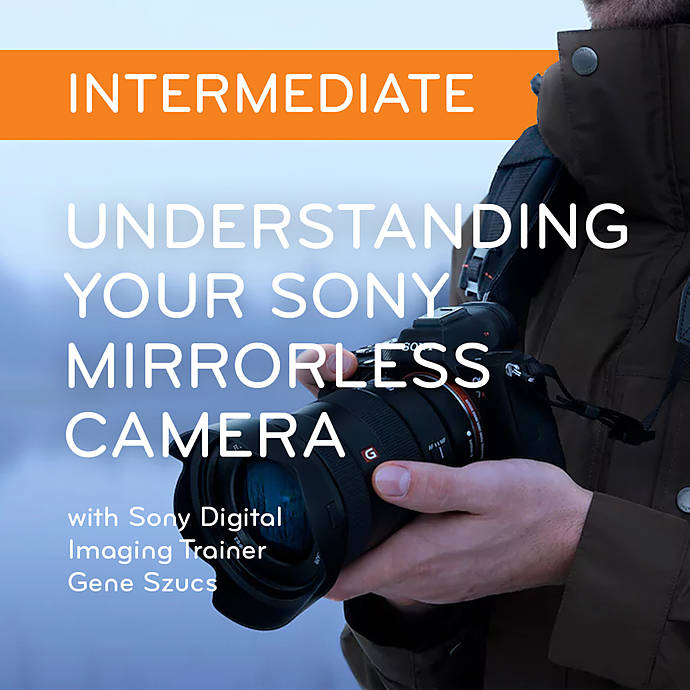
A good way to think about it is this: if the new body improves your hit rate and makes the field experience more efficient, it may justify the cost sooner than expected. And if you're moving into a new system like Sony, building your skills with dedicated education can help smooth the transition. Unique Photo's Understanding Your Sony Mirrorless Camera: Intermediate (Sony) is a practical resource for photographers who want to get more from their Sony setup.
What about size and weight for hiking, travel, and handheld wildlife shooting?
Size and weight matter more than many buyers expect. Wildlife photography often means walking long distances, shooting from awkward positions, and reacting quickly without a tripod. A lighter setup can reduce fatigue and help you stay ready longer.
This is where a compact mirrorless body like the OM SYSTEM OM-5 Mirrorless Camera makes a strong impression. For nature photographers who mix wildlife, travel, and landscape work, a smaller body can create a more versatile outdoor kit. It can be particularly attractive to photographers who want capable performance without carrying a large full-frame setup all day.
On the other hand, some photographers prefer the grip, balance, and larger handling profile of full-frame bodies, especially with longer lenses attached. The right choice depends on whether portability or maximum file flexibility ranks higher in your workflow.
How can I improve my wildlife photography after choosing a camera system?
Camera choice is only part of the equation. Technique, fieldcraft, editing, and familiarity with your equipment often have an even bigger effect on your final images. Learning how your autofocus modes behave, how to track motion, and how to process natural detail can elevate your results regardless of system.
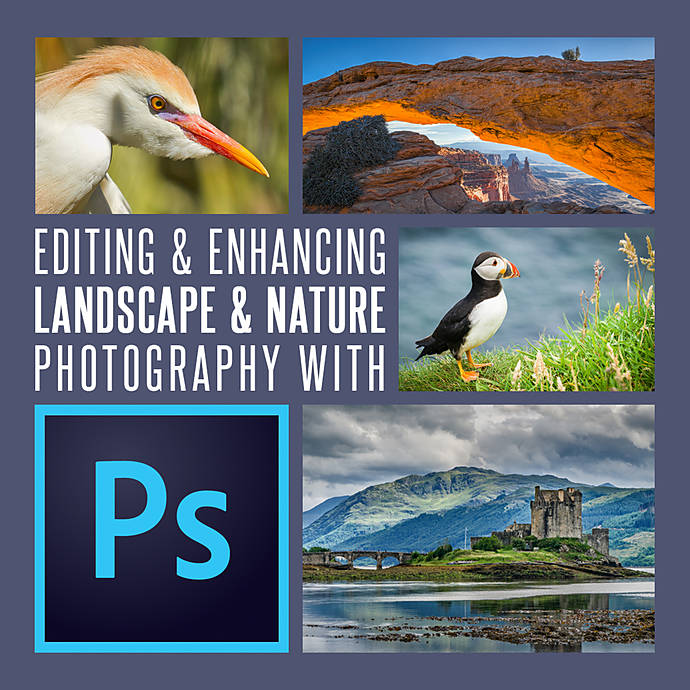
Unique Photo offers educational opportunities that can help photographers grow beyond the gear decision. For example, Editing and Enhancing Landscape and Nature Photography with Photoshop can help nature photographers improve color, contrast, and detail in outdoor images, while events like EXPO: Stories from the Road - Photography Across Worlds w. Matthew Borowick can inspire stronger visual storytelling. Even workshops outside pure wildlife, such as Macro and Landscape Photography at Duke Farms with Michael Downey, can sharpen observation and outdoor shooting technique.


In 2024, mirrorless is the leading direction for most wildlife photographers thanks to its autofocus advances, evolving lens ecosystems, and modern shooting tools. Still, DSLRs remain relevant for photographers with established kits who value battery life, familiar handling, and a lower-cost path forward.
If you're weighing a move to mirrorless or refining your wildlife setup, Unique Photo can help you compare cameras, expand your skills, and choose gear that fits your shooting goals. Explore our camera selection, educational classes, and expert guidance to build a wildlife kit that works in the real world.