Choosing between a DSLR and a mirrorless camera for portrait photography comes down to more than hype. Both systems can create beautiful subject separation, flattering skin tones, and professional-looking results. The better choice depends on how you shoot, how much gear you want to carry, and which features help you connect with your subject faster. If you are trying to decide where to invest for portraits, these tips can help you sort out the strengths of each system.
1. Start with how you actually shoot portraits
Studio, environmental, and on-location portraits all have different needs
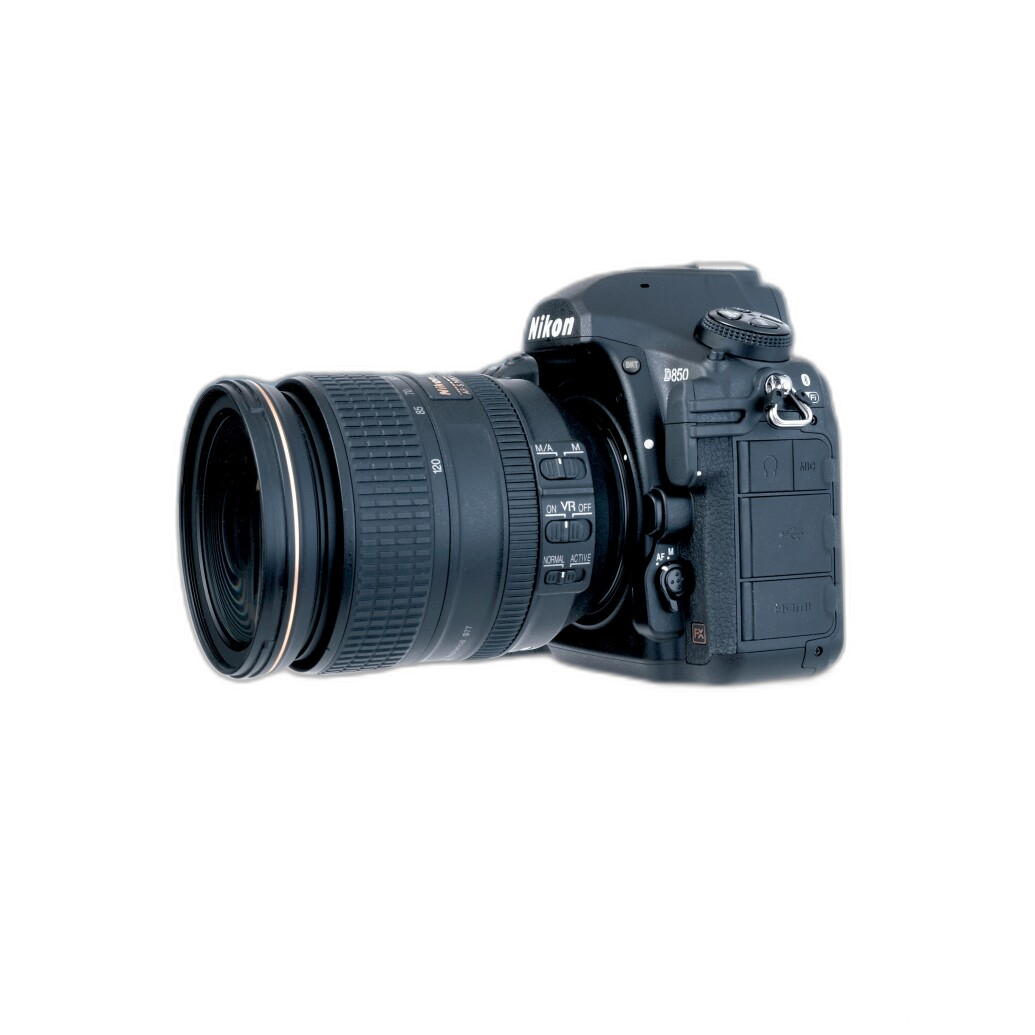
If most of your portraits happen in a controlled studio, a DSLR can still be an excellent tool. Many portrait photographers appreciate the familiar handling, long battery life, and optical viewfinder experience of a DSLR body. A classic example is the Nikon D850, and a resource like Nikon D850 Guide to Digital SLR Photography by David Busch can be helpful if you are leaning toward a DSLR workflow and want to get more from that style of camera.
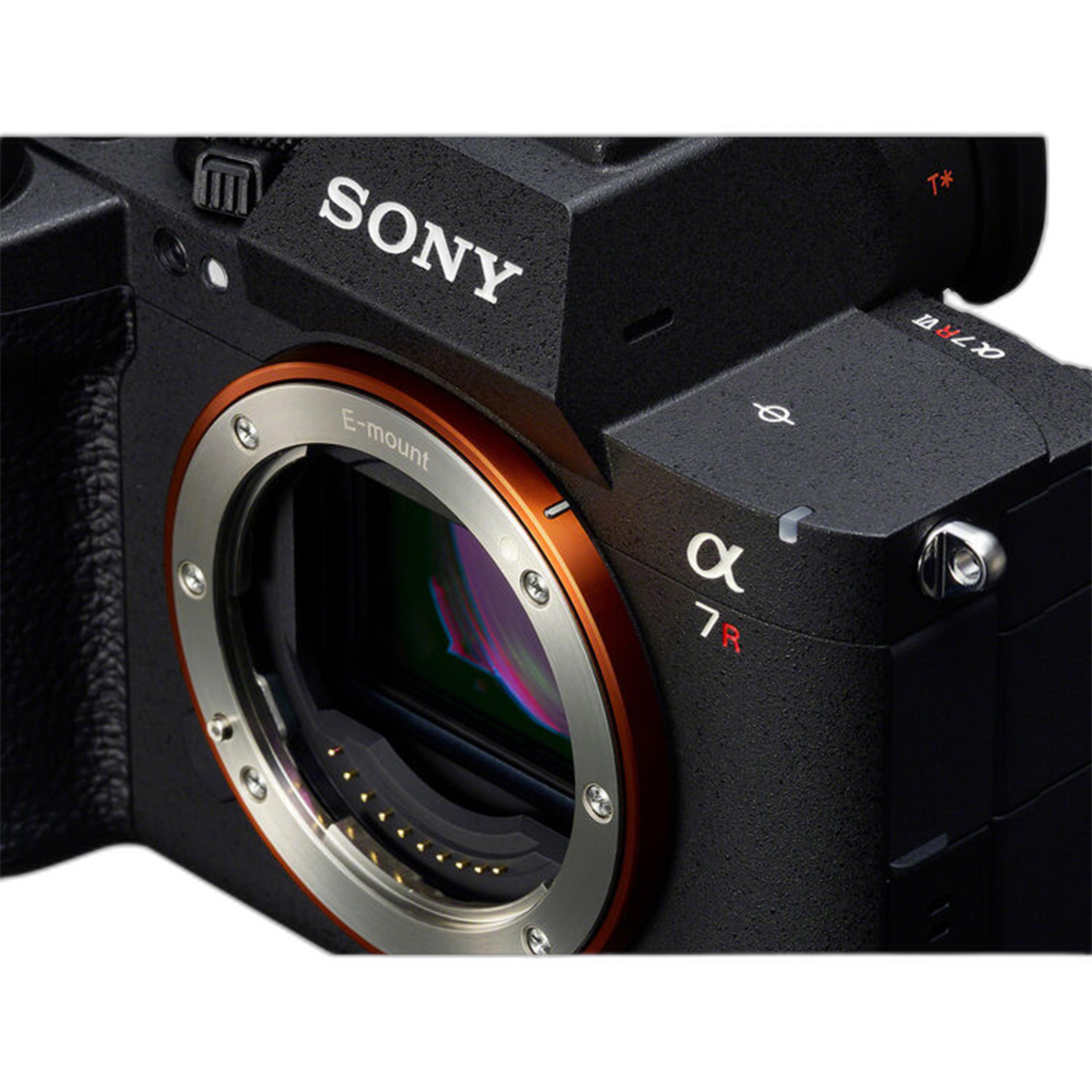
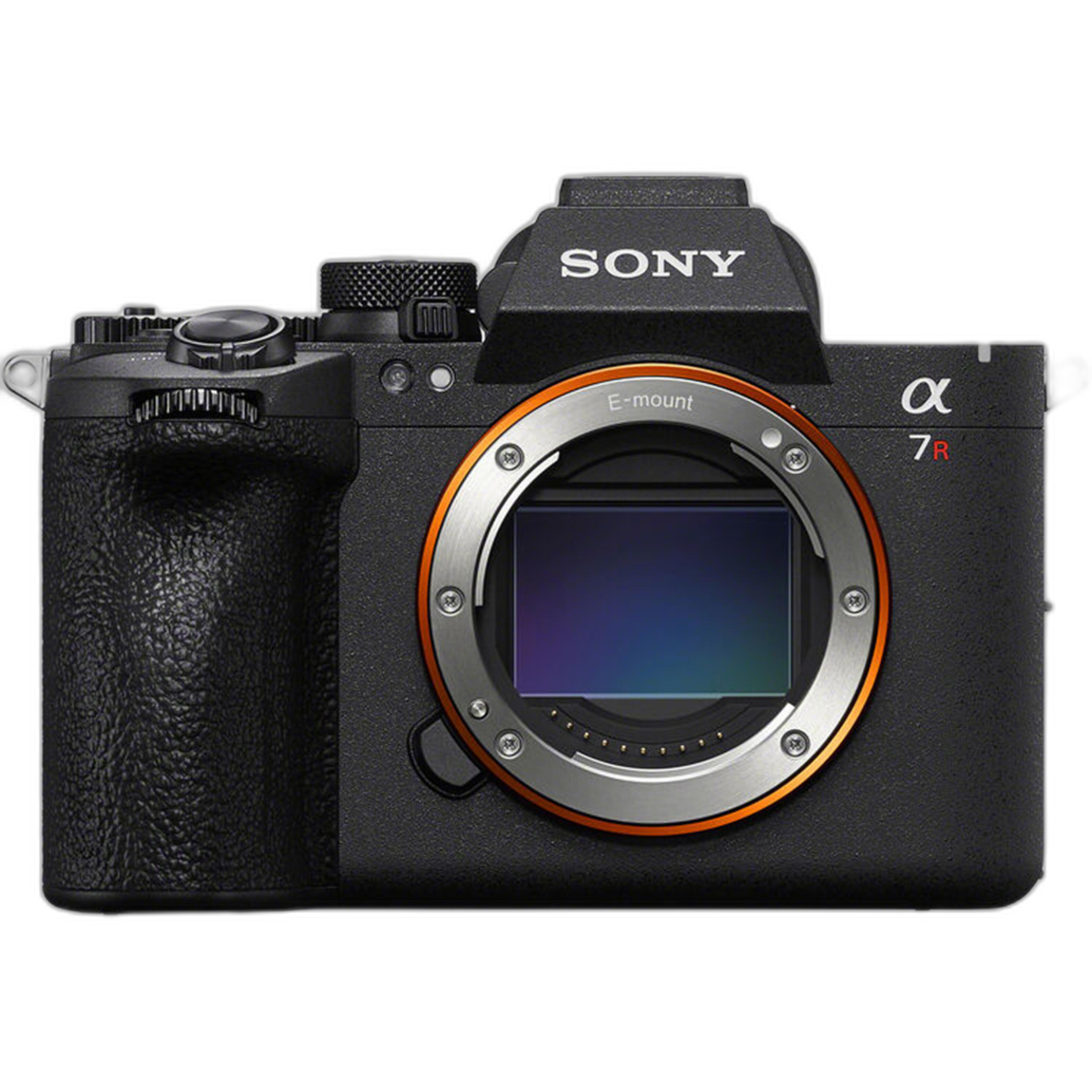
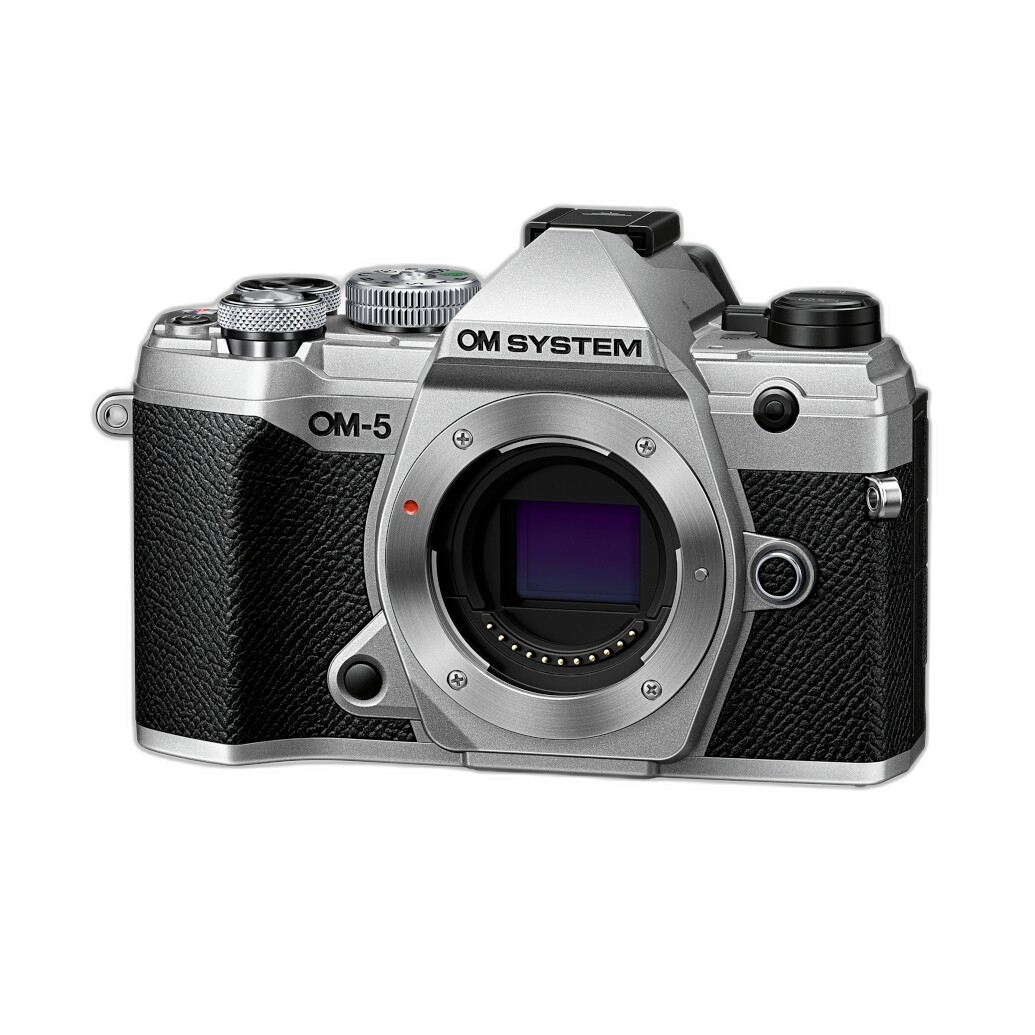
If you shoot on location, move frequently, or like a lighter bag, mirrorless often has the edge. Bodies such as the Sony a7R VI Mirrorless Camera offer advanced autofocus and high resolution that can be especially useful for headshots, fashion portraits, and editorial work. If compact size matters even more, the OM SYSTEM OM-5 Mirrorless Camera is a portable option for photographers who want mobility without giving up modern mirrorless benefits.
2. Prioritize autofocus if you shoot wide open
Mirrorless often makes eye detection easier
Portrait photographers frequently work at shallow depth of field, where even slight focus errors can ruin an otherwise great image. This is one of the biggest reasons many portrait shooters have moved to mirrorless. Real-time eye detection and face tracking can make a major difference when your subject is moving, changing poses quickly, or working under natural light outdoors.
For photographers who want top-tier focusing performance, the Sony a7R VI is especially appealing because it combines high resolution with modern autofocus tools that help keep the eyes sharp. DSLRs can still focus very well, especially through the optical viewfinder, but mirrorless systems generally provide more direct feedback and tracking features that simplify portrait sessions.
3. Think about the viewfinder experience
Optical vs electronic is still a real preference
Some portrait photographers love the natural feel of an optical viewfinder. It offers a direct view through the lens with no screen interpretation, and that is still a big part of the DSLR appeal. Others prefer an electronic viewfinder because it previews exposure, white balance, and picture settings before pressing the shutter. For portrait work, seeing those changes in real time can speed up your process and reduce test shots.
If you are often adjusting lighting ratios, ambient exposure, or color temperature, mirrorless can make those decisions feel more immediate. That said, photographers who already know their lighting setup inside and out may still enjoy the traditional DSLR shooting experience.
4. Don’t ignore size and comfort during long portrait sessions
The best camera is one you can comfortably use for hours
Portrait sessions can be physically demanding, especially for event-style portraits, family sessions, and location work that involves a lot of walking. Mirrorless bodies often reduce overall kit size, which may help if you travel often or shoot handheld all day. The OM SYSTEM OM-5, for instance, is attractive for photographers who want a smaller body for casual portraits, environmental portraits, or travel portraiture.
On the other hand, some photographers prefer the deeper grip and more substantial balance of a DSLR body, especially when using larger portrait lenses. Comfort is personal, so ergonomics should absolutely be part of your decision.
5. Remember that lighting matters more than camera type
A great portrait is usually built with light, direction, and expression
It is easy to focus on camera bodies, but portraits are shaped just as much by lighting skill and communication with your subject. If your goal is stronger portraits, learning to control light can have a bigger impact than switching systems. Educational resources like Portrait Lighting Made Easy with Joel Grimes and the Stunning Portraits Workshop with David Maynard and ExpoImaging are great complements to either a DSLR or mirrorless setup.
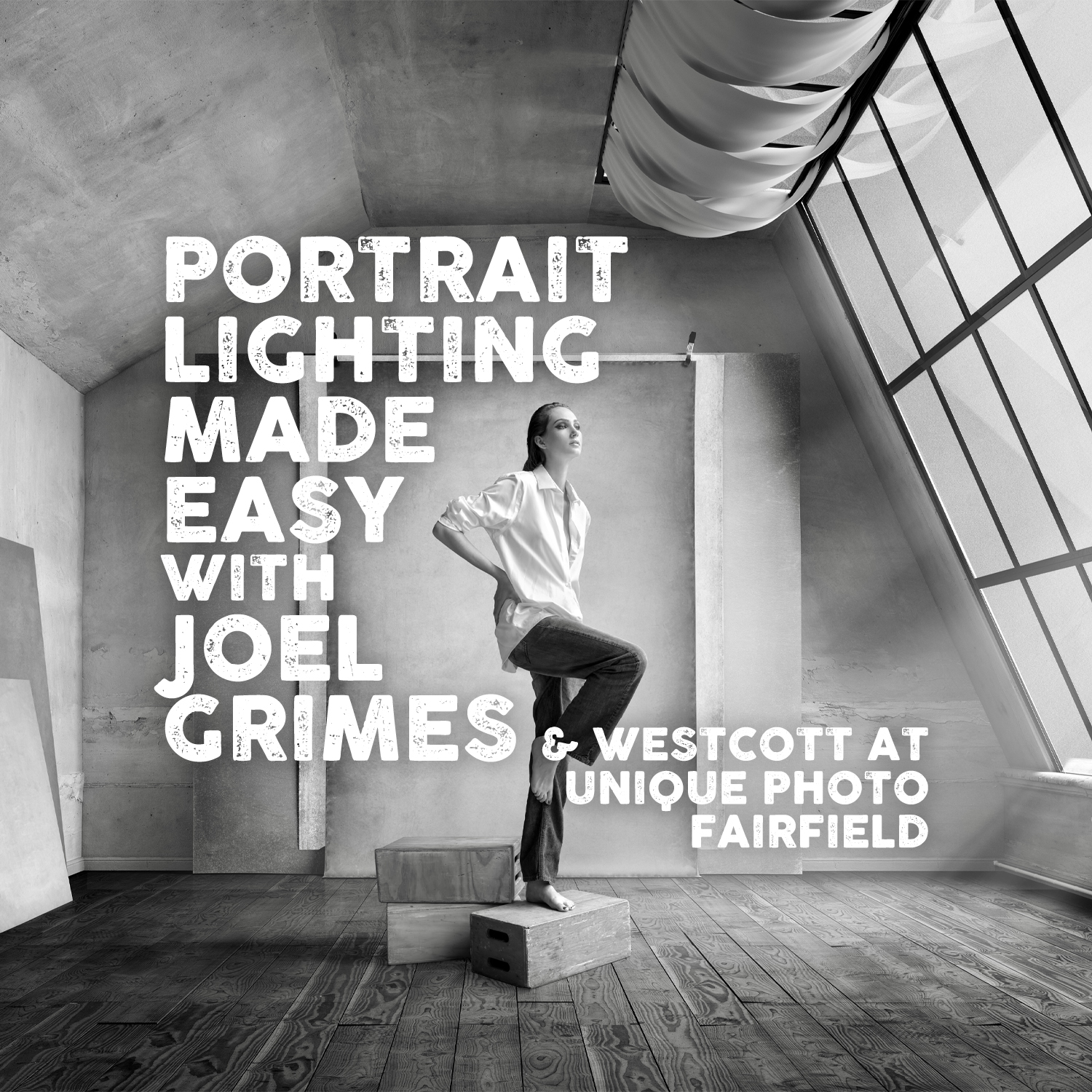
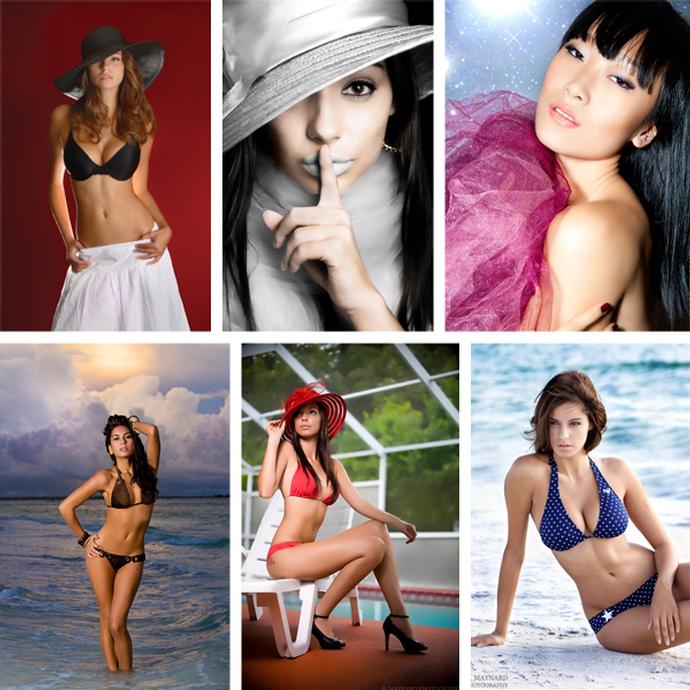
A photographer with solid lighting technique can produce outstanding portraits with either format. If you are deciding where to spend your budget, it may make sense to balance camera investment with education and lighting tools.
6. Match resolution to your portrait workflow
High resolution is useful, but only if you need it
For beauty work, commercial portraits, and heavy retouching, high-resolution files can be a real advantage. The Sony a7R VI stands out here for photographers who need detail for skin work, large prints, or flexible cropping. Mirrorless systems have become especially attractive to portrait pros because they can combine this resolution with sophisticated autofocus.
But not every portrait shooter needs extremely large files. If your work is primarily for social media, web galleries, school portraits, or modest print sizes, the practical benefits of a lighter system or a more budget-conscious body may matter more than maximum megapixels.
7. Consider battery life and session pace
DSLRs still have a practical edge for long days
One area where DSLRs still earn respect is battery life. If you regularly shoot long portrait days, tether infrequently, or prefer fewer interruptions, a DSLR can be very convenient. Mirrorless batteries have improved dramatically, but electronic viewfinders and rear displays naturally consume more power.
This does not mean mirrorless is a bad choice for portraits. It simply means you should plan accordingly with extra batteries, especially if you shoot all day on location.
8. If you are newer to portraits, choose the system that helps you learn faster
Confidence behind the camera leads to better expressions in front of it
Portrait photography is as much about timing and connection as it is about specifications. A camera that helps you focus accurately, preview exposure, and work quickly may help you build confidence sooner. For many newer photographers, that points toward mirrorless. For others, a DSLR’s straightforward, familiar shooting experience feels more natural.
Workshops and classes can shorten the learning curve regardless of what you choose. Alongside gear decisions, portrait-focused education from Unique Photo can help you improve posing, lighting, and direction in ways that matter every time you photograph a person.
Conclusion
For portrait photography, mirrorless cameras generally offer the biggest advantages in autofocus, real-time exposure preview, and portability, while DSLRs still appeal for battery life, handling, and the classic optical viewfinder experience. If you want modern focusing tools and a feature-rich portrait setup, a body like the Sony a7R VI is a strong mirrorless choice. If portability is your top priority, the OM SYSTEM OM-5 is worth a look. And if you still appreciate the DSLR approach, learning tools like the Nikon D850 guide remain valuable.
Whichever route you choose, remember that lighting, lenses, and practice will shape your portraits just as much as the camera itself. Explore gear and educational resources at Unique Photo, and keep shooting until your setup feels like a natural extension of your creative vision.