With today’s cameras offering impressive dynamic range, advanced color profiles, and powerful editing tools, many photographers ask a fair question: do polarizing filters still matter? The short answer is yes—circular polarizing filters are still incredibly useful—but only when you understand what they do best, when they can hurt your image, and how to choose a quality option.
At Unique Photo, we still see polarizers recommended by working photographers because they solve problems that software cannot fully replicate. Reflections on water, glare on leaves, haze in bright landscapes, and washed-out skies are all situations where a good polarizer can make a visible difference right in-camera.
What does a polarizing filter do on a modern camera?
A polarizing filter, usually a circular polarizer (CPL) for modern autofocus and metering systems, reduces certain types of reflected light. This helps deepen blue skies, cut glare from non-metallic surfaces, and improve color saturation in a way that often looks more natural than aggressive post-processing.
Even with excellent mirrorless and DSLR sensors, a CPL remains useful because it changes the light before it reaches the sensor. That is the key advantage. If glare obscures detail on water, glass, painted surfaces, or foliage, your camera may never capture that hidden information in the first place. A polarizer can reveal it at the moment of exposure.
Common benefits include:
- Reducing reflections on water and windows
- Making clouds stand out against blue skies
- Increasing contrast in landscapes
- Improving color saturation in foliage and wet surfaces
- Reducing atmospheric haze in some outdoor scenes
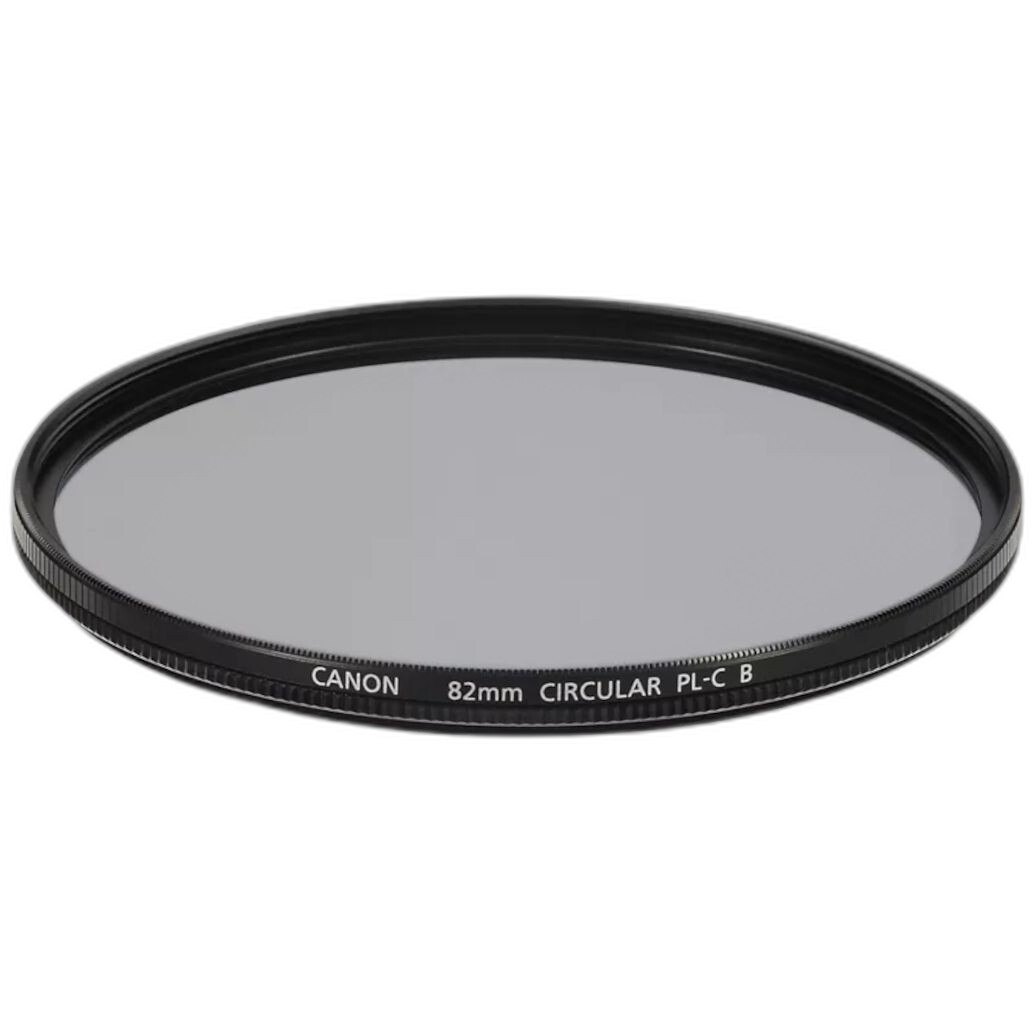
For photographers using larger front elements, a premium option like the Canon 82mm Circular Polarizing Filter is the kind of accessory still worth considering from Unique Photo when image quality and reliable fit matter.
Why polarizing filters are still relevant in the age of editing software
One of the biggest misconceptions is that Lightroom, Capture One, or Photoshop can fully replace a CPL. Editing software can absolutely darken skies, add contrast, and boost saturation. What it cannot truly recreate is the removal of optical glare that prevented the sensor from seeing through reflections in the first place.
For example:
- If you photograph a lake without a polarizer, surface glare may hide rocks or detail below the water.
- If you shoot a forest after rain, leaves may reflect bright highlights that flatten texture and color.
- If you photograph storefronts or cars, reflections can block important detail.
In these cases, editing can enhance what is already there, but it cannot always recover detail hidden by reflections. That is why polarizing filters still have a place in a modern kit.
Best times to use a circular polarizer
If you are wondering when to use a polarizing filter, these are the most practical situations:
Landscape photography
This is where a CPL is most often used. It can enrich skies, improve cloud separation, and reduce glare on rocks, leaves, and water. The effect is often strongest when you are shooting at roughly a 90-degree angle from the sun.
Water photography
Whether you are shooting streams, lakes, waterfalls, or coastal scenes, a polarizer can reduce bright reflections and reveal texture beneath the surface. It is especially effective when combined with careful exposure control.
Fall foliage and forest scenes
Wet leaves and shiny vegetation can create distracting glare. A CPL removes that sheen, making greens, oranges, and reds look richer and more detailed.
Architecture and travel photography
Glass, polished stone, and painted surfaces often create reflections that pull attention away from your subject. A polarizer can help clean up the scene.
Automotive photography
Photographers often use CPLs to manage reflections on car paint and windows. While you may not want to eliminate every reflection, selective reduction can improve body lines and visible interior detail.
When to skip a polarizing filter entirely
Polarizers are useful, but they are not always the right choice. Knowing when not to use a CPL is just as important.
Low-light photography
A polarizer reduces light, typically by around 1.5 to 2 stops. In low light, that can force slower shutter speeds, higher ISO, or wider apertures than you want. For handheld shooting indoors, at dusk, or during events, removing the filter is often the smarter move.
Night photography
There is usually little benefit to using a polarizer at night. You will lose light without gaining much practical reflection control.
Ultra-wide-angle landscapes
On very wide lenses, a polarizer can make the sky look uneven, especially on clear days. You may see a dark patch in one section of the sky because the angle to the sun changes across such a broad field of view. In these cases, many photographers skip the CPL.
Rainbow photography
A polarizer can diminish or remove a rainbow depending on its orientation. If a rainbow is your subject, be careful and test with and without the filter.
When every bit of sharpness and light transmission matters
Any extra glass in front of a lens can potentially affect image quality if the filter is poor quality. Cheap filters may introduce flare, softness, or color cast. If you do not need the polarizing effect, it is fine to leave the filter off.
How to use a polarizing filter correctly
Photographers sometimes buy a CPL, attach it once, and feel underwhelmed. That usually happens because they are not rotating it to match the scene.
Here is how to use one effectively:
- Attach the circular polarizer to the front of your lens.
- Look through the viewfinder or at your LCD/live view.
- Rotate the outer ring of the filter slowly.
- Watch reflections, glare, and sky intensity change in real time.
- Stop when the effect looks natural and supports your subject.
Tips for better results:
- Do not always use maximum polarization; a subtle setting often looks best.
- Be cautious with wide-angle lenses to avoid uneven skies.
- Re-check the filter after recomposing, since the effect changes with angle.
- Keep shutter speed in mind because of the light loss.
How much image quality depends on filter quality?
A lot. If you are investing in a good lens and a high-resolution camera, it makes sense to pair them with a quality filter. Better polarizers generally offer superior coatings, more neutral color, stronger glare reduction, and less impact on sharpness or flare.
This is one reason shoppers browsing Unique Photo often look for trusted filter brands and lens-specific sizing rather than grabbing the cheapest option available. A poor filter can become the weakest link in your optical chain.
What to look for in a high-quality polarizing filter:
- Multi-coated glass to reduce flare and improve contrast
- Slim profile design for wide-angle compatibility
- Smooth rotation for precise adjustment
- Accurate thread sizing for your lens
- Good color neutrality
If your lens takes an 82mm front thread, the Canon 82mm Circular Polarizing Filter is a natural example of a premium accessory worth considering through Unique Photo for compatible Canon users and anyone seeking a reliable CPL in that size.
Are circular polarizers better than linear polarizers for digital cameras?
For most modern cameras, yes. Circular polarizers are the standard choice because they are designed to work properly with autofocus and through-the-lens metering systems. Linear polarizers can interfere with camera functions on many DSLRs and mirrorless bodies.
That is why photographers shopping today should generally search for a CPL filter rather than a linear polarizer unless they have a specific technical reason not to.
Do polarizers make skies look fake?
They can—if overused. A polarizer is most effective when used thoughtfully. Turning the filter to its maximum setting on a bright midday scene can produce an unnaturally dark sky, especially with wide lenses. The best results usually come from moderation.
A good rule is to ask whether the image still looks believable. If the sky pulls attention away from the subject, back the effect off slightly.
Should every photographer own a polarizing filter?
Not necessarily every photographer, but many should. A CPL is especially valuable for:
- Landscape photographers
- Travel photographers
- Nature photographers
- Automotive photographers
- Architectural photographers
It may be less essential for:
- Studio portrait photographers
- Indoor event photographers
- Night photographers
- Low-light documentary shooters
If most of your work happens outdoors in daylight, a polarizer is still one of the most practical lens accessories you can add to your bag.
Can filter systems still make sense for advanced shooters?
Yes. While screw-in CPLs are the most common option, some photographers prefer modular systems when combining multiple accessories or working across different lenses. For example, system components like the LEE Filters LEE85 58mm Lens Ring can be relevant for shooters building out a more flexible filter workflow.
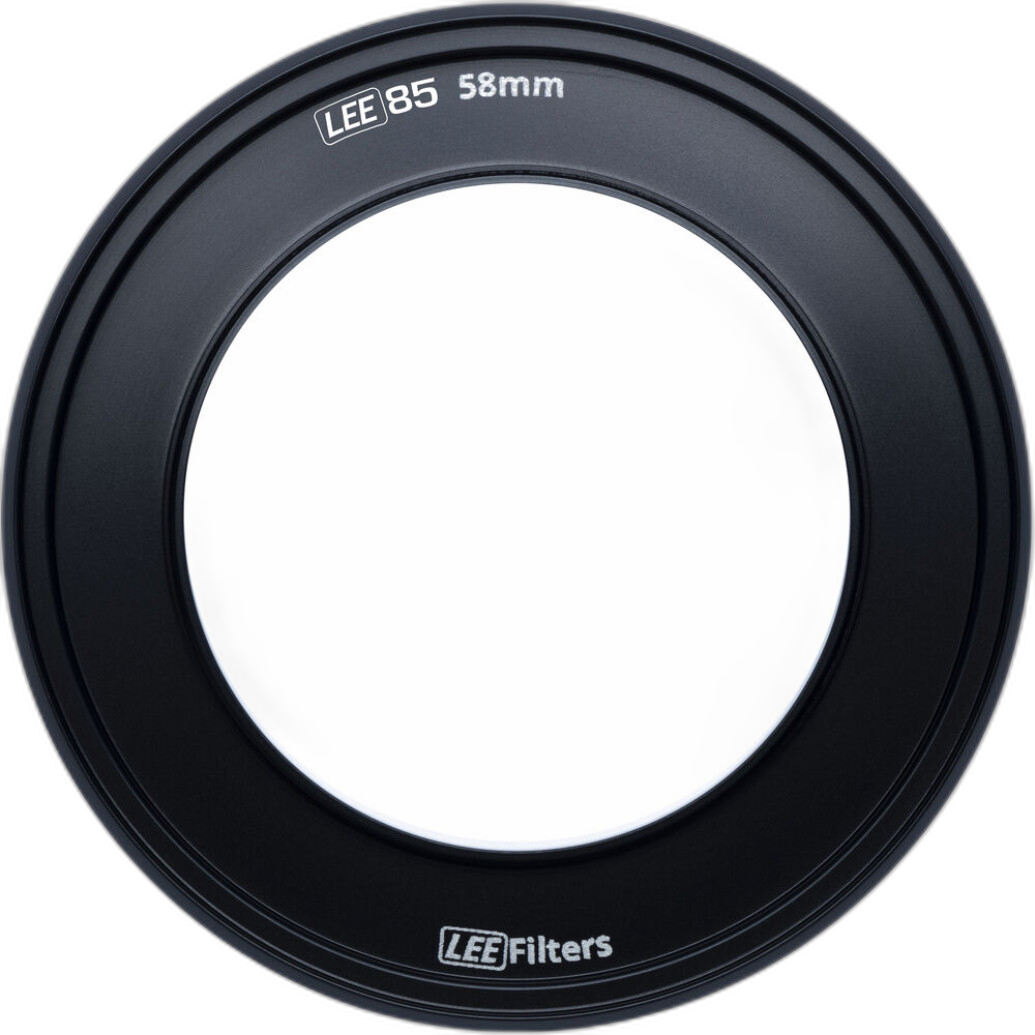
Although not a polarizer itself, this kind of accessory shows how some photographers organize filters across multiple lenses without buying duplicate threaded filters in every size. Unique Photo often serves both casual shooters who want one excellent CPL and advanced users assembling more complete filter kits.
Polarizing filter buying tips before you order
Before purchasing, check these details:
- Lens thread size: Look at the number marked with the ø symbol on your lens, such as 67mm, 77mm, or 82mm.
- Lens type: Wide-angle users may benefit from thinner filter designs.
- Shooting style: Outdoor landscape work justifies spending more on a better CPL.
- Compatibility: If you use multiple lenses, consider step-up rings or a filter system.
If you are building a new outdoor kit, Unique Photo is a smart place to compare filter sizes, lens accessories, and practical add-ons that support long-term gear protection as well.
Final verdict: are polarizing filters still worth it?
Yes—polarizing filters are still absolutely relevant with modern cameras. They are one of the few accessories that can create an optical improvement you cannot fully duplicate in editing. A good circular polarizer can reduce reflections, improve color, and help your files start stronger straight out of the camera.
That said, they are not an always-on accessory. Skip them in low light, use caution with ultra-wide lenses, and avoid cheap filters that compromise the quality of an otherwise excellent lens.
For many photographers shopping at Unique Photo, the best approach is simple: buy one high-quality CPL in the size you actually use most, learn when it helps, and leave it off when it doesn’t.
To continue building your kit, consider exploring related internal content on lens filters, landscape photography accessories, how to choose the right filter size, and essential camera accessories for travel on Unique Photo.