Introduction: Editing as a Competitive Tool, Not a Crutch
When photographers ask whether heavy post-processing belongs in contests, they are really asking a bigger question: what exactly is being judged? In some competitions, extensive retouching, compositing, tonal reshaping, and color manipulation are expected parts of the creative process. In others, even modest cleanup can push an image outside the rules. The smartest approach is not to treat post-processing as universally good or bad, but to evaluate how well it serves the category, the intent of the image, and the standards of the judges.
In that sense, reviewing heavy post-processing is a lot like reviewing camera gear. Different tools encourage different aesthetics. A classic manual lens can invite character and imperfection, while a more modern optic may support cleaner files that tolerate deeper editing. Contest strategy often begins long before the software stage.
If your goal is to compete successfully, the best mindset is this: use as much processing as the image and the rules genuinely support, and no more. Heavy editing can absolutely elevate a contest entry, but it can also make work feel overworked, artificial, or disqualified if the category emphasizes authenticity.
What Heavy Post-Processing Actually Means in a Contest Context
Heavy post-processing usually refers to changes that go beyond baseline corrections such as exposure balancing, white balance adjustment, sharpening, dust removal, and cropping. In contests, the phrase often includes dramatic local adjustments, extensive skin retouching, sky replacement, object removal, compositing, texture overlays, AI-assisted reconstruction, and major color grade transformations.
The question is not whether these tools exist. They do, and many photographers use them well. The question is whether they improve the image in a way that feels appropriate to the category. A fine-art portrait contest may reward stylization. A photojournalism contest may penalize the same file severely.
Key Feature Review: Where Heavy Editing Helps Most
Creative Categories Reward Intentional Stylization
In fine art, conceptual, fashion, and some portrait contests, heavy post-processing can be a legitimate competitive advantage. Judges in these categories often respond to visual cohesion, mood, polish, and authorial voice. If strong editing helps unify the frame and emphasize your concept, it can strengthen the entry rather than weaken it.
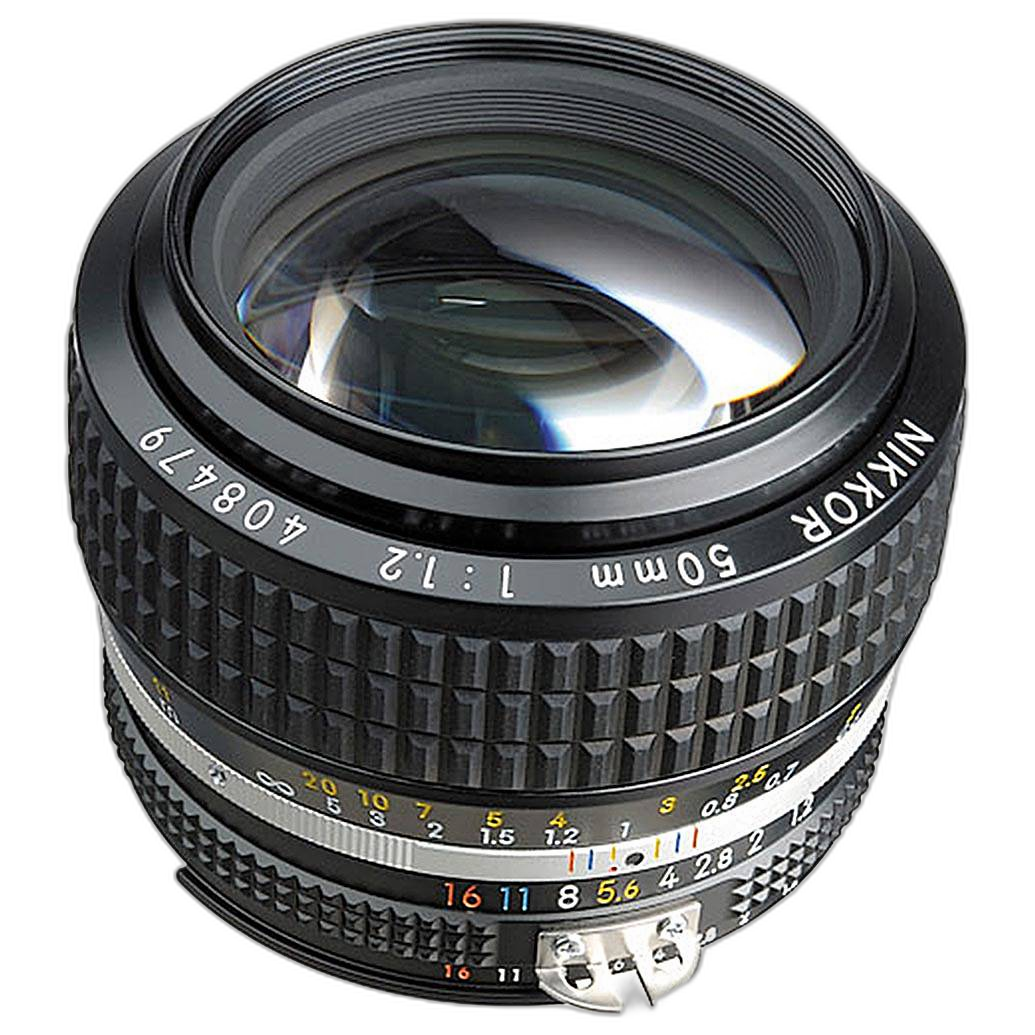
This is where optical character can matter too. A lens with a more distinctive rendering can pair beautifully with a stylized edit because the file already has a visual personality. For example, a fast vintage normal lens like the Nikon 50mm f/1.2 Ai can encourage shallow depth of field and expressive rendering that support a dramatic final grade.
Landscape and Architecture Benefit from Restraint with Precision
Landscape contests often tolerate substantial tonal shaping, but viewers and judges still expect a believable relationship between light, detail, and atmosphere. Pushing contrast, clarity, dehaze, or saturation too far can quickly make an image look synthetic. In architecture, overcorrection can flatten depth or create unnatural edges.
A high-quality optic with strong native contrast can reduce the temptation to over-edit. Medium format glass, for instance, often gives photographers files with enough separation and composure that they can process with a lighter touch.
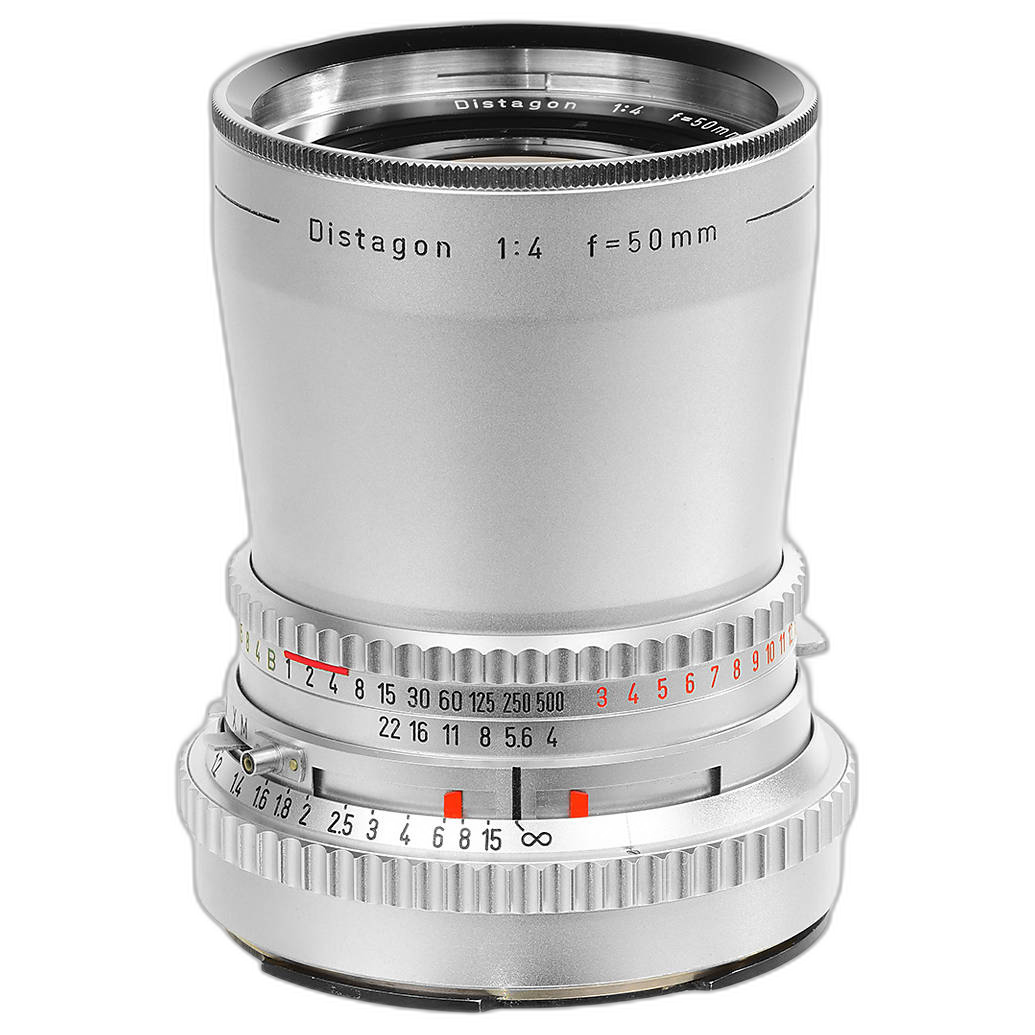
The Used Hasselblad 50MM F/4 CF T* - Excellent is a good reminder that strong source material often makes restrained editing more convincing. In contests where realism matters, that can be a major advantage.
Documentary and Journalism Demand Rule-First Editing
If you are entering editorial, street documentary, or journalism-oriented competitions, heavy post-processing is usually the fastest way to damage credibility. Even if an altered image is visually stronger, it may violate the spirit or the written rules of the contest. In these categories, subtle tonal cleanup is often acceptable, but content alteration is not.
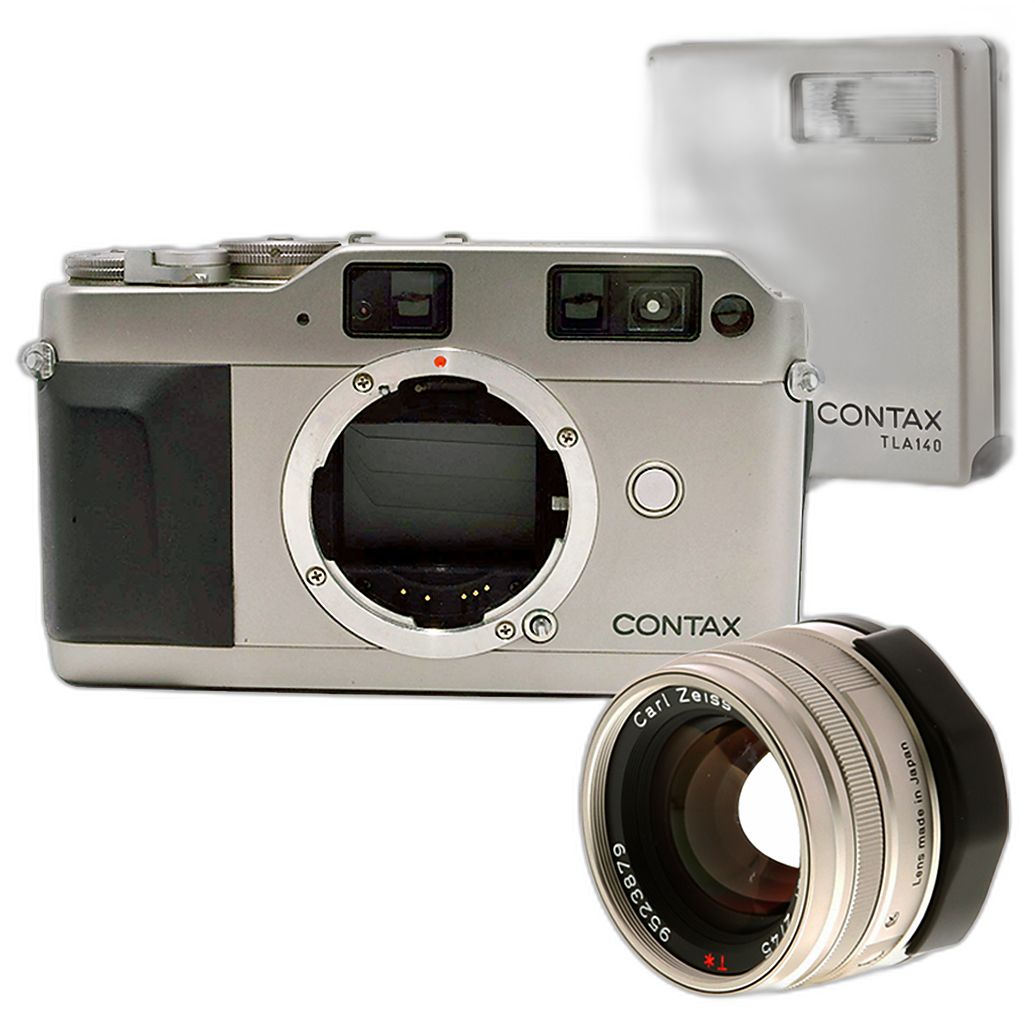
Film-oriented shooting can also influence how photographers think about honesty in the frame. A camera like the Used Contax G1 w/ 45mm f/2 and TLA140 Flash - Good represents a photographic approach built around seeing and capturing rather than endlessly repairing later. That ethos still resonates with many contest judges.
Key Feature Review: Why Heavy Editing Fails So Often
It Can Erase the Original Strength of the Photograph
The biggest problem with aggressive processing is that it can substitute software effort for photographic clarity. A weak composition rarely becomes a strong contest image just because the sky is more dramatic and the colors are more intense. Judges usually recognize when editing is compensating for a frame that was never fully resolved in camera.
Artifacts and Overprocessing Are Easy to Spot
Halos around contrast edges, muddy skin tones, clipped highlights, crushed shadows, fake HDR texture, and inconsistent color relationships are common signs of over-editing. These issues become even more obvious in contests because judges review large numbers of images back to back. Work that feels forced tends to stand out for the wrong reasons.
It Can Make Your Work Look Like Everyone Else’s
Ironically, heavy editing can reduce originality when photographers rely on the same presets, cinematic teal-orange grades, or hyper-detailed workflows. A contest image should feel like your voice, not just a recognizable editing trend. Sometimes the most memorable entries are the ones that show discipline rather than maximalism.
Gear Perspective: Better Capture Often Means Less Desperate Editing
One of the best arguments against excessive post-processing is that good capture choices reduce the need for rescue work. Lens selection influences sharpness, flare behavior, contrast, color response, and subject separation, all of which affect how far a file can be pushed gracefully.
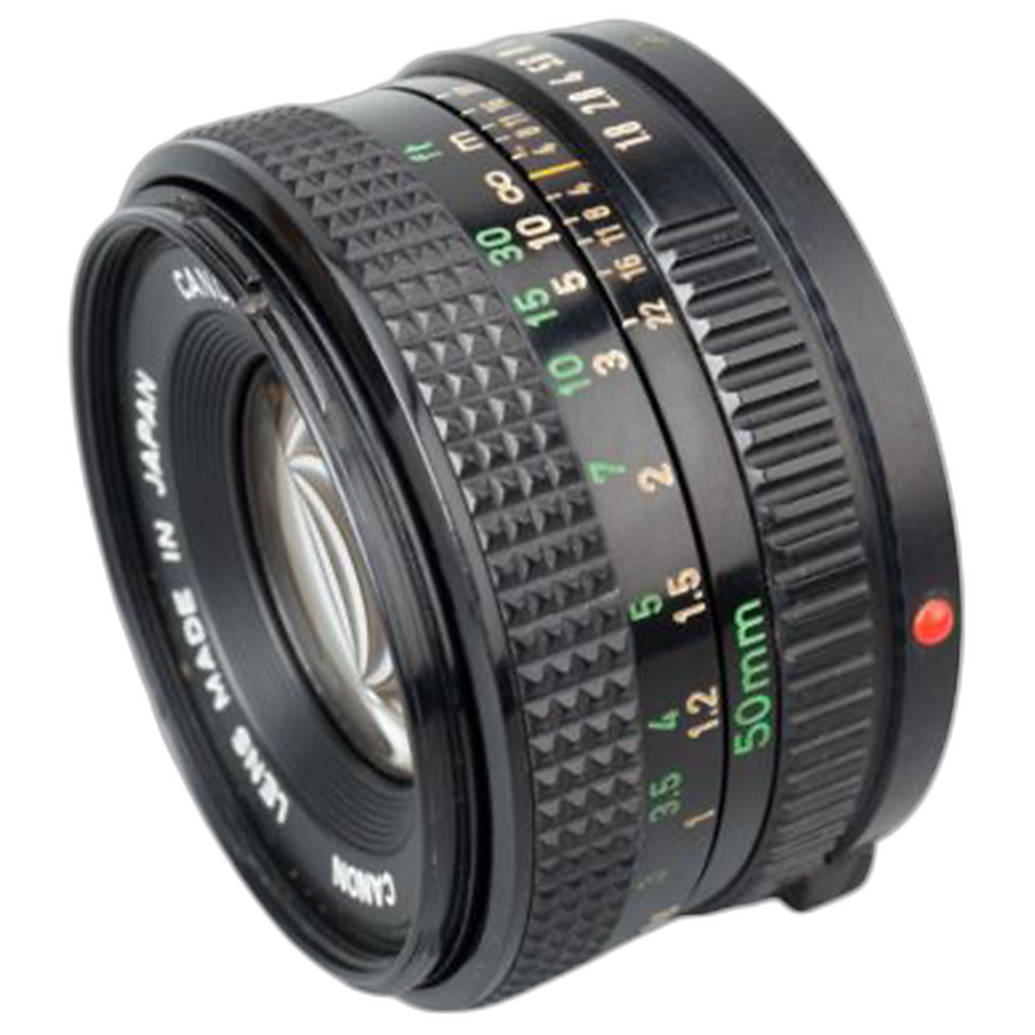
The Used Canon FD 50mm f/1.8 Lens - Good is a simple example of a classic normal lens that can encourage thoughtful framing and natural rendering. Contest photographers often benefit from this kind of straightforward optical approach because it prioritizes subject and light over later manipulation.
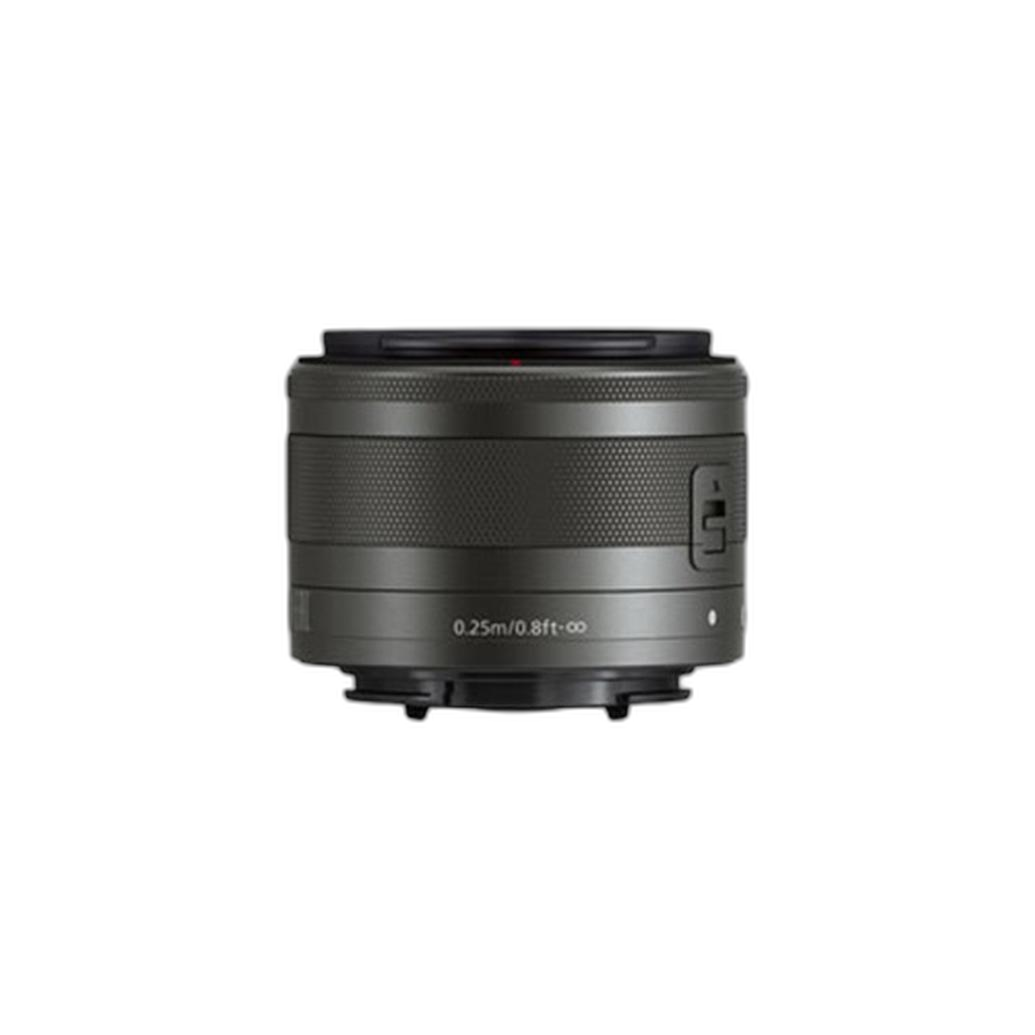
Likewise, a compact modern zoom such as the Used Canon EF-M 15-45mm f/3.5-6.3 IS STM - Good may not sound glamorous, but versatile focal coverage and image stabilization can help you get the shot cleanly in the first place. In a contest setting, a well-seen image with modest editing often beats a mediocre image with heroic processing.
Pros and Cons of Heavy Post-Processing for Contests
Pros
- Can strengthen mood, style, and visual impact in creative categories
- Helps unify color, tone, and emphasis across complex scenes
- Allows photographers to fully realize conceptual or fine-art intent
- Can correct technical limitations from difficult shooting conditions
- May help an image stand out when the contest rewards artistic interpretation
Cons
- Can violate contest rules, especially in documentary and editorial categories
- Often introduces visible artifacts or unnatural rendering
- May make images feel generic if based on trend-driven presets
- Can mask weak composition rather than improve it
- Risks reducing trust with judges if the image appears manipulated beyond disclosure
Practical Recommendation: Match the Edit to the Category
If the contest is fine art, portrait illustration, or conceptual work, heavy post-processing can be absolutely appropriate if it is controlled, cohesive, and clearly in service of the image. If the contest emphasizes reality, culture, wildlife ethics, or journalism, restraint is usually the better strategy. Read the rules carefully, disclose your process when required, and assume judges will notice both technical excellence and overreach.
A useful rule of thumb is this: if the first thing a judge notices is the editing, you may have gone too far. The strongest contest images use post-processing to direct attention to the subject, not to the software.
Verdict
So, should you use heavy post-processing in contests? Yes, but only when the category, rules, and artistic intent support it. Heavy editing is not inherently a sign of stronger work. It is simply one tool, and like any tool, its value depends on judgment. In many cases, photographers gain more by starting with stronger optics, cleaner capture technique, and a clearer concept than by pushing files to extremes afterward.
If you are building a contest-ready kit or looking for used cameras and lenses that can help you create stronger source images with less corrective editing, Unique Photo is an excellent place to buy. Their used selection offers distinctive tools for photographers who care as much about image-making at capture as they do in post.