Contest Photo Releases FAQ: Model, Property, and Permission Basics
Entering a portrait, street, travel, or environmental image into a photo contest can be exciting, but the paperwork behind the image matters almost as much as the image itself. At Unique Photo, we regularly remind photographers that contest rules, usage rights, and release requirements can vary widely, so understanding the basics before you submit can help you avoid disqualification or a pulled entry.
Below is a practical FAQ covering model releases, property releases, recognizable places, and the kinds of permission issues that often come up with people-focused and location-based contest photography.
Do I always need a model release to submit a photo of a person to a contest?
No. A model release is not automatically required for every contest submission, but many contests do require one depending on how the image will be used. If the contest organizer may publish, license, promote, or advertise with your image beyond simple judging, they may ask for a signed release from any recognizable person in the frame. Editorial-style contests may be more flexible, while commercial, branded, or sponsor-driven contests are often stricter.
The safest approach is to read the official rules carefully. Look for language about commercial use, promotional use, marketing rights, or the organizer's right to use your image in advertising. If a person is clearly identifiable and the contest reserves broad usage rights, having a model release ready is a smart move even if it is not explicitly required upfront.
What counts as a recognizable person in a contest photo?
A person does not need to be looking directly at the camera to be recognizable. Facial features, tattoos, distinctive clothing, unique hairstyles, or even context can make someone identifiable. Contest organizers usually think in practical terms: if the subject, their family, coworkers, or community could reasonably identify them, a release may be advisable.
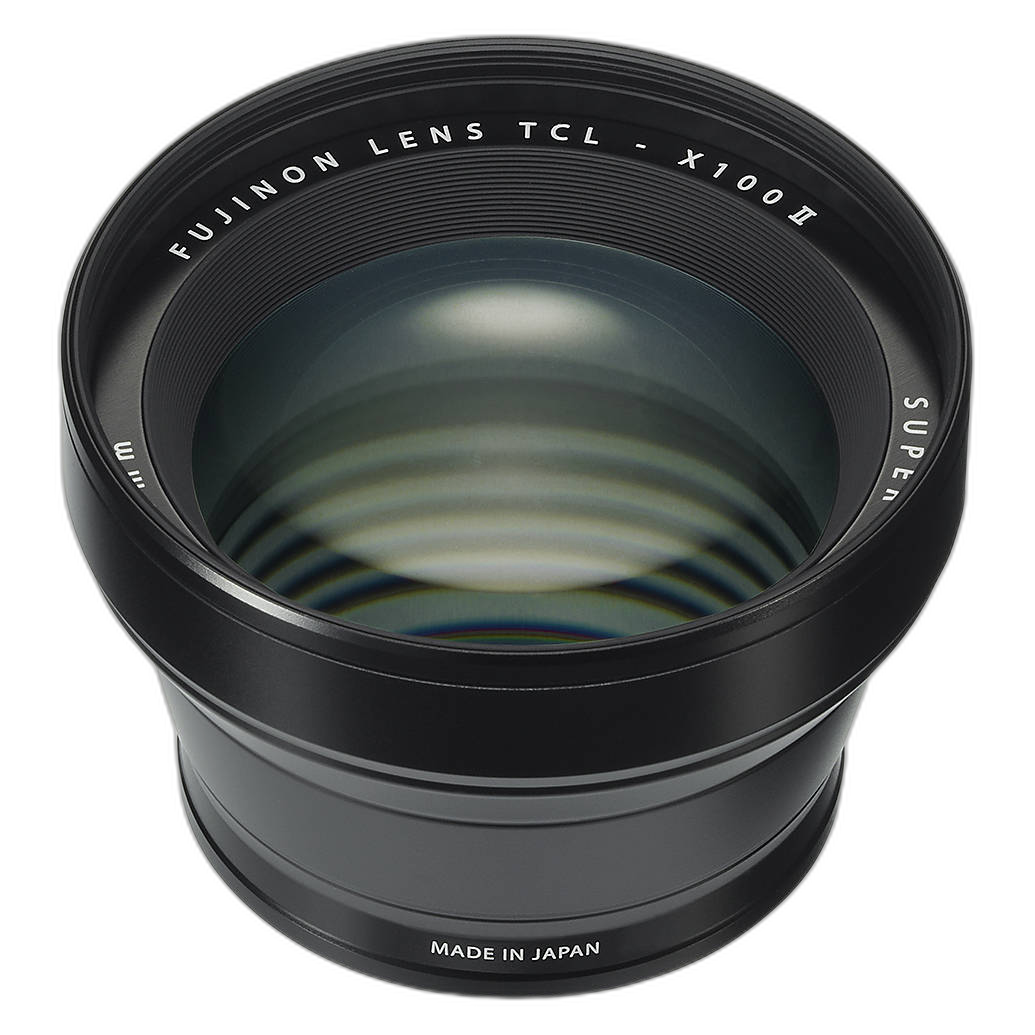
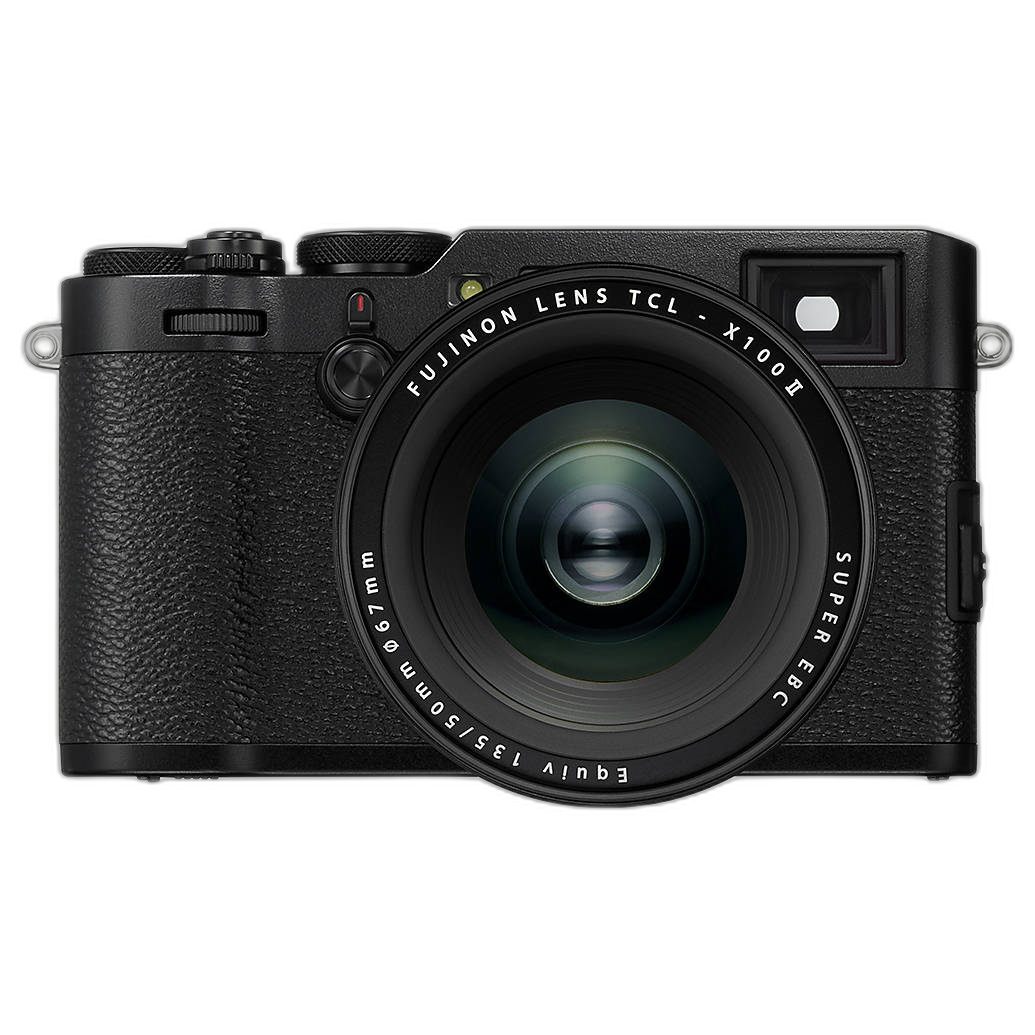
This matters especially with tighter compositions. For example, photographers using a longer field of view for flattering portraits or compressed candid scenes may isolate features more clearly. A tool like the Fujifilm TCL-X100 II Tele Conversion Lens for X100F, X100V, and X100VI can help create that tighter framing on X100-series cameras, which is great creatively, but it can also make identification more obvious in a submitted image.
When in doubt, assume that a well-framed portrait or close candid of a person may require permission if contest terms call for releases.
Do I need a property release for recognizable locations or buildings?
Usually not for every building or location, but sometimes yes. Publicly visible architecture, streetscapes, and many outdoor scenes can often be photographed without a property release. However, privately owned interiors, trademark-heavy venues, museums, event spaces, and distinctive commercial properties may have their own restrictions. Some contests specifically ask entrants to confirm they have permission for any private property shown in the image.
The key distinction is often whether the image is purely documentary/editorial in nature or whether the contest sponsor intends to use it in promotional materials. A contest can legally set stricter standards than everyday photography practice, so even if photographing the location was allowed, submitting it for a contest may still trigger a release requirement under the contest rules.
What kinds of contest rules should I read before submitting?
Pay close attention to sections covering eligibility, rights granted, releases, indemnification, and disqualification. You want to know:
Whether recognizable people require model releases; whether private property requires written permission; whether the organizer can use your image for advertising or sponsorship promotion; whether AI alteration, compositing, or editorial context affects eligibility; and whether you can be asked to produce documentation after winning or placing.
Some contests do not ask for paperwork at the upload stage but reserve the right to request it later. That means a strong image can advance through judging, then be removed if you cannot produce the needed permission documents. Good organization is part of a professional workflow.
Can a contest pull my image later if I do not have proper permissions?
Yes. This is one of the most common risks photographers overlook. A contest may accept your upload initially, shortlist it, and then request releases before publication, exhibition, or prize distribution. If you cannot provide what the rules require, the organizer may remove the image, revoke an award, or choose another winner.
That is why we recommend treating release collection as part of the shoot, not as an afterthought. If you photograph portraits, travel portraits, styled shoots, or environmental people images specifically for competition, gather the paperwork while everyone is still available. It is much easier than trying to track down signatures later.
How do I handle street photography and candid people images for contests?
Street photography sits in a gray area because local law, public-space norms, and contest terms are not always aligned. In many places, making the photograph may be lawful in public, but entering that image into a contest that includes promotional use may still require a release if the person is recognizable. The legal ability to capture the image does not automatically guarantee eligibility under private contest rules.
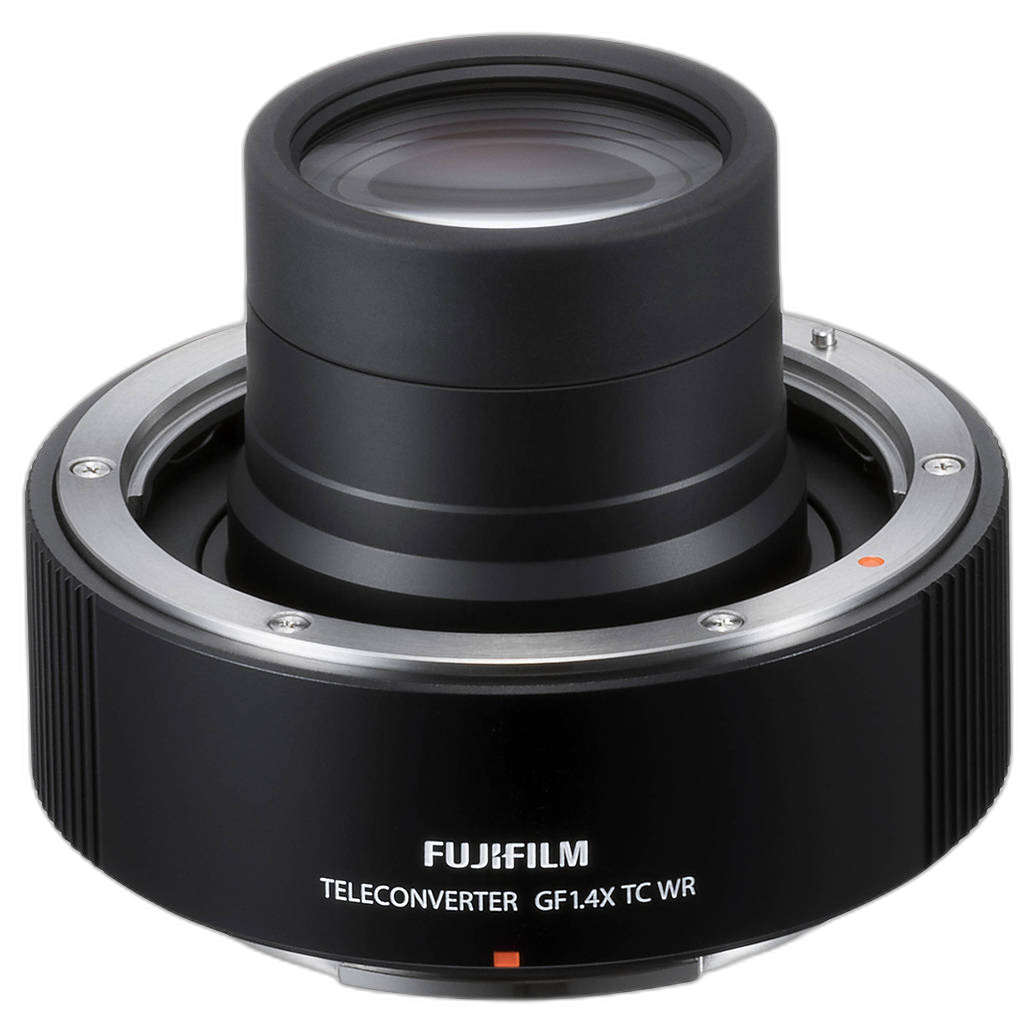
If you enjoy candid work, consider contests specifically geared toward documentary or editorial storytelling, where release expectations may be different. Also think carefully about composition. Longer focal lengths can help you work respectfully from a comfortable distance, but they can also isolate subjects more distinctly. Medium format wildlife or environmental portrait shooters using gear like the Fujifilm GF 1.4X TC WR Teleconverter for G-Mount lenses may appreciate the added reach for storytelling, but should remember that cleaner isolation can make individuals or private details easier to identify.
Whenever contest rules are strict, candid does not automatically mean exempt.
What if the photo was made on private property, at a venue, or during an event?
That is where you should be especially careful. Event tickets, venue policies, production agreements, and posted rules can limit how images are used, especially in contests tied to publication or commercial promotion. A concert hall, gallery, hotel, theater, or private estate may allow photography for personal use but prohibit submissions for promotional or commercial contexts without permission.
If the venue, artwork, or decor is a major subject of the frame, the organizer may ask for evidence that you had the right to create and submit the image. This is particularly relevant for styled shoots, wedding venues, workshops, and corporate events, where multiple parties may control rights.
Should I avoid entering images with people if I do not have releases?
Not necessarily. Instead, match your images to the right contests. Some competitions are clearly editorial, journalistic, or fine-art oriented and may not require releases in the same way a brand-sponsored promotional contest would. Others are built around advertising partnerships and are far more demanding about paperwork.
If you know you want to compete often, it is worth building a clean, release-friendly portfolio. Planned portraits, environmental sessions, and collaborative creative shoots make this easier. Cinema-oriented shooters creating highly controlled narrative work can benefit from purpose-built optics like the Irix Cine 150mm T3.0 line for mounts including Canon EF, Sony E, Nikon Z, Fuji X, L-Mount, and MFT, since those productions often involve a more formal permission workflow from the start.
Even though image URLs were not provided for the Irix lenses here, they are relevant examples of gear often used in productions where releases, location agreements, and talent paperwork are standard practice.
What is the safest workflow for contest-ready portrait and location photography?
Start by planning ahead. Before the shoot, identify whether people, private property, logos, artwork, or restricted venues will appear in the frame. During the shoot, collect signed releases whenever needed. After the shoot, store releases alongside your RAW files, edits, and submission notes so you can quickly respond if a contest requests documentation.
It also helps to keep your gear setup aligned with your intent. A compact fixed-lens camera paired with the Fujifilm TCL-X100 II Tele Conversion Lens can be an excellent choice for polished portraiture and travel storytelling, while GFX users may appreciate the extra reach of the GF 1.4X TC WR Teleconverter when isolating a subject in a scene. Just remember: the more clearly a person or private detail is rendered, the more important permissions can become.
Is this legal advice?
No. This FAQ is general educational guidance from Unique Photo and should not be treated as legal advice. Contest terms, privacy rights, publicity rights, and property restrictions vary by jurisdiction and by organizer. If you are entering a high-profile competition, working internationally, or dealing with sensitive subjects, it is wise to consult an attorney or qualified rights specialist.
The good news is that a little preparation goes a long way. Understanding release requirements, reading contest rules thoroughly, and organizing your permissions can protect both your image and your reputation as a photographer.
If you are building a contest-ready kit for portraits, travel, documentary work, or controlled productions, Unique Photo can help you choose the right lenses and accessories for the job. Explore Fujifilm accessories and other specialized imaging gear at Unique Photo, and make sure your next submission is both creatively strong and properly prepared.