Introduction: Choosing the Right Interview Mic Setup in the Field
For on-location interviews, the best microphone is rarely just about sound quality alone. Real-world production demands a balance of intelligibility, speed, mobility, visibility, and reliability. A sit-down interview in a controlled indoor space calls for a very different solution than a fast-moving street interview, a documentary-style two-person conversation, or a mobile-journalism setup built around a smartphone.
In this comparison, we’re looking at several distinct tools available at Unique Photo, each suited to a different style of field production: the Rode NTG5 Moisture Resistant Shotgun Microphone Location Recording Kit for professional boom-based capture, the Shure MOTIV MVL and Hollyland LARK M2S Combo for discreet personal miking, the Shure MoveMic Two for streamlined two-person wireless interviews, and a few less obvious options like the Rode NT5, Shure SM7dB, and Tascam TM-90BM that are excellent microphones in the right context, but more specialized for interview production.
The short version: if your priority is the most natural off-camera dialogue capture, shotgun remains king; if your priority is consistency and speed, wireless lav systems dominate; and if your workflow revolves around phones or compact creator rigs, app-friendly and cable-light systems make the most sense.
Best Professional Boom Option: Rode NTG5 Location Recording Kit
Why it stands out for interviews
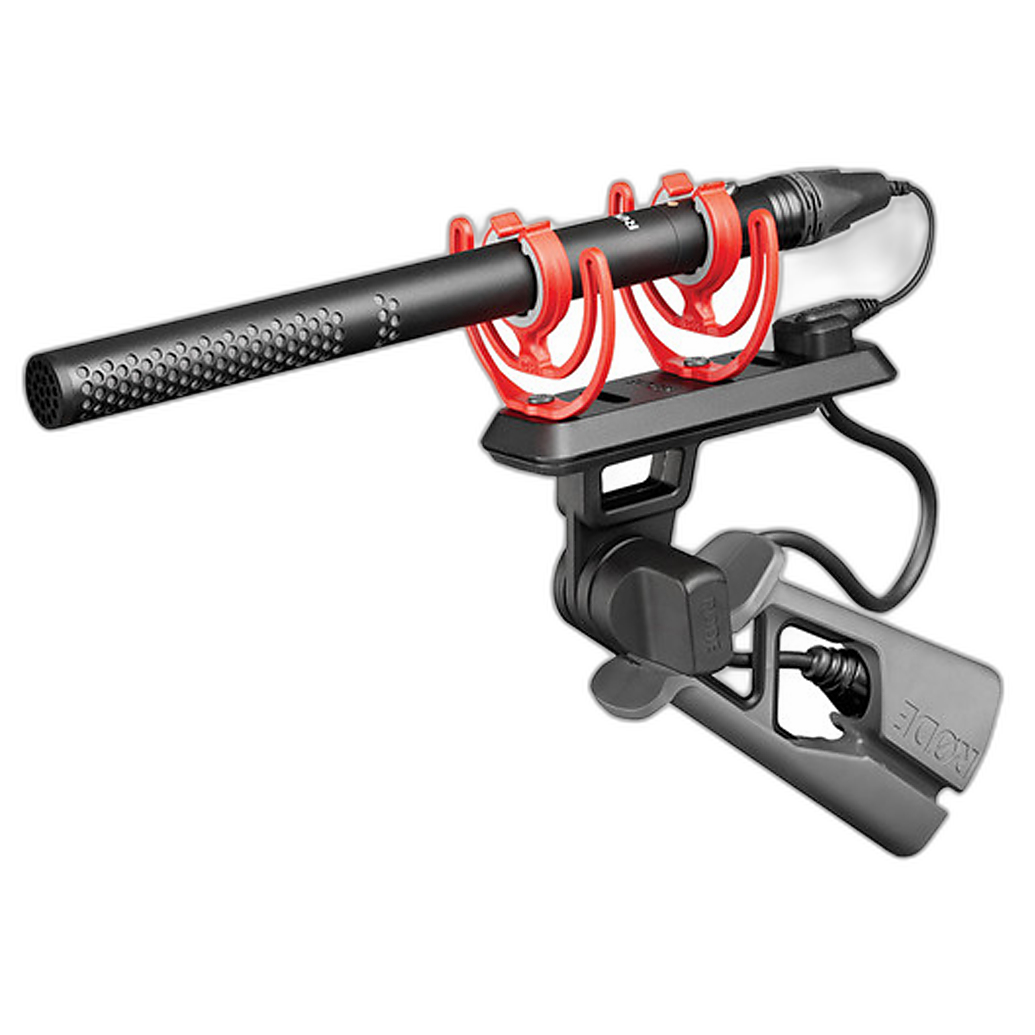
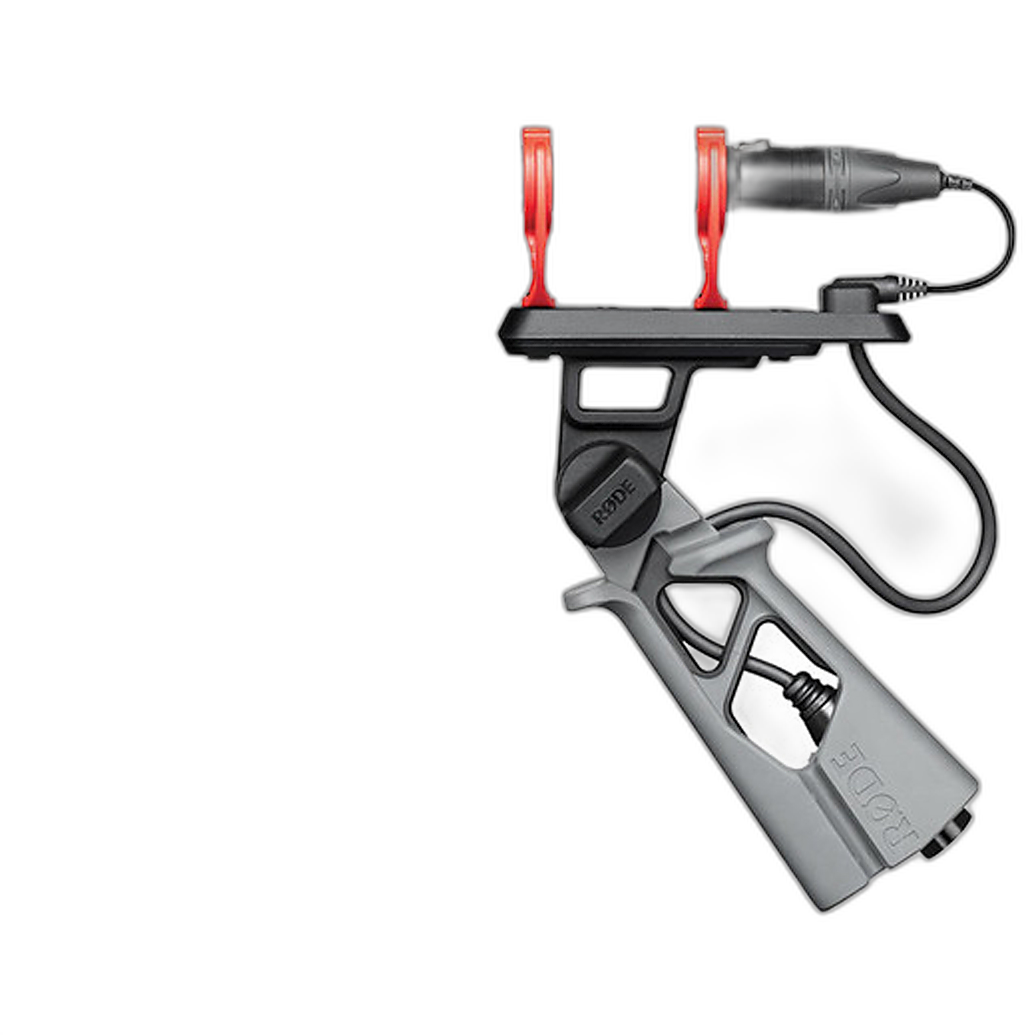
The Rode NTG5 Moisture Resistant Shotgun Microphone Location Recording Kit is the most production-oriented option in this group for serious on-location interviewing. A shotgun mic like the NTG5 is ideal when you want dialogue to sound open and natural without placing a visible microphone on your subject’s clothing. For documentary crews, ENG teams, and filmmakers recording sit-down interviews outdoors or in lightly controlled interiors, this is a highly compelling setup.
The key advantage of the NTG5 approach is placement flexibility. Mounted on a boom just out of frame, it can capture speech clearly while preserving a polished visual presentation. The included location recording kit positioning also makes it a stronger value for shooters who need a field-ready package rather than a bare microphone.
What to expect in real use
In practice, the NTG5 is the kind of microphone you choose when audio is a priority and you have at least a minimal crew workflow. It excels when a boom operator can maintain proper distance, or when the mic can be placed overhead on a stand for seated interviews. Its moisture resistance is especially relevant for unpredictable outdoor environments, where damp air and changing weather can undermine less location-focused designs.
The main limitation is that shotgun performance depends heavily on placement. It is not a “point it from anywhere and forget it” solution. In noisy, reflective interiors, lavaliers can sometimes produce more consistent dialogue. But when used correctly, this setup delivers the most cinematic and least intrusive interview sound of the group.
Pros
- Professional-grade solution for documentary and field interview work
- Natural, off-camera sound when boomed properly
- Moisture-resistant design is well suited to outdoor production
- Location kit format adds practical field value
- Keeps microphones out of the frame and off talent wardrobe
Cons
- Requires more setup skill than clip-on wireless systems
- Best results depend on careful placement
- Less convenient for one-person run-and-gun interviews
Best Budget Smartphone Lavalier: Shure MOTIV MVL
Simple, wired, and effective
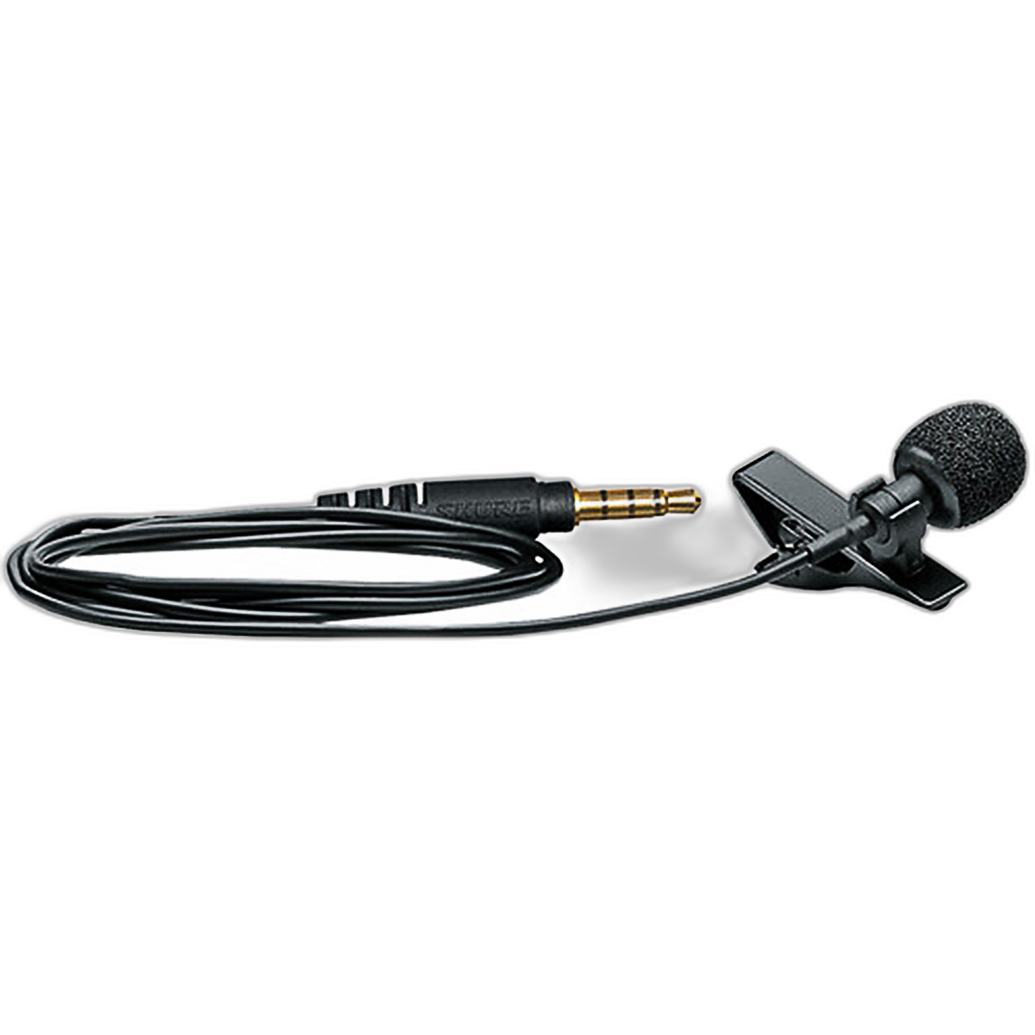
The Shure MOTIV MVL Omnidirectional Lavalier Microphone for Smartphones is the straightforward pick for creators who want a low-profile interview microphone without stepping into a full wireless ecosystem. For journalists, educators, social creators, and anyone recording to a phone, the MVL offers an easy path to cleaner dialogue than a built-in handset mic.
Its omnidirectional lav design means placement is forgiving compared to some directional alternatives. For quick interviews, that matters. You clip it on, monitor if possible, and move on. The setup is lightweight, discreet, and highly approachable for newer users.
Best use case
This is best for single-subject interviews where cost, portability, and minimal gear matter more than maximum flexibility. It is especially attractive for mobile-first shooters capturing testimonials, walk-and-talk segments, or seated interviews in relatively controlled spaces.
The tradeoff is obvious: it is wired and designed around smartphone-oriented convenience, so it lacks the freedom and scalability of a wireless two-person system. But for solo content and budget-conscious field recording, it remains a smart, practical tool.
Pros
- Affordable and easy to use
- Compact, discreet lavalier format
- Good match for smartphone interview workflows
- Omnidirectional pickup helps with practical placement
Cons
- Wired setup limits mobility
- Better for one-person capture than two-person interviews
- Not as flexible as modern wireless systems
Best Compact Wireless Option: Hollyland LARK M2S Combo
A strong all-around creator interview system
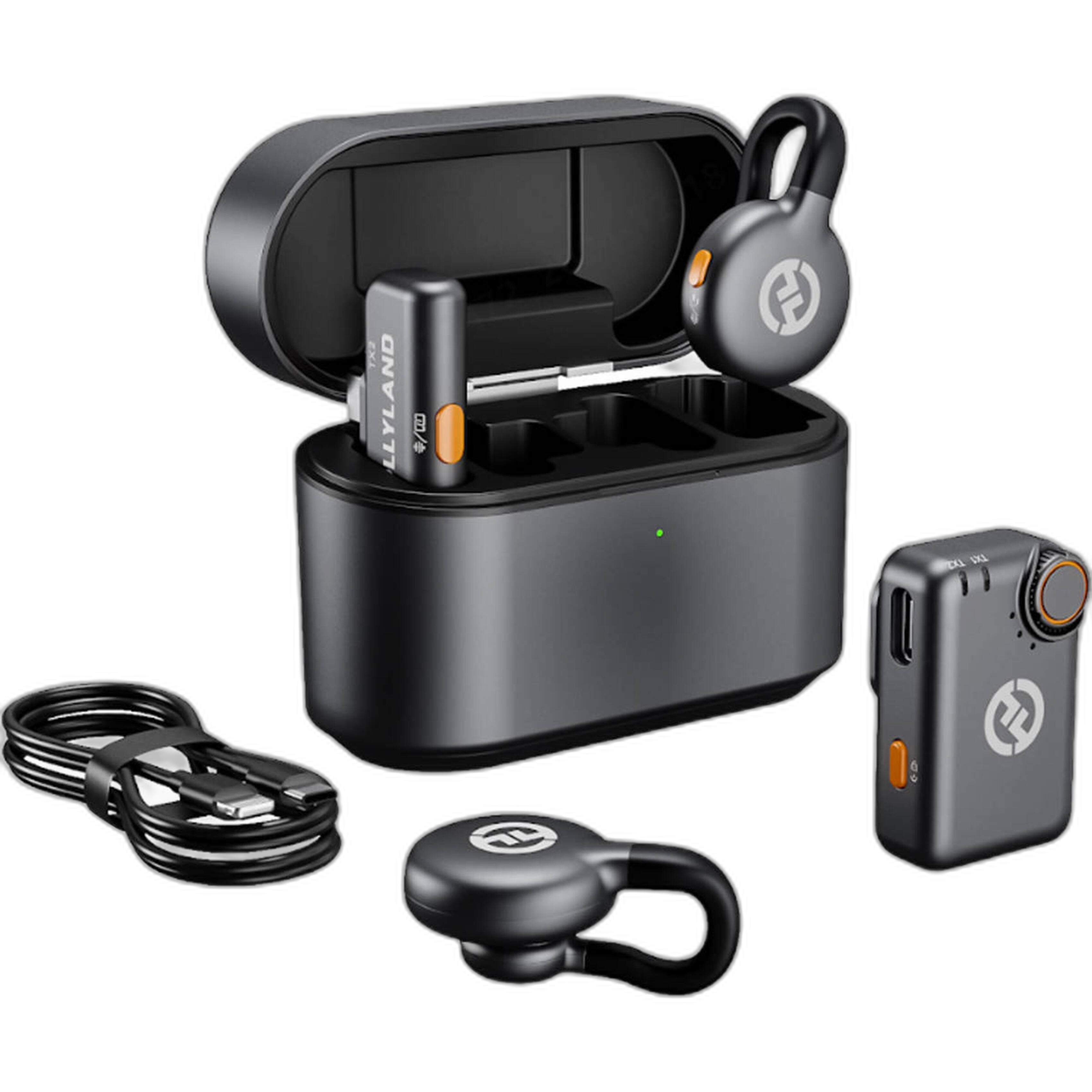
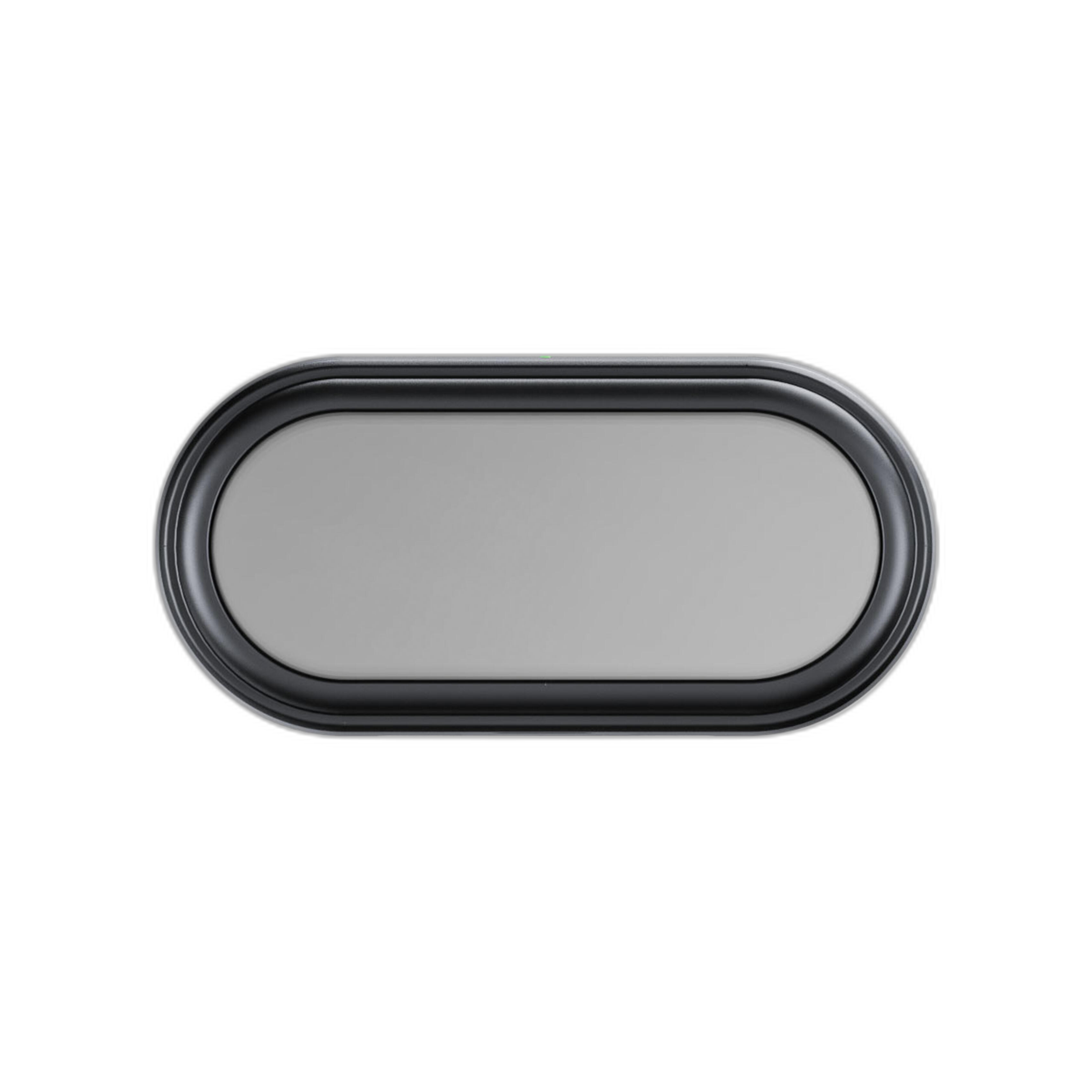
The Hollyland LARK M2S Combo Wireless Microphone is one of the most compelling options here for hybrid creators who move between cameras, phones, and fast-turnaround productions. For on-location interviews, this style of compact wireless system is often the sweet spot between professional convenience and creator-friendly simplicity.
What makes the LARK M2S especially attractive is its low-profile wireless design combined with combo-oriented versatility. If your interview schedule includes social content one day, corporate talking heads the next, and a handheld camera or smartphone workflow after that, this type of system fits modern production habits very well.
Performance in the field
Wireless lav systems shine when you need reliable subject-to-subject consistency. Because the microphone is attached directly to the speaker, dialogue level remains much steadier when people turn their heads, lean back, or shift position. That makes systems like the LARK M2S particularly good for casual interviews, event coverage, and two-camera creator productions with minimal crew.
Compared to a boomed shotgun, the sound can be a little more “close-mic’d,” but the gain in speed and operational simplicity is significant. For many content producers, that tradeoff is worth it.
Pros
- Excellent mobility for on-location interviews
- Well suited to creators using phones and cameras
- Compact, modern wireless form factor
- Faster deployment than a traditional boom setup
Cons
- Visible body-worn microphones may not suit every production style
- Wireless workflows require battery management
- Less natural-sounding than a well-positioned shotgun in some situations
Best for Two-Person Mobile Interviews: Shure MoveMic Two
Purpose-built convenience for dual-subject recording
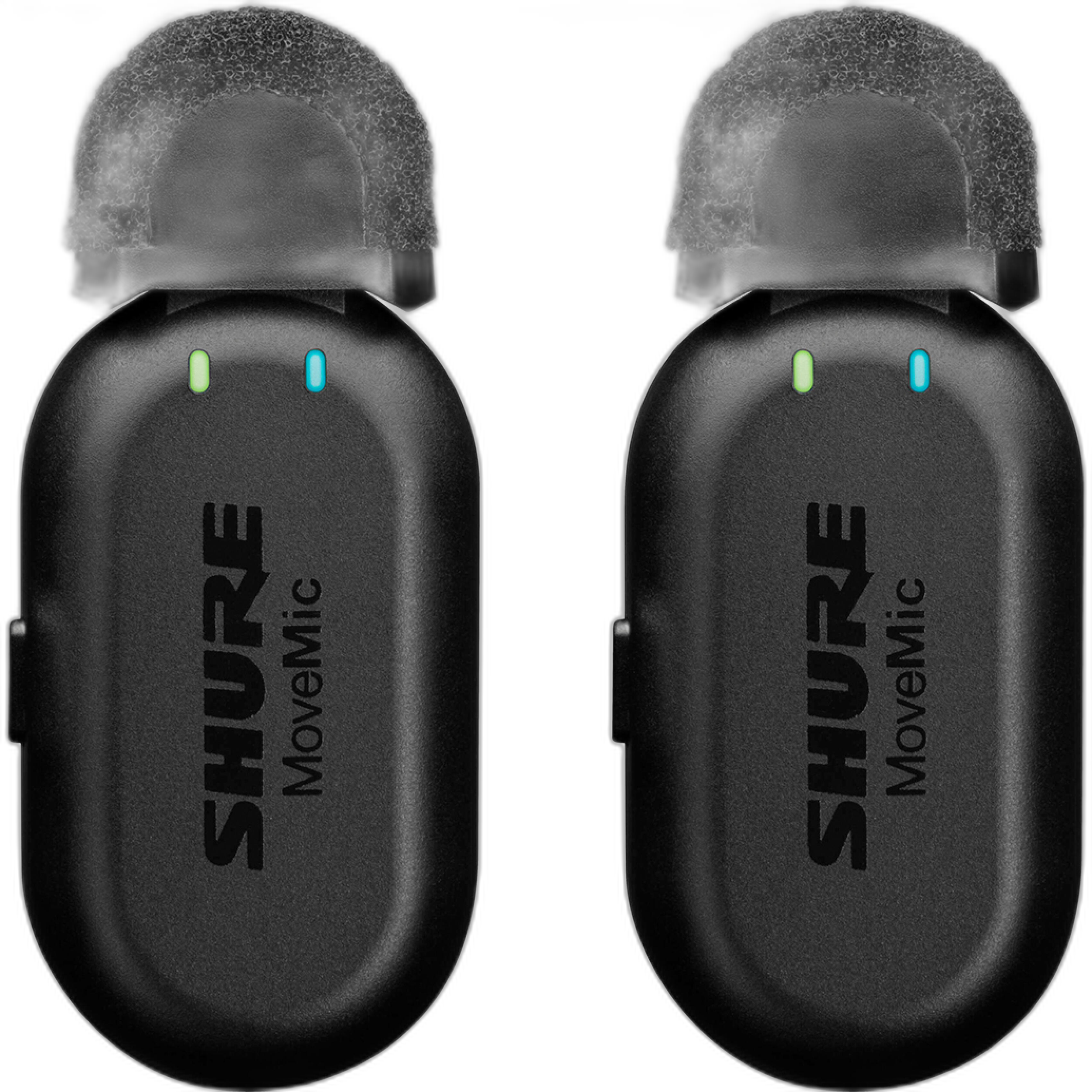
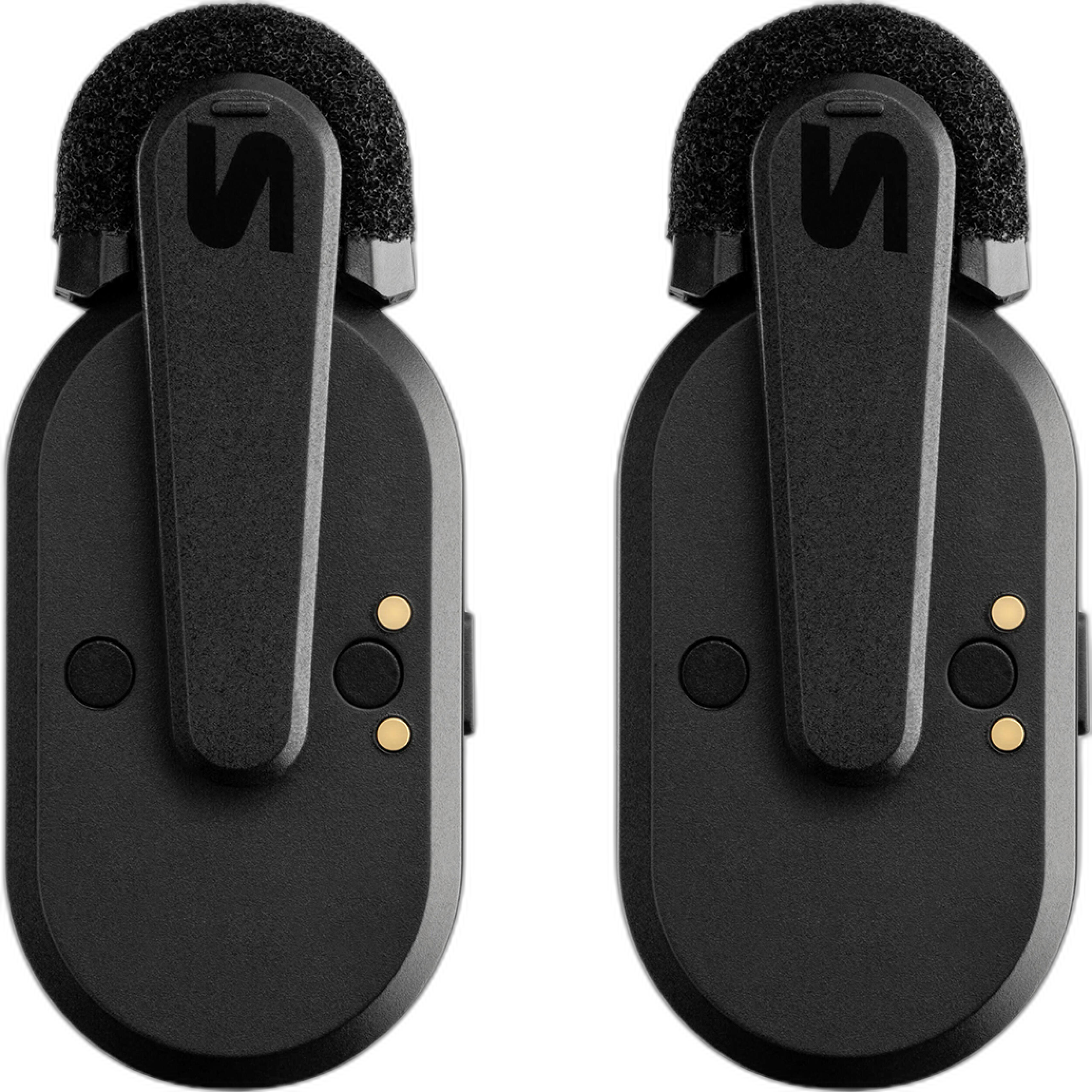
The Shure MoveMic Two 2-Person Wireless Lavalier Microphones for Mobile Phones is arguably the most directly aligned product here for modern on-location interviews involving a host and guest. If your work centers on two-person conversation, podcast-style field interviews, or mobile journalism, this system makes a lot of sense.
The biggest strength is right in the name: a dedicated two-person wireless lav setup tailored for mobile workflows. That immediately removes much of the friction involved in building out a dual-subject interview rig. Instead of piecing together separate transmitters, adapters, and compatibility solutions, you’re starting with a system designed around exactly this use case.
Who should choose it
This is a standout choice for interviewers who prioritize efficiency, especially those working with phones or highly portable rigs. It is also a strong option for solo operators because lav-based wireless systems reduce the placement sensitivity and operator dependence associated with shotgun microphones.
Shure’s reputation in speech-focused audio adds confidence here. For creators who want a cleaner, more scalable alternative to a single wired lav, the MoveMic Two is one of the most logical interview tools in this roundup.
Pros
- Excellent fit for two-person interviews
- Mobile-friendly wireless design
- Great for solo operators and fast setups
- More interview-specific than single-mic solutions
Cons
- Less invisible than a fully off-camera boom rig
- Battery and connection management still matter in the field
- May be overkill for simple one-person talking-head use
Specialized Alternatives: Good Microphones, Narrower Interview Roles
Rode NT5 Cardioid Studio Condenser Microphone
The Rode NT5 is a respected small-diaphragm condenser, but for on-location interviews it is more of a niche choice than a first recommendation. It can work well for controlled seated interviews, room capture, or instrument and ambience recording around a documentary production. However, it is not as optimized for field dialogue isolation as the Rode NTG5, nor as convenient as a lav for quick subject capture.
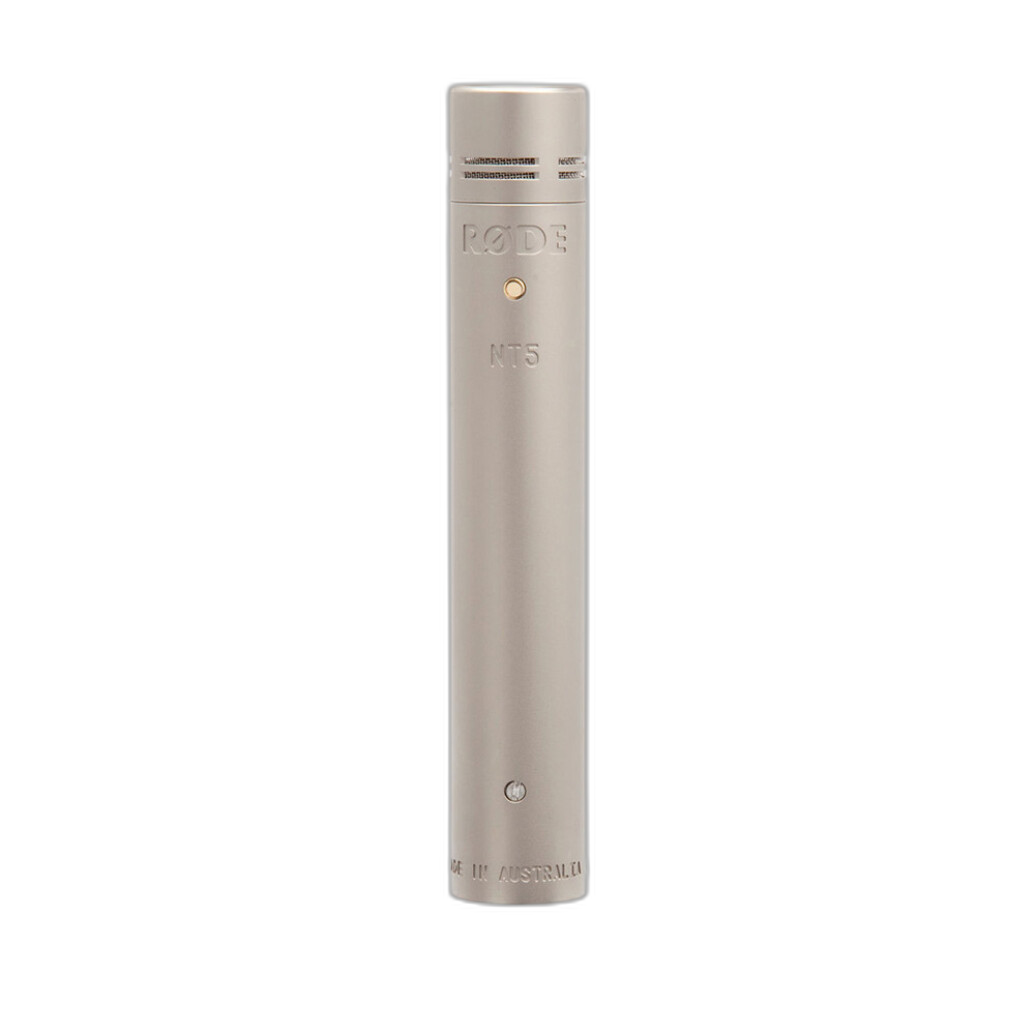
- Best for: controlled indoor interviews, plant-mic experiments, music and ambience crossover use
- Less ideal for: noisy locations, mobile crews, fast interview turnover
Shure SM7dB Vocal Microphone with Built-In Preamp
The Shure SM7dB is an outstanding broadcast-style microphone, but it is fundamentally better suited to studio desks, podcast sets, and controlled production spaces than true on-location interviews. The built-in preamp is a major plus in many setups, but the microphone’s form factor and intended use make it less practical in the field unless you’re building a portable sit-down podcast environment.
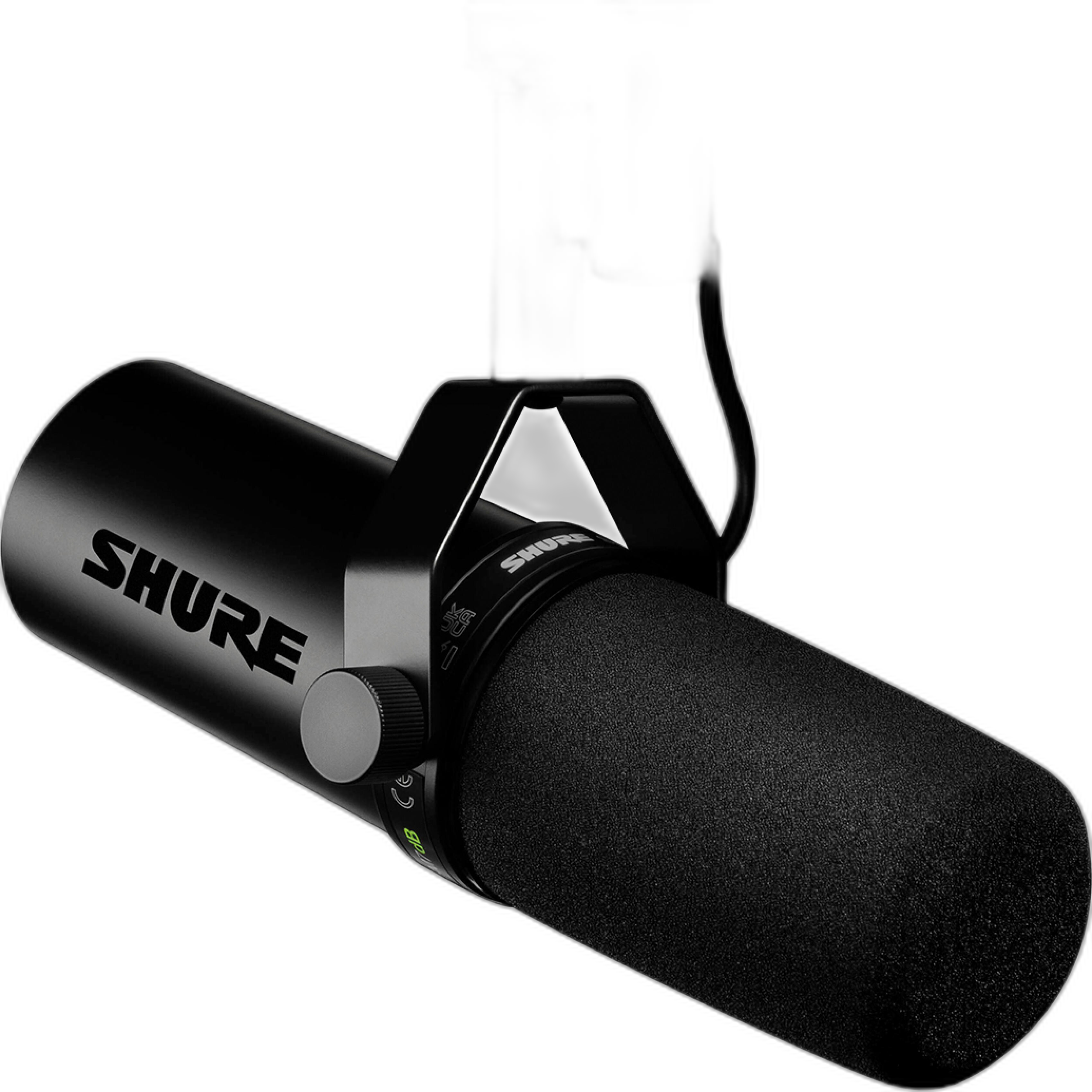
- Best for: portable podcast interviews, studio-style dialogue, controlled interiors
- Less ideal for: walking interviews, travel-light location recording, discreet setups
Tascam TM-90BM Boundary Condenser Microphone
The Tascam TM-90BM Boundary Condenser Microphone is the most situational option here. Boundary mics can be useful on tables for conference capture, roundtable discussions, and certain static interview environments. But for classic on-location interview work, especially outdoors or in dynamic environments, it is much less flexible than a shotgun or lavalier system.
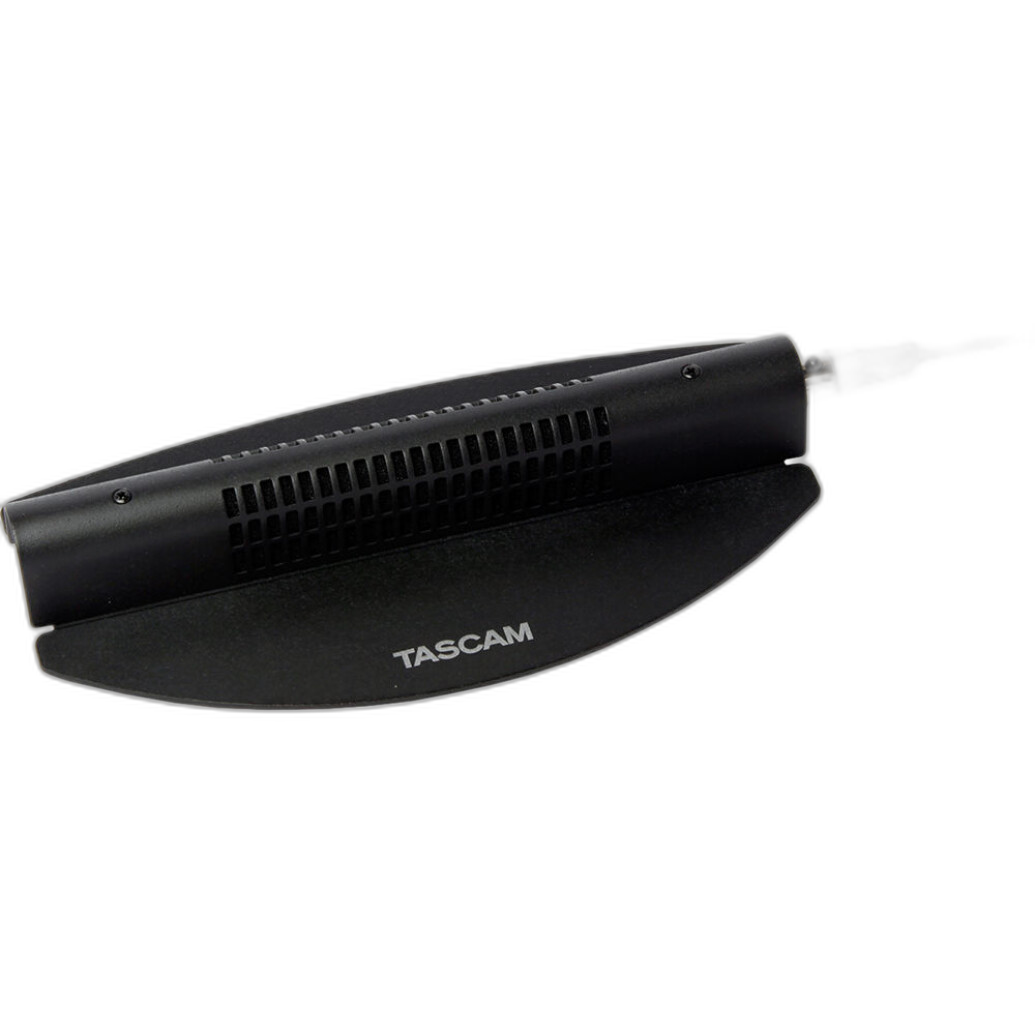
- Best for: tabletop discussions, meeting-room capture, static multi-person setups
- Less ideal for: outdoor interviews, standing interviews, unpredictable locations
Which Setup Is Best for Your Interview Style?
Choose the Rode NTG5 if...
You want the most polished and cinematic dialogue capture, you can manage careful placement, and your productions benefit from keeping microphones off camera.
Choose the Shure MOTIV MVL if...
You need an affordable, beginner-friendly lav for smartphone interviews and don’t mind a wired setup.
Choose the Hollyland LARK M2S Combo if...
You need a versatile wireless system for creator work across cameras and phones, with quick deployment on location.
Choose the Shure MoveMic Two if...
Your core workflow is mobile or ultra-portable two-person interviewing and you want a system built specifically for that format.
Verdict
For pure audio quality in professional interview production, the Rode NTG5 Moisture Resistant Shotgun Microphone Location Recording Kit is the strongest choice in this comparison. It offers the most refined, production-grade approach for serious field interviews, especially when used with proper boom technique.
For the majority of modern creators, though, the most practical options are the Hollyland LARK M2S Combo and the Shure MoveMic Two. The Hollyland is the better all-around hybrid pick for creators switching between devices and production styles, while the Shure MoveMic Two is arguably the most directly suited for fast, two-person mobile interviews.
If you’re shopping for on-location interview audio, Unique Photo is an excellent place to buy these microphones and compare the right setup for your workflow, whether you’re building a documentary rig, a mobile journalism kit, or a creator-friendly wireless interview package.