If you’re buying your first prime lens, the classic question is simple: should you start with a 35mm or a 50mm? Both focal lengths are incredibly popular for everyday photography, and both can help you move beyond the look of a standard kit zoom. The right choice comes down to how you shoot, what you like to photograph, and how much working room you typically have. Below are practical tips to help you decide which focal length fits your daily camera bag best.
Understand What Makes 35mm and 50mm Different
1. Think of 35mm as flexible and 50mm as focused
A 35mm lens usually feels wider and more immersive, which makes it great for street scenes, travel, family moments at home, and environmental portraits where you want to include some background. A 50mm lens gives a tighter, more natural-feeling composition for portraits, details, and isolating a subject without stepping too close.
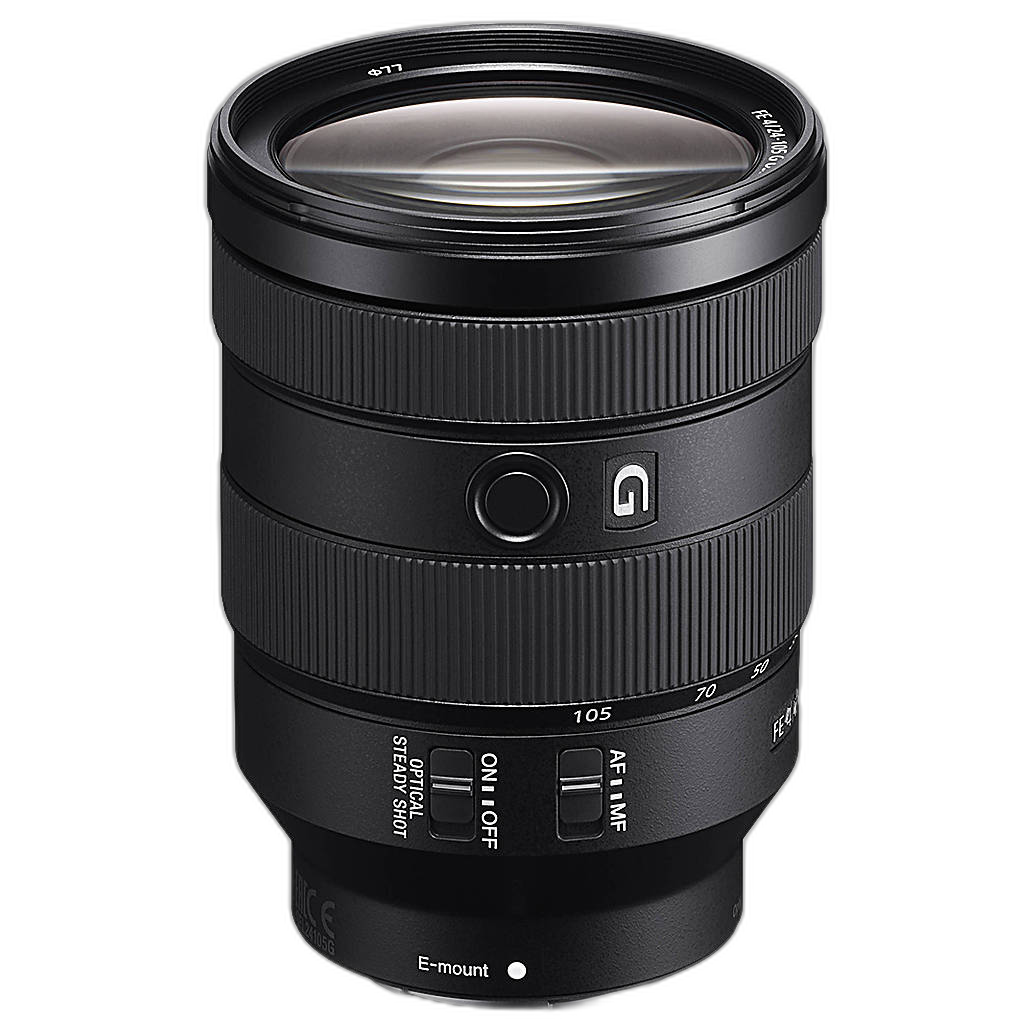
If you’ve been using a zoom like the Sony FE 24-105mm f/4 G OSS Lens, try setting it to 35mm for a day and then 50mm the next. That real-world comparison can tell you a lot before committing to a prime.
Match the Lens to Your Everyday Subjects
2. Choose 35mm if you photograph places, people, and daily life together
If your photos often include a person in a room, a coffee table scene, a walk through the city, or a travel snapshot with context, 35mm is often the more comfortable everyday choice. It helps tell more of the story because it captures both subject and surroundings.
This is especially useful if you often feel backed into a wall with a longer focal length. In smaller apartments, restaurants, and indoor gatherings, that extra width can make a big difference.
3. Choose 50mm if you love portraits and cleaner compositions
A 50mm lens encourages simpler framing. It’s often preferred by photographers who want flattering portraits, more background blur, and less clutter around the subject. If you naturally notice faces, details, and single subjects instead of wider scenes, 50mm may feel more intuitive from day one.
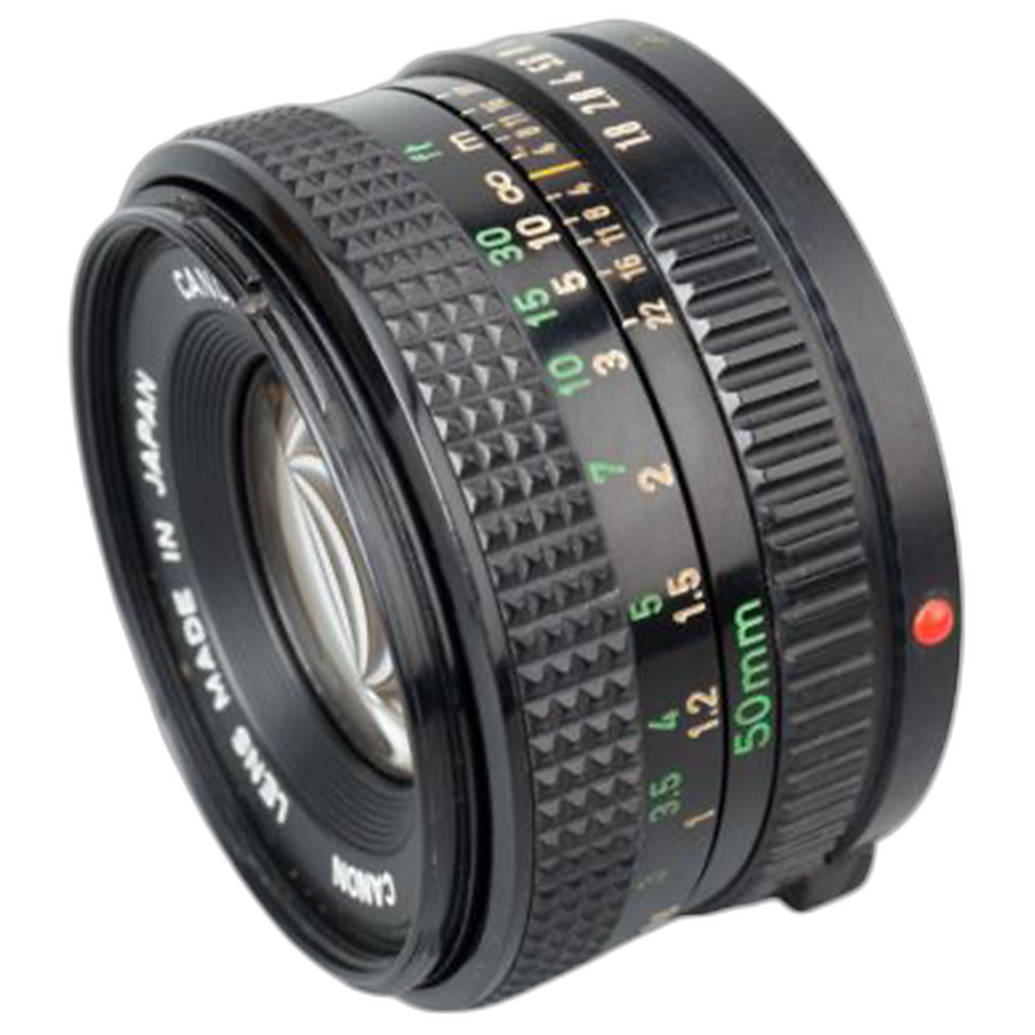
Classic options like the Used Canon FD 50mm f/1.8 Lens - Good show why 50mm has remained a favorite for decades: it’s compact, practical, and capable of a timeless everyday look.
Consider Your Shooting Distance
4. Ask yourself how close you like to be to your subject
A 35mm lens puts you a little closer to the action. That can make images feel lively and personal, but it also means you need to be comfortable being physically near your subject. A 50mm lens gives you a bit more distance, which can be helpful for portraits or candid moments when you don’t want to intrude.
If you prefer photographing children playing, casual portraits, or moments across a table, 50mm can feel easier. If you like being in the middle of a scene, 35mm often feels more natural.
Keep Your Camera Format in Mind
5. Remember that sensor size changes how these lenses feel
On a full-frame camera, 35mm and 50mm behave as expected. On an APS-C camera, a 35mm acts more like a standard lens, while a 50mm feels more like a short portrait lens. On Micro Four Thirds, the effect is even tighter.
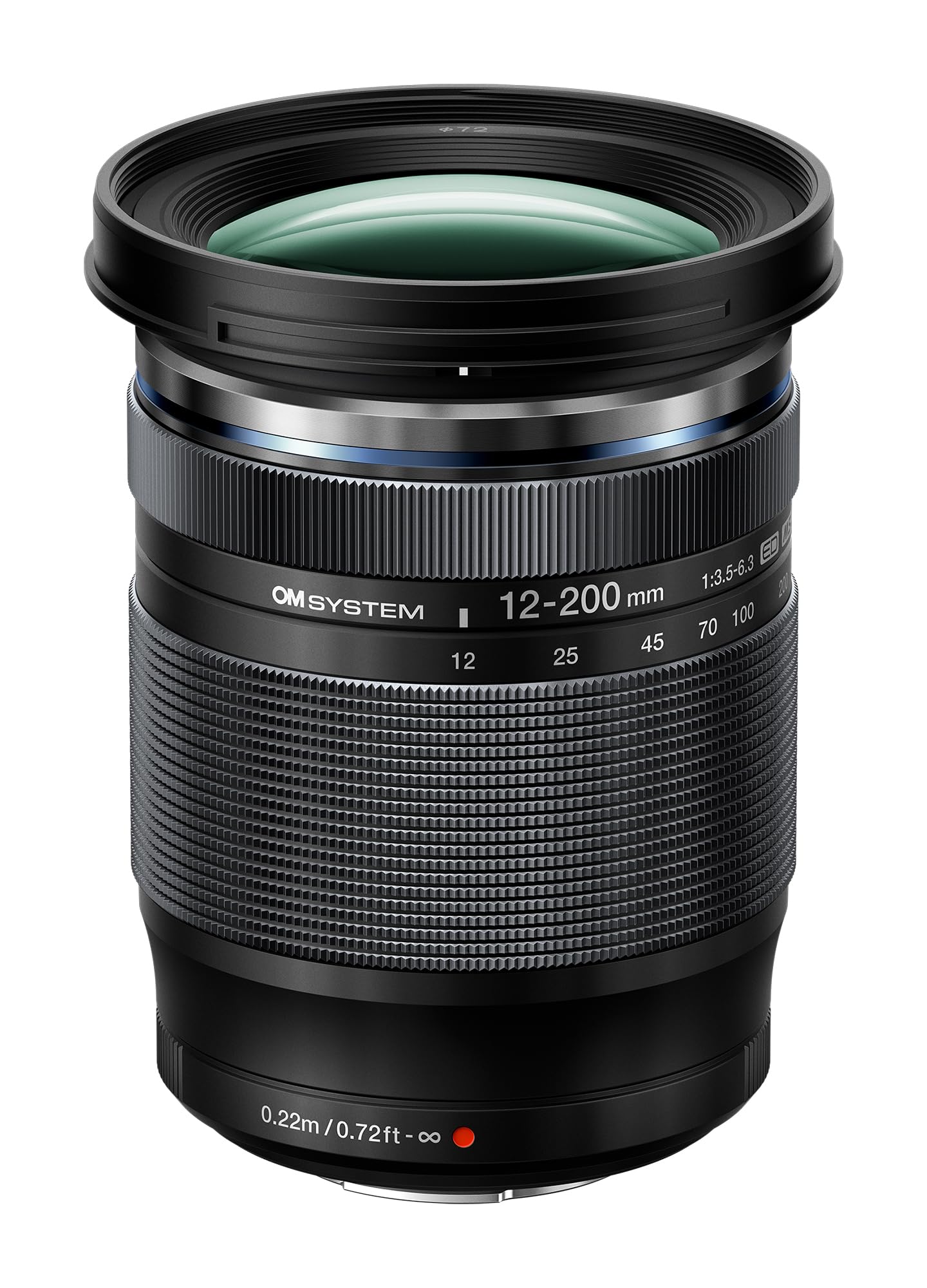
That’s why it helps to compare with the zoom lens you already own. For example, if you shoot on a mirrorless system with something like the OM SYSTEM M.Zuiko Digital ED 12-200mm f/3.5-6.3 Lens, you can test your favorite focal length first by shooting at those marked positions and reviewing the results afterward.
Think About the Look You Want
6. 35mm often feels more documentary, while 50mm feels more classic
Neither focal length is better, but they do have different personalities. A 35mm image often feels immediate and cinematic, with more of the environment helping shape the story. A 50mm image tends to feel cleaner and more traditional, with stronger subject separation and less emphasis on the surroundings.
If your favorite photos are layered, energetic, and scene-driven, start with 35mm. If your favorite photos are simple, intimate, and subject-driven, start with 50mm.
Budget Can Make the Decision Easier
7. A used 50mm can be one of the best values in photography
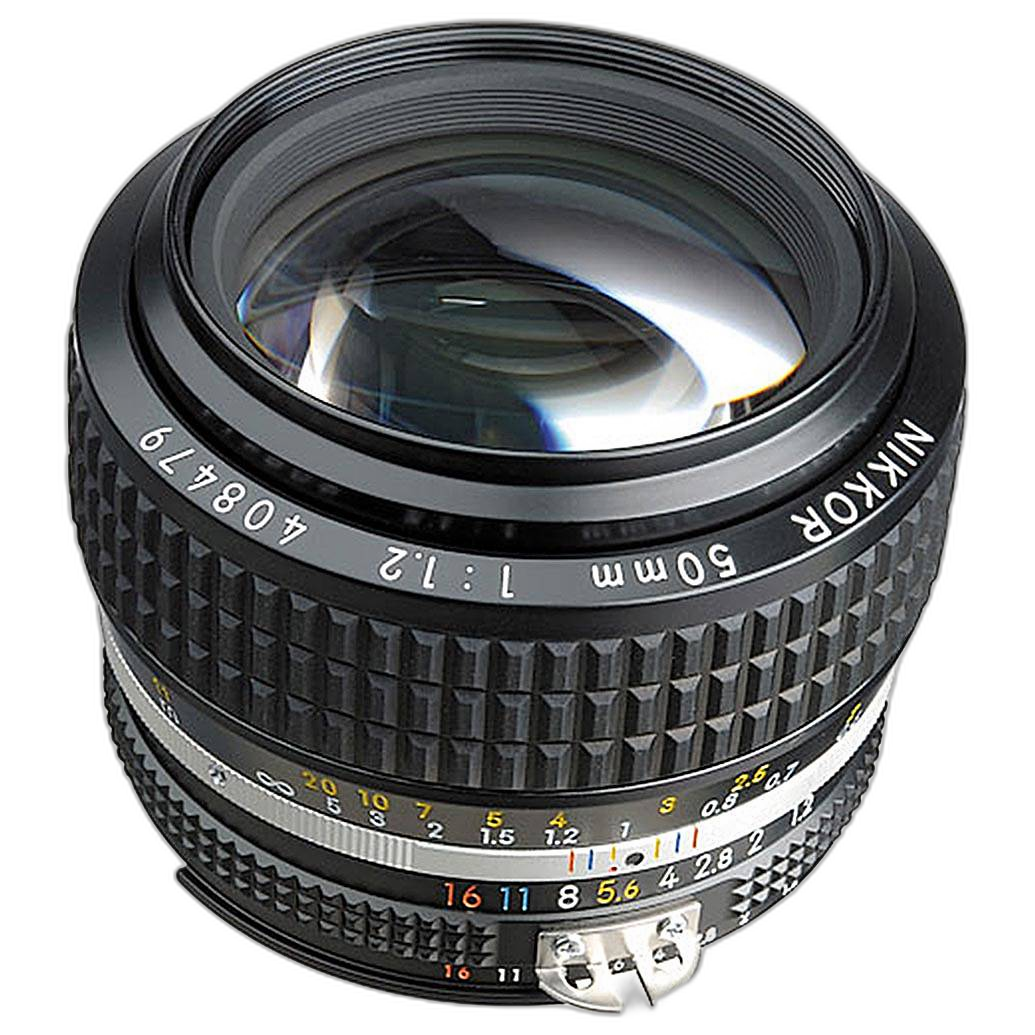
One reason so many photographers begin with 50mm is affordability. There are many excellent used 50mm lenses available, and they often deliver a lot of image quality for the price. Options like the Used Nikon 50mm f/1.2 Ai - Good or the Used Canon FD 50mm f/1.8 Lens - Good can be especially appealing if you enjoy classic manual-focus shooting or adapting vintage glass.
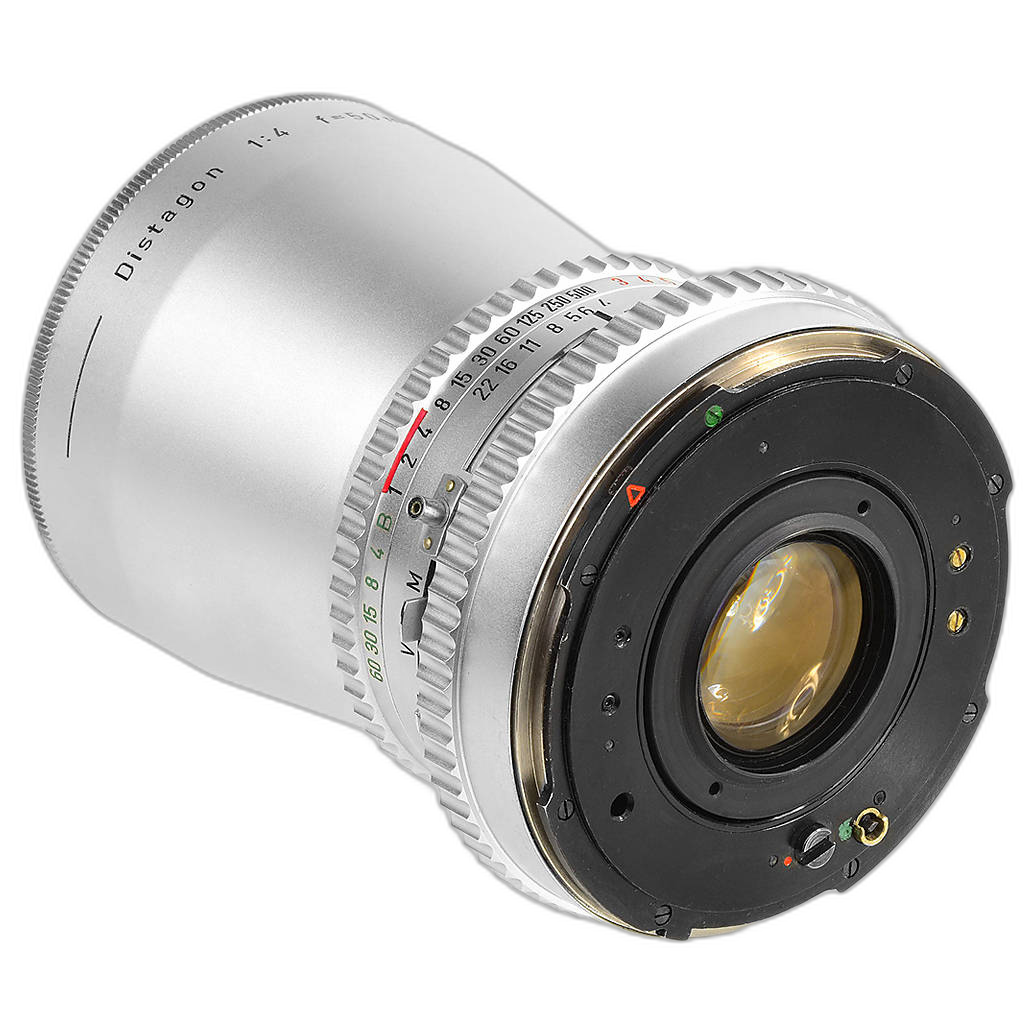
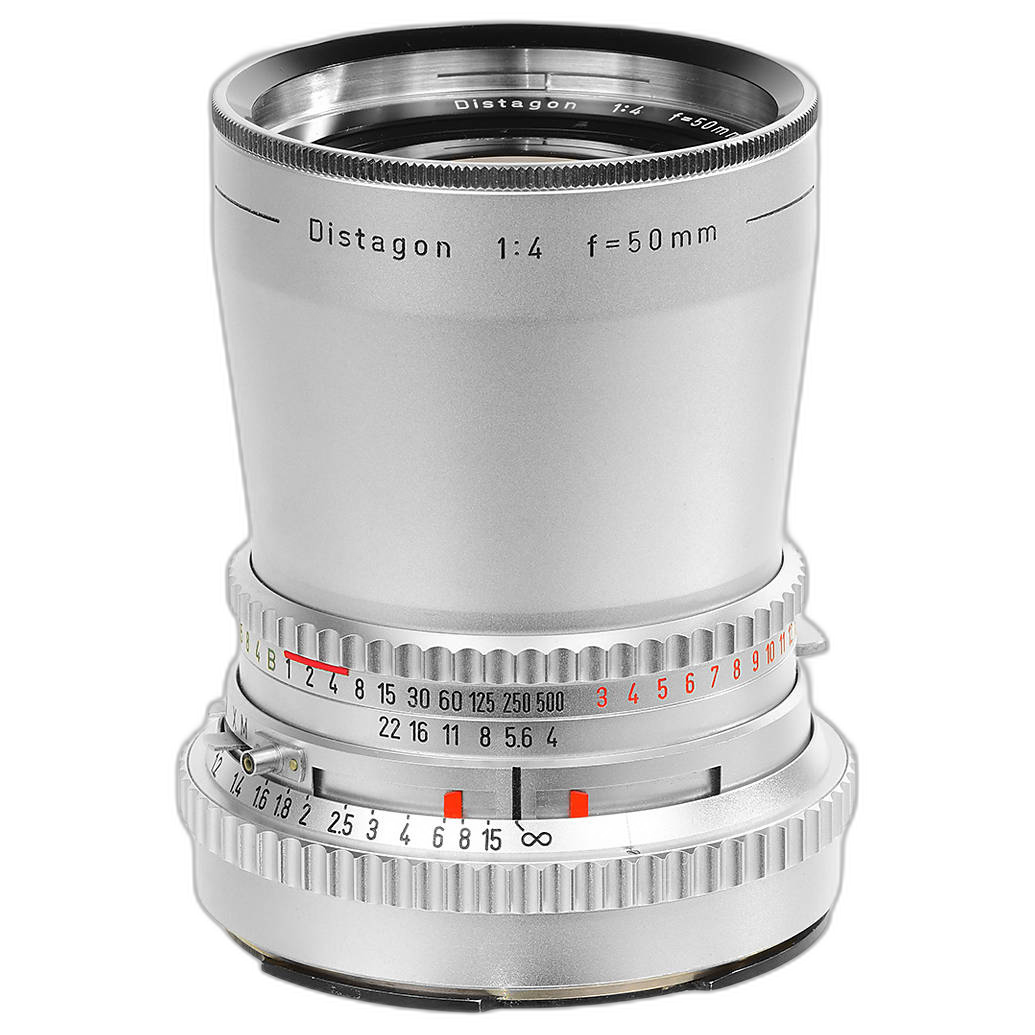
For photographers exploring medium format, even a lens such as the Used Hasselblad 50MM F/4 CF T* - Excellent highlights how 50mm can serve different roles depending on the system, though your first everyday prime will usually be chosen within the mount you already own.
Use Your Zoom as a Test Before You Buy
8. Practice with one focal length at a time
If you already own a zoom, lock it at 35mm for a weekend and then lock it at 50mm for the next. Don’t zoom at all. This is one of the easiest ways to discover your natural framing habits. You may find that 35mm gives you more keepers indoors, while 50mm gives you portraits you love more.
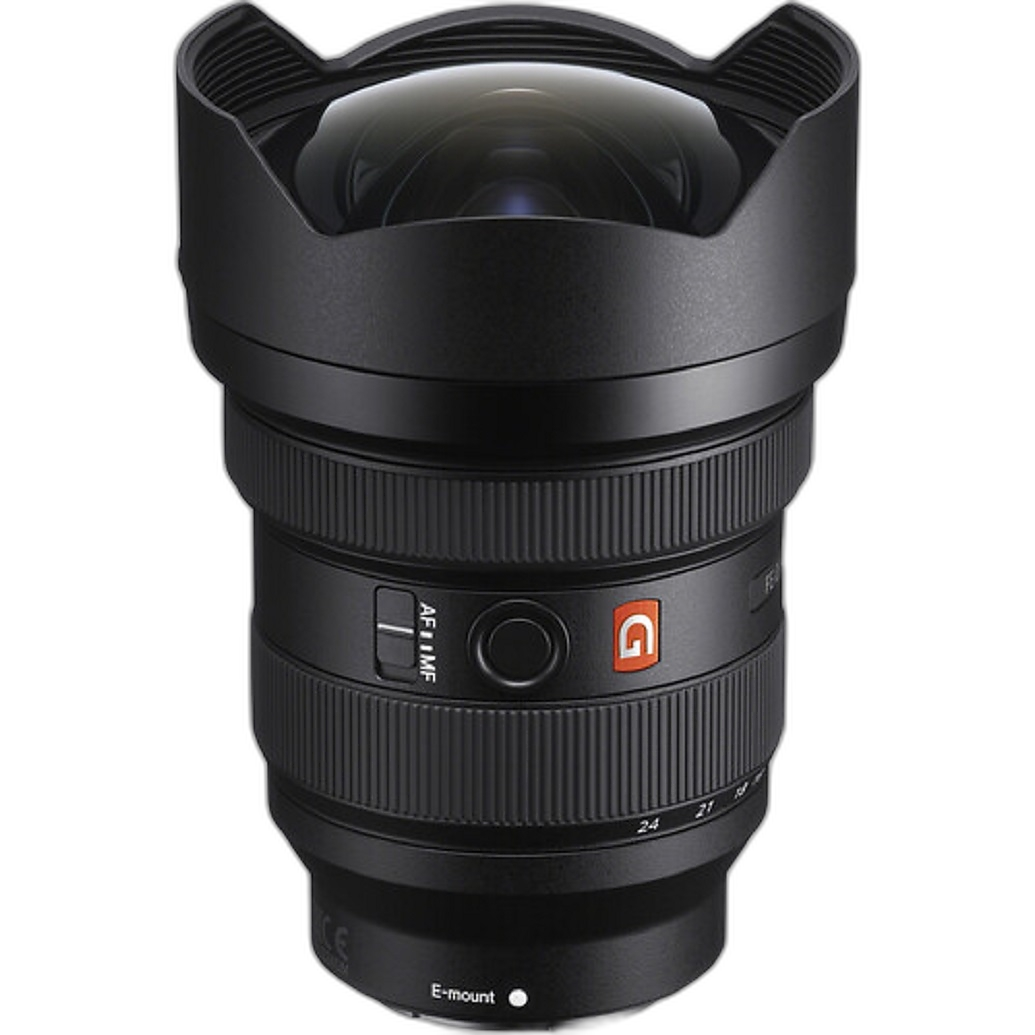
Even if your zoom goes much wider, like the Sony FE 12-24mm f/2.8 GM Lens, using your existing lenses intentionally can still teach you how focal length changes perspective, subject emphasis, and storytelling.
Don’t Forget the Practical Extras
9. Small accessories can improve everyday shooting
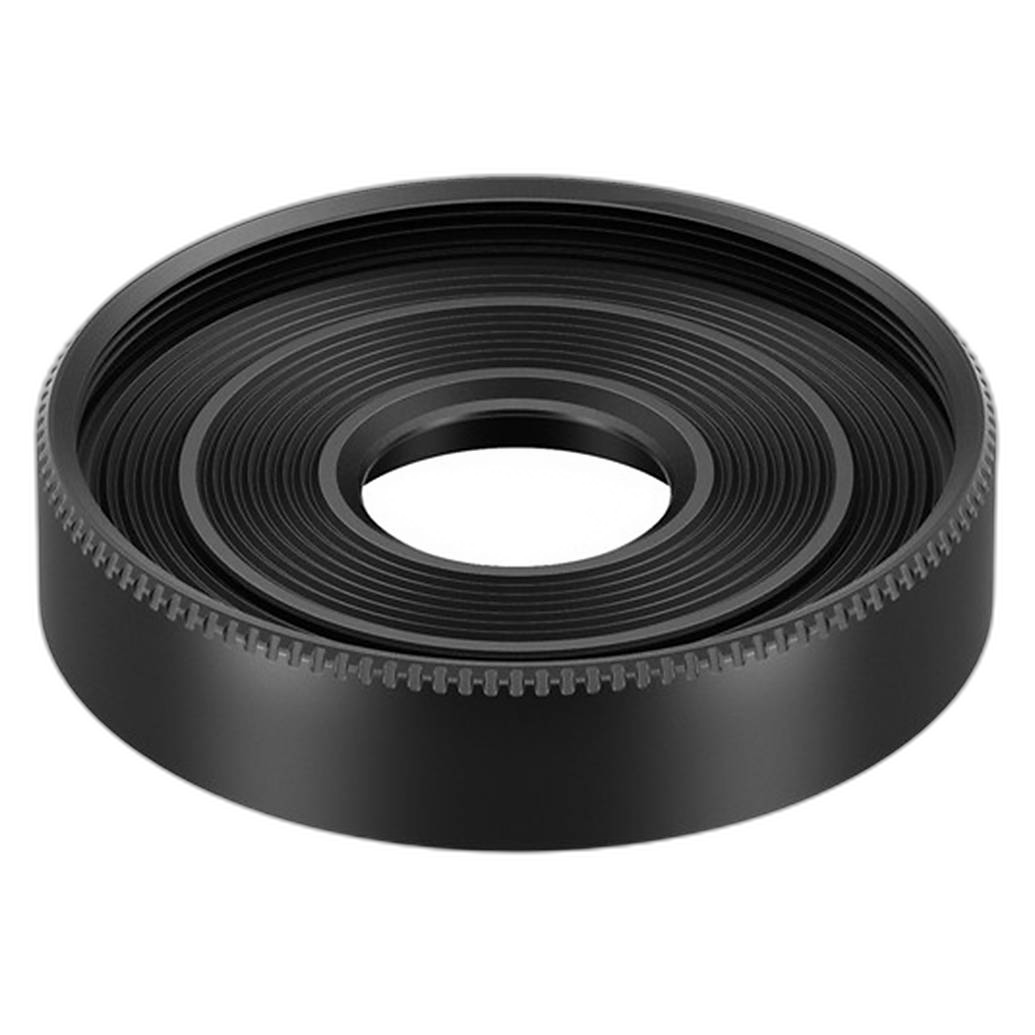
Once you pick your first prime, think about accessories that help you use it more confidently. Lens hoods, for example, can reduce flare and offer a little physical protection when you’re carrying your camera every day. A simple accessory like the Canon ES-22 Lens Hood for EF-M 28mm f/3.5 Macro IS STM Lens is a good reminder that the small practical pieces of your kit can make regular shooting easier.
Final Tip: There’s No Wrong First Choice
If you want one lens to document everyday life with a little more context, 35mm is often the better starting point. If you want stronger subject separation, flattering portraits, and a classic all-purpose look, 50mm is a fantastic first prime. The best answer is the one that matches how you actually shoot.
Whichever direction you choose, the most important step is to get out and use it often. Explore new perspectives, learn how a fixed focal length shapes your eye, and enjoy the process. If you’re ready to compare lenses, used gear, and accessories, Unique Photo is a great place to start building your everyday kit.