Prime vs. Zoom for Portrait Photography
Choosing the right portrait lens often comes down to one big question: should you use a prime lens or a zoom lens? For portrait photographers, this decision affects framing, background blur, working distance, flexibility on set, and even how a session flows. A fast prime is often prized for shallow depth of field and a classic portrait look, while a zoom can make it easier to move quickly between headshots, three-quarter portraits, and environmental compositions without changing lenses.
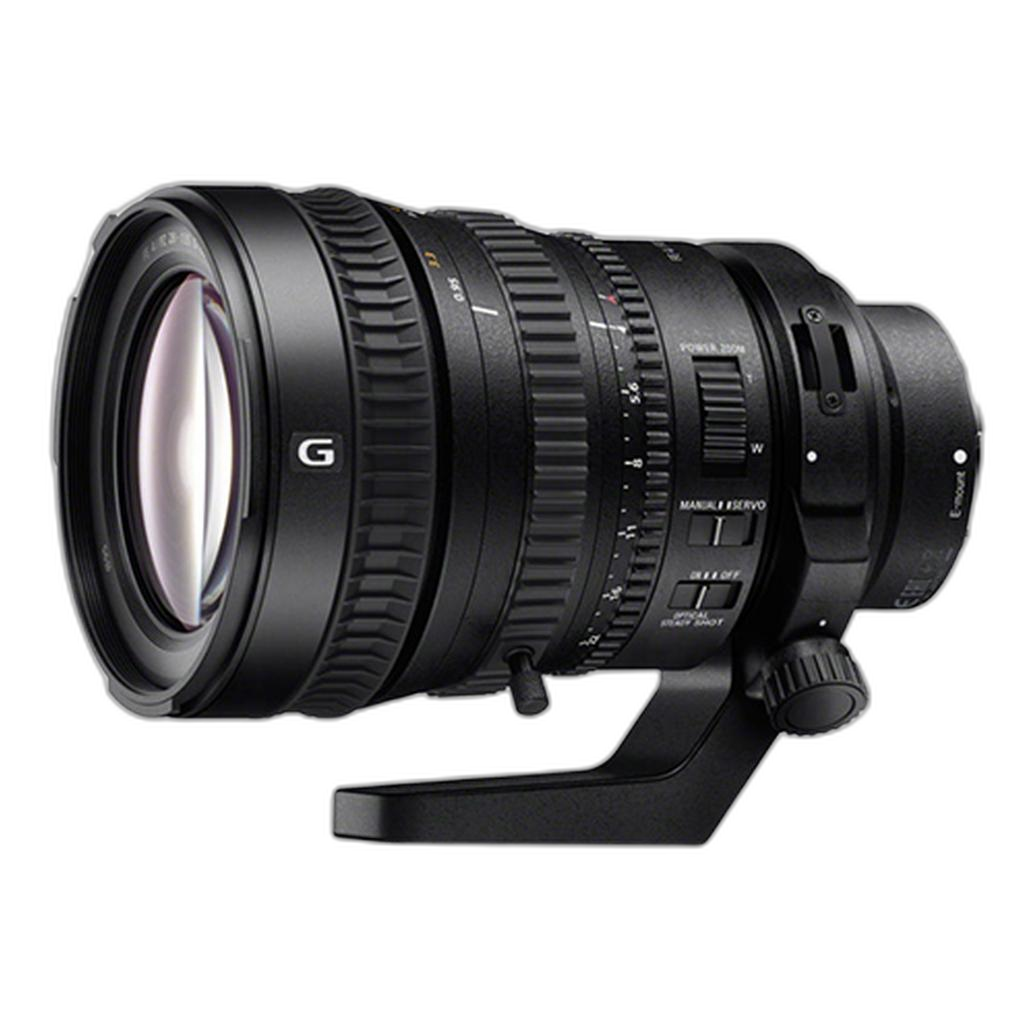
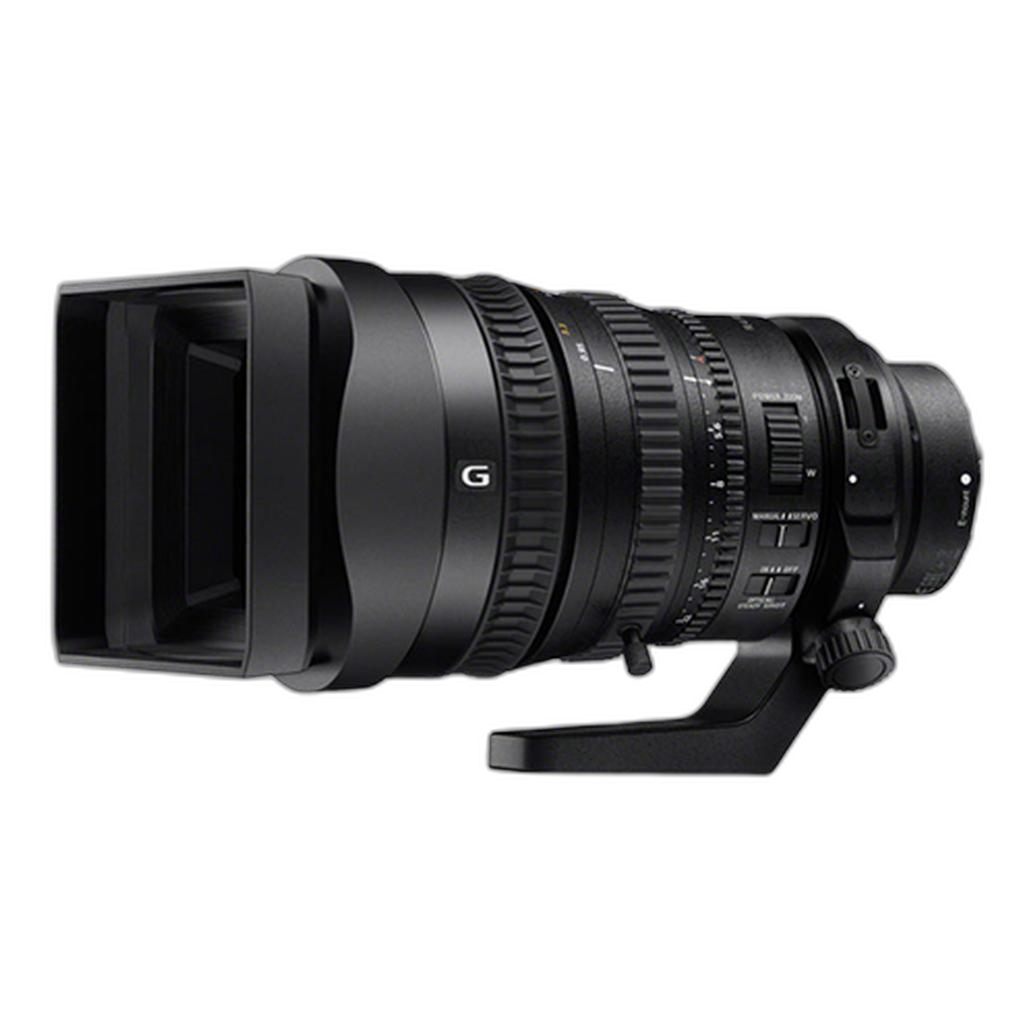
To illustrate the tradeoff, we’re comparing the core strengths of portrait primes against a practical zoom option, represented here by the Used Sony FE PZ 28-135mm f/4 G OSS Standard Zoom Lens. We’re also including educational resources from Unique Photo for photographers who want to sharpen their portrait technique alongside their gear choices.
Side-by-Side Comparison
| Category | Prime Lens for Portraiture | Zoom Lens for Portraiture |
|---|---|---|
| Typical Strength | Maximum image quality, wider apertures, stronger subject separation | Framing flexibility, convenience, speed during sessions |
| Common Portrait Focal Lengths | 50mm, 85mm, 105mm, 135mm | 24-70mm, 70-200mm, 28-135mm |
| Maximum Aperture | Often f/1.2 to f/2 | Often f/2.8 to f/4 |
| Background Blur | Usually stronger and creamier | Good, but typically less dramatic at similar framing |
| Compositional Flexibility | Lower; photographer moves more | Higher; easier to reframe instantly |
| Low-Light Performance | Excellent | Good to moderate depending on aperture |
| Session Speed | Can slow down if lens changes are needed | Fast and efficient |
| Learning Value | Encourages disciplined composition | Encourages adaptability and quick coverage |
| Best For | Classic portraits, shallow depth of field, intentional shooting | Events, studio variety, fast-paced portraits, hybrid shooting |
| Example from Available Products | Conceptual category comparison only | Used Sony FE PZ 28-135mm f/4 G OSS Standard Zoom Lens |
Why Portrait Shooters Often Love Prime Lenses
Shallow Depth of Field and Subject Separation
Prime lenses are famous in portraiture because many offer wide apertures like f/1.4 or f/1.8. That extra light and shallower depth of field can create a more dramatic separation between subject and background. For photographers who want soft, blurred backgrounds and strong emphasis on the eyes, primes are often the first choice.
Look and Rendering
Many portrait shooters choose primes not just for sharpness, but for how they render skin tones, transitions, and out-of-focus areas. An 85mm prime, for example, is a classic portrait favorite because it often delivers flattering compression and a natural working distance.
Creative Discipline
A prime lens can also make you a more deliberate photographer. Since you can’t zoom with the lens, you have to move your feet and think more carefully about composition. That limitation can actually improve consistency and intentionality in portrait sessions.
Where Zoom Lenses Shine for Portraiture
Framing Flexibility
The biggest advantage of a zoom lens is speed. During a portrait session, you may need to switch quickly from a tight headshot to a waist-up portrait to a wider environmental frame. A zoom lets you do that instantly without changing your position as much or swapping lenses.
Practical Workflow
This is especially valuable in studio settings, busy family sessions, school portraits, corporate headshots, and hybrid photo/video shoots. A zoom can simplify your workflow and keep momentum high, which matters when your subject is less experienced or when your time is limited.
A Real-World Zoom Example
The Used Sony FE PZ 28-135mm f/4 G OSS Standard Zoom Lens represents the flexibility side of the portrait equation well. Its wide-to-telephoto range can cover environmental portraits at the wide end and tighter, more flattering portraits at longer focal lengths. While f/4 won’t produce the same extreme blur as a fast portrait prime, the convenience and reach can be a major benefit for photographers who value versatility.
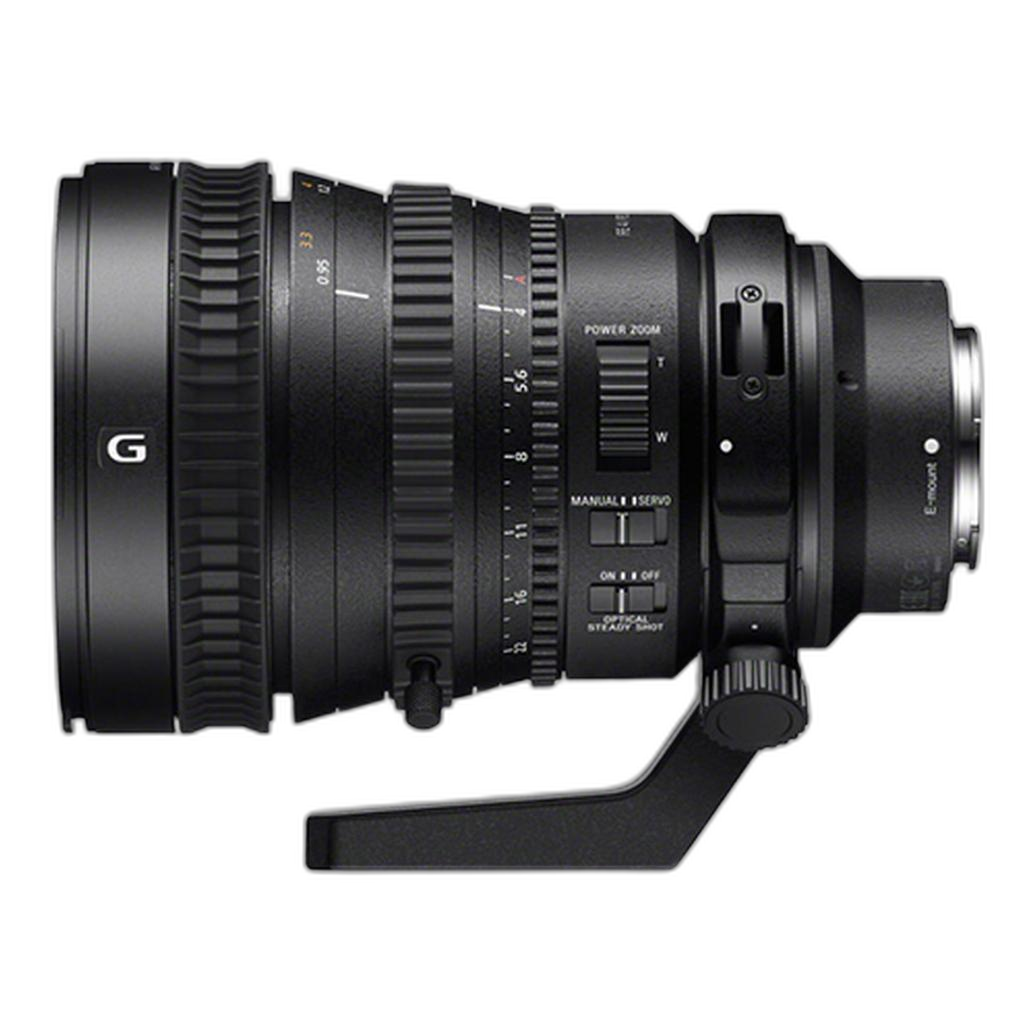
Image Quality: Does Prime Always Win?
In Pure Optical Terms
Traditionally, primes have an edge in sharpness, distortion control, and low-light capability, especially at wider apertures. If your goal is the most polished portrait look with maximum blur and crisp eye detail, a strong prime lens often has the advantage.
In Actual Portrait Sessions
That said, modern zooms can be excellent. In many portrait scenarios, lighting, posing, expression, and focal length choice matter more than tiny differences in optical perfection. A zoom that helps you work faster and capture better moments may produce stronger final images overall than a prime that slows you down.
Studio Portraits vs. On-Location Portraits
In the Studio
Studio photographers can often work comfortably with primes because they have time to control distance, lighting, and set design. If you know you’ll be shooting mostly one look or one framing style, a prime can be ideal.
On Location
On-location portrait photographers frequently benefit from zooms. Space constraints, changing backgrounds, and unpredictable subject movement all make zoom flexibility valuable. If you’re photographing in tight interiors or moving outdoors between setups, a zoom often makes the shoot more efficient.
Learning Portrait Technique Matters as Much as Lens Choice
Portrait Success Is More Than Focal Length
The best portrait lens in the world won’t replace strong lighting, posing, and communication. Photographers deciding between prime and zoom should also think about building technique. That’s where educational resources can help.
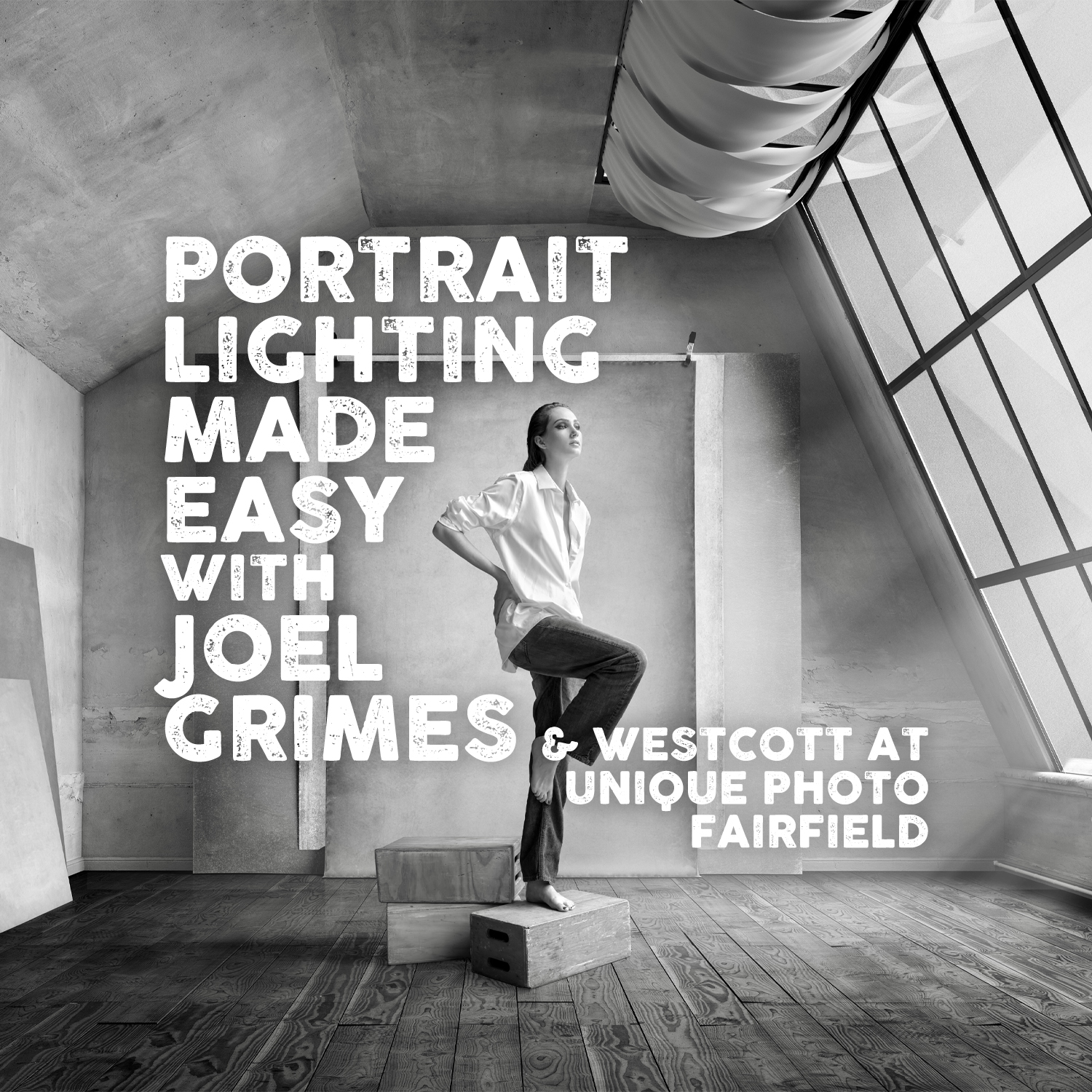
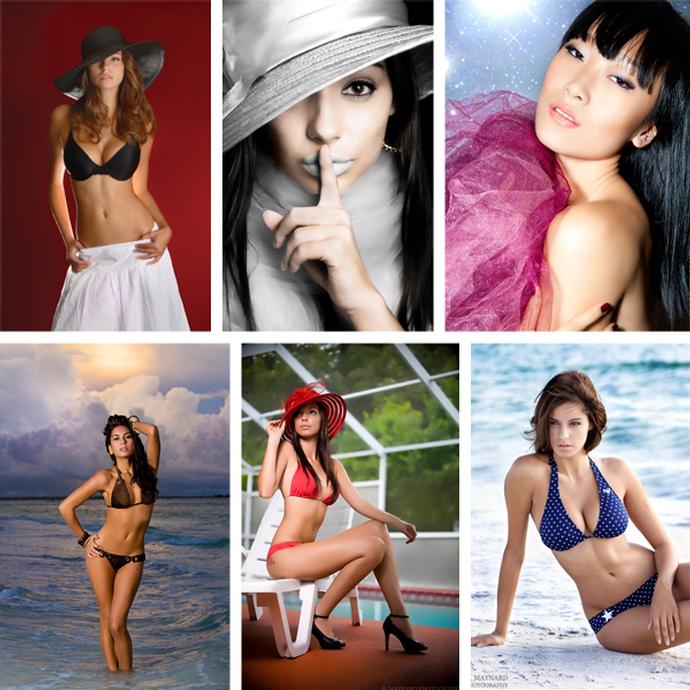
Portrait Lighting Made Easy with Joel Grimes (Westcott) and Stunning Portraits Workshop with David Maynard and ExpoImaging both point to an important reality: better portraits usually come from mastering light, subject direction, and composition—not just buying a different lens.
Our Pick
If you want the most classic portrait look and love shallow depth of field, choose a prime lens. It’s still the best fit for photographers prioritizing subject separation, low-light ability, and that signature polished portrait aesthetic.
If you need one lens to handle a wide variety of portrait situations, choose a zoom lens. For many working photographers, the versatility of a zoom like the Used Sony FE PZ 28-135mm f/4 G OSS Standard Zoom Lens makes it the more practical all-around tool.
Our overall pick for most photographers: Zoom. While primes often deliver the more specialized portrait look, a zoom is usually the better starting point for photographers who need flexibility, efficiency, and the ability to adapt quickly during real sessions.
Conclusion
Prime and zoom lenses both have a strong place in portrait photography. If your style is intentional, shallow-focus, and aesthetically driven, a prime may be your ideal match. If your work demands versatility and speed, a zoom is hard to beat. The best choice depends on how you shoot, where you shoot, and the kind of portraits you want to create. For more gear guidance, used-lens options, and portrait education resources, explore Unique Photo.