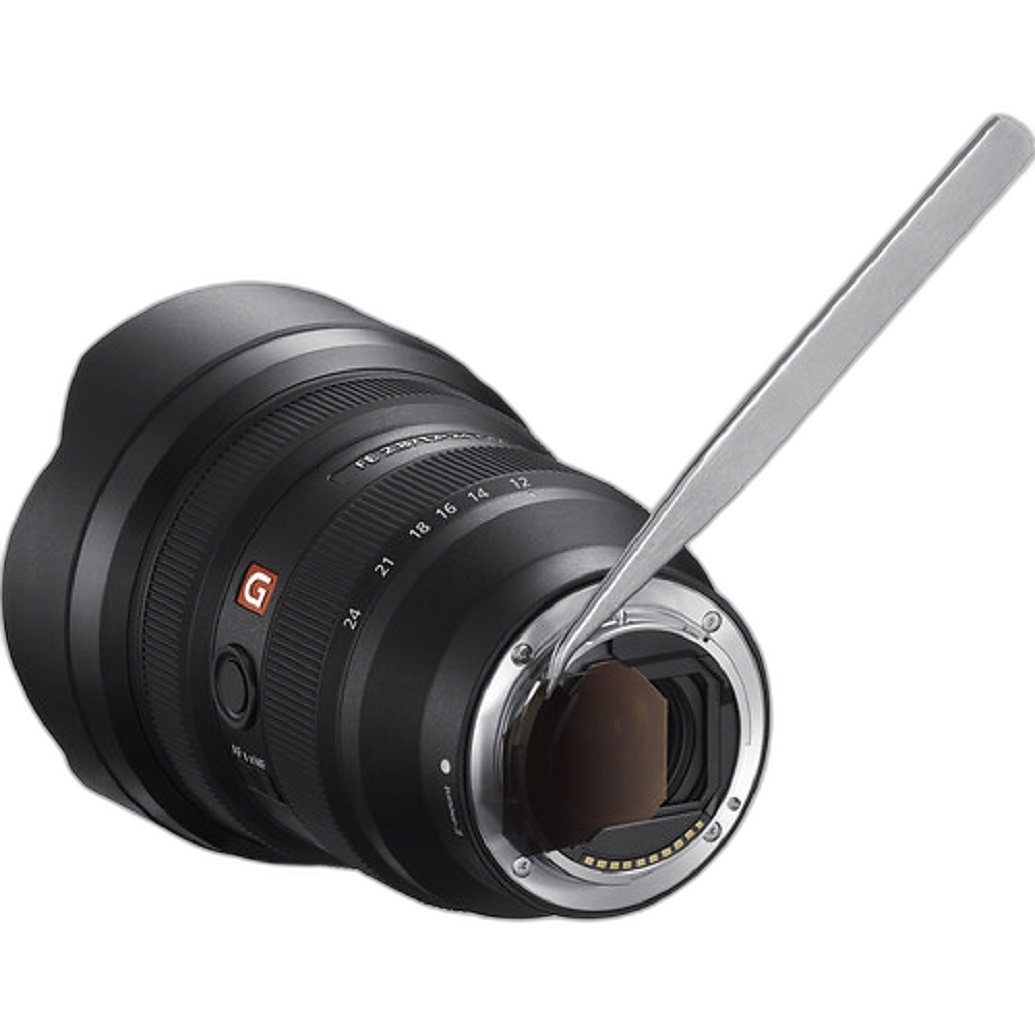
Finding the best Sony lens for portraits is about more than just picking the fastest aperture. Focal length, compression, background rendering, working distance, and overall versatility all matter depending on whether you shoot headshots, lifestyle portraits, couples, events, or environmental portraiture. At Unique Photo, one of the smartest ways to narrow your options is by using a lens comparison workflow before you buy, and that is exactly where a Lens Compare Beta tool can help.
If you are trying to decide between a flexible zoom and a more specialized portrait setup, comparing real-world focal lengths and use cases can save time and money. In this guide, we will walk through how to choose a Sony portrait lens, what specs matter most, and how a lens comparison approach can help you make the right call.
What makes a Sony lens good for portraits?
The best Sony portrait lens usually combines flattering focal lengths, reliable autofocus, strong subject separation, and pleasing bokeh. Portrait photographers often gravitate toward focal lengths from roughly 50mm to 135mm because they provide natural-to-flattering facial rendering without the exaggerated perspective you may see at ultra-wide angles.
When evaluating Sony lenses for portraits, focus on these factors:
- Focal length: 50mm works well for natural-looking portraits, 85mm is a classic choice for headshots, and 105mm can provide even stronger compression.
- Maximum aperture: Wider apertures like f/1.4 or f/1.8 help create shallow depth of field and smoother backgrounds, while f/4 zooms can still perform very well in controlled or outdoor situations.
- Autofocus performance: Eye AF and fast subject tracking are major advantages on Sony mirrorless cameras, especially for portrait sessions with movement.
- Sharpness and rendering: For portraits, you want detail where it matters, especially in the eyes, without losing the pleasing character of skin tones and out-of-focus areas.
- Versatility: Some photographers want one lens that can handle portraits, events, and travel; others want a dedicated portrait look.
Unique Photo customers often start by asking whether they should choose a prime or a zoom. The answer depends on style, pace, and budget, which is why comparing lenses side by side is so useful.
How to use Lens Compare Beta to choose the best Sony portrait lens
A Lens Compare Beta tool is especially helpful because portrait lens decisions are often subtle. On paper, two lenses can look similar, but in practice they may deliver very different framing options and shooting experiences.
Here is a smart way to use lens comparison when shopping for Sony portrait lenses:
- Start with your portrait style. Are you shooting tight headshots, half-body portraits, couples, editorial sessions, or environmental portraits?
- Compare focal length ranges. A zoom may cover several classic portrait focal lengths in one lens, while a prime may offer a stronger subject-isolation effect.
- Look at aperture in context. If you mostly shoot outdoors in good light, an f/4 zoom may be enough. If you want maximum background blur or work in lower light, you may want something faster.
- Consider working distance. Longer focal lengths let you step back, which can be more comfortable for clients and produce more flattering facial proportions.
- Evaluate practical value. If one lens can cover portraits, events, and travel, it may be the better overall investment.
At Unique Photo, this type of comparison helps photographers buy with more confidence instead of guessing based on specs alone.
Best focal lengths for Sony portraits
If you are searching for the best focal length for portraits on Sony cameras, here is a simple breakdown:
- 35mm: Great for environmental portraits and storytelling, but can distort faces if used too close.
- 50mm: A versatile standard focal length for full-body and half-body portraits with a natural perspective.
- 85mm: The classic portrait focal length for flattering headshots and beautiful background separation.
- 105mm: Excellent for tighter compositions and more compression.
- 24-70mm or 24-105mm zoom range: Extremely useful when you need flexibility during fast-paced sessions.
For many photographers, the sweet spot lies in the 70mm to 105mm range. That is one reason a versatile zoom can be a surprisingly strong option for portrait work.
Sony FE 24-105mm f/4 G OSS for portraits: a flexible choice
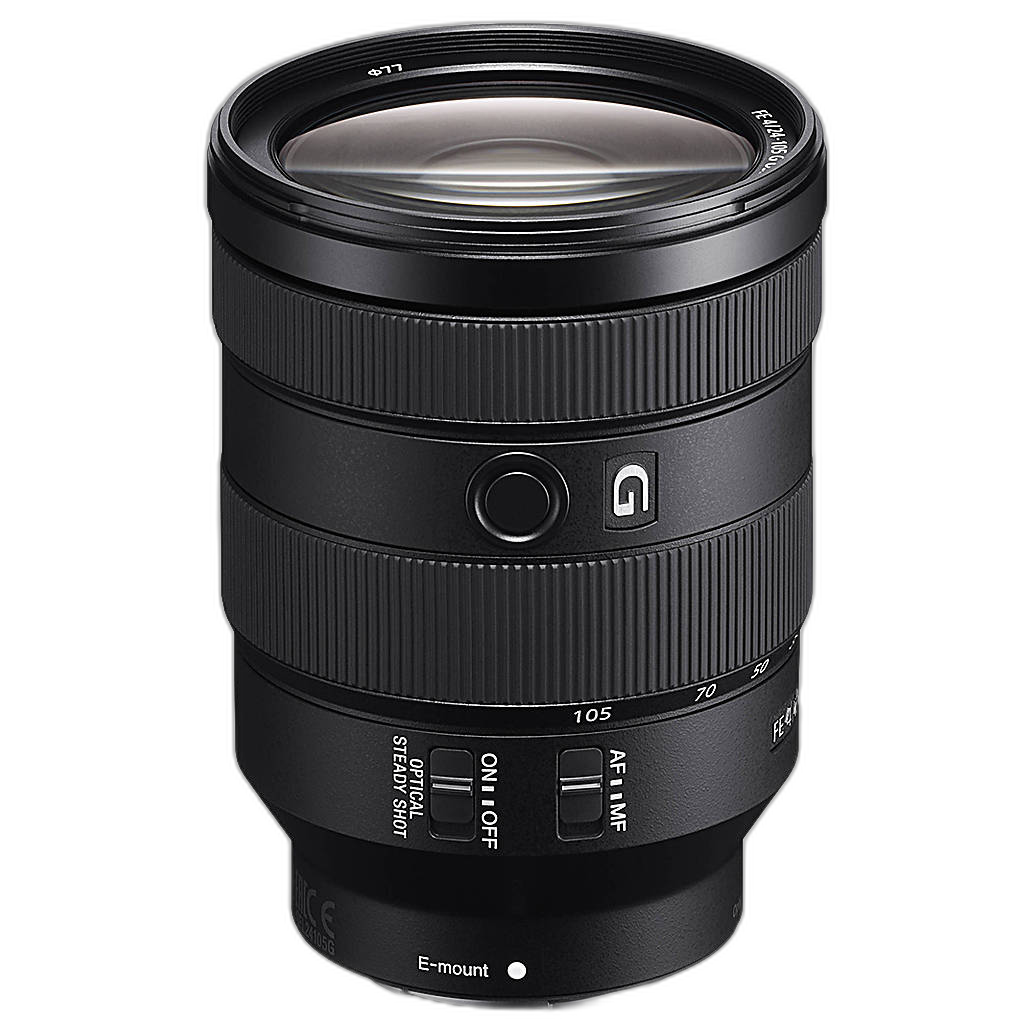
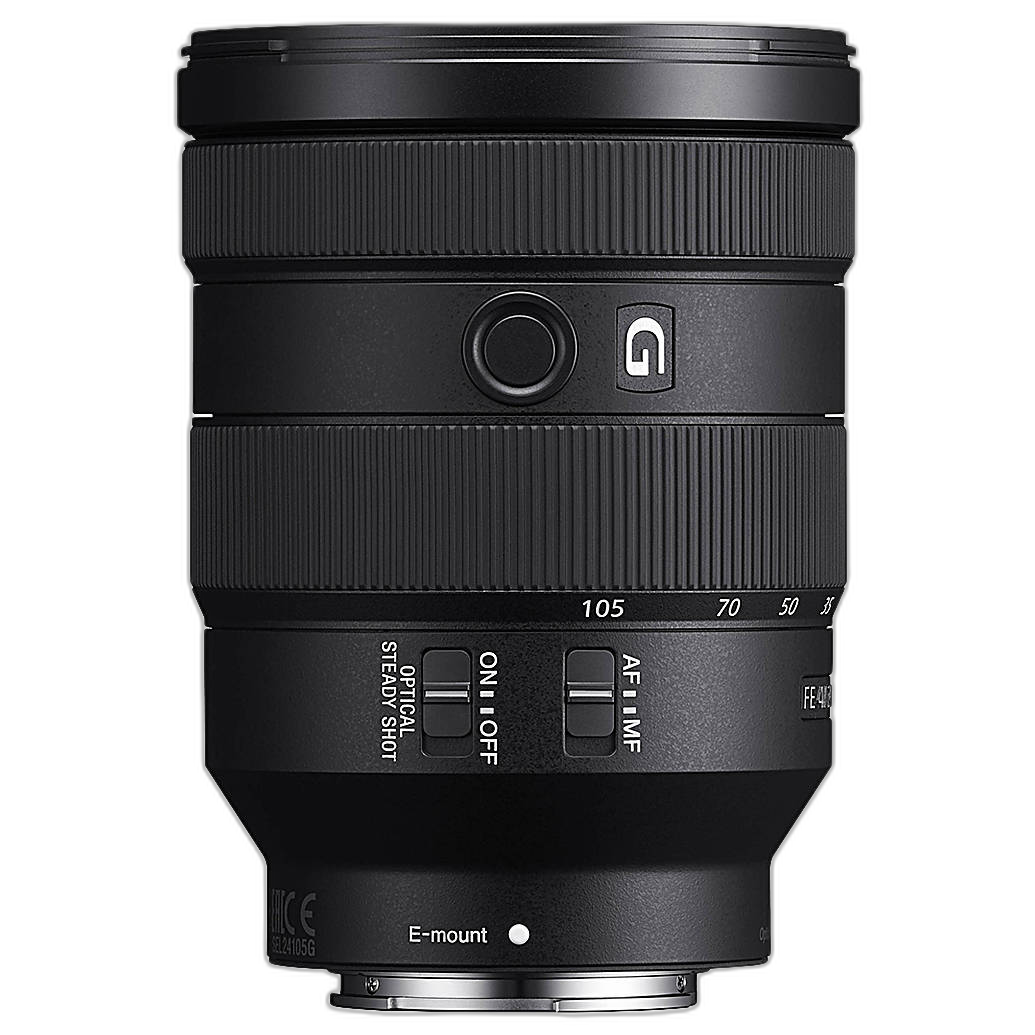
The Sony FE 24-105mm f/4 G OSS Lens is one of the most practical Sony lenses to compare if you want a single lens for portraits and more. While it is not a traditional ultra-fast portrait prime, it covers multiple highly useful portrait focal lengths in one package, including 50mm, 85mm, and 105mm.
For photographers using Lens Compare Beta, this lens stands out because it offers:
- Broad focal length coverage: You can shoot environmental portraits at 35mm, classic half-body portraits at 50mm, and flattering headshots at 85mm to 105mm.
- Consistent f/4 aperture: While not as shallow as f/1.4 or f/1.8, it still delivers pleasing separation, especially at longer focal lengths.
- Optical SteadyShot: Useful for handheld shooting in lower light.
- Excellent all-around value: It can serve portrait, event, travel, and everyday photography needs.
For a photographer shopping at Unique Photo who wants one Sony lens that can handle portraits without being limited to portrait-only work, the Sony FE 24-105mm f/4 G OSS is a compelling option.
It is especially strong for:
- Outdoor portrait sessions
- Family portraits
- Event portraits
- Corporate headshots in controlled lighting
- Travel portraiture
If your Lens Compare Beta results show that you consistently prefer the framing of 85mm to 105mm, this zoom may help you identify your favorite portrait focal length before investing in a dedicated prime later.
Can wide-angle Sony lenses work for portraits?
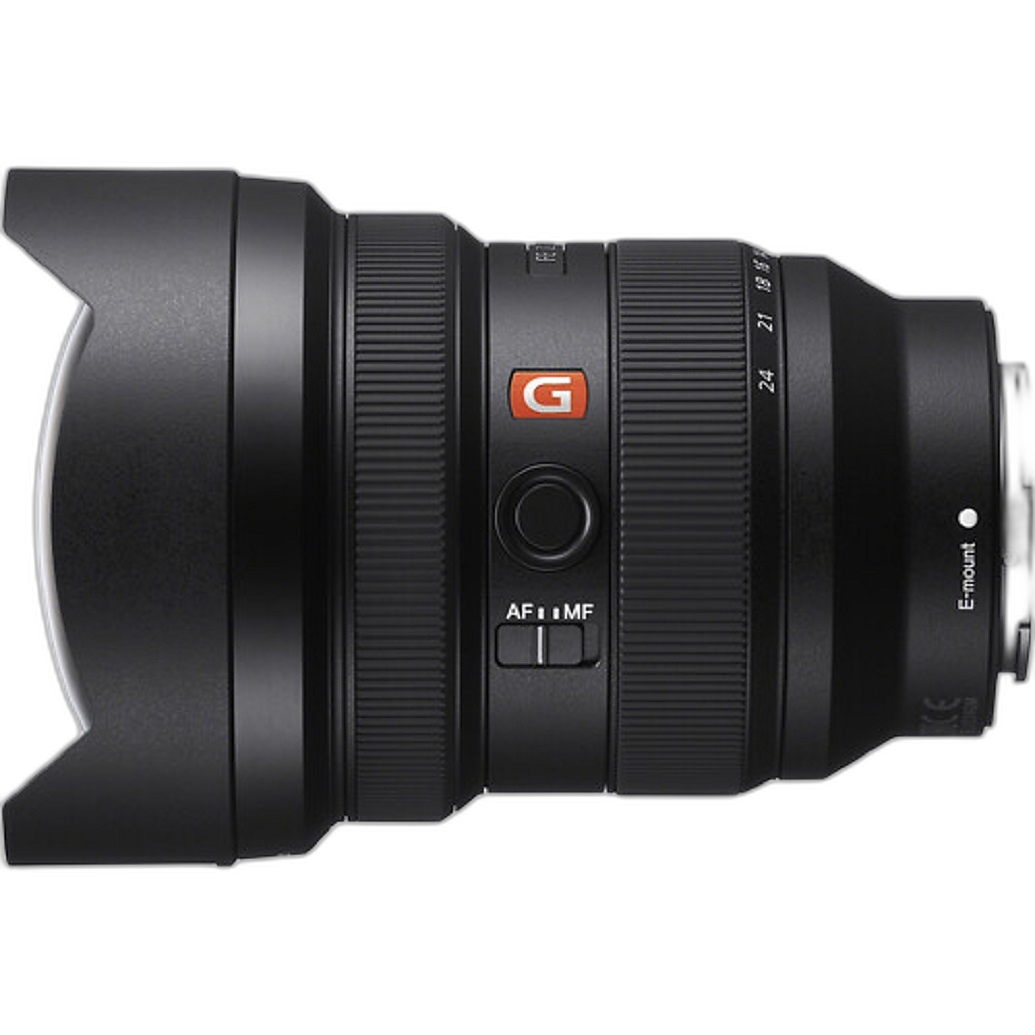
Portrait photographers do not usually think of ultra-wide lenses first, but they can still play a creative role. The Sony FE 12-24mm f/2.8 GM Lens is not a traditional portrait lens, yet it can be useful for environmental portraiture, dramatic editorial work, and stylized compositions where the setting is just as important as the subject.
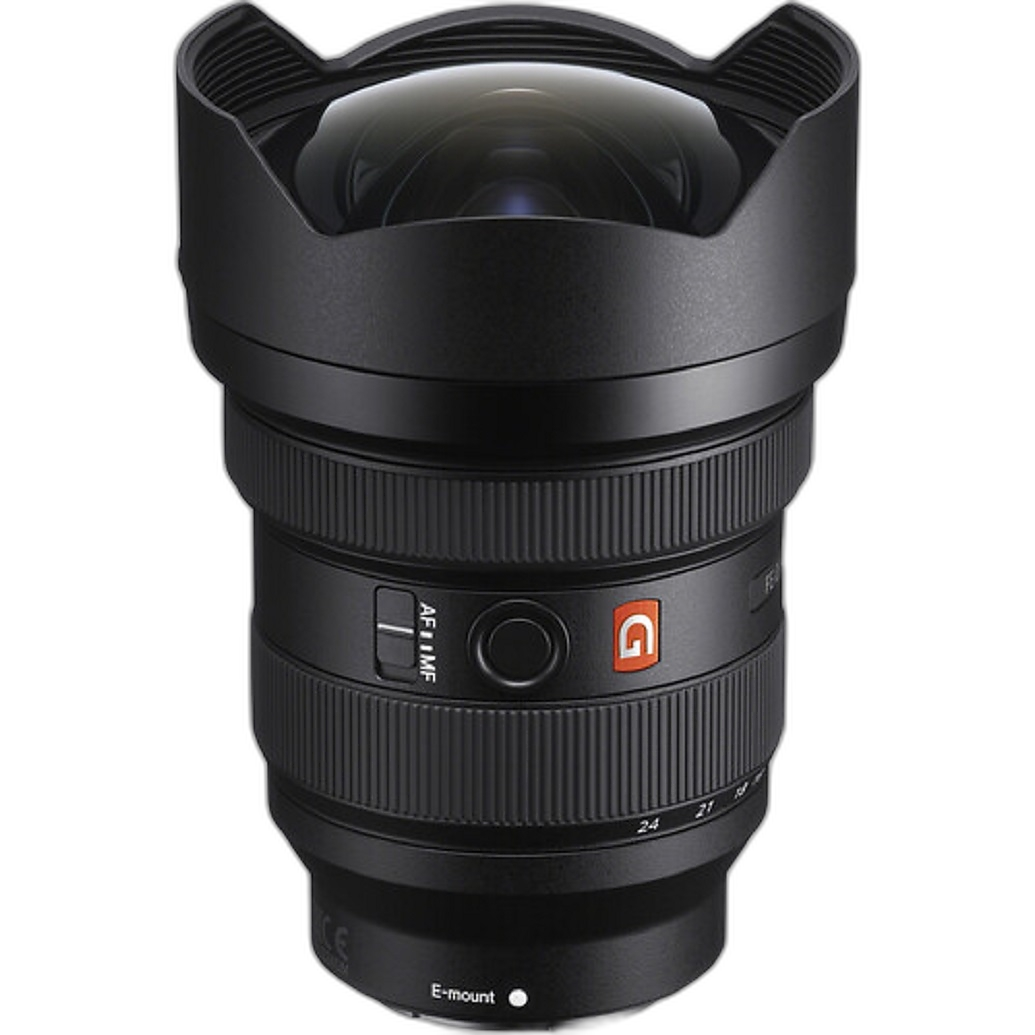
Using a Lens Compare Beta tool, this is the kind of lens that reminds you how much perspective affects portraits. At 12mm to 24mm, you can create bold images with strong foreground emphasis, but you must be careful about subject placement and facial distortion.
The Sony FE 12-24mm f/2.8 GM may be worth considering if you shoot:
- Environmental portraits with dramatic architecture
- Editorial fashion portraits
- Creative social media content
- Portraits in tight spaces where you cannot step back
For traditional headshots or flattering close-up portraits, however, most photographers will still prefer longer focal lengths. This makes the 12-24mm GM more of a specialty complement than a primary portrait lens.
Zoom vs prime for Sony portrait photography
One of the most common portrait lens questions at Unique Photo is whether a zoom or a prime is better. Lens Compare Beta can help answer this by showing how much overlap and practical flexibility you really need.
Choose a zoom if you want:
- Fast reframing during sessions
- One lens for multiple genres
- Convenience for events and family shoots
- A cost-effective way to test favorite portrait focal lengths
Choose a prime if you want:
- Maximum background blur
- Low-light performance
- A dedicated portrait look
- A lighter mental workflow with one fixed perspective
Even though this comparison is centered on currently available products, the principle stays the same: use a comparison tool to determine whether focal-length flexibility or aperture speed matters more for your work. For many photographers, the Sony FE 24-105mm f/4 G OSS is a strong starting point because it covers so many portrait scenarios well.
How to pick the best Sony portrait lens for your shooting style
The right lens depends on the type of portraits you shoot most often.
For family and lifestyle portraits:
A zoom like the Sony FE 24-105mm f/4 G OSS is a smart choice because compositions change quickly and you may need to go from wide group shots to tighter individual portraits in seconds.
For headshots and corporate portraits:
Look for focal lengths around 85mm to 105mm. A zoom that reaches 105mm can be very effective, especially when paired with good lighting.
For environmental portraits:
You may want wider framing to include the location. The Sony FE 24-105mm gives you flexibility at the wide end, while the Sony FE 12-24mm f/2.8 GM opens up even more dramatic possibilities for stylized work.
For creative editorial portraits:
A wider lens can help build visual tension and atmosphere, but use it intentionally to avoid unflattering distortion.
What to compare besides focal length and aperture
When using Lens Compare Beta, do not stop at focal length and maximum aperture. A few additional considerations can make a major difference in portrait work:
- Minimum focusing distance: Helpful for tighter framing and detail shots.
- Lens size and weight: Important if you shoot long sessions or travel frequently.
- Image stabilization: Useful for handheld portrait sessions, especially with slower shutter speeds.
- Build quality: A strong choice if you shoot outdoors regularly.
- Future system growth: A versatile zoom may complement future portrait primes as your kit expands.
At Unique Photo, many photographers build their Sony system in stages, beginning with a flexible lens that handles a wide range of situations and later adding specialized portrait glass once they know exactly what look they prefer.
Is the Sony FE 24-105mm f/4 G OSS enough for portraits?
Yes, for many photographers it absolutely is. While portrait specialists may eventually add a fast prime, the Sony FE 24-105mm f/4 G OSS can produce excellent portraits with strong sharpness, flattering longer focal lengths, and practical framing flexibility.
This lens is especially appealing if you:
- Need one lens for portrait sessions and everyday work
- Shoot outdoors or with strobes
- Want to explore multiple portrait focal lengths before buying a prime
- Value convenience as much as image quality
If your comparison process shows that you constantly work at the long end of the zoom, that insight can guide your next purchase. That is one of the biggest benefits of using a lens comparison approach before building out a full portrait kit.
Final thoughts on choosing the best Sony lens for portraits
If you are choosing the best Sony lens for portraits using Lens Compare Beta, start by thinking about how you actually shoot. Do you need flexibility across multiple portrait styles, or are you chasing a highly specific look? For many photographers shopping at Unique Photo, the Sony FE 24-105mm f/4 G OSS Lens is the most practical portrait-friendly option because it spans several ideal portrait focal lengths while remaining useful far beyond portrait work. The Sony FE 12-24mm f/2.8 GM Lens, meanwhile, is a creative specialty choice for environmental and dramatic portraiture.
A smart comparison process helps you avoid overbuying, underbuying, or choosing a lens that does not match your real-world needs. Unique Photo is a great place to explore Sony lenses, compare options, and build a portrait kit that supports your style now and as your work evolves.
For next steps, consider linking your research with other helpful resources on Unique Photo, such as Sony mirrorless camera guides, Sony lens category pages, portrait lighting recommendations, and buying guides for full-frame E-mount systems.