Choosing Between Sony, Panasonic, and Canon for YouTube Video Production
If you're building a YouTube setup, Sony, Panasonic, and Canon are three of the most common brands creators compare. Each has a strong reputation, but they appeal to different kinds of video makers. Sony is often favored for autofocus and hybrid shooting, Panasonic is well known for video-first features and strong value, and Canon remains a go-to for color science, ease of use, and creator-friendly cameras.
The challenge is that the "best" brand depends on what kind of YouTube content you produce. A solo vlogger, livestreamer, studio educator, and event-based creator all need different tools. While this article focuses on the Sony vs. Panasonic vs. Canon decision, it's also worth noting that some creators may be better served by stepping beyond mirrorless bodies into dedicated video tools like camcorders and PTZ cameras.
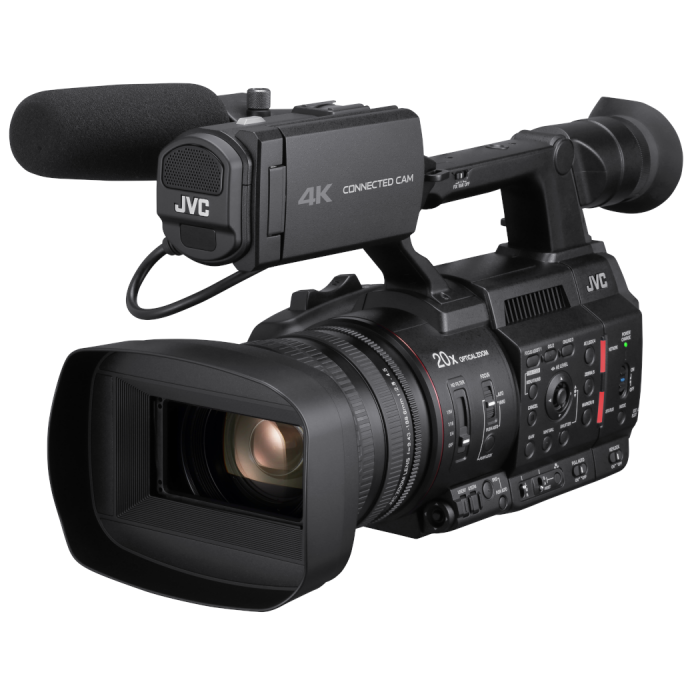
That is where JVC can enter the conversation. If your workflow is more about reliable long-form recording, streaming, remote production, or multi-camera setups than cinematic lens swapping, JVC's professional camcorders and PTZ models deserve a serious look.
At-a-Glance Brand Comparison
| Brand | Best For | Typical Strengths | Potential Drawbacks |
|---|---|---|---|
| Sony | Solo creators, hybrid shooters, fast-paced production | Excellent autofocus, broad mirrorless lineup, strong video tools, great lens ecosystem | Menus can feel dense, some models may require add-ons for ideal audio and rigging |
| Panasonic | Video-first creators, controlled productions, value-minded filmmakers | Strong codecs, stabilization, video features, dependable thermal performance on many models | Autofocus reputation varies by generation, lens choices may feel narrower depending on mount |
| Canon | Creators who want pleasing color and easy operation | User-friendly interface, reliable autofocus, attractive color science, popular creator cameras | Specs and pricing can vary widely, some models may be less aggressive on video features at a given price |
| JVC Professional Video | Long-form YouTube, podcast studios, streaming, education, events, house of worship, sports coverage | Integrated zoom lenses, pro I/O, PTZ options, streaming-friendly design, dependable recording workflows | Less oriented toward interchangeable-lens cinematic shooting styles |
Why the Brand Decision Matters for YouTube
YouTube production is not one category. It can mean handheld walking-and-talking vlogs, studio talking heads, multicam podcasts, interviews, tutorials, church streaming, sports highlights, or product demos. Sony, Panasonic, and Canon each have mirrorless models that can do these jobs well, but the wrong choice can create friction in autofocus performance, battery life, overheating confidence, lens costs, or workflow complexity.
For example, a creator filming solo often prioritizes autofocus and easy framing. A studio team may care more about clean HDMI, remote control, and unlimited-style operation. A sports or event channel may benefit more from a dedicated camcorder with a built-in long zoom than from a mirrorless body with multiple lenses.
Autofocus and Solo Shooting
Sony is often the first recommendation for solo YouTubers because autofocus is such a major factor when you are both the talent and the operator. Canon is also very strong here, especially for creators who want polished skin tones and a straightforward camera experience. Panasonic can be excellent depending on the specific model, especially if your setup is controlled and you are not relying on constant face-tracking in unpredictable environments.
If your content is less about shallow depth-of-field aesthetics and more about simply staying in focus for long sessions, a pro camcorder can be even more practical. Models with integrated lenses, broadcast-style ergonomics, and long-form reliability reduce a lot of common creator headaches.
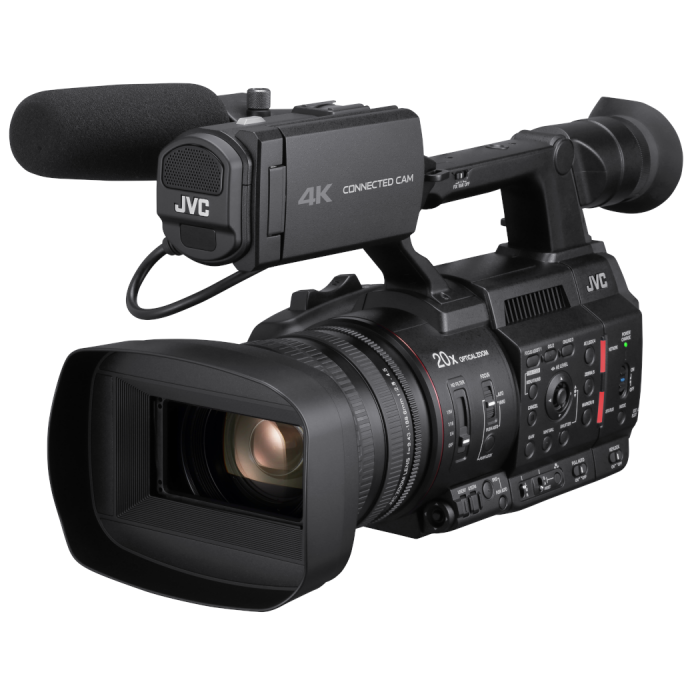
Image Style and Color Preferences
Canon often gets praise from creators who want appealing color straight out of camera. Sony gives a very flexible platform with strong image quality and broad grading options. Panasonic attracts users who want deep video controls and flexible capture formats. None of these brands is universally best in image quality for YouTube, because lighting, lens choice, audio, and your editing workflow matter just as much.
If your channel publishes frequently and values efficiency over heavy grading, ease of use can matter more than edge-case image differences. That is why many creators end up choosing the system that helps them produce more consistently rather than the one with the most spec-sheet appeal.
Lenses, Cost, and System Growth
Sony generally offers one of the deepest ecosystems for creators who want to expand into multiple focal lengths, gimbals, and hybrid photo/video work. Canon's ecosystem is attractive for users who value native-brand simplicity and familiar handling. Panasonic can be especially compelling if you want strong video performance for the money.
But interchangeable-lens systems are not always the most cost-effective answer for YouTube. If you need a power zoom range, easy setup, built-in ND functionality in some pro categories, or predictable operation across long recordings, a dedicated camcorder may save money and time over building out a mirrorless rig.
When a Dedicated Video Camera Makes More Sense
This is the part many YouTube buyers overlook. If your production involves lectures, livestreams, church services, interviews, sports, or recurring studio sessions, a dedicated video camera can be the smarter choice than Sony, Panasonic, or Canon mirrorless options.
JVC's professional lineup highlights this difference clearly. Instead of asking which stills-first brand makes the best YouTube camera, you can choose a tool built around video operation from the start.
| Model | Type | Key Video Advantage | Ideal YouTube Use |
|---|---|---|---|
| JVC GY-HC500U | Handheld 4K professional camcorder | 1-inch sensor, connected workflow, pro camcorder handling | Interviews, events, educational content, documentary-style channels |
| JVC GY-HC500MC | Handheld 4K connected camcorder | 20x zoom and pro acquisition flexibility | Field production, events, specialty capture |
| JVC GY-HC500SPCU | Handheld 4K connected camcorder | Sport overlays and production-oriented workflow | Sports channels and live event creators |
| JVC GY-HM250SP | Compact handheld camcorder | Integrated 12x lens in a compact body | Schools, community coverage, straightforward video production |
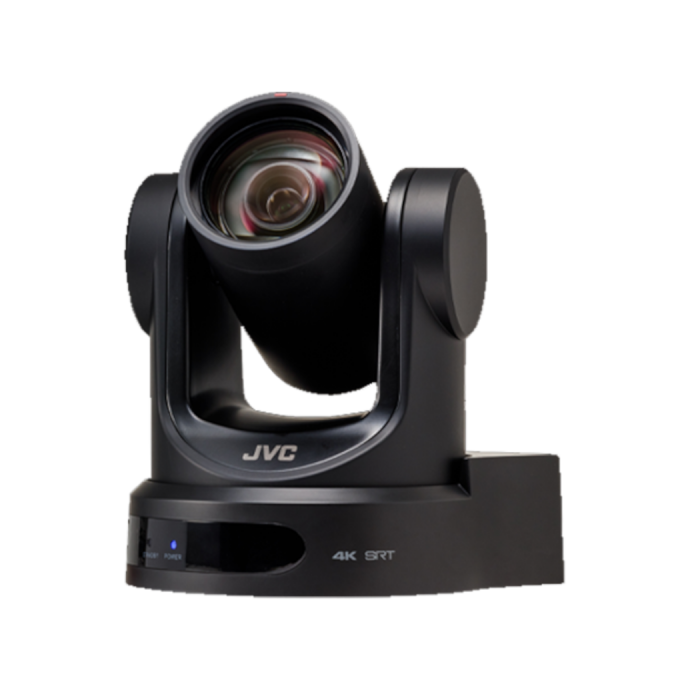
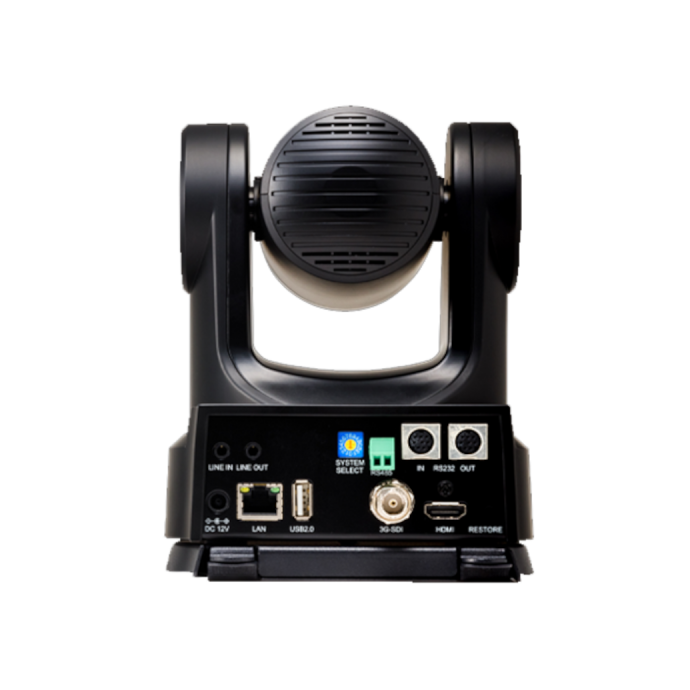
| JVC KY-PZ400N | 4K PTZ camera | Remote operation and NDI HX workflow | Podcasts, houses of worship, studio streaming, multicam YouTube productions |
| JVC KY-PZ200N | HD PTZ camera | Remote control with 20x optical zoom | Budget-conscious streaming and fixed-position recording |
For Studio, Podcast, and Streaming Channels
If your YouTube production is tripod-based or permanently installed, PTZ cameras can be a game changer. Rather than assigning a person to every camera, remote-controlled units let you adjust framing, switch angles, and maintain a cleaner production space.
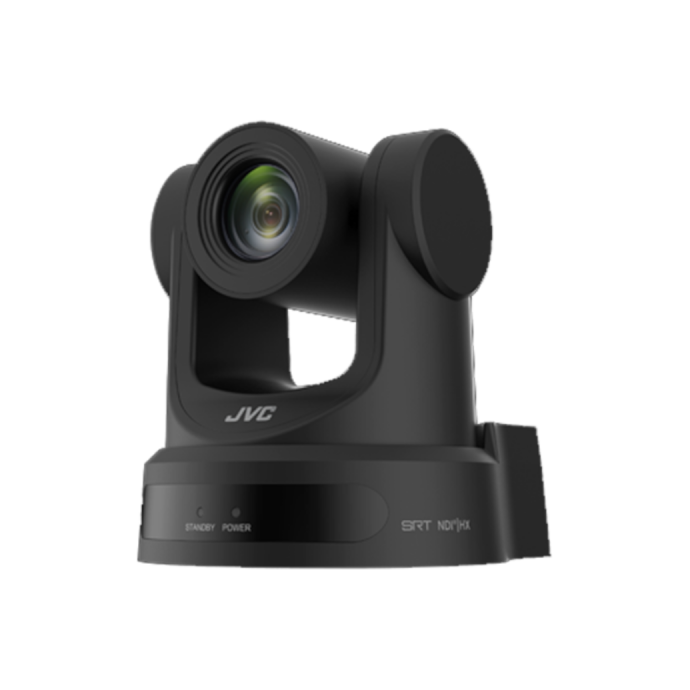
The JVC KY-PZ400N 4K NDI HX PTZ Remote Camera is especially relevant for modern streaming workflows. It is a smart fit for churches, podcast sets, classrooms, corporate studios, and creator teams that want a more professional multicam setup without turning to a full broadcast build.
For Run-and-Gun and Long Recording Sessions
Mirrorless cameras from Sony, Panasonic, and Canon are appealing for cinematic flexibility, but for long events or practical field coverage, handheld camcorders remain excellent tools. They are faster to deploy, easier to operate continuously, and often more comfortable for professional-style shooting.
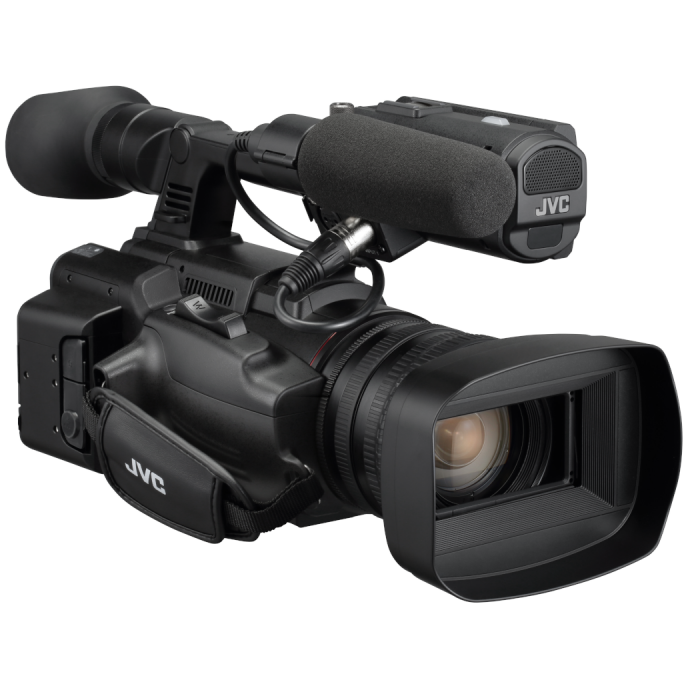
The JVC GY-HC500U stands out here because it combines a 1-inch sensor with a professional camcorder body and connected workflow features. For YouTube creators covering conferences, training sessions, interviews, and community events, that kind of design can be more useful than building out a mirrorless kit piece by piece.
Our Pick
But if your channel is centered on streaming, long-form coverage, multicam production, education, worship, sports, or studio podcasting, our practical recommendation is to look beyond the usual mirrorless debate and choose a dedicated JVC video solution instead. The JVC GY-HC500U is our top pick for creators who need a versatile professional camcorder, while the JVC KY-PZ400N is the standout for remote-controlled studio and livestream setups.
Which Type of Creator Should Choose What?
Choose Sony if...
You work alone, move around a lot, need dependable autofocus, and want a system that can scale from YouTube to photography, vertical content, and commercial work.
Choose Panasonic if...
You prioritize video features, controlled shoots, and value. It can be a great fit for creators who light their scenes carefully and want strong video-first functionality.
Choose Canon if...
You want an easy learning curve, attractive out-of-camera color, and a creator-friendly experience that feels approachable from day one.
Choose JVC if...
You are producing content more like a video team than a casual creator. If your work includes sermons, lectures, live sports, school productions, interviews, remote-controlled cameras, or all-day recording, JVC's professional camcorders and PTZ systems may be the most efficient answer.
Conclusion
Choosing between Sony, Panasonic, and Canon for YouTube video production comes down to how you shoot, not just what specs look best on paper. Sony is a strong overall choice for most modern creators, Panasonic remains compelling for video-focused users, and Canon continues to appeal to those who want polished color and approachable operation.
At the same time, many serious YouTube productions are better served by dedicated video tools. If your workflow involves livestreaming, long-form capture, PTZ control, or professional event coverage, JVC's camcorders and remote cameras are absolutely worth considering. At Unique Photo, you can explore creator cameras, professional camcorders, and PTZ solutions to build the setup that truly fits your channel.