Choosing Between Sony GM and G Lenses Using Sony Lens Compare Beta
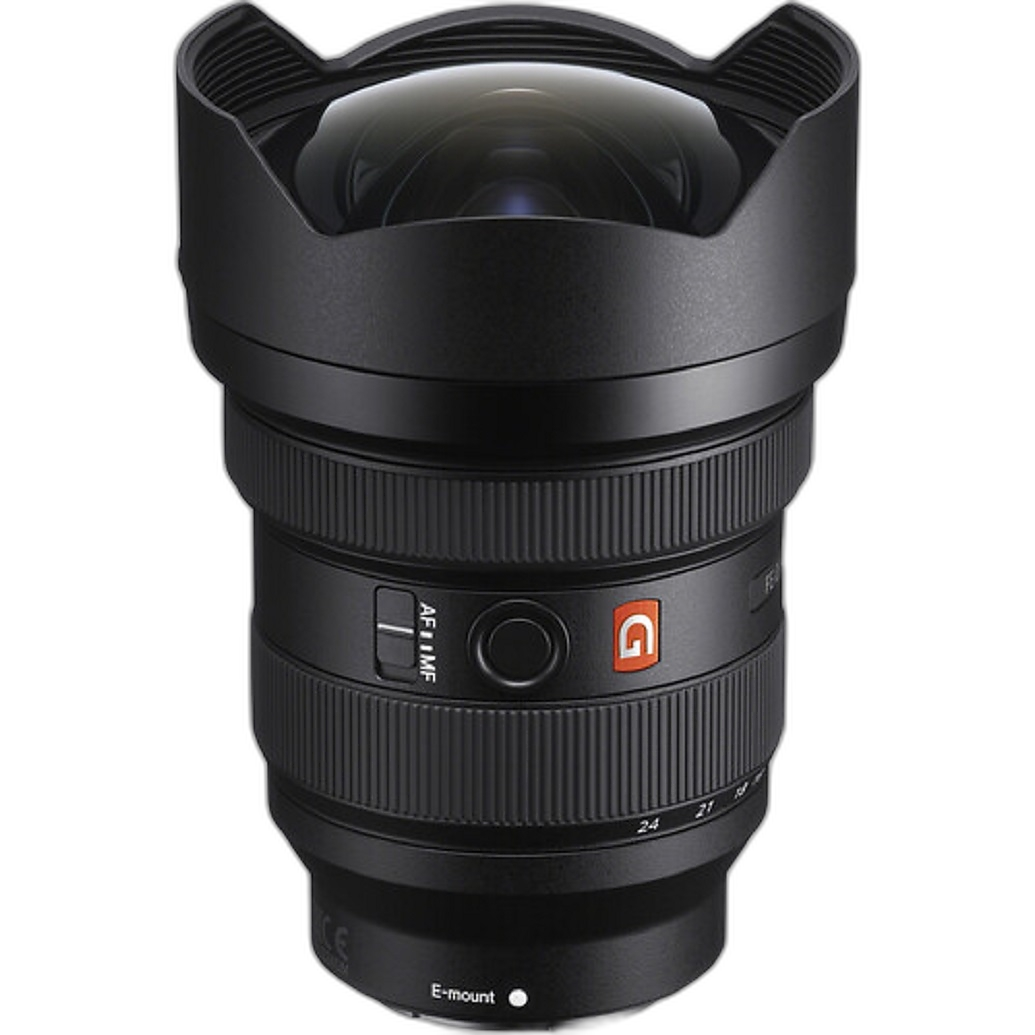
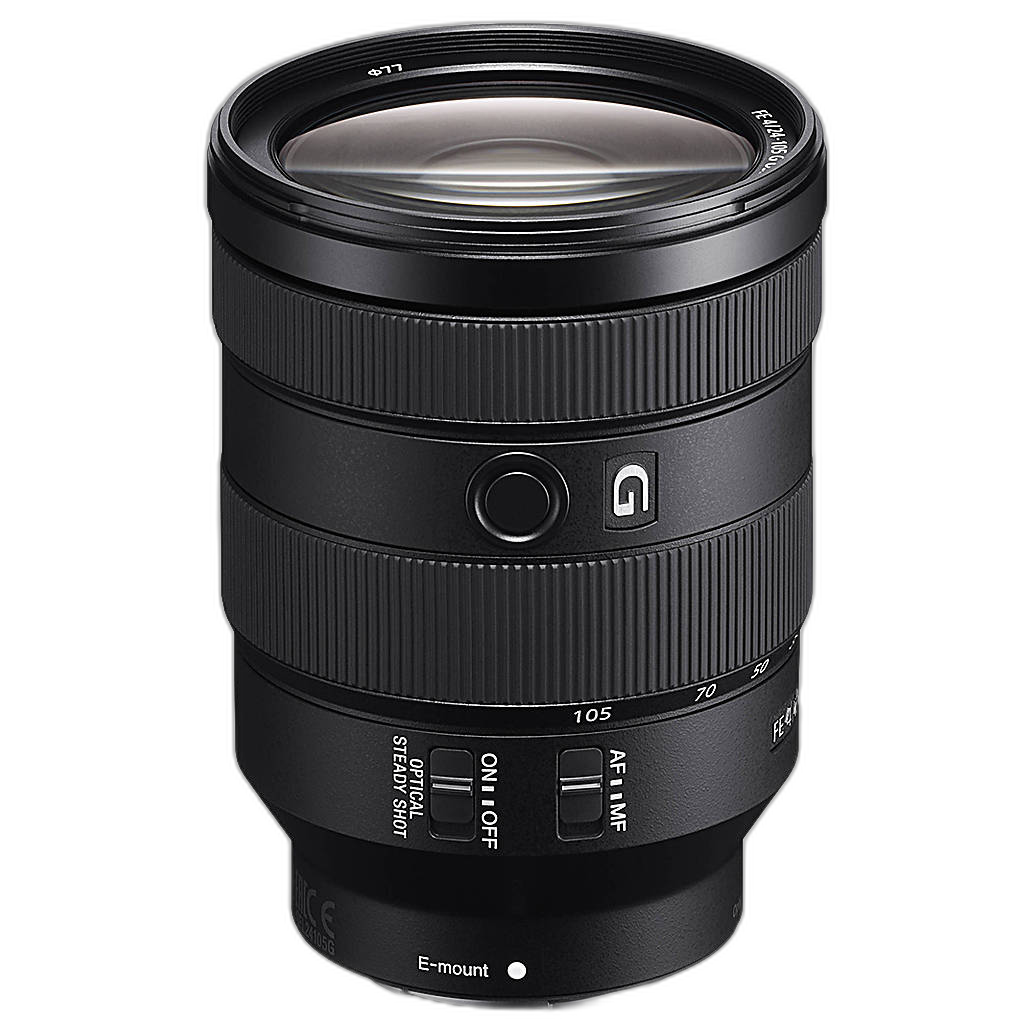
When Sony shooters start comparing lenses, one of the most common questions is whether stepping up from a Sony G lens to a Sony G Master lens is really worth the extra investment. Sony’s Lens Compare Beta makes that decision easier by letting photographers look at focal length, aperture, handling, and intended use side by side. In this comparison, we’re looking at two very different but highly relevant options in the Sony full-frame E-mount lineup: the Sony FE 12-24mm f/2.8 GM Lens and the Sony FE 24-105mm f/4 G OSS Lens.
These lenses are not direct one-to-one substitutes, but that is exactly why this comparison is useful. Many photographers shopping Sony glass are trying to decide whether premium GM optics justify the jump, or whether a more affordable and versatile G lens better matches real-world needs. If your work includes landscapes, interiors, travel, events, architecture, or hybrid shooting, this is a practical comparison.
Side-by-Side Specs Comparison
| Feature | Sony FE 12-24mm f/2.8 GM | Sony FE 24-105mm f/4 G OSS |
|---|---|---|
| Lens Type | Ultra-wide zoom | Standard zoom |
| Mount | Sony E-mount | Sony E-mount |
| Format | Full-frame | Full-frame |
| Focal Length | 12-24mm | 24-105mm |
| Maximum Aperture | f/2.8 | f/4 |
| Series | G Master | G |
| Stabilization | No lens OSS listed | Optical SteadyShot (OSS) |
| Best For | Architecture, interiors, landscapes, astro, video | Travel, walkaround, events, portraits, video |
| Primary Advantage | Speed and elite ultra-wide optical performance | Versatility and value in a single-lens solution |
What Sony Lens Compare Beta Helps You See
Tools like Sony Lens Compare Beta are helpful because they shift the buying decision away from marketing labels and toward actual shooting priorities. A GM badge usually signals Sony’s top-tier optical ambition: better corner performance, faster apertures, premium construction, and stronger appeal for demanding professionals. A G lens often aims for a smarter balance of quality, size, price, and usability.
That means the question is not simply "Is GM better?" The better question is "Will GM improve the kind of images and assignments I actually shoot?"
Focal Length and Real-World Use
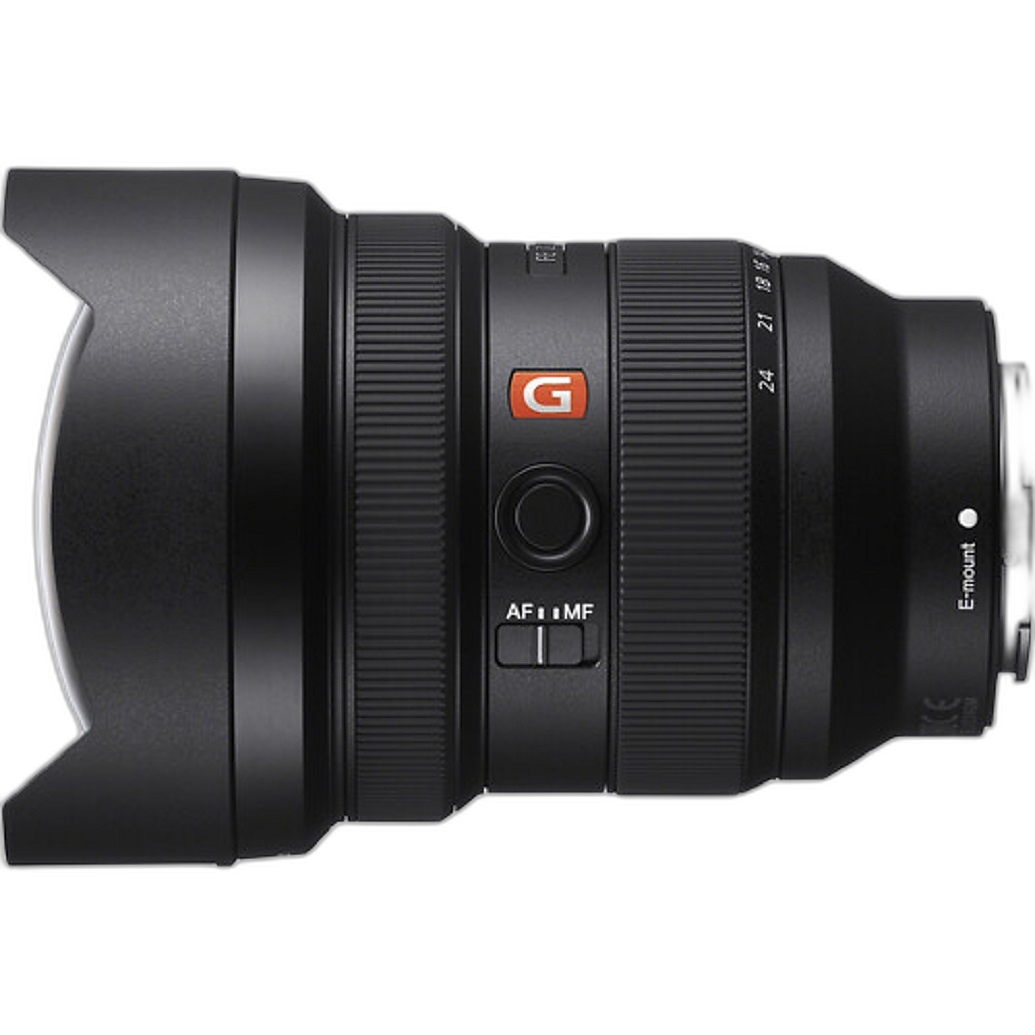
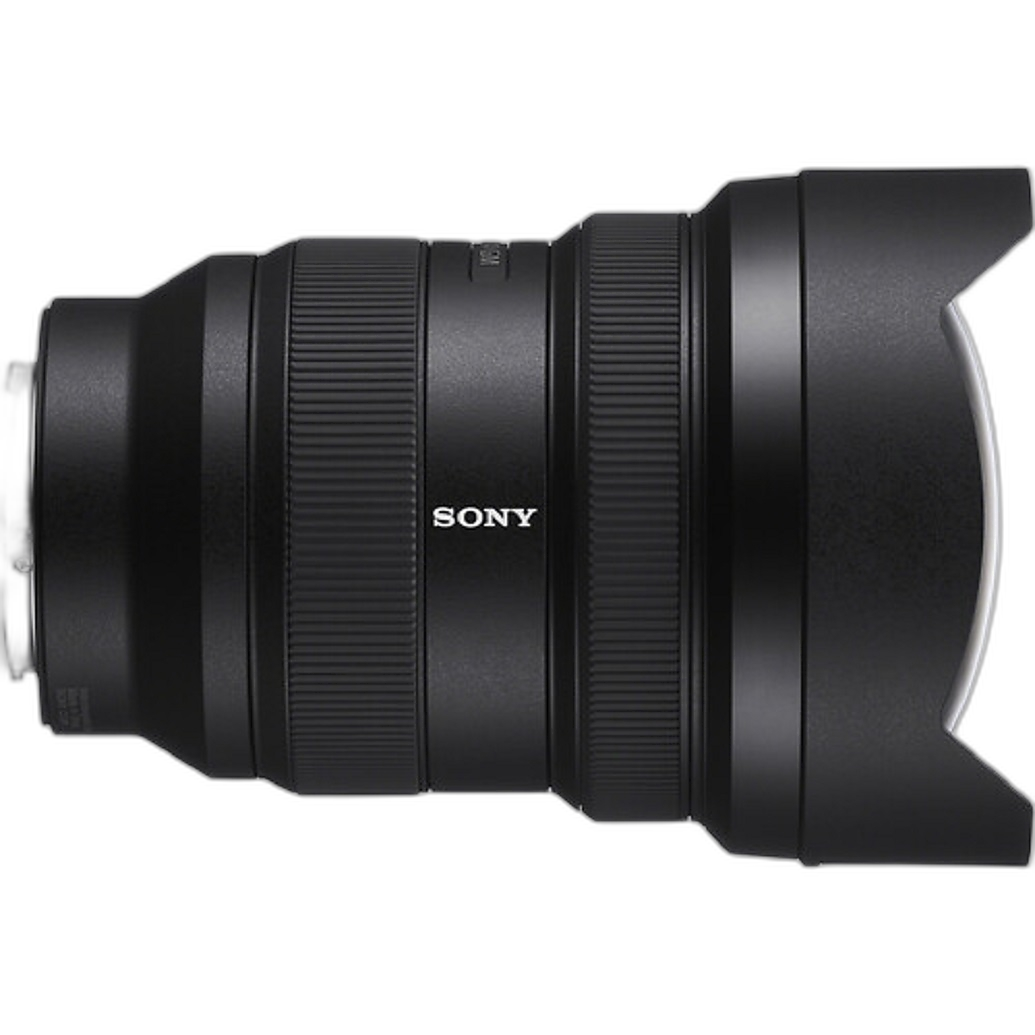
The biggest difference here is not GM versus G. It is 12-24mm versus 24-105mm. The Sony FE 12-24mm f/2.8 GM is a specialized creative tool. At 12mm, it captures an enormous field of view that is ideal for dramatic landscapes, tight interiors, real estate photography, architecture, and certain cinematic video looks. If you regularly need extreme width, there is no substitute for it.
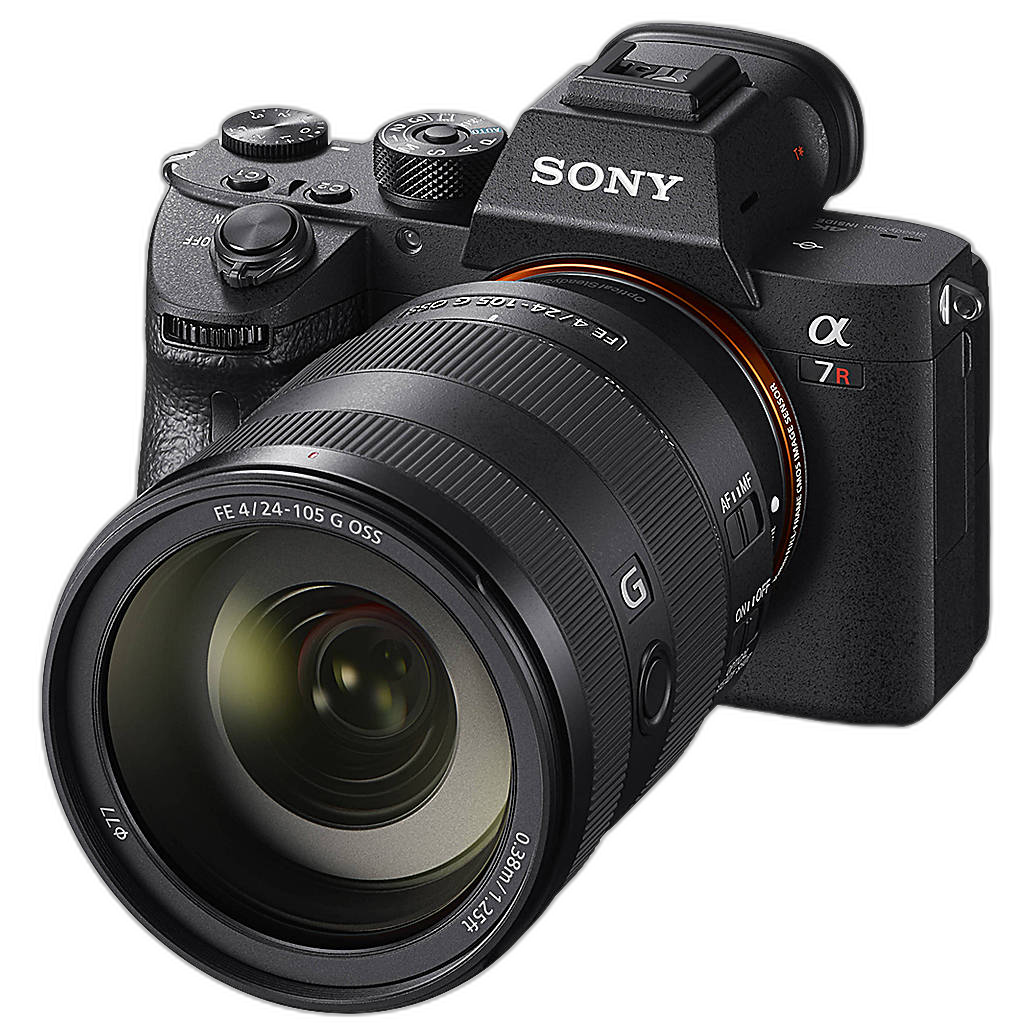
By contrast, the Sony FE 24-105mm f/4 G OSS is one of the most practical lenses in Sony’s system. Starting at 24mm gives you a useful wide end for travel and environmental scenes, while 105mm reaches into flattering portrait and detail territory. For many photographers, this is the lens that can stay on the camera all day.
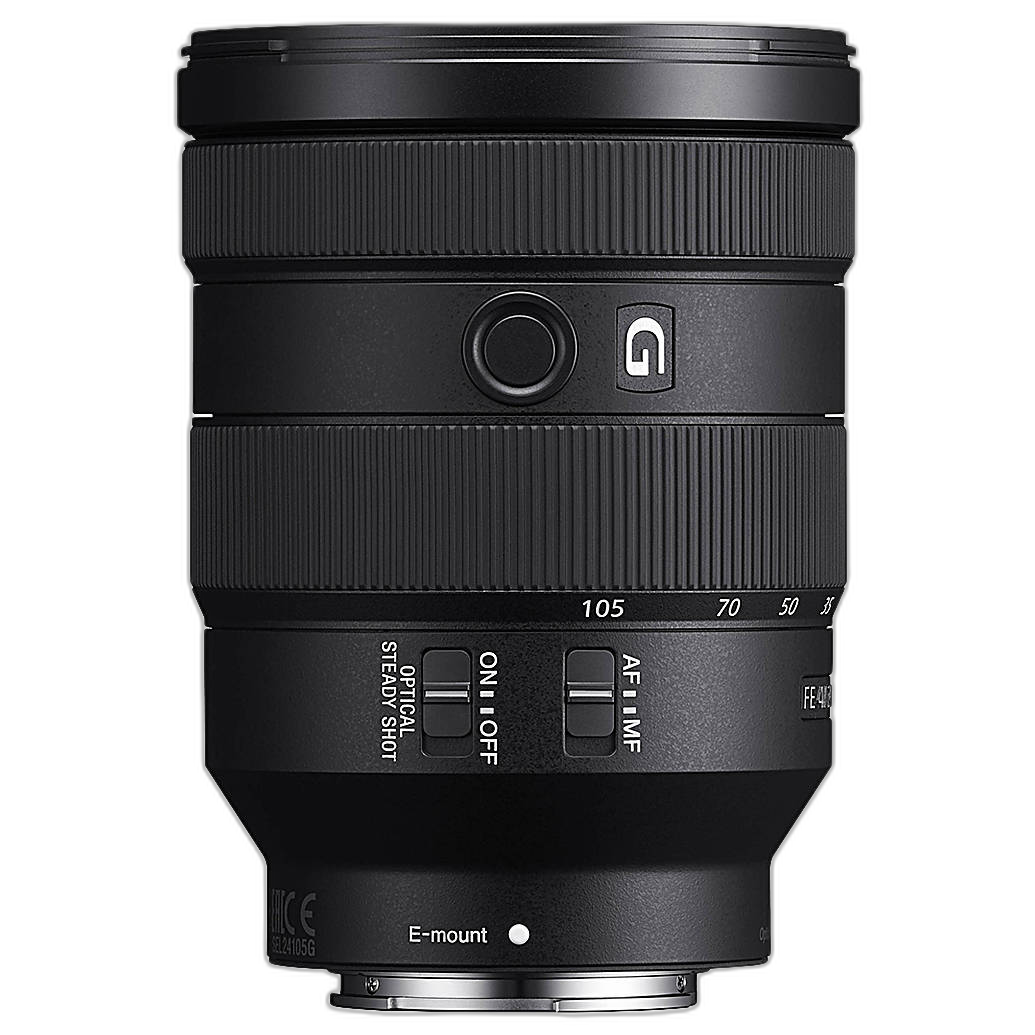
Bottom line: if your comparison in Sony Lens Compare Beta starts with focal length needs, the answer may already be clear. If you need ultra-wide, the GM makes sense. If you need one lens to cover the widest range of common scenarios, the G lens is the more practical choice.
Aperture and Low-Light Performance
This is where the GM upgrade becomes easier to justify. The FE 12-24mm offers a constant f/2.8 aperture, while the FE 24-105mm offers a constant f/4 aperture. That one-stop difference matters for low-light work, astrophotography, event interiors, and video production where you want to preserve shutter speed or keep ISO under control.
On ultra-wide lenses in particular, f/2.8 can be a major advantage. Landscape and night-sky photographers often value every bit of extra light, and the faster aperture also helps separate premium ultra-wide zooms from more general-purpose designs.
The 24-105mm’s f/4 aperture is still very usable, especially since it adds OSS. For travel and everyday shooting, that combination is often more than enough. But if your workflow routinely pushes low light or demands the best possible subject isolation at the wide end, the GM earns its premium positioning.
Optical Ambition: GM vs G
Sony G Master lenses are designed to deliver top-tier resolution and rendering for high-resolution sensors and demanding commercial work. While every lens should be judged individually, GM lenses generally appeal most to photographers who care deeply about edge-to-edge sharpness, contrast, flare control, and premium build execution.
The FE 12-24mm f/2.8 GM fits that profile. Ultra-wide zooms are difficult to design well, and a fast ultra-wide zoom is even harder. A lens in this category is typically purchased by serious users who need exceptional performance across the frame.
The FE 24-105mm f/4 G OSS, meanwhile, is one of the classic examples of a lens that succeeds because it balances image quality with range and convenience. It may not be the most exotic choice in the lineup, but it is often one of the smartest. For many users, the gains from upgrading to a GM lens elsewhere in the system will be more visible than replacing a versatile 24-105mm if this focal range already fits their needs well.
Versatility and Everyday Value
If you are trying to decide whether the GM upgrade is worth it for general photography, the 24-105mm f/4 G OSS makes a very strong argument for staying with the G tier. It covers landscapes, street scenes, portraits, travel details, casual events, and video with minimal lens swapping. That convenience often outweighs theoretical image-quality gains from a more specialized premium lens.
The 12-24mm f/2.8 GM is not an everyday lens for most people. It is a high-performance specialty lens. It shines when your subject matter rewards extreme perspective and wide coverage. If those are core to your style or profession, it can absolutely be worth the upgrade. If not, its capabilities may be underused.
Stabilization and Video Considerations
The FE 24-105mm f/4 G OSS has another practical advantage: Optical SteadyShot. That feature is especially useful for handheld stills and video, particularly on bodies where stabilization benefits can stack effectively with in-body stabilization. For run-and-gun creators, documentary shooters, and travel videographers, OSS adds meaningful everyday usability.
The 12-24mm f/2.8 GM counters with its wider perspective and faster aperture, both of which are also useful for video. Ultra-wide framing is easier to stabilize naturally, and f/2.8 gives more flexibility in dim environments. So for gimbal work, real estate video, architecture coverage, or cinematic establishing shots, the GM may be the stronger creative tool even without OSS.
Who Should Upgrade to GM?
The GM upgrade is worth it if you fall into one of these groups:
- You frequently shoot landscapes, interiors, architecture, or real estate and need extreme wide-angle coverage.
- You shoot in low light and benefit directly from f/2.8.
- You want Sony’s premium-level optical design for high-end professional output.
- Your style depends on dramatic perspective that only a 12mm ultra-wide can provide.
The upgrade is probably not worth it if:
- You want one lens to do a bit of everything.
- You prioritize travel convenience and flexible framing.
- You rarely shoot wider than 24mm.
- You are looking for the best value-per-shot rather than the most specialized premium option.
Our Pick
Our Pick: Sony FE 24-105mm f/4 G OSS Lens for most photographers.
If the question is simply whether upgrading from a Sony G lens to a GM lens is worth it, the answer is: only when the lens’s unique strengths match your actual work. For most photographers and hybrid creators, the Sony FE 24-105mm f/4 G OSS Lens is the smarter overall buy because it delivers excellent range, dependable image quality, stabilization, and everyday flexibility in one package.
Choose the Sony FE 12-24mm f/2.8 GM Lens instead if ultra-wide performance is central to your photography or video work. In that case, the GM premium is justified not just by the badge, but by the specialized capability.
Conclusion
Sony Lens Compare Beta is most useful when it helps you identify whether you are paying for meaningful gains or just aspirational features. In this matchup, the Sony FE 12-24mm f/2.8 GM Lens represents the kind of upgrade that makes sense for specialists who truly need elite ultra-wide performance. The Sony FE 24-105mm f/4 G OSS Lens remains the more versatile and practical choice for the broadest range of shooters.
If you are deciding between Sony GM and G lenses, the best move is to compare not just specs, but how each lens fits your shooting style. Explore both options at Unique Photo to find the Sony lens that delivers the best value for your workflow.