Event videography asks a lot from your camera. One moment you are covering a dimly lit ceremony, the next you are following fast-paced action at a reception, conference, recital, or live presentation. That is why one of the biggest decisions videographers face is whether to bring a dedicated camcorder, a hybrid camera, or a mix of both. While hybrid cameras are popular for their cinematic look and compact size, camcorders still offer major advantages for long-form coverage, run-and-gun shooting, and dependable event workflow. If you are deciding what fits your shooting style best, these tips can help you choose the right tool for the job.
1. Start with the type of events you actually shoot
Match the camera style to the pace and structure of the job
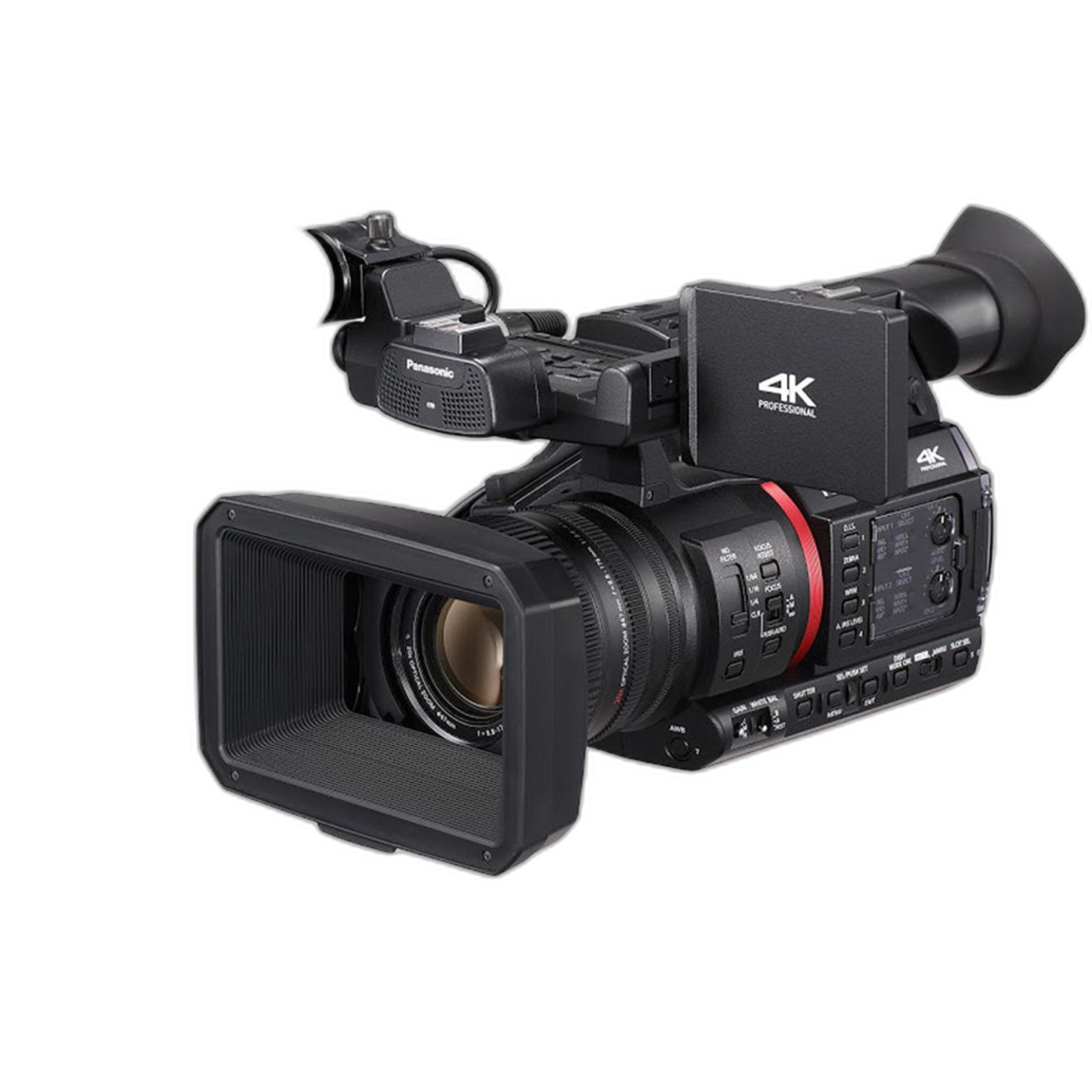
If your work centers on weddings, corporate presentations, school performances, worship services, or sports coverage, a camcorder often makes more sense than a hybrid camera. Events like these usually require long continuous recording, servo zoom control, reliable handheld ergonomics, and quick reaction times. A model like the Panasonic AG-CX350 4K Camcorder is a strong fit when you need an all-in-one event tool with professional handling and a built-in zoom range that lets you adapt without changing lenses.
On the other hand, if your event work is more stylized and you prioritize shallow depth of field, lens swapping, and a more cinematic visual approach, a hybrid camera may still be appealing. But for shooters who need to capture the full event with minimal interruption, camcorders remain hard to beat.
2. Think about recording time before you think about aesthetics
Long-form reliability is often the deciding factor
One of the biggest reasons event professionals choose camcorders is uninterrupted coverage. Speeches, ceremonies, performances, and panel discussions do not pause so you can swap batteries, manage overheating, or restart recording after a clip limit. Dedicated camcorders are built around sustained video capture, which can reduce stress during critical moments.
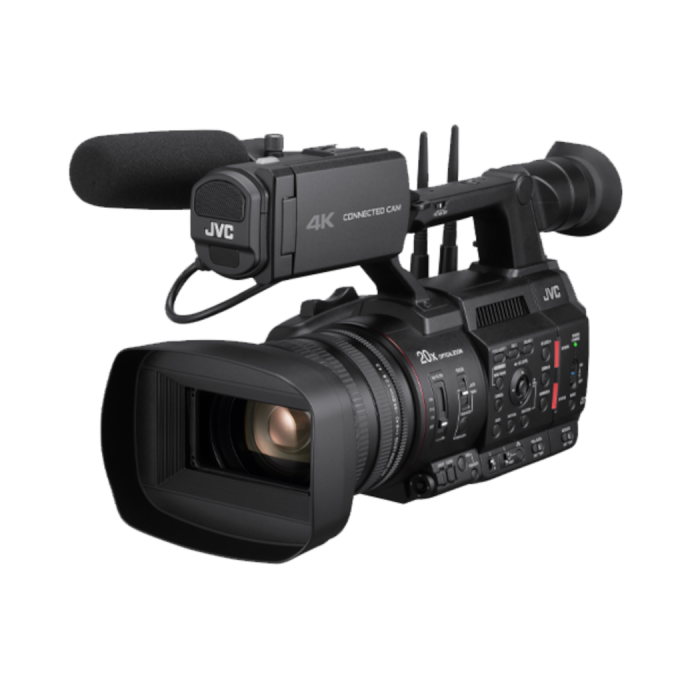
The JVC GY-HC550 Handheld Connected Cam 1in 4K Broadcast Camcorder is a great example of a camera designed for serious event coverage, especially when dependability and professional connectivity matter as much as image quality. If your priority is capturing the entire event cleanly and consistently, a camcorder is usually the safer choice than a hybrid body focused on short-form content creation.
3. Consider how important power zoom is to your shooting style
Camcorders shine when you need smooth framing changes during live moments
Event videography rarely gives you second chances. During a ceremony or live program, you may need to go from a wide establishing shot to a tight close-up in seconds, and do it smoothly. That is where camcorders offer a clear advantage. Built-in power zoom lenses make it easier to reframe in real time without stopping to swap lenses or physically move through a crowded venue.
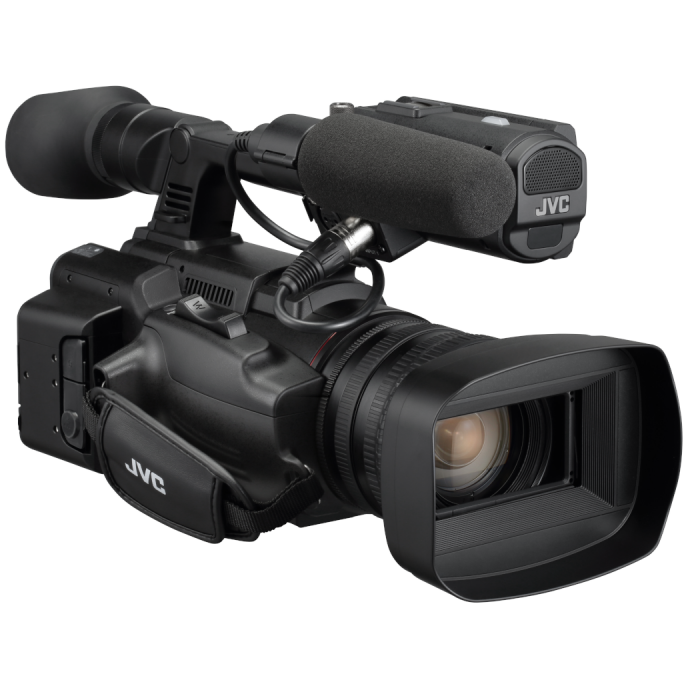
The Panasonic HC-X2100 4K ENG Camcorder is especially appealing for shooters who want a compact event camera with ENG-style handling. For solo operators, having responsive zoom control built into the camera can make coverage more efficient and polished than relying on manual photo lenses typically used on hybrid cameras.
4. Be honest about your audio needs
Professional sound can matter more than ultra-shallow depth of field
Clients will forgive a little less background blur long before they forgive bad audio. Many event shooters find that camcorders streamline sound capture because they are built with production-friendly controls and inputs in mind. Whether you are plugging into a venue soundboard, using wireless mics, or monitoring levels during a live program, camcorders generally provide a more direct workflow.
The JVC GY-HC500U Handheld Connected Cam 1in 4K Professional Camcorder fits naturally into productions where stable audio management is a priority. Hybrid cameras can absolutely deliver strong results, but often require more rigging and accessories to match the convenience that a pro camcorder provides out of the box.
5. If you want a more cinematic look, do not rule out larger-sensor camcorders
You may not have to choose between convenience and visual character
Some videographers assume camcorders always mean a traditional broadcast look, but that is not necessarily true. Larger-sensor camcorders can offer a more cinematic image while preserving the ergonomic and operational strengths that event shooters appreciate. If you want a balance of controlled depth of field, built-in lens convenience, and handheld practicality, this category deserves a close look.
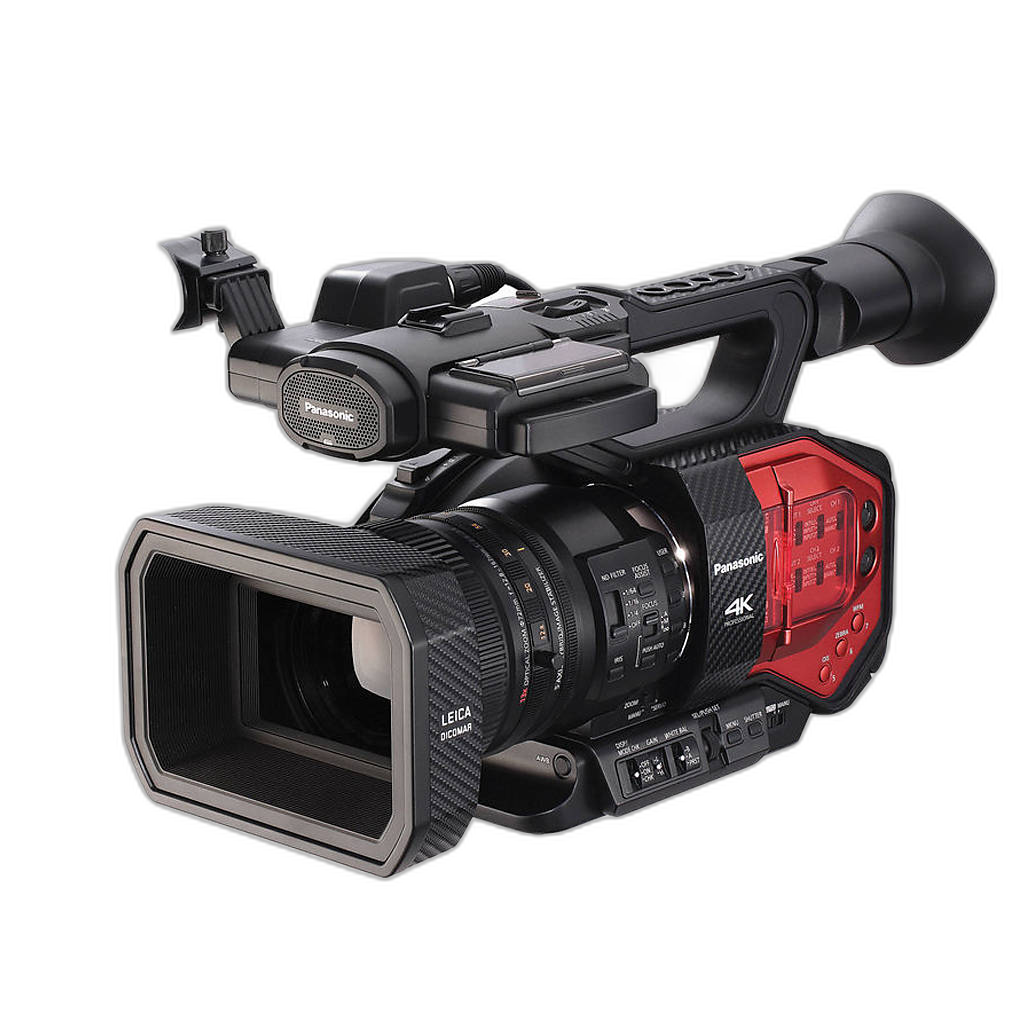
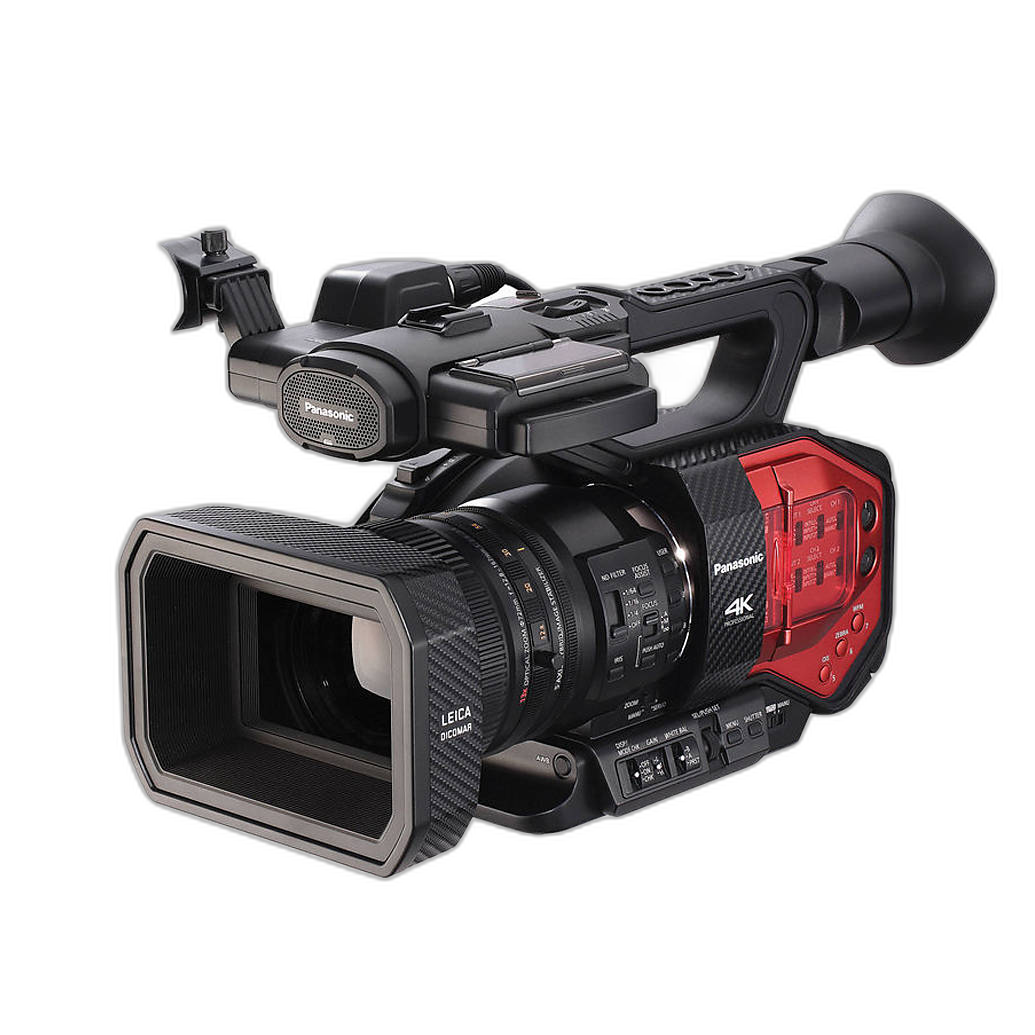
The Panasonic AG-DVX200 4K Handheld Camcorder with 4/3 Sensor and Zoom Lens is a great option for event videographers who want more visual separation and richer image character without giving up the run-and-gun advantages of a dedicated camcorder. It occupies a useful middle ground between the classic camcorder workflow and the aesthetic ambitions that often lead people toward hybrid systems.
6. Budget matters, but so does total system cost
A camcorder can be more cost-effective than building out a hybrid rig
Hybrid cameras often look affordable at first, but event-ready setups can quickly become more expensive once you add lenses, cages, audio accessories, external monitors, power solutions, and stabilization tools. A camcorder may provide more of what you need in one package, which can be a better value for working professionals or emerging videographers.
If you are trying to maximize value, the Panasonic X20 Professional Camcorder is worth considering as a practical event solution. And for budget-conscious shooters who still want a highly capable pro-style tool, the Used Panasonic AG-DVX200 4K Camcorder - Excellent can be an especially smart way to step into a more advanced event workflow without stretching your budget too far.
7. Choose for the workflow, not just the spec sheet
The best event camera is the one that helps you react quickly under pressure
On paper, hybrid cameras can seem hard to resist. But event videography is all about execution under real-world conditions: uneven lighting, crowded venues, changing timelines, and moments you cannot repeat. Camcorders are often the better answer when speed, reach, stability, and operational simplicity are more important than building a heavily accessorized setup.
For example, the JVC GY-HC500SPCU Handheld 4K Connected Camcorder with Sport Overlays points to the kind of specialized workflow advantages dedicated camcorders can offer in live and structured coverage environments. Even if that exact feature set is not what every event shooter needs, it highlights an important truth: camcorders are often designed with practical production demands front and center.
8. A hybrid camera is great for some jobs, but a camcorder often wins for coverage
Many event professionals still rely on camcorders as their primary tool
If your main job is to document an event thoroughly and professionally, a camcorder is often the more dependable choice. Hybrid cameras are excellent for highlight reels, creative portraits, behind-the-scenes footage, and stylized promo work. But when the assignment calls for full-length coverage, fast reframing, stable handheld shooting, and efficient audio capture, camcorders continue to offer major real-world benefits.
The Panasonic AG-CX350, Panasonic HC-X2100, JVC GY-HC550, and Panasonic AG-DVX200 all represent different takes on that event-friendly philosophy, giving videographers options based on budget, size, sensor preference, and shooting style.
Conclusion
Choosing between a camcorder and a hybrid camera for event videography comes down to what you need most on the job: long recording times, zoom flexibility, dependable audio, easy handling, or a more cinematic look. For many event shooters, the answer is still a dedicated camcorder, especially when missing the moment is not an option. If you are ready to compare event-ready video tools in more detail, Unique Photo offers a strong selection of professional camcorders to help you build a setup that fits the way you really shoot.