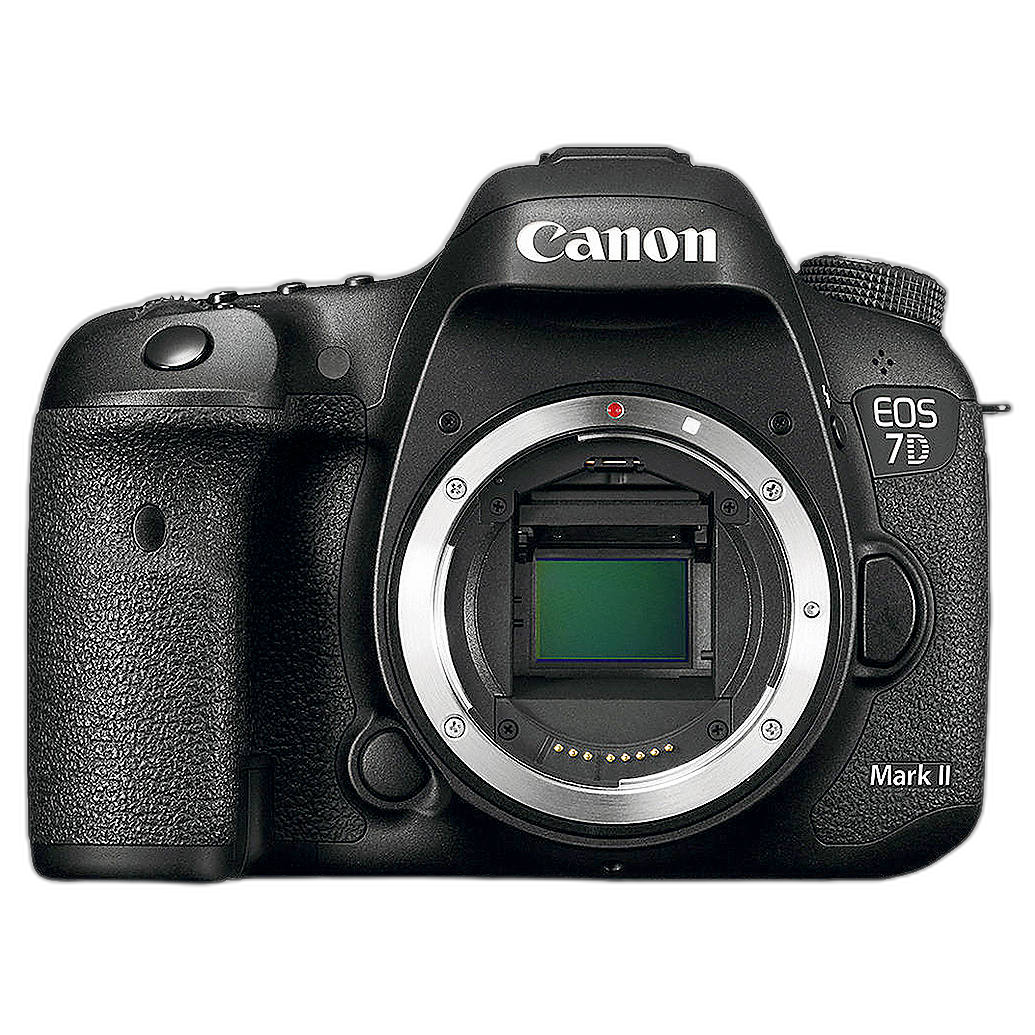
Canon’s September 2009 introduction of the EOS 7D marked a major moment for photographers who wanted speed, durability, and serious creative control in an APS-C body. Positioned as a high-performance camera for action, wildlife, sports, and enthusiast photographers, the 7D arrived with the kind of confidence usually reserved for top-tier models. It was not merely another step up from entry-level DSLRs. It was presented as a true flagship for Canon’s APS-C line, combining an 18MP APS-C sensor, 8 fps continuous shooting, Full HD 1080p video, and compatibility with Canon EF lenses in a body that felt purpose-built for demanding use.
At launch, the Canon EOS 7D carried a U.S. price of $1,699, placing it firmly in advanced enthusiast and semi-professional territory. For many photographers in 2009, that price made sense the moment they picked it up and looked at the specification sheet. Canon clearly understood the market for photographers who needed responsiveness and toughness, but who also appreciated the reach advantages of the APS-C format when shooting sports and wildlife.
A New Kind of APS-C Flagship
By 2009, Canon’s EOS lineup already had strong options across consumer, enthusiast, and professional categories. What made the EOS 7D stand out was how decisively it carved out its own identity. This was a camera designed for photographers who wanted more than an incremental update. The 7D arrived as a statement that the APS-C format could support a body with genuine flagship ambitions.
The appeal was immediate for action shooters. An 8 fps burst rate was a headline feature, especially in an APS-C DSLR. For sports, birds, motorsports, and fast-moving subjects, that kind of speed gave photographers a meaningful edge. The EOS 7D was built for timing, for sequences, and for the split-second moments that can define an image. In an era when many photographers still judged a camera first by its handling and responsiveness, the 7D made an excellent first impression.
18MP APS-C: Resolution Meets Reach
The EOS 7D’s 18MP APS-C sensor gave photographers a compelling balance of detail and practical field use. In 2009, 18 megapixels represented an impressive resolution figure in this class, offering room for cropping while preserving the benefits that many users associated with Canon’s APS-C format. Wildlife and sports photographers, in particular, often favored APS-C bodies because of the narrower field of view produced with telephoto lenses, effectively helping them fill the frame with distant subjects.
That sensor resolution also made the 7D attractive beyond pure action work. Landscape enthusiasts, travel photographers, and general-purpose shooters could appreciate the extra detail on offer. The result was a camera with broad appeal: fast enough for demanding assignments, but versatile enough for photographers who wanted one body to handle nearly everything.
Built for Speed: 8 fps Continuous Shooting
Speed was central to the 7D’s identity. The 8 fps continuous shooting rate was one of the camera’s defining features at launch and helped set it apart from many competitors and stablemates. For photographers tracking a soccer match, a raptor in flight, or a bicycle sprint, the difference between a slower burst and 8 fps could mean the difference between near-miss and keeper.
Just as importantly, the 7D’s speed reinforced the sense that Canon had designed this model around real-world shooting demands, not simply marketing bullet points. Fast burst shooting only matters when paired with a camera that feels responsive in the hand, and the 7D’s release-period reputation was tied closely to that idea of confidence and readiness. This was a camera intended to keep up.
1080p Video and the DSLR Hybrid Era
Another major reason the EOS 7D drew attention in 2009 was its 1080p video capability. Canon had already played a significant role in pushing DSLR video into the mainstream, and the 7D arrived at a time when filmmakers, multimedia journalists, and hybrid shooters were increasingly interested in still cameras that could also deliver cinematic-looking motion footage.
Full HD recording helped make the 7D relevant well beyond traditional still photography circles. It offered enthusiasts and professionals a more affordable route into DSLR video while preserving the advantages of interchangeable lenses and the visual character associated with larger sensors. For many buyers in 2009, this was not a secondary feature. It was part of the reason to pay close attention to the camera.
Seen from today’s perspective, 1080p may feel standard, but in the release period it represented a meaningful feature for a fast APS-C DSLR. The EOS 7D stood at the intersection of still imaging performance and the fast-evolving world of digital video.
Canon EF Mount Flexibility
The EOS 7D used the Canon EF mount, placing it within one of the industry’s most established lens ecosystems. That mattered enormously. Buyers considering the 7D were not just evaluating a camera body; they were considering access to Canon’s broad range of optics for sports, portraiture, wildlife, reportage, and more.
For action shooters especially, the lens ecosystem was a crucial part of the camera’s appeal. A high-speed body only reaches its potential when paired with capable telephoto glass, and Canon’s system strength was part of the 7D’s practical value from day one. Existing Canon users could add the 7D as a high-performance APS-C body without changing systems, while new buyers could see a clear path for future growth.
Who the EOS 7D Was For
The EOS 7D was especially well suited to photographers who prioritized performance. Sports shooters, wildlife specialists, aviation enthusiasts, and photojournalists all had reasons to be interested. At the same time, it also appealed to advanced hobbyists who wanted a camera that felt more serious, more robust, and more responsive than entry-level or midrange alternatives.
Its place in the market was especially interesting because it was not only about affordability versus full-frame. For many photographers, APS-C was a deliberate choice. The combination of reach, speed, and lower overall system cost made practical sense. Canon recognized that reality, and the 7D was the company’s answer for users who wanted an APS-C camera with top-tier intent.
A Release-Period Perspective
Viewed in the context of 2009, the Canon EOS 7D was one of the most exciting DSLR introductions of its class. It combined high resolution for the format, notably fast burst shooting, and contemporary video capability in a package aimed squarely at serious image-makers. It was a camera that suggested Canon was listening carefully to photographers who needed a workhorse body below the company’s most expensive professional models.
The 7D also reflected a broader moment in camera history. DSLRs were evolving rapidly, and buyers expected more from each new generation: more speed, more resolution, better multimedia features, and stronger differentiation between models. The EOS 7D met that moment with unusual clarity. It was not trying to be everything for everyone. It was trying to be the APS-C DSLR for photographers who needed performance first.
Why the EOS 7D Still Matters Historically
Historically, the Canon EOS 7D remains important because it helped define what an enthusiast-action DSLR could be in the late 2000s. It demonstrated that an APS-C body could be presented as a premium, aspirational tool rather than simply a stepping stone to full-frame. That idea resonated strongly with photographers then and remains relevant when looking back at the era.
Its reputation was earned through a clear formula: an 18MP APS-C sensor, 8 fps shooting, 1080p video, and the strength of the Canon EF system. Those features, combined with its launch positioning and price, made it one of the most memorable Canon announcements of 2009.
Conclusion
The Canon EOS 7D arrived as a bold and timely DSLR for photographers who needed speed, reach, and versatility. In 2009, it felt like a serious tool for serious shooters, especially those working in sports and wildlife, while also embracing the growing importance of video. As an archival release-period announcement, it stands as one of the clearest examples of Canon elevating APS-C to flagship status. To explore classic Canon cameras, current gear, or learn more about the EOS system, Unique Photo remains a great place to buy equipment and dive deeper into camera history.