Can You Trust Sony Lens Compare Beta for Landscape Lens Choices?
Landscape photographers often want clear, objective guidance when comparing lenses, and Sony's Lens Compare Beta can be a helpful starting point. But for real-world landscape work, technical charts are only part of the story—factors like flare control, corner consistency, filter compatibility, and rendering style matter just as much when you are shooting sunrises, mountains, coastlines, and cityscapes.
At Unique Photo, we recommend using comparison tools as one layer in your decision process rather than the final answer. Below, we break down what the Beta can tell you, what it may miss, and how to choose a landscape lens with more confidence.
1. Are Sony Lens Compare Beta recommendations reliable for landscape photography?
They are useful, but they should not be treated as the only source of truth. Comparison tools can help you quickly evaluate lens sharpness trends, focal length options, and broad optical differences. For landscape photographers, that is valuable because edge-to-edge detail, distortion behavior, and aperture performance all affect the final image.
That said, landscapes are demanding in ways charts do not fully capture. You may be shooting into the sun, using filters, stopping down for depth of field, or printing very large. A lens that looks excellent on a technical graph may still behave differently in the field depending on flare resistance, coma, focus breathing, weather sealing, and handling on a tripod in harsh conditions.
For example, a premium ultra-wide option like the Sony FE 12-24mm f/2.8 GM Lens gives landscape shooters access to dramatic perspectives with top-tier optical performance, but the real value comes from how that performance holds up in practical use across the frame and in changing light.
2. Can I trust the MTF charts when picking a lens for landscapes?
MTF charts are helpful for understanding potential sharpness and contrast, especially from center to corner. For landscape work, this matters because fine textures like rocks, foliage, distant ridgelines, and architecture will reveal weaknesses quickly. If a chart shows strong edge performance, that is generally a good sign for scenic photography.
However, MTF charts have limits. They are not a complete preview of how a lens will render real scenes at different focus distances, apertures, and lighting angles. Landscapes are often shot stopped down around f/8 to f/11, while chart data may emphasize performance under other test conditions. Diffraction, field curvature, and real-world focusing variables can also affect results beyond what the chart suggests.
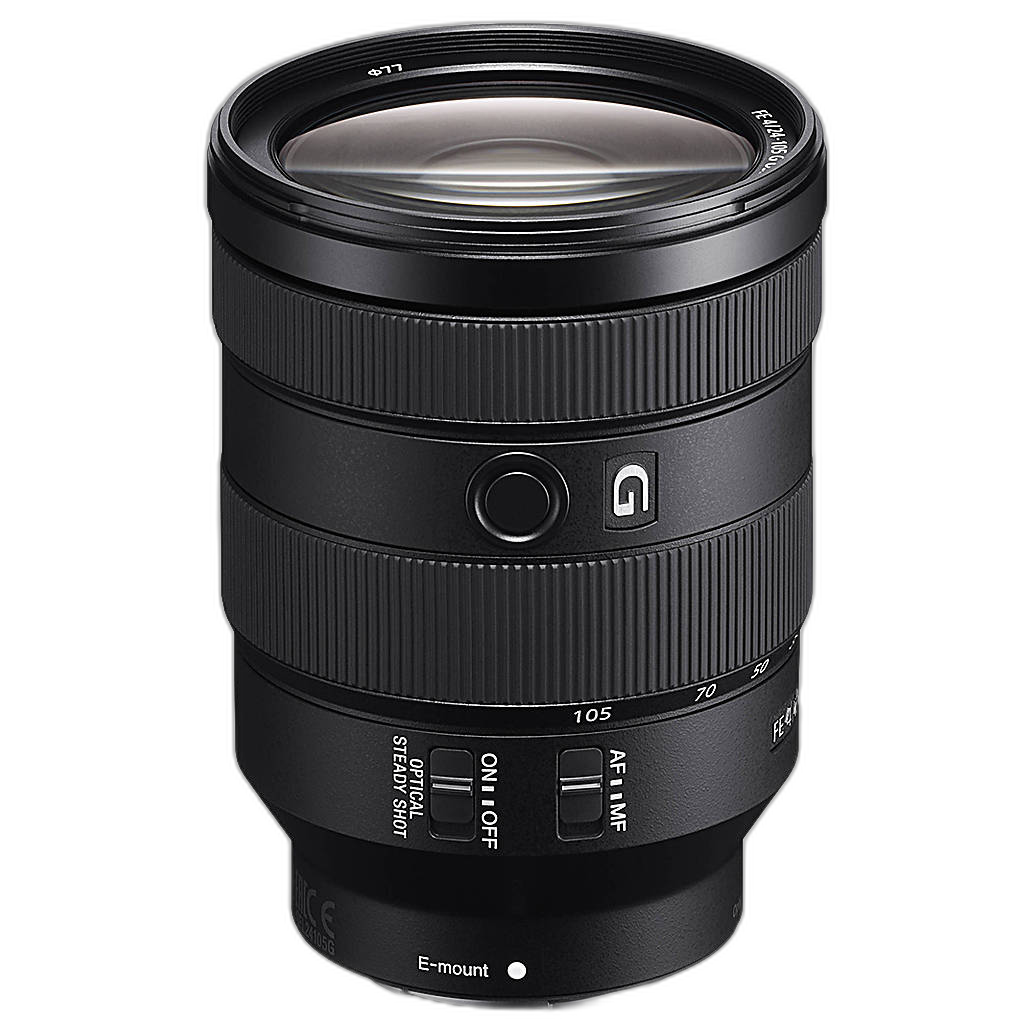
Our advice is to use MTF data to narrow your shortlist, then evaluate whether the lens also fits your shooting style. If you want one lens that can handle wide vistas and tighter compositions on the same hike, the Sony FE 24-105mm f/4 G OSS Lens is a strong example of a lens where lab-style sharpness data should be balanced against its versatility in the field.
3. Does the Beta account for sunstars, flare, and ghosting?
Usually not in a complete, practical way. Landscape photographers often care deeply about how a lens behaves when the sun is near or inside the frame. Sunstars, flare suppression, ghosting artifacts, and contrast retention are all critical for sunrise, sunset, and backlit scenes. These qualities are difficult to summarize with basic comparison metrics alone.
A lens may be technically sharp yet produce distracting flare patterns or weaker contrast when pointed toward bright light sources. Likewise, one lens may render clean, attractive sunstars while another gives a softer or less defined look. Those differences can have a major impact on your final images and your editing workflow.
This is one reason we encourage landscape shooters to supplement chart-based evaluation with field samples, hands-on testing, and product expertise. Build quality, coatings, hood design, and front element shape can all influence flare handling in ways that are not always obvious from a comparison tool.
4. Are sample images available, or is it mostly technical data?
Many comparison tools lean heavily on technical data, which is useful for narrowing choices but not always enough for landscape photographers. Sample images are important because they show how a lens handles real scenes: distant detail, high dynamic range conditions, color transitions in the sky, and edge rendering in organic environments.
When sample images are limited, it becomes more important to look at the lens category and intended use. An ultra-wide lens such as the Sony FE 12-24mm f/2.8 GM is built for expansive scenes, dramatic foreground emphasis, and astrophotography-friendly compositions, while a zoom like the Sony FE 24-105mm f/4 G OSS may better suit travelers and hikers who want broad framing flexibility in one lens.
If you are comparing lenses without enough visual examples, think in terms of your own typical landscape workflow: tripod or handheld, ultra-wide or standard-wide, filters or no filters, sunrise/sunset emphasis, and whether you need one lens or a dedicated specialized optic.
5. What landscape-specific qualities should I check beyond the Beta?
There are several. First, evaluate corner sharpness at the apertures you actually use, not just wide open. Second, check distortion and vignetting, especially for seascapes, architecture, or stitched panoramas. Third, consider flare resistance and sunstar rendering if you frequently shoot directly toward light sources.
Filter compatibility is another major issue. Many landscape photographers rely on circular polarizers, neutral density filters, and graduated ND systems. Some ultra-wide lenses with bulbous front elements require dedicated filter solutions rather than standard screw-in filters. That can affect both cost and convenience.
Weight and portability also matter. If you hike long distances, a slightly less extreme lens with broader usability may get more real-world use than a larger specialty optic. Weather resistance, focus accuracy for near-far compositions, and ease of manual focus fine-tuning can all be equally important once you are standing in the field before sunrise.
6. Is an ultra-wide lens always the best choice for landscapes?
No. Ultra-wide lenses are excellent for emphasizing foregrounds, dramatic skies, and expansive scenes, but they are not automatically the best landscape choice for everyone. In many locations, a moderately wide-to-short-telephoto zoom can actually be more practical, helping you simplify compositions and isolate shapes, light, and layers in the distance.
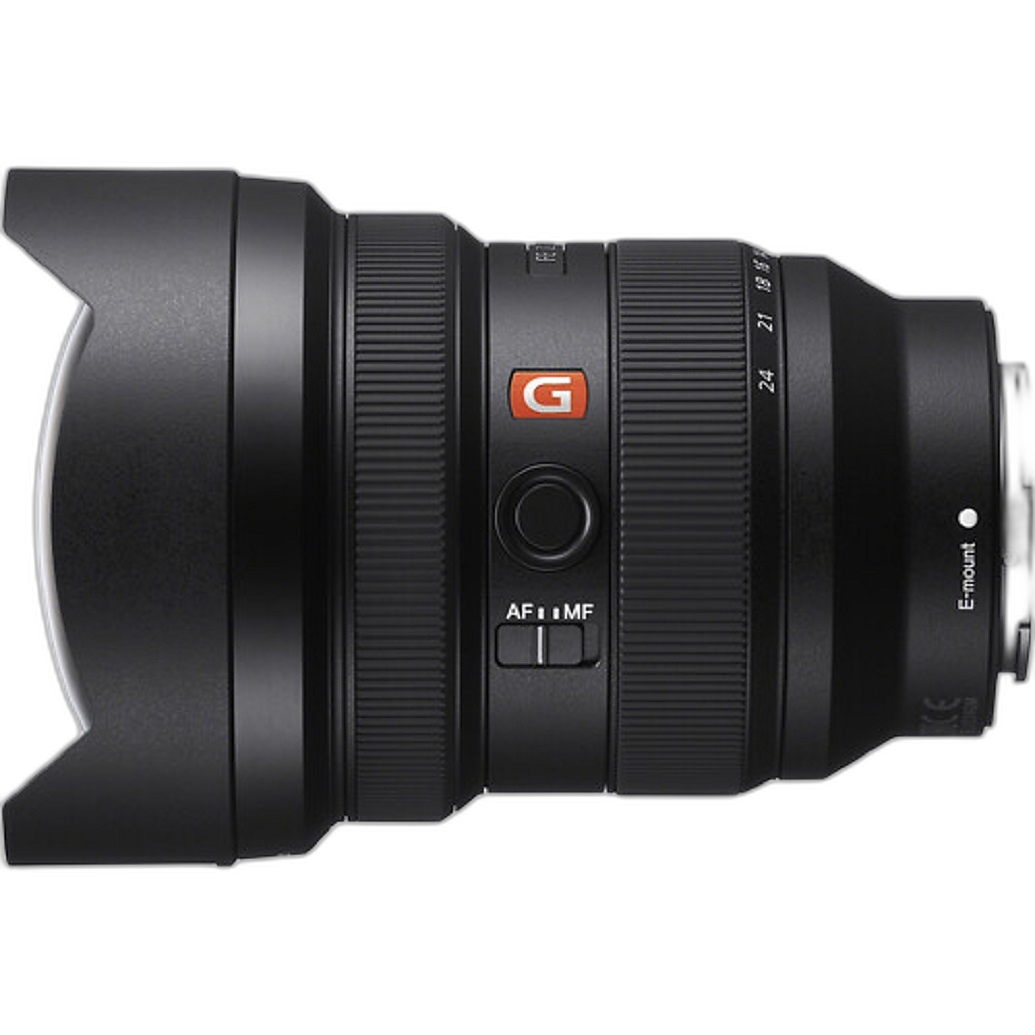
The Sony FE 12-24mm f/2.8 GM is a premium option for photographers who know they want a very wide perspective and high-end performance. It is ideal for dramatic foreground-led compositions, interiors, nightscapes, and big vistas.
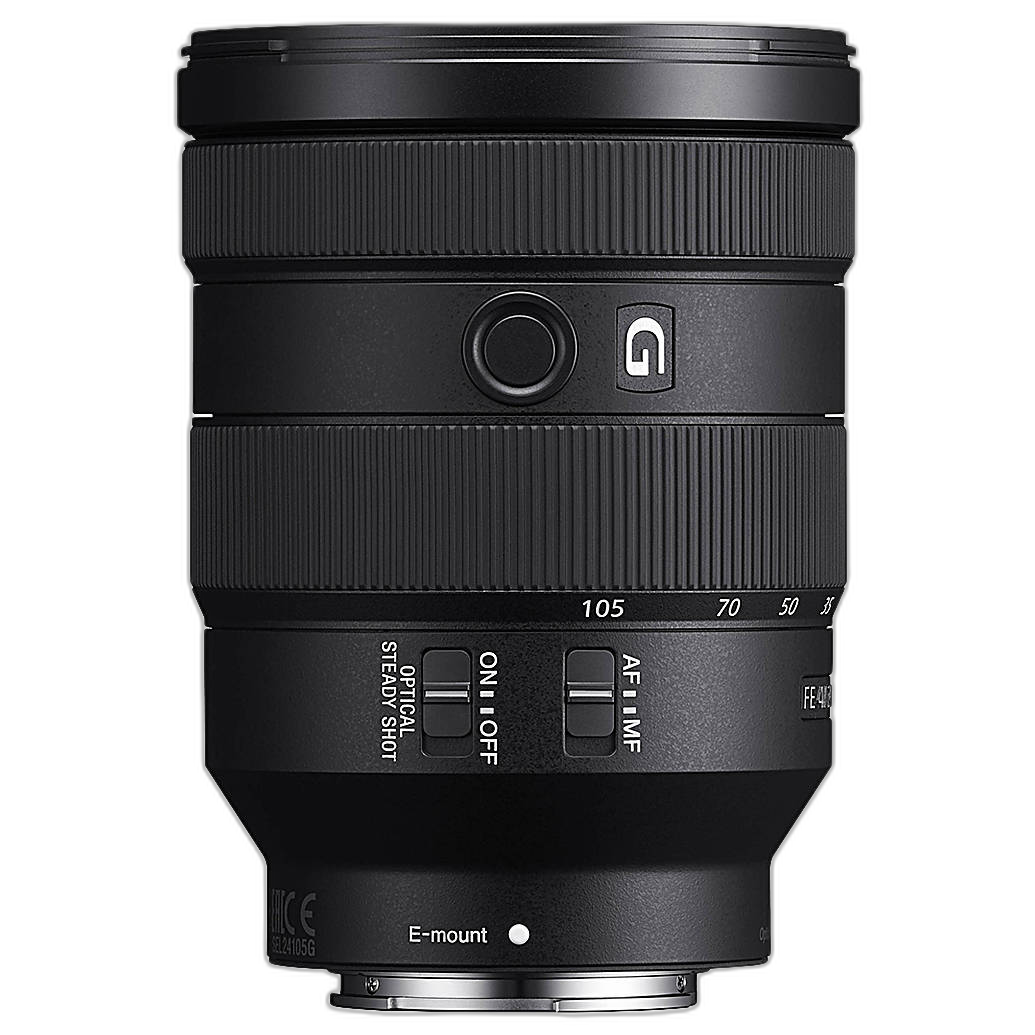
On the other hand, the Sony FE 24-105mm f/4 G OSS can be the smarter all-around landscape lens for many shooters. It covers environmental wide shots, normal perspectives, and short telephoto framing in one package, making it a strong travel and hiking companion.
7. How important is filter compatibility for landscape photographers?
It can be extremely important. Polarizers help manage reflections and deepen skies, while neutral density filters make long exposures possible for water, clouds, and motion blur effects. If your lens is difficult to adapt to filters, that can affect how often you use it for classic landscape techniques.
This is especially relevant with ultra-wide lenses that have large, protruding front elements. While the Sony FE 12-24mm f/2.8 GM offers exceptional wide-angle capability, buyers should always think about whether their preferred filter workflow is simple or specialized. If you regularly use holder systems and large filters, make sure your lens choice fits that workflow before deciding based only on chart data.
8. What is the best way to use Sony Lens Compare Beta when shopping for a landscape lens?
Use it as a screening tool, not a final verdict. Start by comparing focal lengths that match your shooting style. Then review technical indicators like edge sharpness, distortion trends, and general optical performance. After that, ask the more practical landscape questions: How does the lens handle flare? Can I use filters easily? Is it comfortable to carry all day? Does it suit my tripod-based or travel-based workflow?
If you mainly shoot expansive scenes and want premium ultra-wide performance, the Sony FE 12-24mm f/2.8 GM deserves serious consideration. If you want a more flexible lens for landscapes, travel, and everyday use, the Sony FE 24-105mm f/4 G OSS is one of the most versatile options in the Sony full-frame system.
Ultimately, the most reliable lens choice comes from combining technical comparison data with real-world priorities. At Unique Photo, we can help you compare Sony landscape lenses, understand the tradeoffs, and choose the right fit for your photography goals.
Ready to build your landscape kit? Shop Sony lenses at Unique Photo and explore the tools you need to turn technical comparisons into better images in the field.