Can Winning Photography Contests Help Your Career?
Photography contests can absolutely support a creative career, but their value depends on which competitions you enter, how you use the recognition, and whether the exposure reaches the right audience. At Unique Photo, we encourage photographers and visual storytellers to think of contests as one piece of a larger professional strategy that also includes portfolio development, networking, client communication, and reliable gear.
For some creators, a contest win becomes a credibility boost that opens doors to editorial work, exhibitions, speaking opportunities, or commercial assignments. For others, the biggest benefit is simply building confidence, refining a body of work, and learning how to present projects professionally.
Do photography contest wins actually lead to paid work or gallery opportunities?
They can, but not automatically. A meaningful contest result tends to help most when it is tied to a respected organization, strong judging panel, exhibition program, publication feature, or industry audience that includes editors, curators, art buyers, and creative directors. In other words, the real value often comes from who sees the work after the win rather than the title itself.
If you receive recognition, make sure you use it well. Update your website, add the award to your bio, include it in pitch emails, and share the project across your social channels and client materials. A contest honor can give prospects a reason to take a second look, but your portfolio, consistency, and professionalism are what convert attention into bookings.
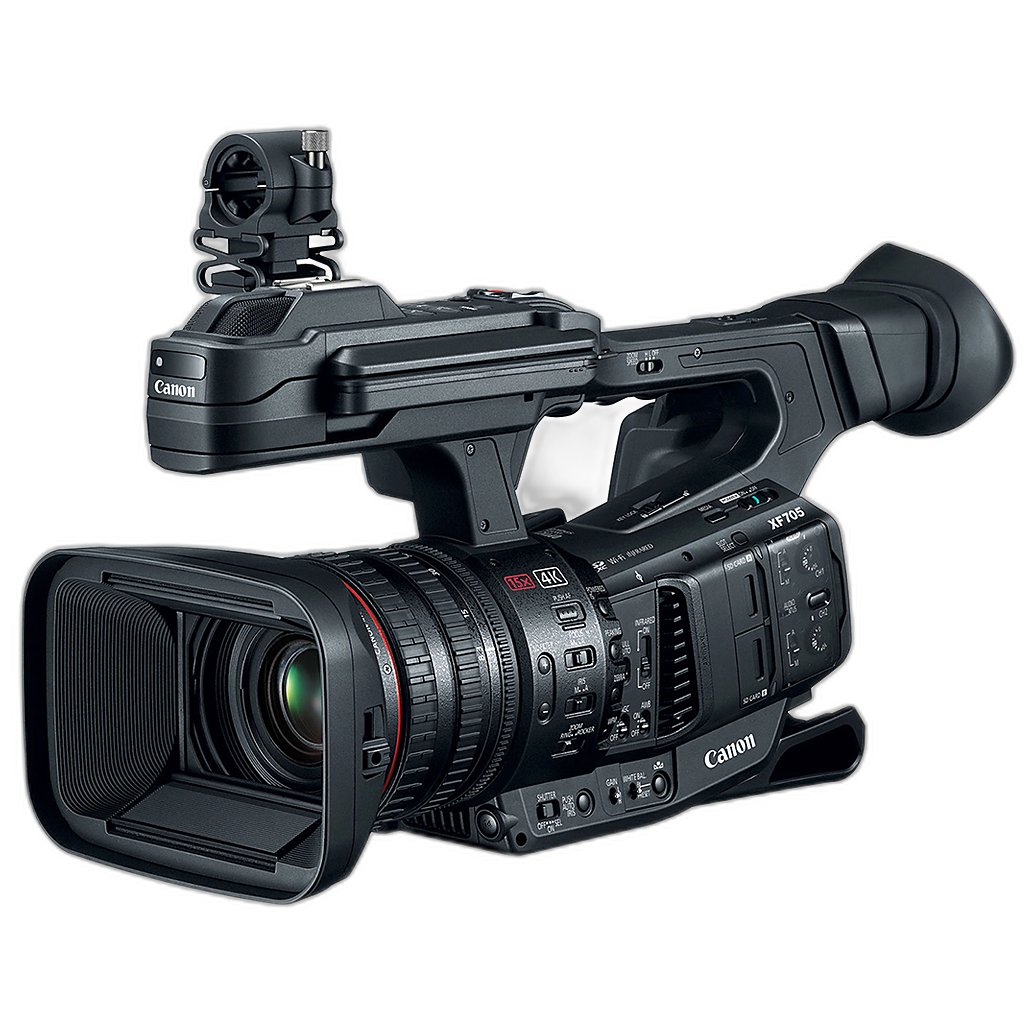
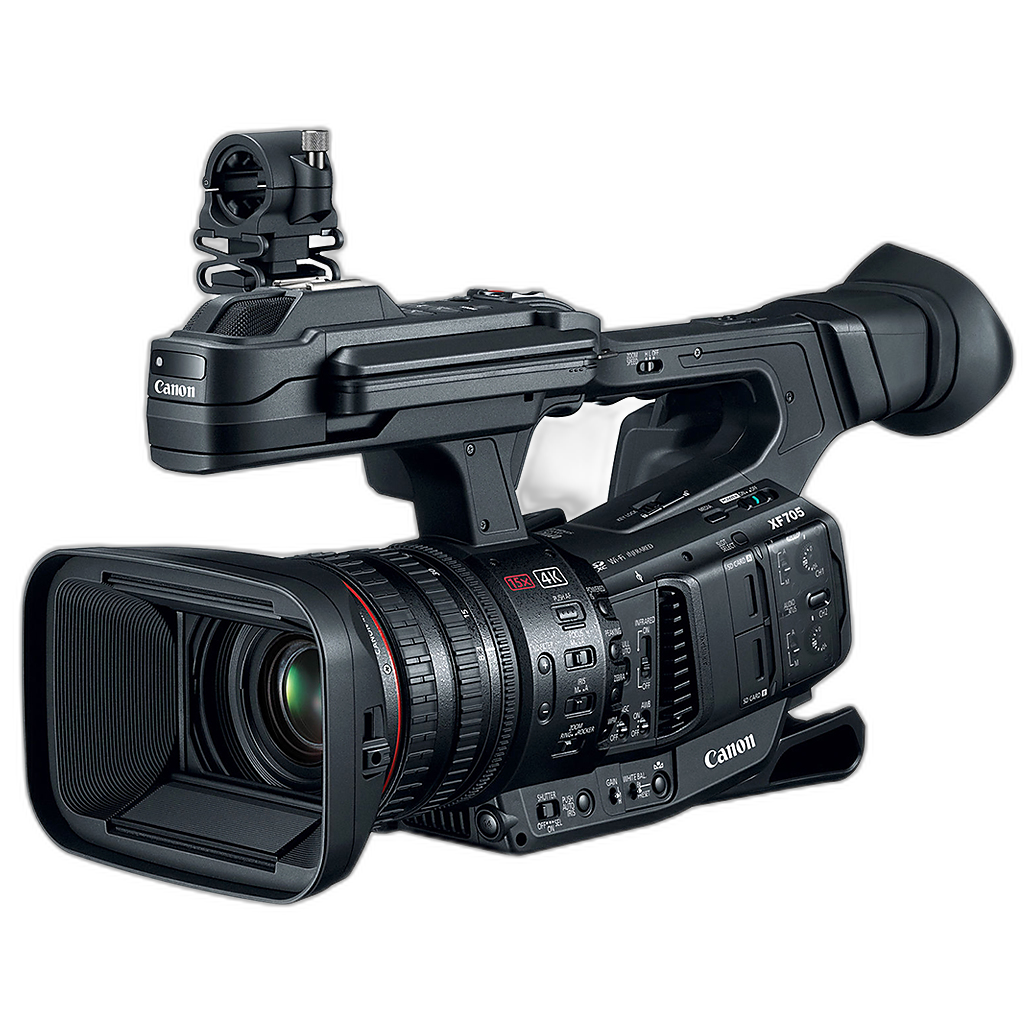
For hybrid creators who produce both stills and motion content for clients, professional video capability can also strengthen your marketability. A camcorder like the Canon XF705 is a strong option for documentary-style storytelling, event coverage, and branded content production when you want to expand your services beyond still photography.
How do I choose photography contests with credible reputations?
Look at the organizer first. Well-run contests are typically backed by established publications, museums, galleries, educational institutions, nonprofits, camera brands, or respected industry groups. Then review the judges. If the panel includes working editors, curators, photographers, or creative professionals with recognizable credentials, that is usually a good sign.
You should also read the submission terms carefully. Credible contests are transparent about entry fees, deadlines, judging criteria, prizes, exhibition details, image rights, and how winning work will be used. Be cautious if the language is vague, if the contest seems built mainly around collecting fees, or if the organizer requests overly broad rights to your images without clear benefit to you.
Another practical step is to ask whether being shortlisted or winning would genuinely matter to your target audience. A regional fine art photographer may benefit from gallery-connected competitions, while a commercial shooter might care more about contests recognized by agencies, magazines, or brand clients.
Are entry fees worth it?
Sometimes, yes. Entry fees can be reasonable if the contest offers legitimate exposure, thoughtful judging, publication, exhibition, portfolio reviews, or meaningful prizes. But fees add up quickly, so it is smart to treat contest submissions like any other business expense and evaluate expected return.
A good approach is to be selective. Enter fewer contests that align with your niche and goals instead of submitting to every open call you see. If you are early in your career, your money may be better spent on printing, portfolio reviews, workshops, website improvements, or gear that helps you make stronger work consistently.
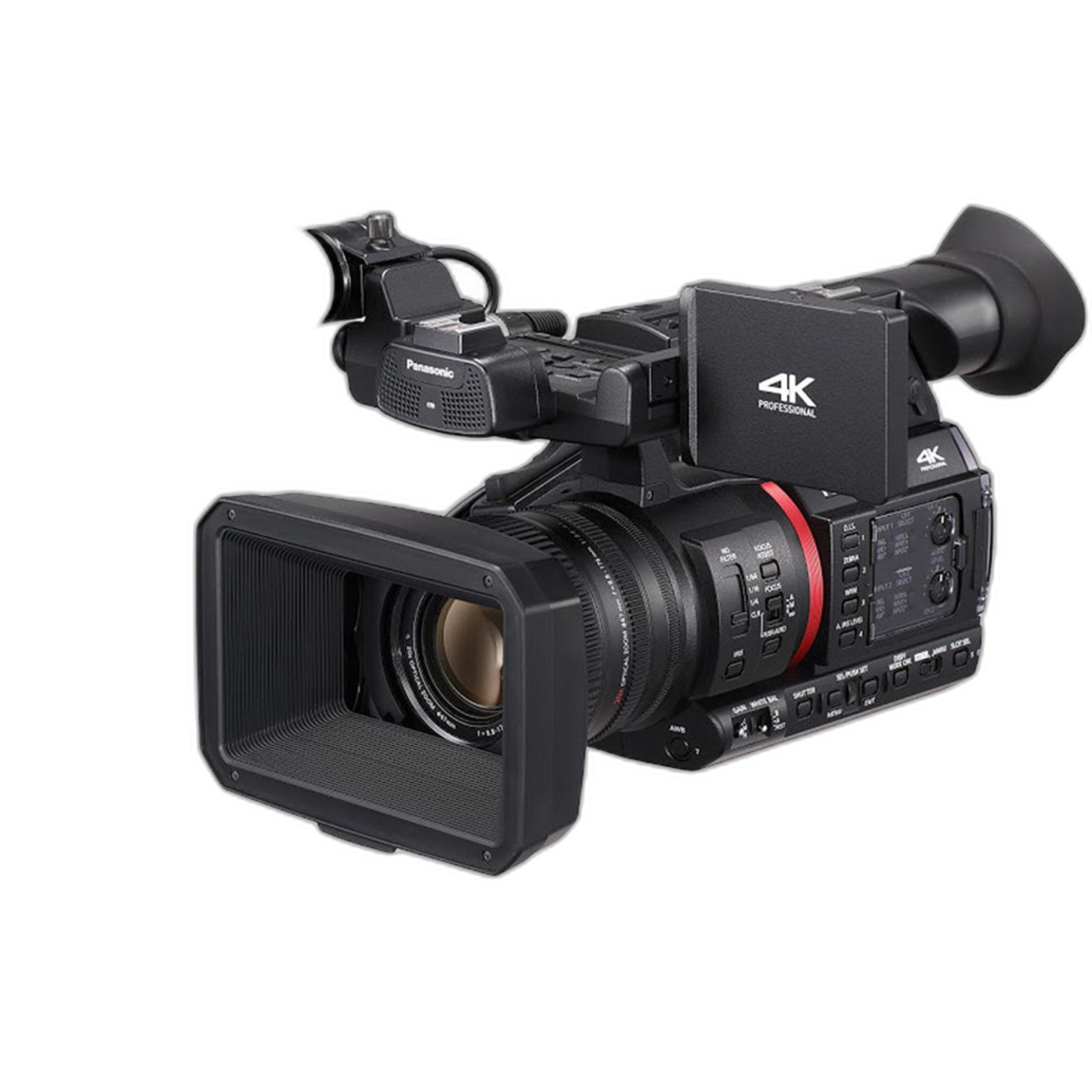
For creators building multimedia portfolios, upgrading into dependable video equipment can sometimes have more direct revenue potential than a broad contest budget. The Panasonic AG-CX350, for example, is a versatile 4K camcorder that can fit event, documentary, educational, and small production workflows.
What are the downsides of submitting to too many contests?
The biggest downside is distraction. Preparing entries takes time: selecting images, sequencing projects, resizing files, writing statements, tracking deadlines, and paying fees. If contests start consuming the energy you should be spending on personal projects, client outreach, or portfolio updates, the return may not justify the effort.
There is also a creative risk. Some photographers begin chasing what they think judges want instead of developing a distinct voice. Over time, that can weaken the originality that makes a body of work memorable. It is usually better to create work you genuinely care about and then submit that work strategically, rather than designing your whole practice around competitions.
Finally, repeated rejection can be discouraging if you treat contests as the only measure of progress. Judging is subjective, and strong work is overlooked all the time. Use contests as feedback from one slice of the industry, not as the final verdict on your talent or potential.
Can I call myself an "award-winning photographer" if I only won a small local contest?
Technically, if you won a real award, the phrase may be accurate. The more important question is whether the wording creates the right impression. A local contest win can still be meaningful, especially if it was juried, competitive, and relevant to your community or specialty. However, credibility matters, so be specific whenever possible.
Instead of relying on a broad label alone, name the award directly in your bio or website. For example, listing the contest name, year, and category gives clients more context and feels more transparent. This approach helps your achievements work for you without sounding inflated.
Being precise is especially important when you are speaking to editors, agencies, or corporate clients who may already be familiar with major competitions. Honest positioning builds trust, and trust is often more valuable than a vague marketing phrase.
What should I do after I win or place in a contest?
Act quickly while the recognition is current. Add the result to your website homepage, about page, press page, and relevant portfolio project. Share the news in a professional way through email newsletters, LinkedIn, Instagram, or client outreach. If the award is tied to a specific project, use the momentum to pitch that project to publications, galleries, nonprofits, or brand partners that align with the theme.
You should also save documentation. Keep screenshots, award notices, press mentions, and exhibition details so you can reference them later in grant applications, artist statements, and media kits. A single contest placement may not transform your career overnight, but several well-documented accomplishments can strengthen your long-term professional profile.
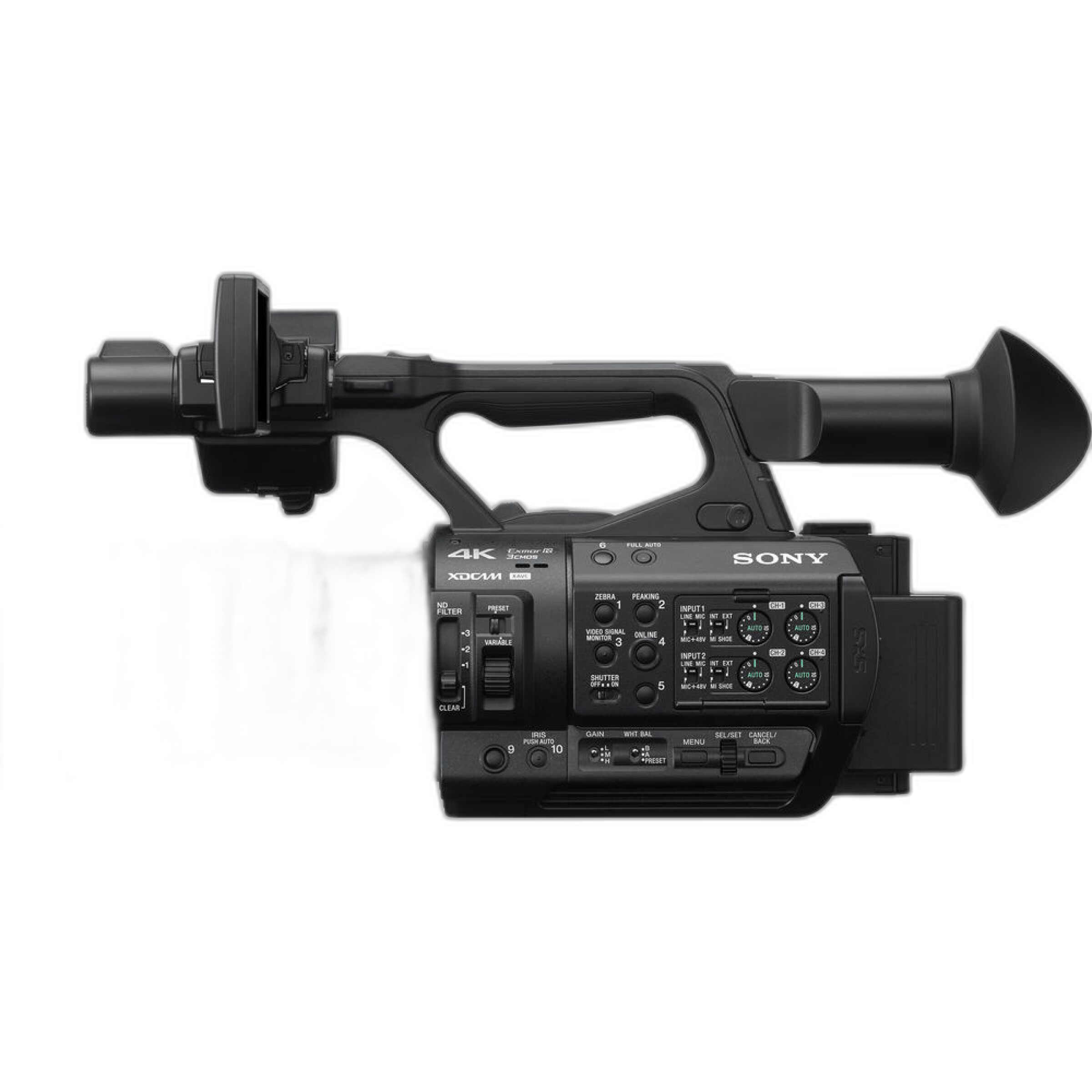
For photographers creating behind-the-scenes content, interviews, or video recaps to promote an award-winning project, a pro-ready system like the Sony PXW-Z280 can be useful for high-quality production and dependable field performance.
Are contests more useful for beginners or established photographers?
They can help both, but in different ways. Beginners often benefit from the motivation, deadlines, and confidence boost that come from preparing submissions. Even entering can teach useful skills such as editing a series, writing project descriptions, and presenting work cohesively.
Established photographers may benefit more from prestige, publication, exhibition, and networking opportunities tied to high-level contests. At that stage, a competition can function as a visibility tool that reinforces an already strong body of work rather than introducing a new artist to the market.
In either case, the best results usually come when the contest fits your career stage. Emerging photographers should not assume they need the most expensive competitions, and seasoned professionals should not waste time on awards that carry little relevance in their market.
Can contest recognition help if I also work in video or multimedia?
Yes. Many modern clients want creators who can tell stories across formats, and contest recognition in photography can raise your profile overall, even if some of your paid work includes motion. If you are building a broader visual brand, combining still awards with polished video capability can make you more attractive to editorial teams, nonprofits, schools, sports organizations, and commercial clients.
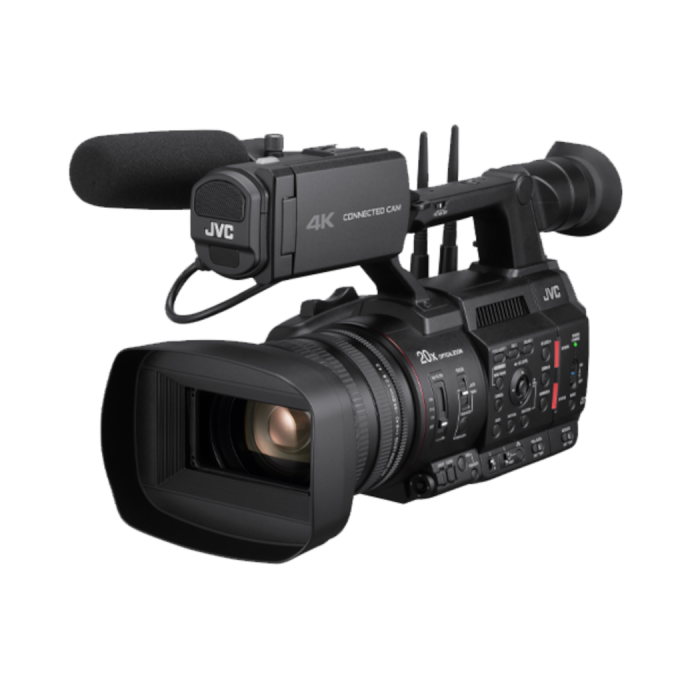
That is where professional camcorders can support business growth. The JVC GY-HC550 is built for connected production workflows and can be a smart fit for documentary, live event, and field-based storytelling assignments. If you want a more budget-conscious entry into pro video, a used Canon XF705 in excellent condition can be a practical way to expand your toolkit while controlling costs.
What matters more than winning contests for a photography career?
Strong, consistent work matters more. So do relationships, reliability, communication, and a portfolio that clearly shows what you want to be hired for. Contest wins can support your reputation, but they are not a substitute for a clear niche, professional follow-through, and the ability to solve creative problems for clients or present compelling personal projects.
Focus first on making better work, refining your edit, and showing your projects in the right places. If contests fit into that plan, they can be useful. If not, skipping them does not mean you are missing the only path to success. Many thriving photographers build careers through referrals, personal projects, workshops, local visibility, publishing, and community involvement rather than awards alone.
At Unique Photo, we recommend viewing contests as a strategic tool rather than a shortcut. Build a portfolio you are proud of, enter selectively, and invest in the gear and support that help you create at your highest level. When you are ready to grow your visual storytelling toolkit, shop professional video equipment and more at Unique Photo.