Choosing a documentary camera comes down to practicality as much as image quality. Two favorites among field shooters are the Blackmagic Pocket Cinema Camera 6K (Pocket 6K) and the Sony FX3. Both are capable of cinematic results—yet they shine in different situations. This guide breaks down the key differences, with real-world advice and gear picks you can find at Unique Photo.
Quick take: Blackmagic Pocket Cinema 6K vs Sony FX3
- Sony FX3: Full-frame, exceptional low light, dependable autofocus, in-body stabilization, robust 10-bit codecs, and a compact cinema-friendly body—ideal for run-and-gun docs and solo operators.
- Blackmagic Pocket Cinema 6K: Super 35 look, 6K resolution, flexible Blackmagic RAW workflow, strong internal audio options—great for controlled verité, interviews, and filmmakers who love grading in DaVinci Resolve.
Image pipeline and codecs for documentary post
The Pocket 6K records 12-bit Blackmagic RAW and ProRes, giving immense latitude in post—especially for filmmakers finishing in DaVinci Resolve. The 6K sensor also lets you reframe or punch in for interviews while still delivering crisp 4K/1080 timelines.
The Sony FX3 captures 10-bit 4:2:2 in XAVC S, XAVC HS, and XAVC S-I (intra-frame) and offers S-Log3 as well as S-Cinetone for a quick, pleasing look straight out of camera. It can output 16-bit RAW over HDMI to compatible recorders when you want a higher-end pipeline. For editors working across Premiere Pro, Final Cut Pro, and Resolve, FX3’s files are efficient and widely supported.
Low light and noise management
Documentary schedules change at a moment’s notice, and you can’t always light everything. The FX3’s full-frame sensor is designed for excellent low-light performance with clean results at higher ISOs and a wide dynamic range—ideal for night exteriors, dim interiors, and mixed lighting. The Pocket 6K’s Super 35 sensor produces beautiful, detailed images and a classic cinema depth-of-field; with fast lenses and proper exposure, it performs well, though it generally benefits more from lighting or faster glass than the FX3 in very dark scenes.
Autofocus, stabilization, and handheld work
For unpredictable moments—subjects moving toward camera, quick reframes—FX3’s reliable subject-detection autofocus is a lifesaver. Its 5-axis in-body image stabilization (with an enhanced electronic “Active” mode option) helps smooth handheld footage and reduces fatigue on long days.
The Pocket 6K prioritizes manual operation and doesn’t offer continuous subject-tracking AF or in-body stabilization, so you’ll rely on proper rigging, support, and technique. Many doc shooters are comfortable pulling focus manually, especially for interviews or controlled verité.
Audio, XLRs, and timecode
Clean audio is critical for docs. The Pocket 6K includes a mini XLR input with 48V phantom power for professional microphones—handy if you travel lean. The FX3 ships with an XLR top handle that provides two XLR/TRS inputs and on-handle audio controls; many doc teams appreciate having this interface built in to the camera’s form factor.
For timecode and sync: Pocket 6K cameras can accept LTC via audio and integrate well with popular timecode boxes. The FX3 supports timecode syncing via an optional adapter cable. Either way, both cameras can be incorporated into multi-cam documentary workflows when you need reliable post sync.
Power, media, and reliability in the field
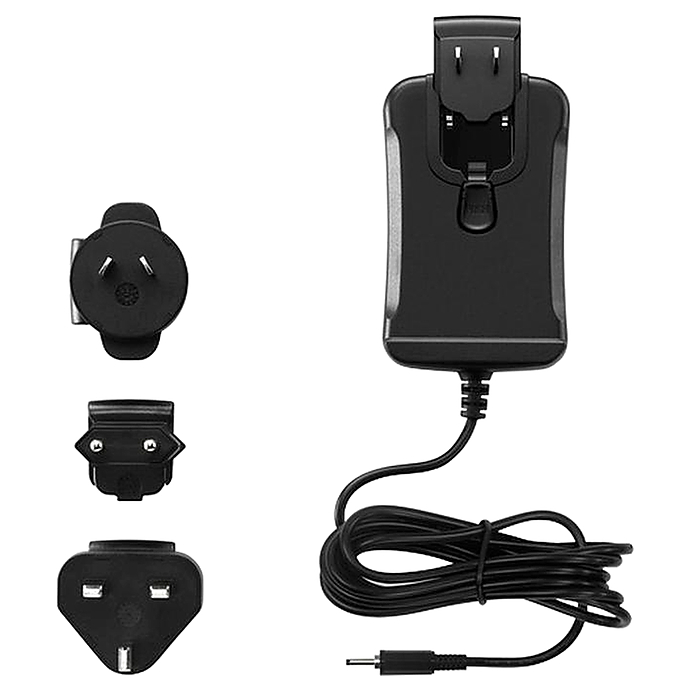
Battery endurance is a major factor for all-day shoots. The FX3’s NP-FZ100 batteries are known for solid runtime. The Pocket 6K’s battery life varies by variant and setup; many shooters opt for external power or frequent swaps. Unique Photo carries dedicated power accessories to keep Pocket 6K kits running smoothly, including the Blackmagic Design Power Supply for Pocket Cinema Camera:
Media considerations: Pocket 6K records to CFast 2.0, SD UHS-II, or external USB-C SSDs, which can be cost-effective and fast for long takes. The FX3 records to SD UHS-II or CFexpress Type A; CFexpress Type A is premium but enables higher frame rates and intra recording modes. Factor media costs into multi-day productions.
Ergonomics and rigging for documentary agility
FX3 is compact, has a built-in cooling fan for sustained takes, tally lights, and mounting points—great for one-person crews. The included XLR handle streamlines top-mounted audio and handheld operation.
The Pocket 6K offers a cinema-style interface with tactile controls and a large touchscreen that’s easy to navigate. It benefits from a cage, top handle, and shoulder or gimbal support for extended handheld work. Many doc shooters love the direct, filmic operation and the ability to tailor rigs to the shoot.
Lens choices that make a difference
Documentary kits thrive on flexible zooms and fast wides. If you’re building an FX3 kit at Unique Photo, consider these dependable E-mount options:
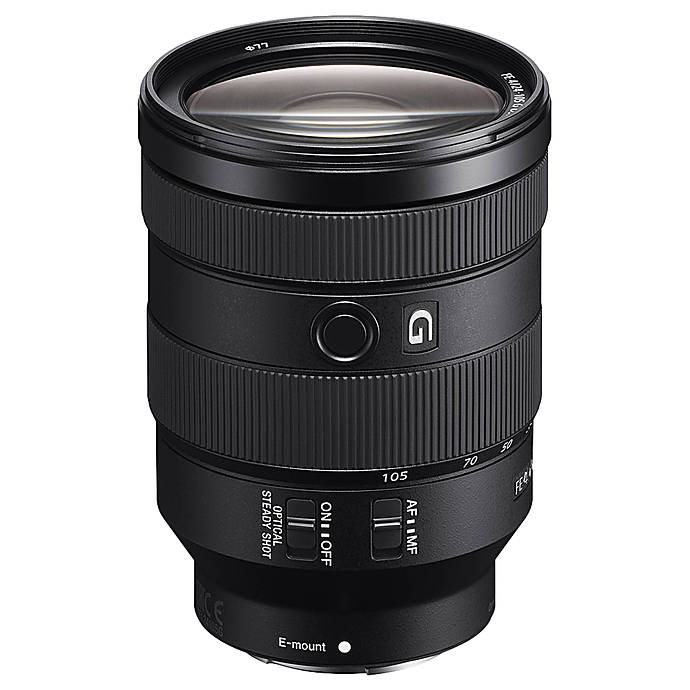
- Sony FE 24-105mm f/4 G OSS: A do-it-all documentary zoom with optical stabilization and excellent range for interviews and b-roll. A great daytime and travel lens for the FX3.
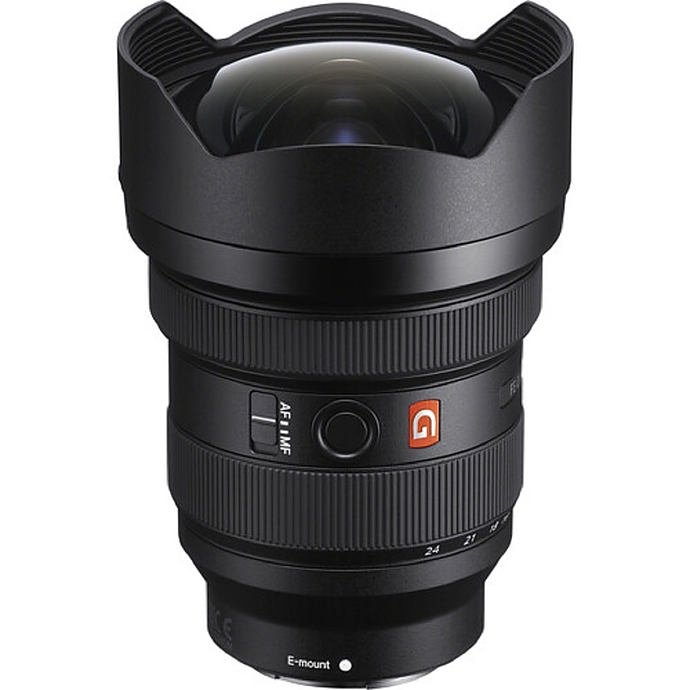
- Sony FE 12-24mm f/2.8 GM: Superb ultra-wide for cramped interiors, establishing shots, and dynamic handheld sequences.
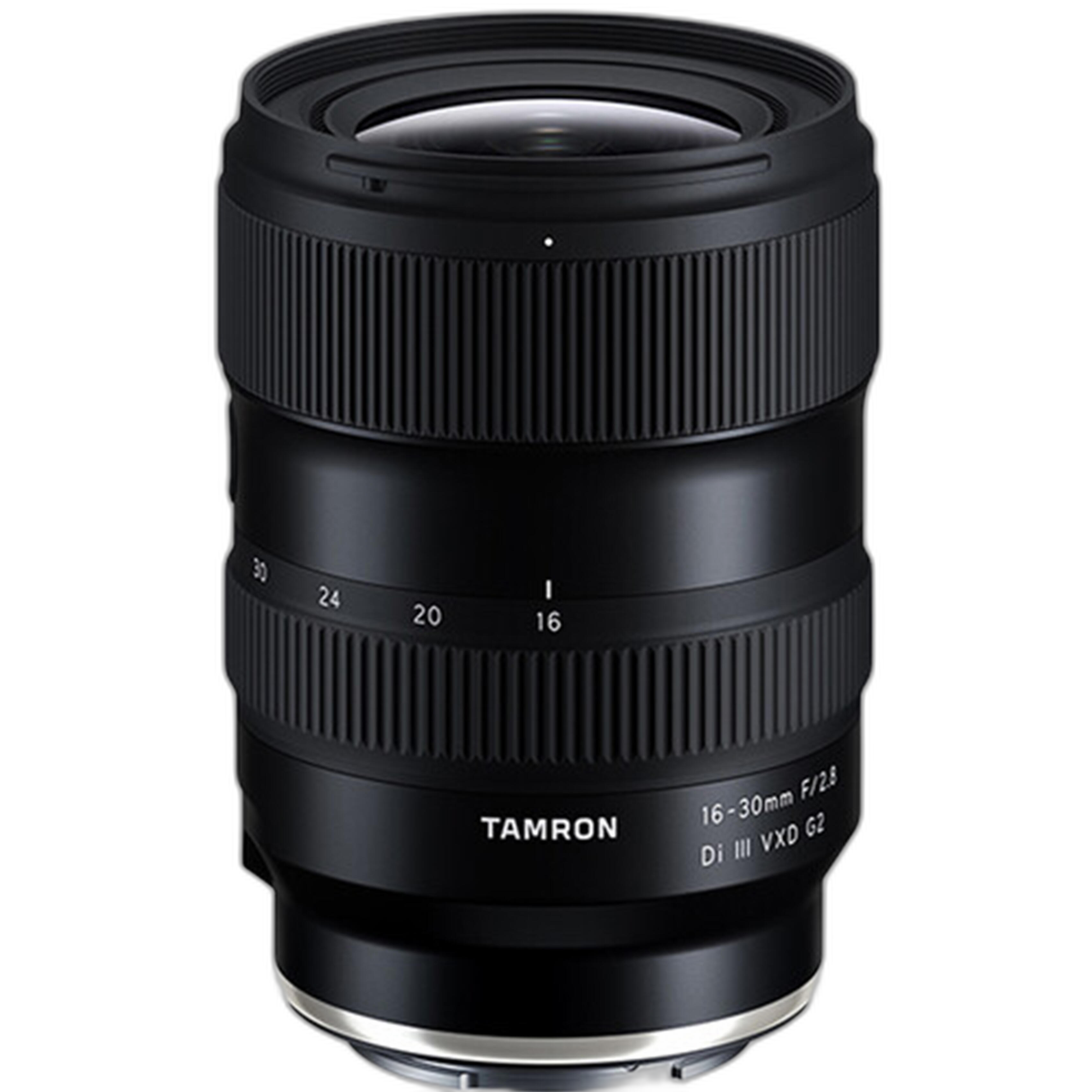
- Tamron 16-30mm F/2.8 Di III VXD G2 (Sony E): Fast, sharp, and lightweight—ideal for gimbals and low-light verité when you need to stay wide and fast.
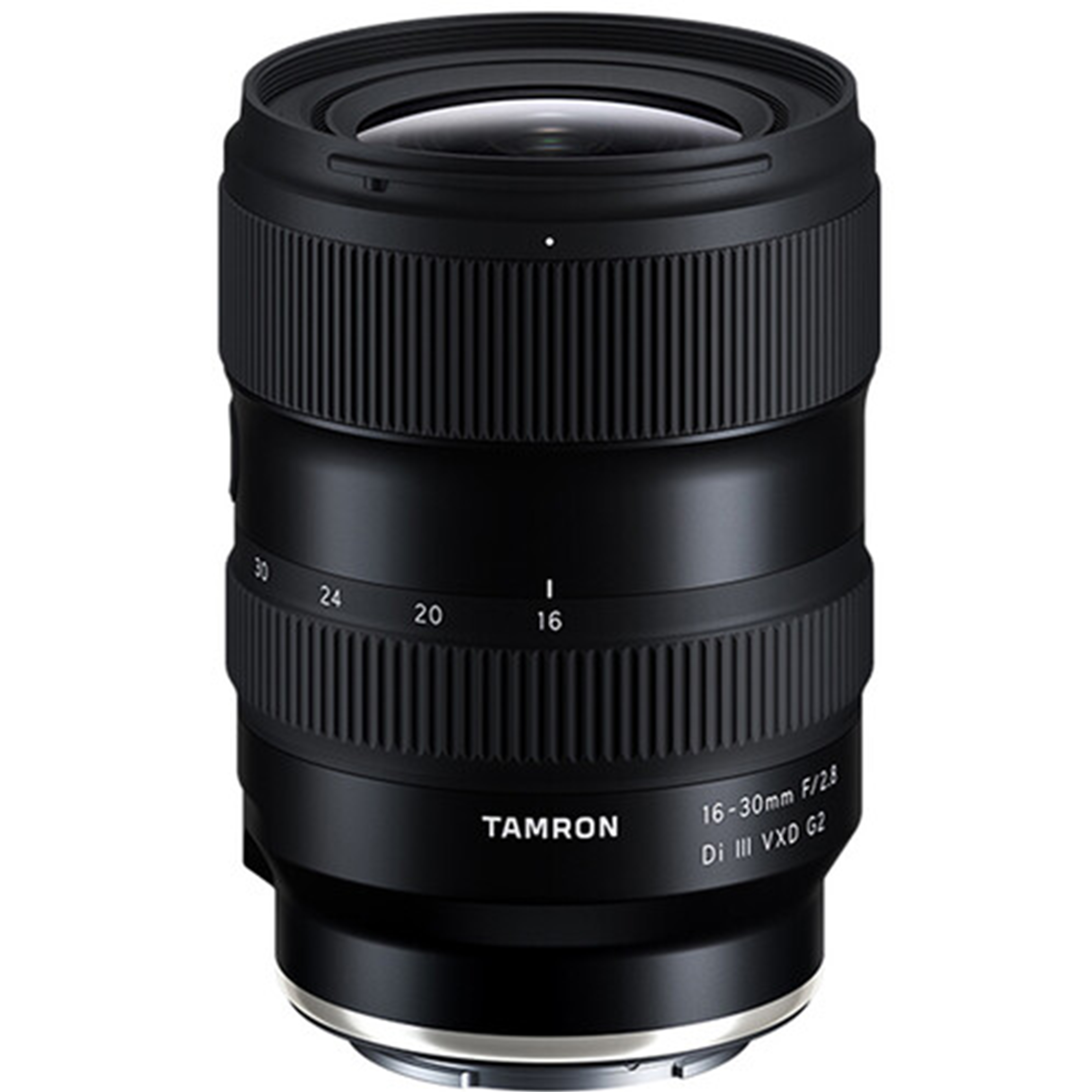
For the Pocket 6K’s EF mount, many documentary shooters pair fast primes and stabilized EF zooms via native EF lenses. Whichever system you choose, remember that FX3’s full-frame sensor gives you shallower depth of field and a wider field of view with the same focal length than the Pocket 6K’s Super 35 sensor, which can be a creative advantage or a focus challenge depending on the scene.
Filters and accessories that streamline shooting
- Filter management: Keep ND and diffusion organized with the Tiffen Filter Wallet (6-Pocket) for faster lens changes on location.
- Power confidence: The Blackmagic Design Power Supply for Pocket Cinema Camera is an essentials bag add for longer interview days or studio verité.
- Wide-angle filter systems: If you run ultra-wides on Sony, a dedicated filter holder (like models designed for specific GM lenses) can make using square NDs practical in the field.
- Aerial b-roll: Drone ND kits help maintain proper shutter speed in bright conditions for intercut footage.
Which camera fits your documentary style?
- Run-and-gun, unpredictable subjects: Sony FX3. You’ll benefit from fast autofocus, IBIS, strong low-light, efficient codecs, and the included XLR handle.
- Controlled verité and interview-heavy projects: Blackmagic Pocket 6K. You get beautiful 6K images, flexible BRAW, straightforward menus, and excellent grading latitude.
- Hybrid teams and varied deliverables: If you frequently switch between events, branded docs, and travel content, the FX3’s AF and stabilization may pay dividends. If your team builds a color-managed Resolve pipeline and values the Super 35 aesthetic, the Pocket 6K is compelling.
Frequently asked questions
Is 6K overkill for documentary? Not necessarily. Shooting 6K on the Pocket 6K allows for clean reframes and stabilization in a 4K edit. If you prioritize smaller files and faster turnaround, FX3’s 4K 10-bit codecs are a great fit.
Do I need IBIS for docs? It depends. FX3’s IBIS helps with handheld, walk-and-talks, and long days. If you rig the Pocket 6K with shoulder support or a gimbal, you can still achieve smooth results.
Which is better for solo operators? The FX3 has the edge for solo work because of AF and IBIS. The Pocket 6K is excellent if you’re comfortable with manual focus and can plan basic support or power management.
Bottom line
Both the Blackmagic Pocket Cinema 6K and Sony FX3 are excellent for documentary filmmaking—your choice hinges on how you shoot. If you want the freedom of BRAW, a Super 35 look, and a grading-first pipeline, the Pocket 6K delivers. If you need top-tier low-light, stabilized handheld, and autofocus that keeps up with real life, the FX3 is hard to beat. Visit or call Unique Photo to compare them side by side and build the right lens and accessory kit for your next project.
Internal linking suggestions (for your site navigation)
- Link to Sony FX3 product page and Sony Cinema Camera category.
- Link to Blackmagic Pocket Cinema Camera 6K product pages and Blackmagic camera accessories.
- Link to Sony E-mount lenses, including Sony FE 24-105mm f/4 G OSS, Sony FE 12-24mm f/2.8 GM, and Tamron 16-30mm F/2.8 Di III VXD G2.
- Link to power solutions and batteries for Blackmagic, including the Blackmagic Design Power Supply for Pocket Cinema Camera.
- Link to filter wallets and ND systems for field shooting.