Landscape photographers love a good debate, and few gear topics spark more passionate discussion than the best ultra‑wide Sony E-mount lenses. Using insights from Unique Photo’s Lens Compare Beta tool, we dug into sharpness, color rendering, and optical flaws to help you choose the right glass for epic vistas, seascapes, and night skies.
How we evaluated ultra‑wide lenses with Lens Compare Beta
Lens Compare Beta allows side‑by‑side visualizations to quickly surface real‑world differences that matter to landscape shooters. Our comparisons focused on:
- Edge‑to‑edge sharpness: Center, mid‑frame, and corner acuity at shared focal lengths and apertures.
- Microcontrast and color: Perceived clarity in fine detail and overall color neutrality.
- Optical flaws: Vignetting, geometric distortion, lateral CA, coma/astigmatism (night sky), and flare/ghosting with the sun in frame.
- Practical handling: Filter compatibility, size/weight, and focus behavior that impacts field work.
For consistency, we emphasized landscape‑friendly apertures (f/4–f/11) and matched focal lengths where possible. Keep in mind that sample variation, bodies with different pixel densities, and technique can influence results.
Sony FE 12–24mm f/2.8 GM: The reference ultra‑wide for maximum field of view
The Sony FE 12–24mm f/2.8 GM is the widest constant f/2.8 zoom in E‑mount and a benchmark for ultra‑wide landscapes. In Lens Compare Beta, it consistently shows:
- Class‑leading corner integrity stopped down: At landscape apertures (around f/5.6–f/8), corners tighten up impressively for big, detailed prints.
- Low lateral CA and well‑controlled coma: Helpful for high‑contrast edges and night‑sky points of light.
- Vignetting wide open: Normal for the category; stopping down evens brightness.
- Excellent flare resistance for a bulbous front element: You still need to watch sun placement, but nano coatings keep veiling flare in check.
Tradeoffs? The bulbous front element rules out standard screw‑in filters. Many landscape shooters either shoot without front filters, use rear gel filters, or adopt a dedicated ultra‑wide holder system.
Tamron 16–30mm f/2.8 Di III VXD G2 (Sony E): Lightweight performance, classic filters
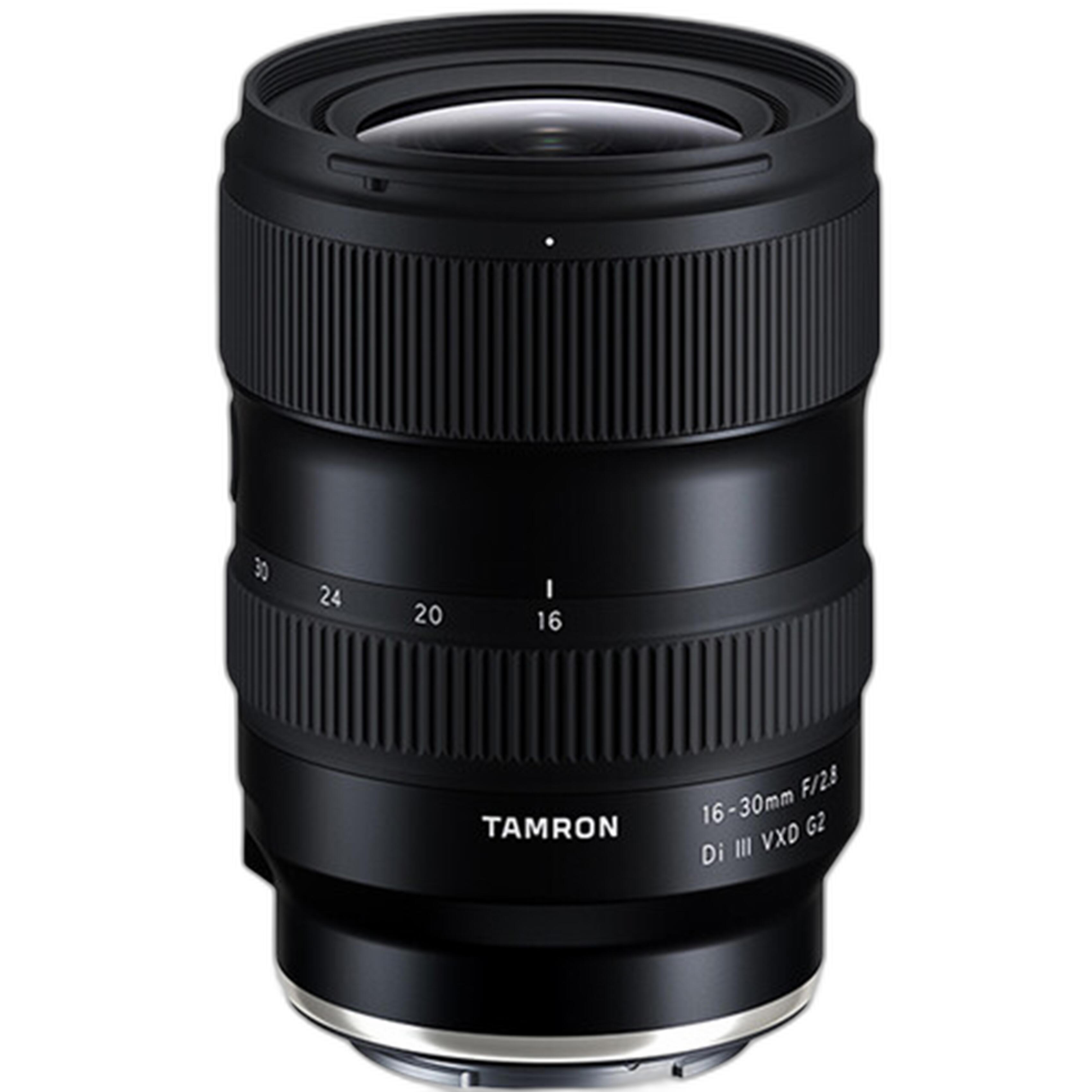
The Tamron 16–30mm f/2.8 Di III VXD G2 strikes a sweet balance for hikers and travel landscape shooters. In Lens Compare Beta at overlapping focal lengths (16–24mm):
- Strong central and mid‑frame acuity: Detailed, high‑contrast rendering that holds up well in large prints.
- Corners sharpen nicely by f/5.6–f/8: Typical of high‑quality fast wide zooms.
- Color neutrality: Natural greens and blues, easy to match across a kit.
- Standard front filter use: A practical win for polarizers and NDs without specialized holders.
It isn’t as dramatically wide as 12mm, but for many landscape compositions, 16mm delivers plenty of sweep with fewer filter headaches and less weight.
What about a one‑lens landscape kit? Sony FE 24–105mm f/4 G OSS
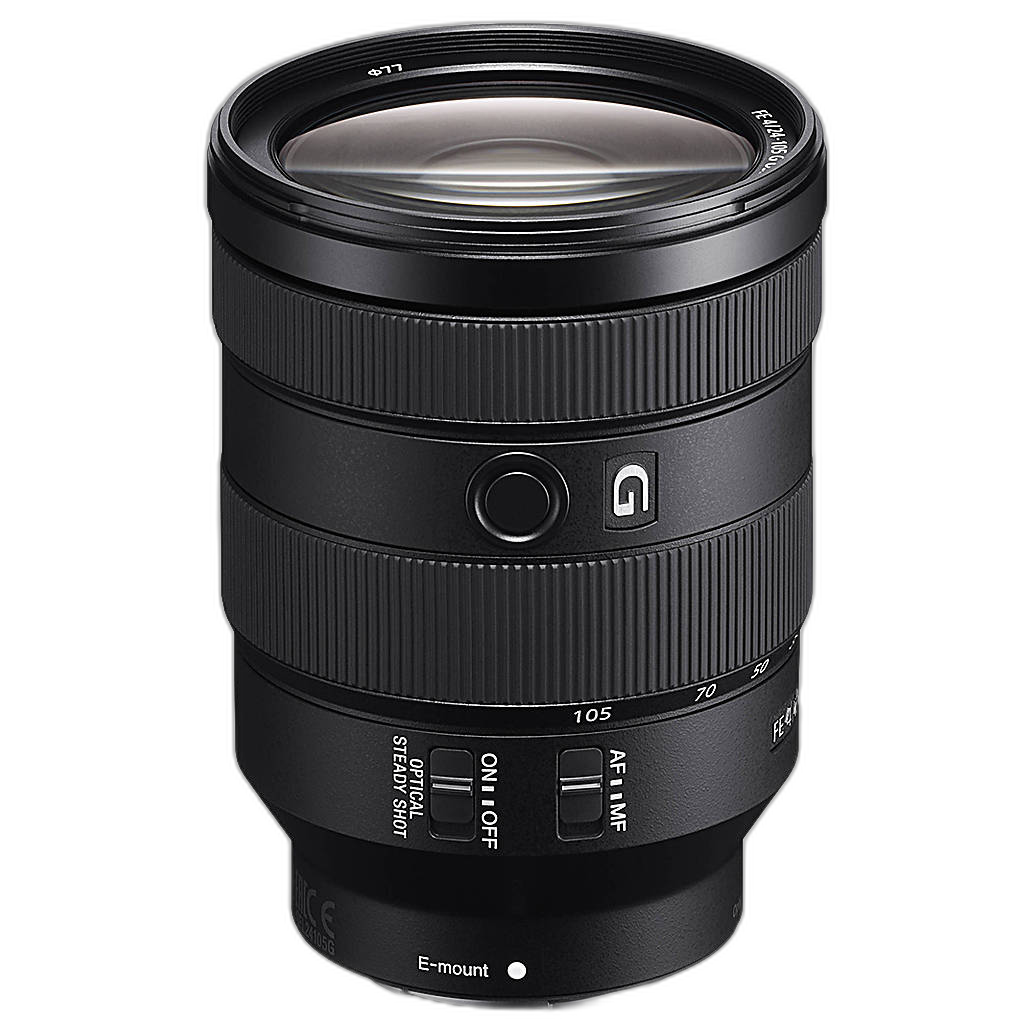
While not ultra‑wide, the Sony FE 24–105mm f/4 G OSS is a superb companion to either ultra‑wide. It covers classic landscape focal lengths for isolating scenes, offers pleasing color and contrast, and adds stabilization for hand‑held twilight work. Many landscape photographers pair an ultra‑wide with this 24–105mm to travel light without sacrificing versatility.
Sony 12–24mm vs Tamron 16–30mm for landscapes: What Lens Compare Beta shows
- Edge‑to‑edge sharpness: Stopped down, the Sony 12–24mm f/2.8 GM edges ahead at the extreme corners, especially near the widest focal lengths. The Tamron 16–30mm G2 is close in the shared range by f/8.
- Vignetting: Both exhibit darkening wide open at their widest ends; stopping down reduces it to subtle levels typical for pro zooms.
- Distortion: Mild barrel distortion at the wide end is present on both; in‑camera or post profiles clean it up quickly.
- Color and microcontrast: Both render with modern neutrality; the Sony slightly favors crisp microcontrast, while the Tamron leans smooth and natural—easy to grade either way.
- Flare and sunstars: The Sony’s coatings do an excellent job suppressing veiling flare for into‑the‑sun compositions. The Tamron is well‑behaved; composition and hood use still matter.
- Astro: At f/2.8, both can serve night landscapes. The Sony’s extra width helps include more sky and foreground; coma control is good for the class.
Bottom line: Choose the Sony 12–24mm f/2.8 GM for maximum width and the most uniform frame at landscape apertures. Choose the Tamron 16–30mm f/2.8 G2 for lighter weight, classic filter use, and excellent value.
Filters for ultra‑wide Sony landscapes
Ultra‑wides often complicate filter use. The Sony 12–24mm’s bulbous front element precludes standard screw‑in filters, making square systems or rear gels appealing. If you own other ultra‑wides like the Sony 14mm f/1.8 GM, dedicated holders are available—Unique Photo carries solutions such as the NiSi 100mm Filter Holder for Sony FE 14mm f/1.8 GM to keep your ND and grad workflow intact. The Tamron 16–30mm G2 accepts conventional front filters, which is a strong practical advantage for many field shooters.
Color, calibration, and printing your landscapes
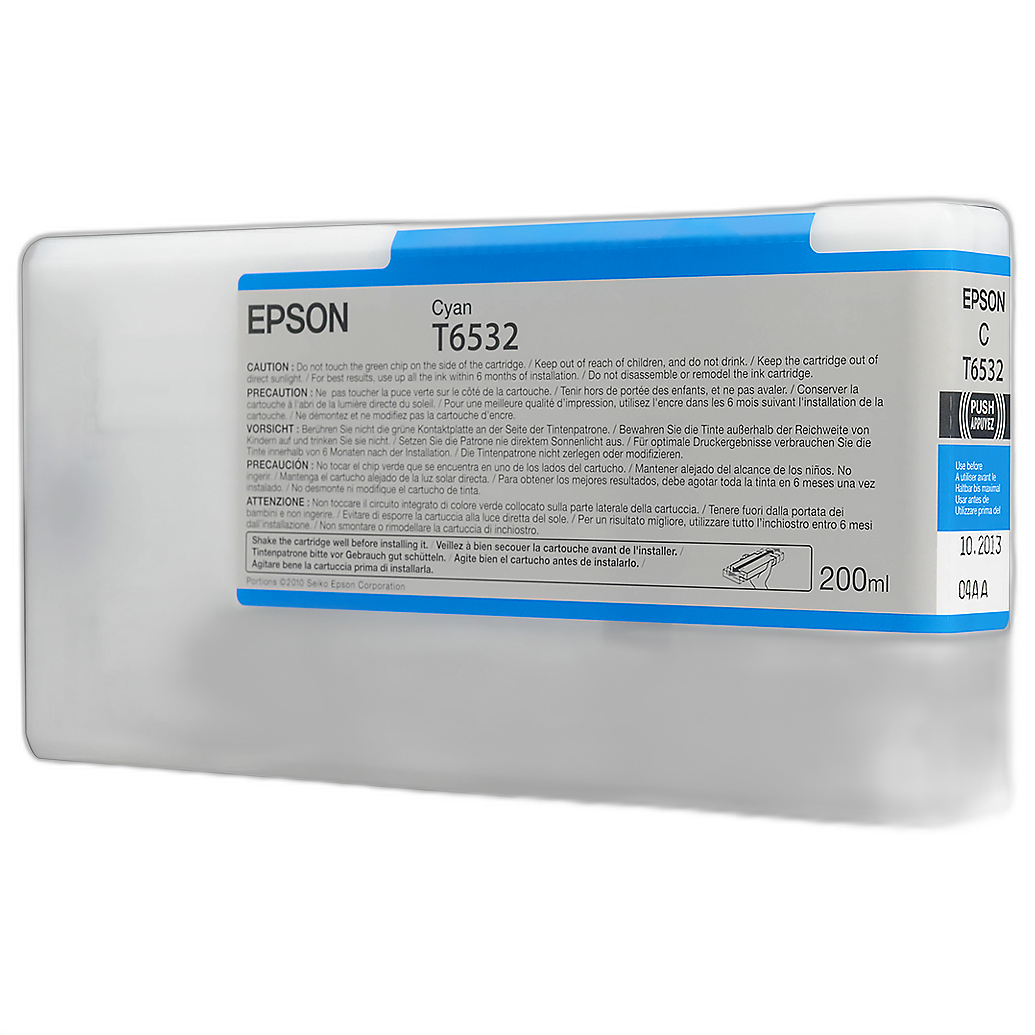
Comparing lenses for color is only half the equation—finishing your images on paper completes the vision. For best results, calibrate your display, soft‑proof in a wide‑gamut space, and use manufacturer inks/papers for predictable output.
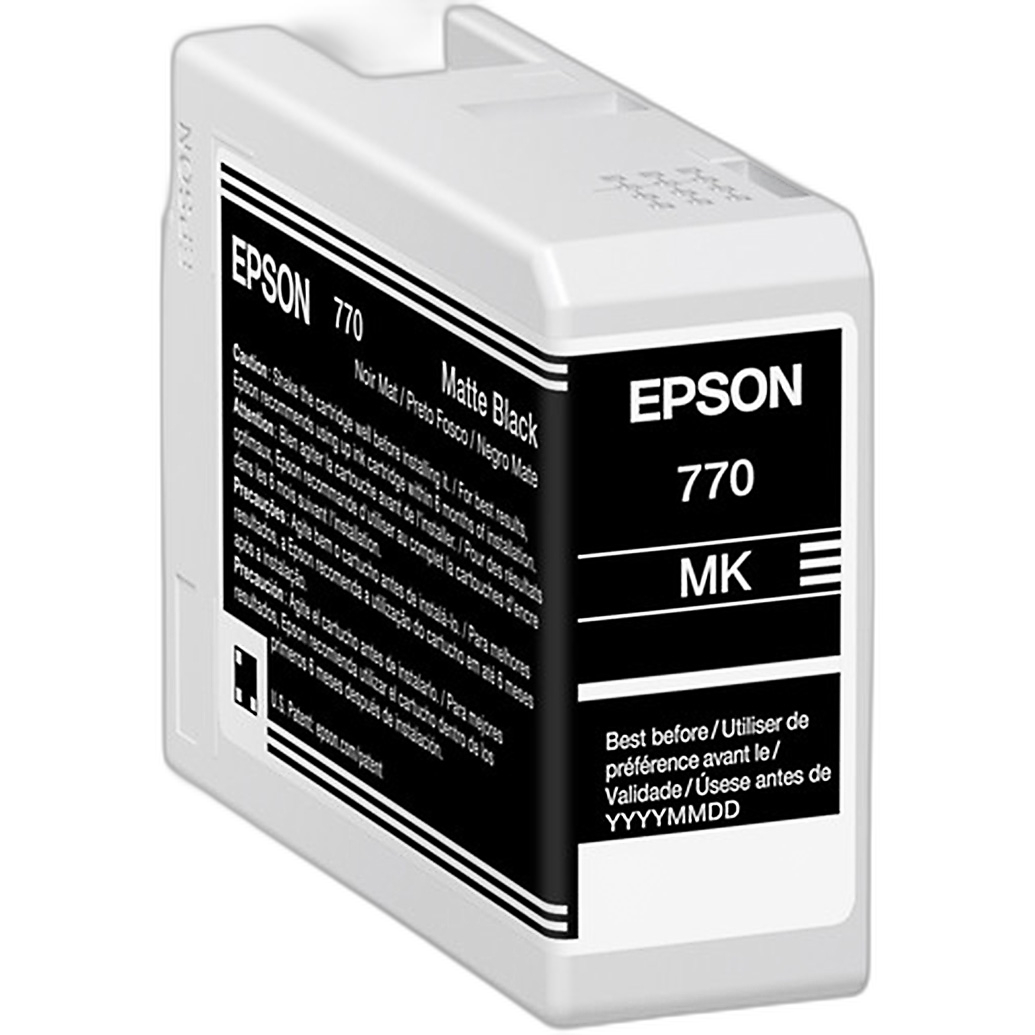
Unique Photo stocks Epson UltraChrome inks for consistent, archival landscape prints. Accurate blues and deep, clean blacks preserve the subtlety you worked so hard to capture on location.
Practical field tips for sharper, cleaner landscapes
- Shoot at f/5.6–f/8 for the best corner‑to‑corner detail; avoid stopping down so far that diffraction softens fine textures.
- Use hyperfocal focusing to maximize depth of field without resorting to very small apertures.
- Bracket exposures for high‑contrast scenes; blend for clean highlights and shadow detail.
- Mind your polarizer at ultra‑wide focal lengths—uneven skies are common near 12–16mm.
- Compose for the corners—check edges for stretched or distracting elements when working at the widest settings.
Which lens should you buy?
- Ultimate ultra‑wide performance: Sony FE 12–24mm f/2.8 GM for sweeping vistas, tight corners, and best‑in‑class flare control.
- Lightweight, filter‑friendly kit: Tamron 16–30mm f/2.8 Di III VXD G2 for hikers and travelers who want f/2.8 speed and standard filters.
- One‑lens travel companion: Sony FE 24–105mm f/4 G OSS for coverage from environmental scenes to compressed landscapes.
Try before you buy, learn more, and next steps
Stop by Unique Photo to handle these lenses in person and compare them using our Lens Compare Beta tool. Want to sharpen your craft? Join a hands‑on class.

Unique University’s field workshops—like Macro and Landscape Photography at Duke Farms—are a great way to test compositional approaches and get real‑time feedback.
Internal linking suggestions
- Sony mirrorless lenses category: Explore G Master and G series options for landscapes.
- Tamron lenses for Sony E: Discover the latest wide‑angle zooms and primes.
- Unique University classes: Field workshops, editing seminars, and printing clinics.
- Photo printing & inks: Epson UltraChrome inks and papers for archival landscape prints.
- Lens Compare Beta: Side‑by‑side lens visualization to finalize your choice.
Have questions about optical performance or system matching? Contact the experts at Unique Photo—we’re happy to help you build a landscape kit you’ll love to carry.