Best Travel Photography Cameras in 2024: FAQ for Real-World Travelers
Choosing a travel photography camera is about more than image quality on a spec sheet. For most travelers, the best camera is the one that balances portability, durability, lens flexibility, battery life, and ease of use while still delivering files you will be excited to edit and share.
At Unique Photo, we help photographers match their gear to the way they actually travel—whether that means city breaks, national parks, family vacations, or long international trips. Below, we answer the most common questions shoppers ask when comparing the best travel photography camera options in 2024.
What makes a camera great for travel photography?
A strong travel camera should be compact enough to carry all day, fast enough to capture spontaneous moments, and versatile enough to handle landscapes, street scenes, portraits, food, and low-light interiors. Travelers also benefit from dependable autofocus, strong battery management, and a lens ecosystem that does not force them to overpack.
In practical terms, many photographers prioritize a lightweight mirrorless body or a capable DSLR they already know well. If you prefer an optical viewfinder, long battery life, and rugged handling, a DSLR can still be a smart travel companion. Photographers looking to master a full-featured DSLR setup before a big trip may find a dedicated guide useful, especially when learning exposure modes, autofocus systems, and workflow basics.
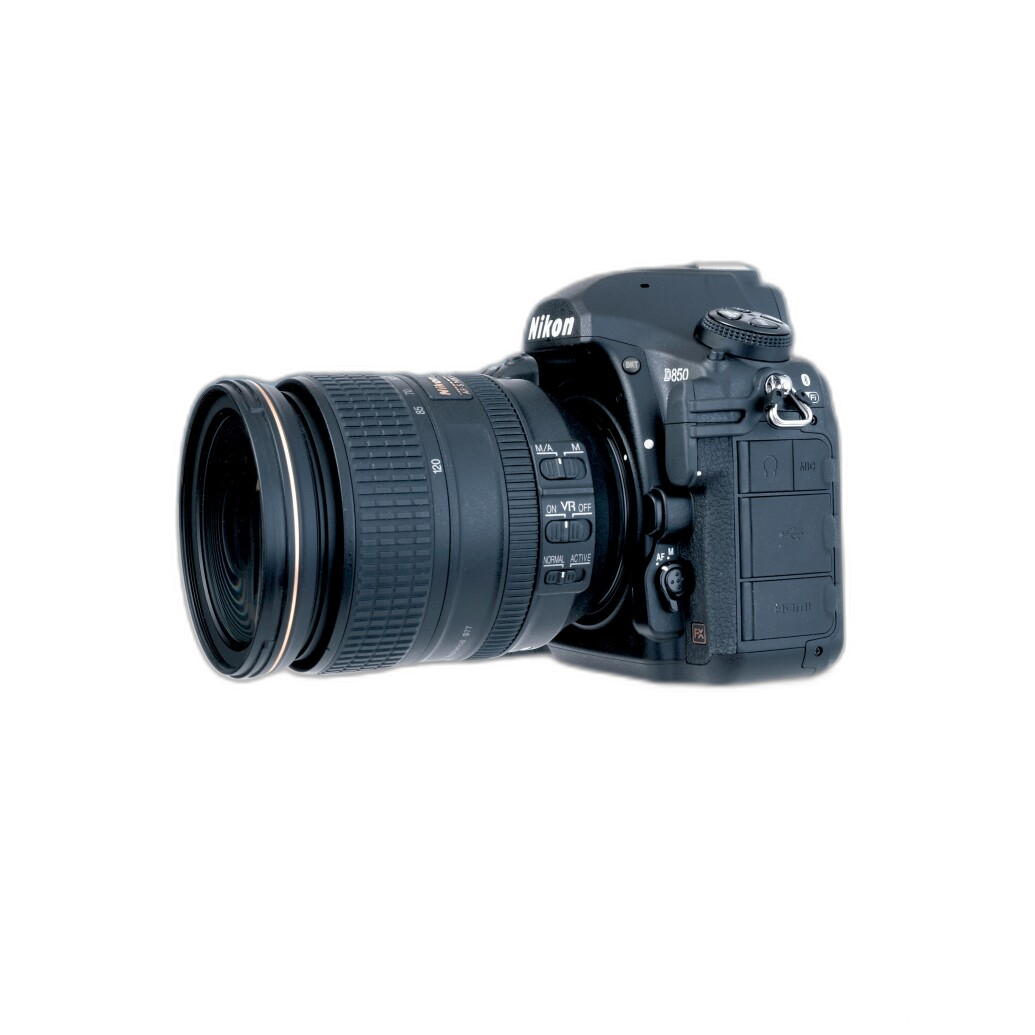
The Rocky Nook Nikon D850 Guide to Digital SLR Photography by David Busch is a helpful resource for travelers who want to get more from an advanced DSLR before heading out.
Is a lightweight camera always better for travel?
Not always. Lightweight gear is easier to carry through airports, on walking tours, and during long shooting days, but the lightest setup is not automatically the best setup. Ergonomics matter. A camera that feels secure in your hands and offers direct access to important controls may help you shoot faster and more confidently than an ultra-compact model with cramped handling.
The right balance depends on your trip. If you are backpacking or taking budget flights with strict carry-on rules, a compact system has obvious advantages. If you are heading on a road trip or photography-focused vacation, carrying a slightly larger body can be worth it for improved battery life, weather resistance, and handling with telephoto or wide-angle lenses.
Travel photography is also about skill, not just size. Learning how to see scenes, work with natural light, and plan around location conditions can improve your results as much as a smaller bag can. For photographers interested in building those field skills, educational experiences can be just as valuable as gear upgrades.
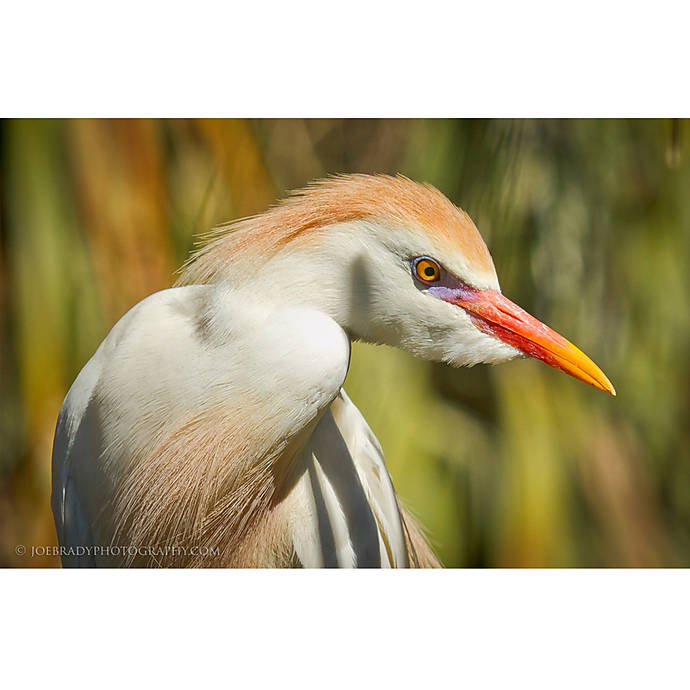
EXPO: Stories from the Road - Photography Across Worlds w. Matthew Borowick is a great fit for travelers who want practical inspiration from photographers who regularly work on the move.
Should I travel with one lens or multiple lenses?
For most travelers, one versatile lens is the most practical choice. A general-purpose zoom can cover wide scenes, everyday street photography, casual portraits, and travel details without constant lens changes. This is especially helpful in crowded cities, dusty environments, or unpredictable weather.
That said, your subject matter should guide the decision. If your trip is focused on architecture and landscapes, you may want wider coverage. If wildlife or distant subjects are part of your itinerary, a telephoto option may be worth the extra weight. If food, crafts, flowers, or texture details are important to your storytelling, close-up capability becomes more valuable.
Photographers who love natural detail often discover that travel photography overlaps with landscape and macro techniques more than expected. Learning how to compose grand scenes and small details can make a travel portfolio feel far more complete.

Macro and Landscape Photography at Duke Farms with Michael Downey is an excellent learning opportunity for travelers who want to improve both sweeping scenic images and close-up nature work.
Are smartphones good enough, or should I bring a dedicated camera?
Smartphones are incredibly convenient and can produce excellent images in good light, especially for casual travel memories, social sharing, and quick video clips. They are discreet, always with you, and ideal when you want to pack very light.
However, a dedicated camera still offers clear advantages for serious travel photography. You get better control over exposure, more comfortable handling, longer shooting endurance, stronger subject isolation, improved low-light performance, and access to specialized lenses. If photography is one of the main reasons for your trip, a dedicated camera remains the better tool.
A helpful way to decide is to ask how important flexibility is. If you are happy with wide-to-normal snapshots and convenience matters most, your phone may be enough. If you want high-quality prints, stronger files for editing, better autofocus tracking, or more creative depth, a camera is the stronger investment.
What features matter most for travel photography in real-world use?
In everyday travel, a few features consistently matter more than headline specs. Reliable autofocus is essential for moving people, street moments, and fast-changing scenes. Good battery life saves frustration during long sightseeing days. In-body stabilization or lens stabilization helps when shooting handheld in museums, markets, and evening light. Weather resistance is valuable if you travel in changing climates.
Storage and file workflow also matter. Cameras that produce excellent files are only part of the equation; you still need a realistic plan for organizing and editing images when you return. Travelers often come home with a wide range of lighting conditions and subjects, so post-production skills can make a major difference in the final results.
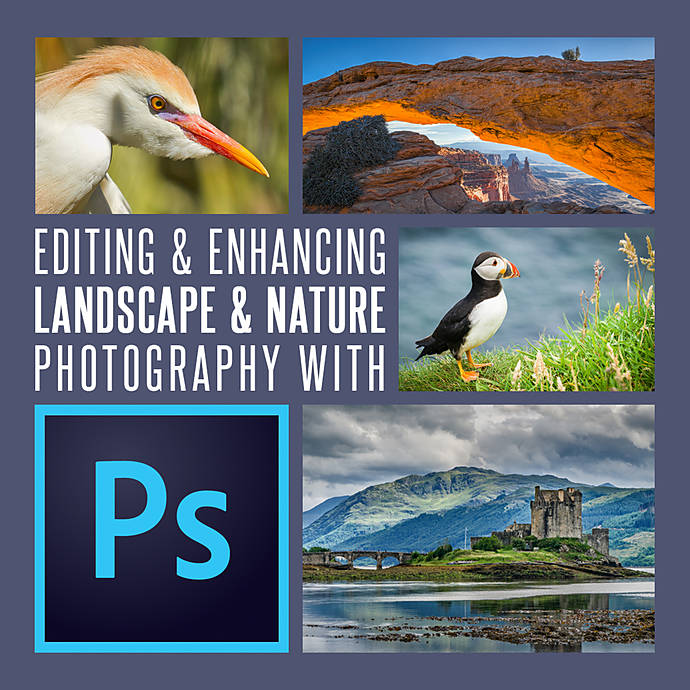
For photographers who want to improve their travel image processing, Editing and Enhancing Landscape and Nature Photography with Photoshop can help turn good captures into polished final images.
How do I choose a travel camera for landscapes, street scenes, and general vacation photography?
If your goal is an all-around travel setup, start by thinking about your most common subjects. Landscapes benefit from dynamic range, wide-angle options, and good handling on a tripod or handheld at golden hour. Street photography favors compactness, fast autofocus, and a camera that does not draw too much attention. Family and vacation photography often require a balance of ease of use, dependable autofocus, and versatility for mixed lighting.
Many travelers overbuy features they rarely use and underprioritize comfort and readiness. A camera that turns on quickly, responds predictably, and fits your daily rhythm will usually outperform a more advanced model that feels cumbersome. If you are interested in scenic travel specifically, building strong landscape technique can improve any camera system you own.
Training opportunities like Macro and Landscape Photography at Duke Farms with Michael Downey can help you make the most of travel destinations with dramatic natural scenery.
What is the best way to prepare before a photography trip?
Preparation matters as much as gear selection. Before you leave, make sure you understand your camera menus, autofocus modes, battery routine, memory card workflow, and backup plan. Practice changing settings without taking your eye off the scene. If you are bringing a new camera, spend time using it locally before your trip rather than learning it on day one abroad.
It also helps to study how experienced photographers build visual stories while traveling. Beyond landmarks, great travel images often include atmosphere, local details, portraits, transportation, weather, and moments between destinations.
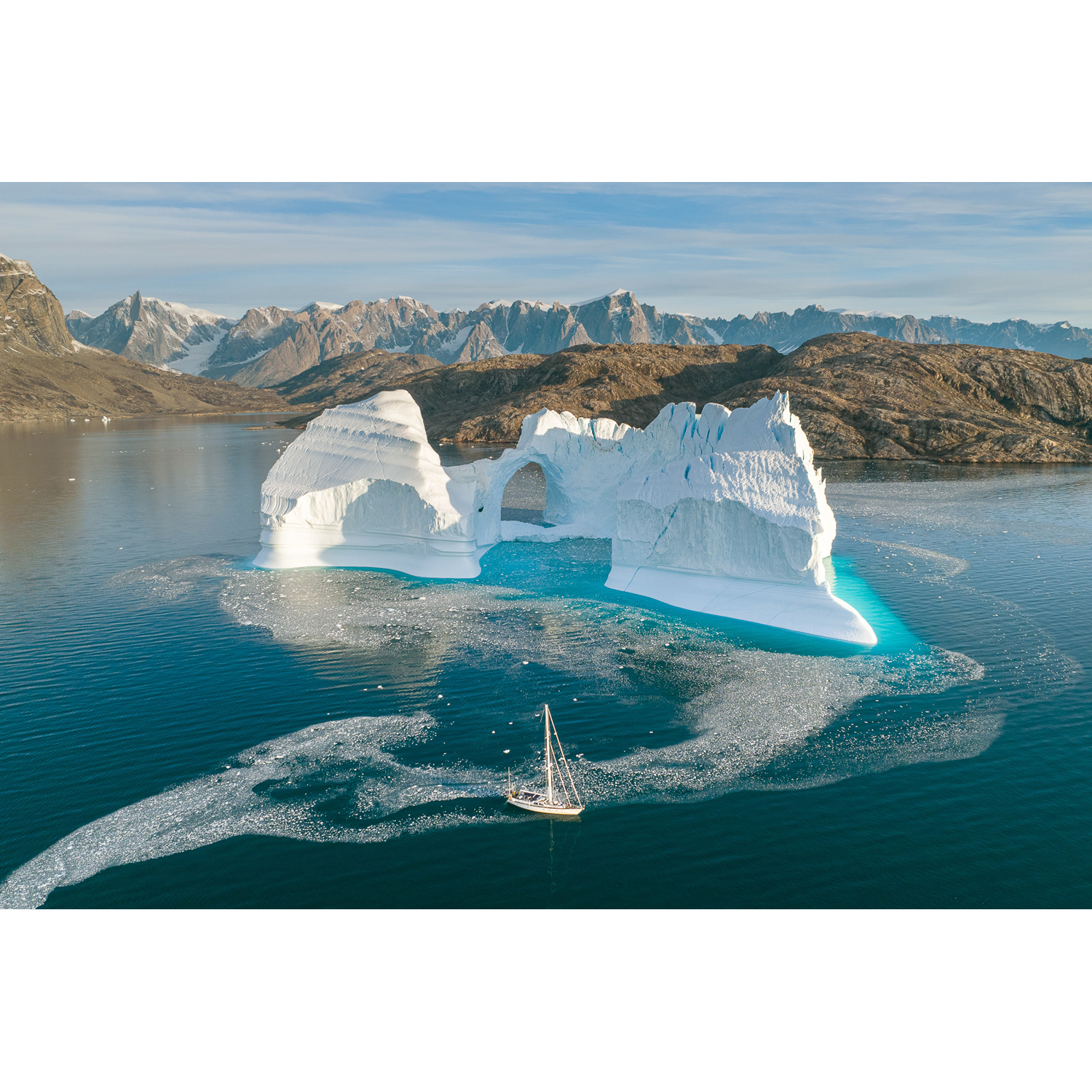
EXPO: Stories from the Road - Photography Across Worlds w. Matthew Borowick offers useful perspective on creating stronger visual narratives from travel experiences, not just isolated snapshots.
How important is editing for travel photography?
Editing is extremely important. Travel images often involve haze, harsh midday sun, mixed indoor lighting, and fast-moving conditions that are difficult to perfect in-camera. Good editing helps recover detail, balance color, improve contrast, and create consistency across a series from the same trip.
The key is to edit with restraint. Strong travel photography should still feel true to the place and the moment. A clean workflow for selecting your best frames, correcting exposure, and refining color can elevate your work without making it look artificial.
If you want to sharpen your post-processing technique after your trip, Editing and Enhancing Landscape and Nature Photography with Photoshop is a smart next step.
Can film be a good choice for travel photography?
Film can be a rewarding travel option if you enjoy a slower, more intentional process. It encourages careful composition and can create a distinctive look that many photographers love for personal trips, documentary-style storytelling, and travel journals. The tradeoff is less flexibility, ongoing film and processing costs, and the need to manage rolls carefully while traveling.
For some photographers, a hybrid approach works best: digital for dependable coverage and film for a smaller set of intentional images. If you are curious about bringing film on a future trip, it is worth learning the fundamentals before you travel.

Film Lovers Event: Intro to Film Photography (Philly) is a great way to explore whether film belongs in your travel kit.
The best travel photography camera in 2024 is the one that matches your trip, your shooting style, and your willingness to carry it everywhere. Whether you are refining DSLR skills, improving landscapes, exploring film, or building a stronger editing workflow, Unique Photo can help you prepare with expert guidance, classes, events, and photography resources for your next adventure.