
Introduction
Standing out in photography contests usually comes down to more than having a sharp image or expensive gear. Judges often respond to photographs that combine strong technical execution, intentional lighting, thoughtful editing, and a distinct point of view. To compare the best ways photographers can improve their contest results, we’re looking at several Unique Photo learning options that each strengthen a different competitive advantage: storytelling, editing, lighting, genre specialization, and camera mastery.
Rather than comparing cameras or lenses, this head-to-head article compares educational paths that can help photographers create more compelling submissions. If your goal is to build images that rise above the crowd, the right strategy may depend on the kind of contests you enter and the weaknesses in your current workflow.
Side-by-Side Comparison
| Product | Best Contest Strategy | Primary Strength | Best For | Format Focus |
|---|---|---|---|---|
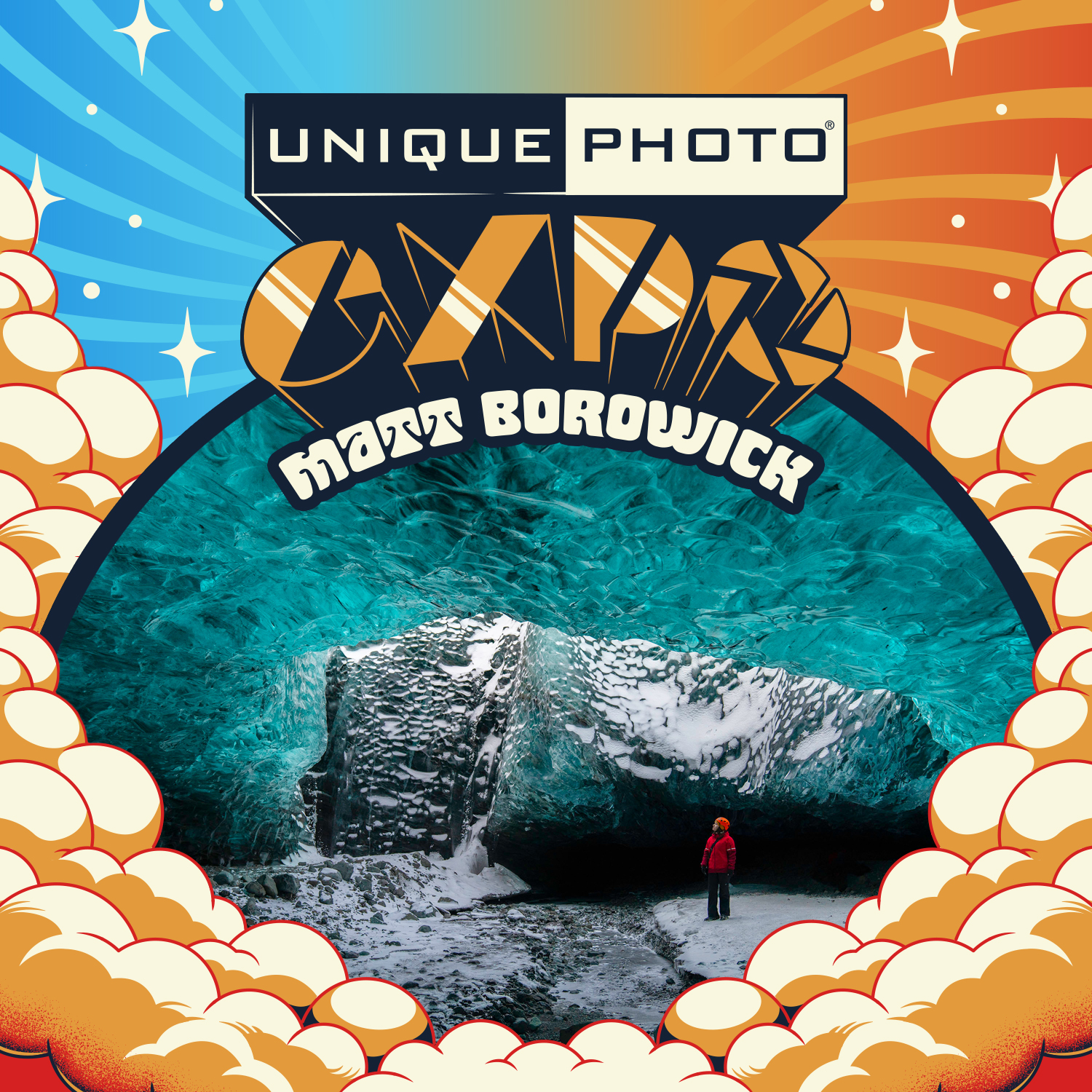
| EXPO: Stories from the Road - Photography Across Worlds w. Matthew Borowick | Develop a unique visual voice | Storytelling and perspective | Documentary, travel, editorial, fine art entrants | Creative inspiration / visual narrative |
| Editing and Enhancing Landscape and Nature Photography with Photoshop | Refine images for maximum impact | Post-production and polish | Landscape and nature competitors | Editing workflow |
| Understanding Light Modifiers with John Ricard and Models | Use lighting more intentionally | Control of mood, shape, and subject separation | Portrait, fashion, commercial contestants | Lighting technique |
| Macro and Landscape Photography at Duke Farms with Michael Downey | Strengthen field composition skills | Nature observation and composition | Landscape and macro entrants | Location shooting |
| Product Photography and Post Production Editing with Blake Taylor | Create highly polished, judge-friendly detail images | Precision shooting and retouching | Commercial, still life, product categories | Studio and post-production |
| UUOnline: Astrophotography 4-Part Series with Temu Nana (Session 2) | Compete with niche specialization | Technical mastery in a standout genre | Night sky and astro competitors | Genre-specific technique |
| Understanding Your Sony Mirrorless Camera: Intermediate (Sony) | Reduce technical mistakes | Camera fluency and efficiency | Sony users entering any contest type | Camera operation |
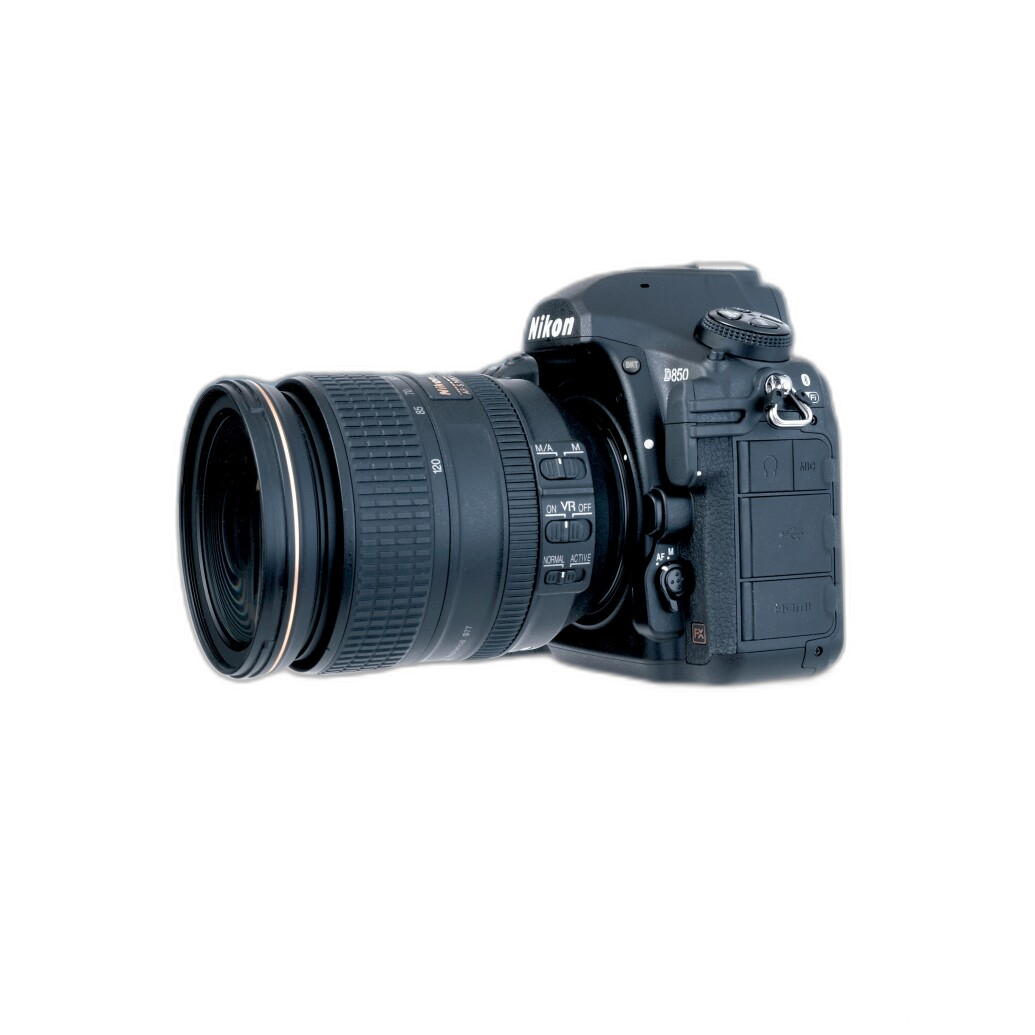
| Nikon D850 Guide to Digital SLR Photography by David Busch | Improve consistency through system knowledge | Detailed camera understanding | Nikon D850 users | Reference guide |
Why Contest Entries Stand Out
The strongest contest images usually succeed in one or more of these areas:
- Originality: A photograph shows a fresh viewpoint, unexpected framing, or a memorable subject treatment.
- Technical quality: Focus, exposure, color, and finishing support the idea instead of distracting from it.
- Emotional or narrative pull: The image makes the viewer pause and engage.
- Purposeful lighting: Light helps define mood, depth, and subject importance.
- Clean editing: Post-production enhances the image without feeling overdone.
With that in mind, the classes and resources below represent different strategies for building contest-ready work.
Strategy 1: Build a Distinct Storytelling Voice
If your images are technically good but still blend in with the pack, storytelling may be the missing ingredient. EXPO: Stories from the Road - Photography Across Worlds w. Matthew Borowick stands out as the strongest option for photographers who want to create more memorable, personal, and judge-catching submissions.
In many contests, judges review a huge volume of polished images. The ones that feel lived-in, intentional, or emotionally resonant often rise to the top. A storytelling-centered program can help you think beyond surface beauty and toward images that communicate experience, place, and meaning.

Best for: Travel, documentary, portrait, editorial, and fine art photographers who want a stronger voice.
Contest advantage: Better storytelling can make even familiar subjects feel fresh.
Strategy 2: Perfect the Final Edit
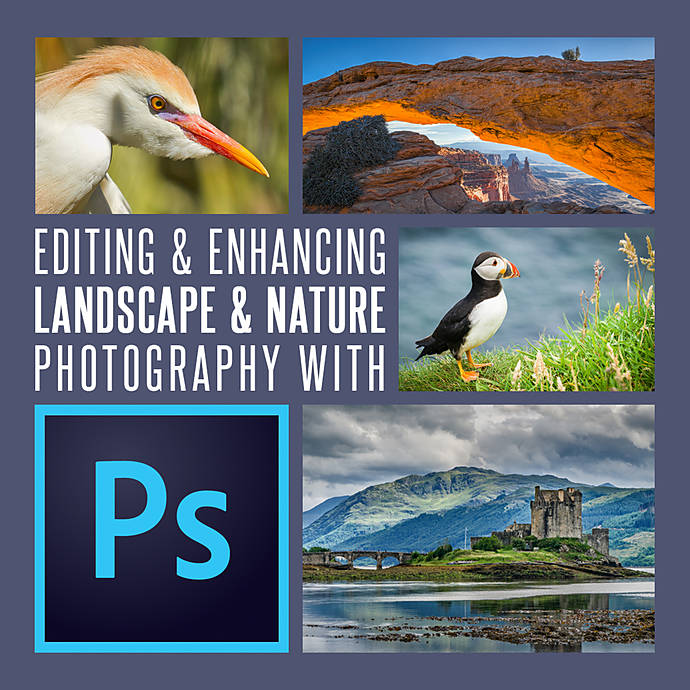
For many photographers, the difference between an almost-there contest image and a winning image is post-production. Editing and Enhancing Landscape and Nature Photography with Photoshop is especially compelling for entrants in landscape and nature categories, where judges often expect both realism and refinement.
Strong editing helps guide the eye, improve tonal balance, recover subtle detail, and present a finished image with professionalism. It can also prevent common submission mistakes like muddy contrast, over-saturation, halos, or inconsistent color. In contest settings, those details matter.
Best for: Landscape and wildlife photographers who already capture strong files but need better finishing.
Contest advantage: Cleaner, more deliberate editing can dramatically improve first impressions with judges.
Strategy 3: Master Light to Create Stronger Visual Impact
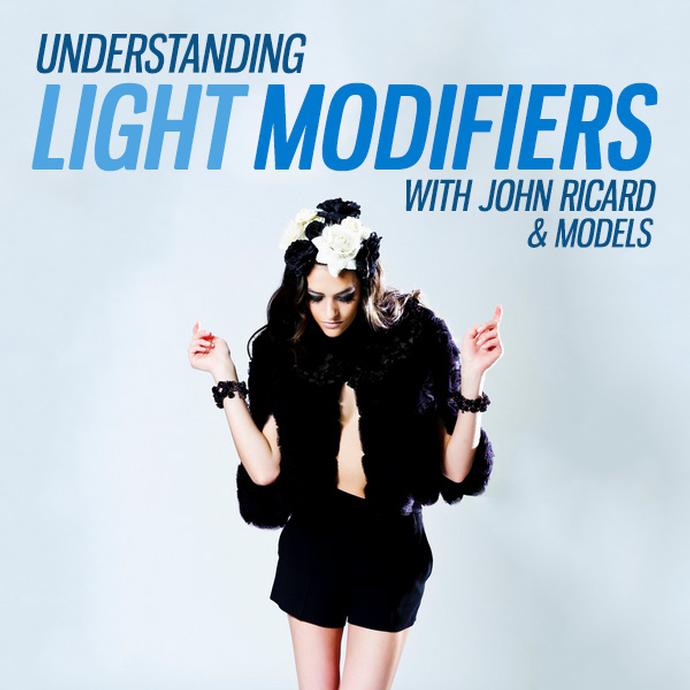
Lighting is one of the fastest ways to separate your work from more ordinary submissions. Understanding Light Modifiers with John Ricard and Models is an excellent comparison pick for photographers entering portrait, fashion, or commercial competitions where light quality is often central to the judging criteria.
Understanding how modifiers shape highlights, shadows, and subject separation allows you to create mood with far more control. Contest-worthy portraits often feel intentional from edge to edge, and that usually starts with knowing how to sculpt light instead of simply adding it.
Best for: Portrait, glamor, fashion, and studio photographers.
Contest advantage: Better lighting creates more depth, drama, and professionalism.
Strategy 4: Improve Composition in the Field
If your contest goals revolve around nature categories, Macro and Landscape Photography at Duke Farms with Michael Downey represents a practical route to improving subject selection, framing, and on-location decision-making. Many photographers rely too heavily on editing later when the stronger solution is improving the image at capture.
Macro and landscape work both reward patience, observation, and composition. In contests, these genres are crowded, so refined field craft can help you produce cleaner, more elegant images that don’t feel generic.

Best for: Nature photographers who want stronger composition and subject awareness.
Contest advantage: Better raw captures reduce reliance on rescue editing and improve image authenticity.
Strategy 5: Specialize in a Niche Category
Another strong way to stand out in contests is to compete with a specialized skill set. UUOnline: Astrophotography 4-Part Series with Temu Nana (Session 2) illustrates this strategy well. Astrophotography combines visual drama with technical challenge, and standout work in the genre can attract judges quickly when executed well.
Of course, specialization only helps if the technique is solid. Niche categories reward photographers who understand timing, exposure, environmental conditions, and image clarity. For photographers drawn to night landscapes or celestial imagery, building expertise in astro can create a distinctive contest portfolio.

Best for: Photographers looking to build a standout niche.
Contest advantage: Technical specialization can make your portfolio more memorable.
Strategy 6: Pursue Precision and Polish in Commercial Categories
For still life and commercial contests, Product Photography and Post Production Editing with Blake Taylor is a smart comparison point. Product and tabletop competitions are often unforgiving: every reflection, edge, shadow transition, and retouching choice is visible.
This kind of training supports a strategy built around precision. If you want to impress judges with clean execution, disciplined styling, and refined post-production, commercial shooting skills can translate into a very high-end presentation.

Best for: Commercial, still life, and advertising-focused entrants.
Contest advantage: Meticulous image construction signals professionalism.
Strategy 7: Eliminate Technical Errors Through Better Camera Knowledge
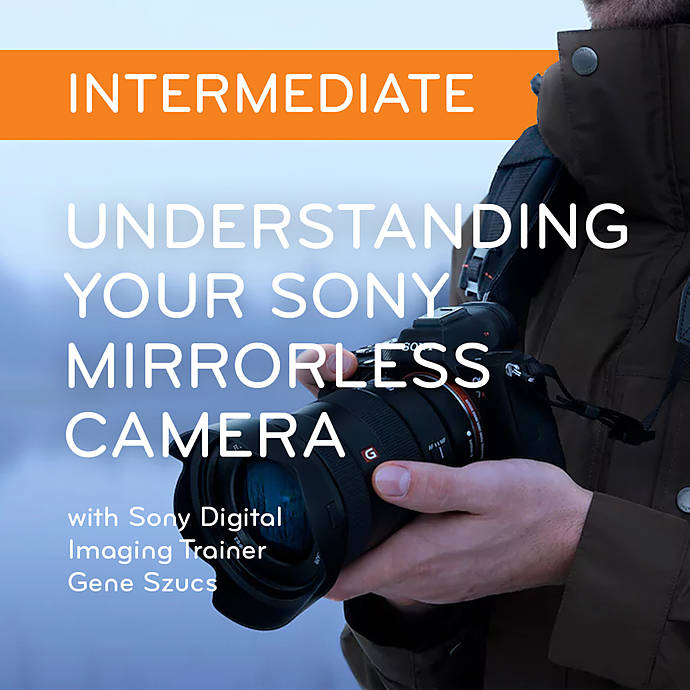
Sometimes the best contest strategy is simply becoming more reliable behind the camera. Understanding Your Sony Mirrorless Camera: Intermediate (Sony) and the Nikon D850 Guide to Digital SLR Photography by David Busch support that foundation from different angles.
These resources may not sound as glamorous as storytelling or lighting, but they can be extremely valuable. Missed focus, poor menu setup, incorrect autofocus behavior, and inefficient operation can cost you the very shot you intended to submit. Better command of your system means fewer mistakes and more confidence when conditions change quickly.
Best for: Photographers who know their vision but need more consistency in execution.
Contest advantage: Strong camera fluency reduces preventable errors and improves keeper rate.
Our Pick
Best overall strategy for standing out in photography contests: Develop a unique visual voice through storytelling.
Among the options compared here, EXPO: Stories from the Road - Photography Across Worlds w. Matthew Borowick is our pick because contest success often depends on distinction more than pure technical competence. Plenty of entries are sharp, well-exposed, and competently edited. Fewer images communicate a clear point of view or leave a lasting impression.
If you already have solid technical basics, investing in storytelling is one of the most effective ways to separate your work from other skilled photographers. That said, the best secondary pick for many entrants is Editing and Enhancing Landscape and Nature Photography with Photoshop, especially if your images are strong but need more polished final presentation.

Final Thoughts
The best strategy for standing out in photography contests depends on where your current work falls short. If you need more originality, focus on storytelling. If your images are strong but unfinished, improve your editing. If your portraits feel flat, study light. If you’re entering niche categories, build deeper genre expertise. And if technical mistakes are holding you back, strengthen your camera knowledge.
Each of these learning paths can support better contest results, but the biggest gains usually come from identifying your weakest link and improving it deliberately. Unique Photo offers a wide range of educational resources and classes that can help photographers sharpen both vision and execution before their next submission.