Choosing the best Sony primes for portraits is about more than just picking the fastest aperture. Portrait photographers using Sony E-mount cameras often balance focal length, subject compression, working distance, background blur, and the overall character of a lens. With insights inspired by a Lens Compare Beta approach, it becomes easier to narrow down which focal lengths make the most sense for headshots, environmental portraits, couples sessions, and cinematic portrait work.
At Unique Photo, we regularly see photographers and hybrid creators compare lenses by how they render skin tones, isolate a subject, and fit different shooting spaces. While every portrait style is different, a few focal lengths consistently rise to the top for Sony users: 35mm, 50mm, 85mm, and 135mm.
What Makes a Sony Prime Lens Great for Portraits?
When photographers search for the best Sony portrait lens, they are usually looking for a combination of flattering perspective and beautiful subject separation. Prime lenses stand out because they typically offer wider maximum apertures, strong optical performance, and a more intentional shooting experience than zooms.
For portrait work, these factors matter most:
- Focal length: Determines perspective and compression.
- Maximum aperture: Helps create shallow depth of field and supports low-light shooting.
- Rendering: Contrast, falloff, and bokeh quality all affect portrait look.
- Working distance: Important for comfort and communication with your subject.
- Use case: Studio portraits, lifestyle sessions, headshots, and video portraits all have different needs.
A Lens Compare Beta style workflow is especially helpful here because portrait shooters often want to compare not just specifications, but how 50mm versus 85mm versus 135mm changes the final image.
Best Sony Prime Focal Lengths for Portrait Photography
If you are wondering which prime lens is best for Sony portraits, the answer often starts with focal length rather than brand alone. Here is how the most popular portrait focal lengths typically perform.
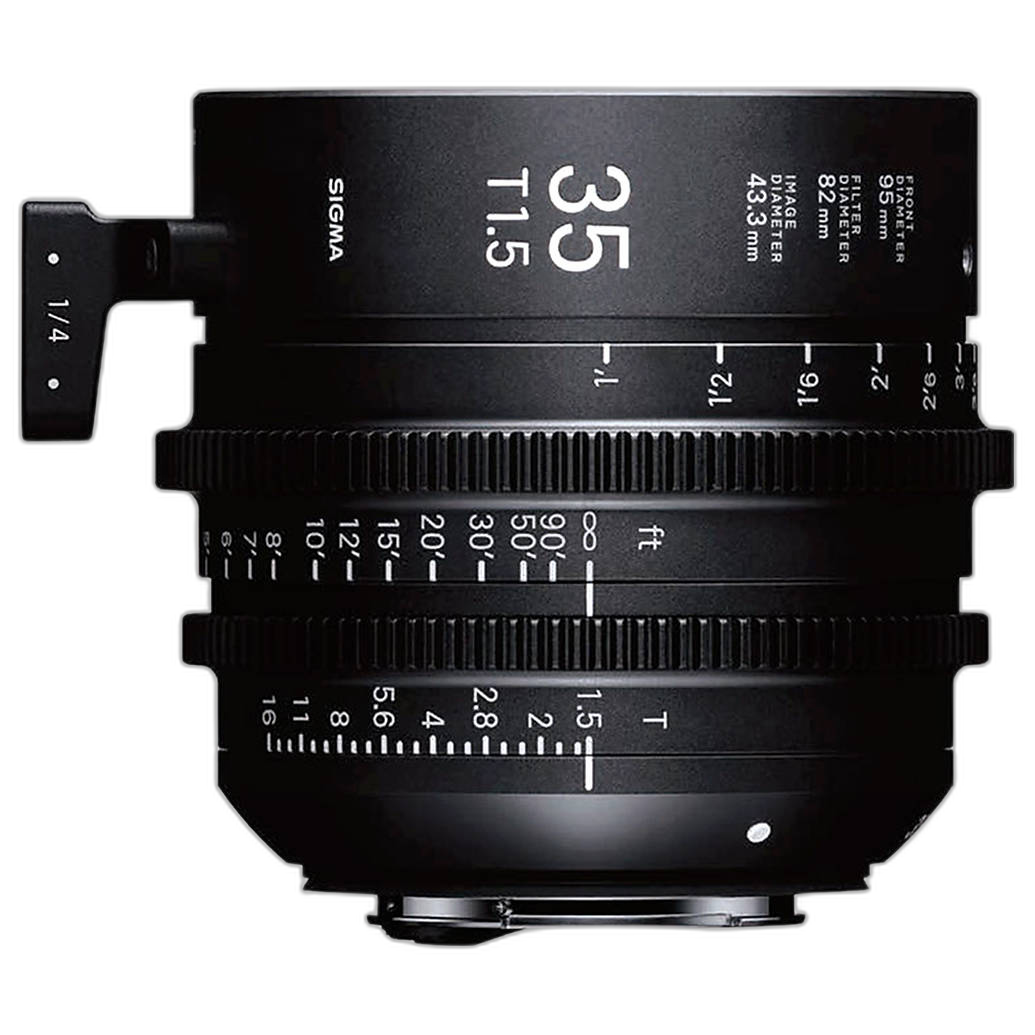
35mm for environmental portraits
A 35mm prime works well when you want to include context around your subject. It is ideal for editorial portraits, branding sessions, street portraits, and storytelling images where the environment matters as much as the person.
The tradeoff is that 35mm can introduce more perspective distortion when used too close for tight headshots. That makes it best for half-body, full-body, or scene-driven portraiture rather than classic close-up facial work.
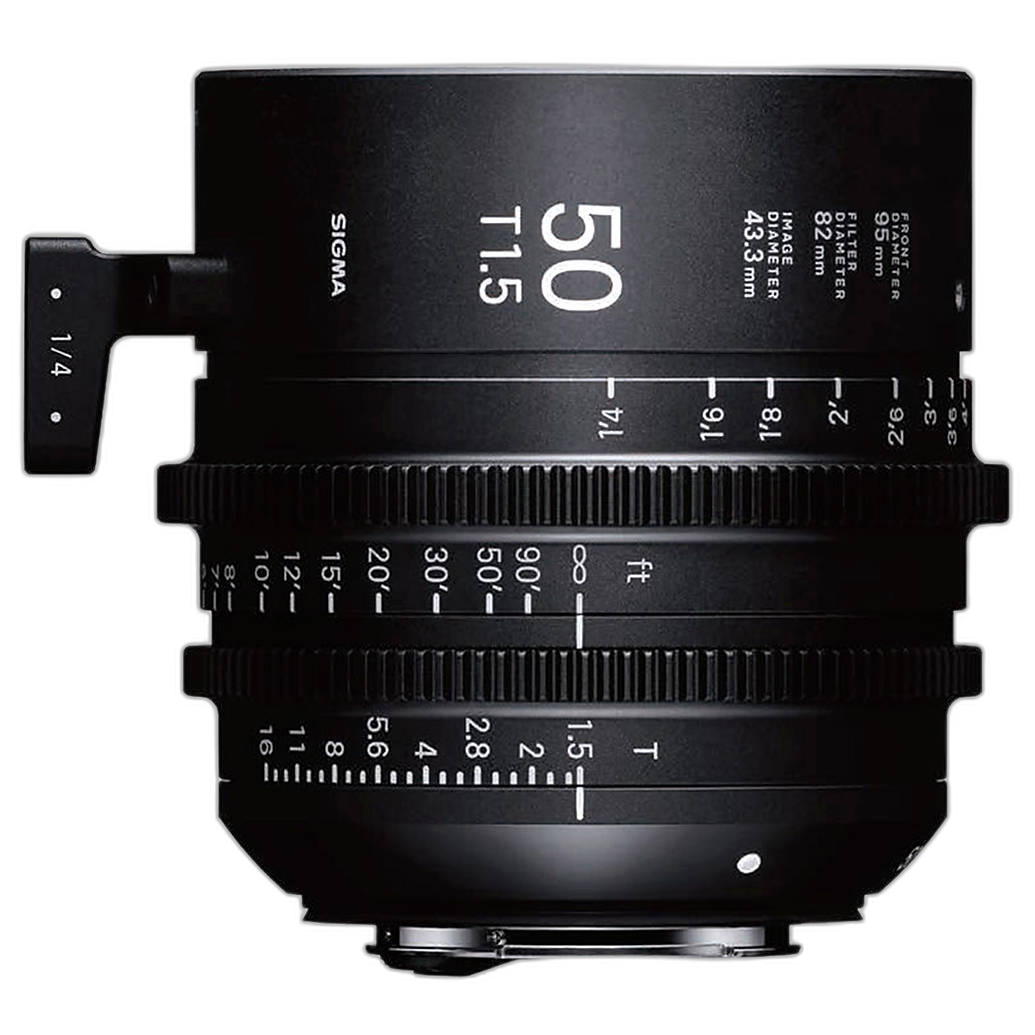
50mm for natural perspective portraits
For many Sony photographers, 50mm is the most versatile prime for portraits. It offers a natural field of view, making it a strong choice for lifestyle sessions, family portraits, couples photography, and general-purpose use. If you only want one portrait prime, 50mm is often where the conversation starts.
It gives a more intimate look than 35mm without the stronger compression of 85mm or 135mm. In smaller indoor spaces, that flexibility can be a major advantage.
85mm for classic flattering portraits
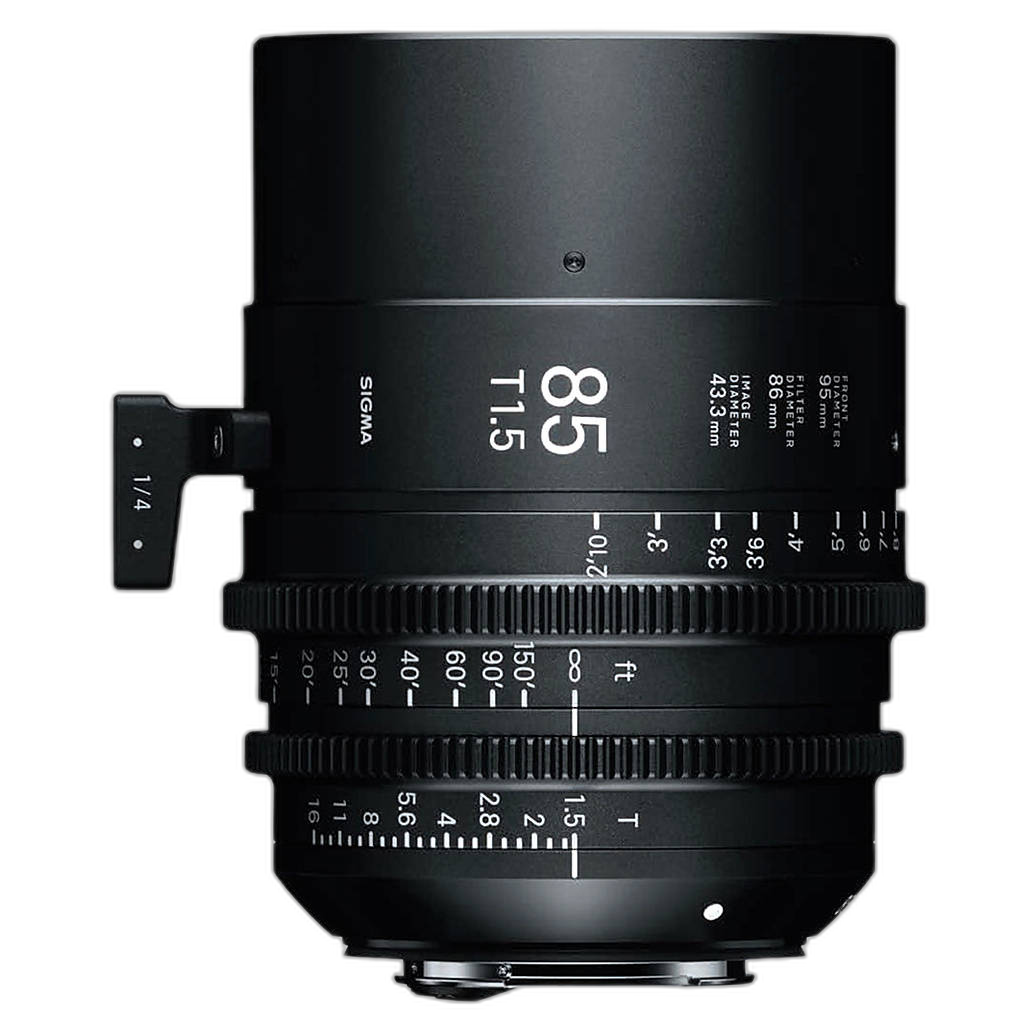
The 85mm focal length remains the gold standard for many portrait photographers. It creates flattering facial proportions, strong subject separation, and a polished look that works beautifully for headshots, senior portraits, fashion, and wedding portraiture.
If your Lens Compare Beta results keep pulling you toward a lens that feels purpose-built for portrait work, 85mm is often the sweet spot between versatility and compression.
135mm for dramatic compression and separation
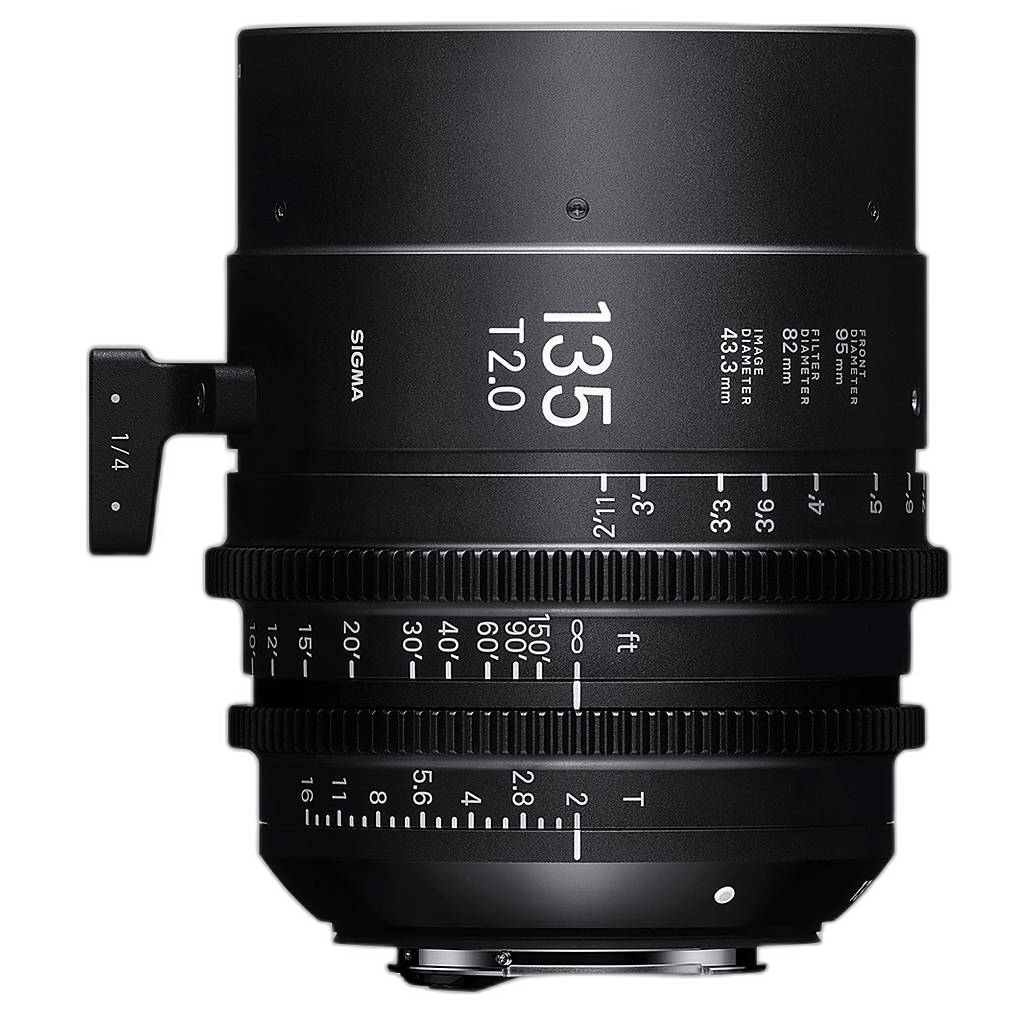
For photographers who want maximum background compression and strong separation, 135mm is a standout portrait focal length. It excels for outdoor portraits, beauty work, and compressed headshots with creamy backgrounds. It can make busy locations look cleaner and more elegant by narrowing the field of view.
The limitation is space. A 135mm portrait lens needs more room, so it is less practical in small studios or tight interiors.
35mm vs 50mm vs 85mm vs 135mm for Sony Portraits
One of the most common search queries around Sony portrait lenses is how these focal lengths compare in real-world use. Here is a practical breakdown:
- 35mm: Best for environmental portraits, storytelling, and tighter shooting spaces.
- 50mm: Best all-around option for natural-looking portraits and mixed use.
- 85mm: Best classic portrait focal length for flattering features and strong subject isolation.
- 135mm: Best for dramatic compression, luxury portrait aesthetics, and outdoor headshots.
For many photographers shopping at Unique Photo, the decision comes down to whether they prioritize flexibility or specialization. A 50mm may do more jobs, but an 85mm often delivers the portrait look people specifically associate with professional results.
Insights from a Lens Compare Beta Mindset
A Lens Compare Beta tool or workflow is useful because portrait lens decisions are highly visual. Looking at side-by-side differences in framing, blur, and compression can quickly show why one lens feels better suited to your style.
Here are the biggest takeaways that typically emerge from portrait lens comparisons:
- Compression increases as focal length increases. Faces appear flatter and backgrounds feel closer at 85mm and 135mm.
- Working distance changes the experience. 50mm keeps you closer to your subject, while 135mm gives more distance.
- Background management improves with longer lenses. Busy scenes often look cleaner at 85mm and 135mm.
- Storytelling is easier at wider focal lengths. A 35mm can include more context and atmosphere.
That is why many Sony portrait photographers eventually build a two-lens setup instead of relying on one focal length alone. A 35mm or 50mm paired with an 85mm is especially popular.
Best Sony Primes for Headshots
If your main goal is professional headshots, the best Sony prime focal lengths are usually 85mm and 135mm. These lenses provide flattering facial rendering and help avoid the distortion that can appear when shooting too close with wider lenses.
An 85mm is often the easiest recommendation because it balances comfort, sharpness, and subject separation without requiring excessive shooting distance. A 135mm can look even more dramatic, but it works best when you have enough room to step back.
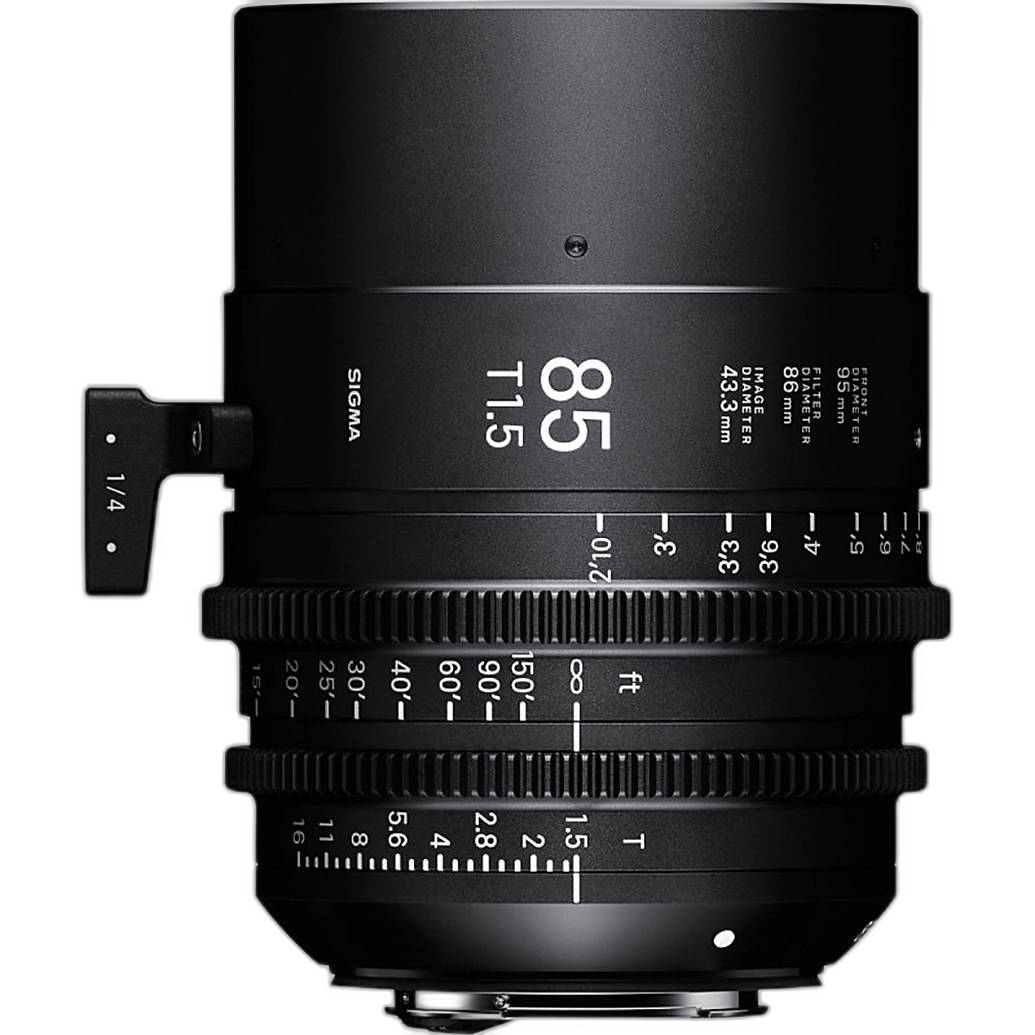
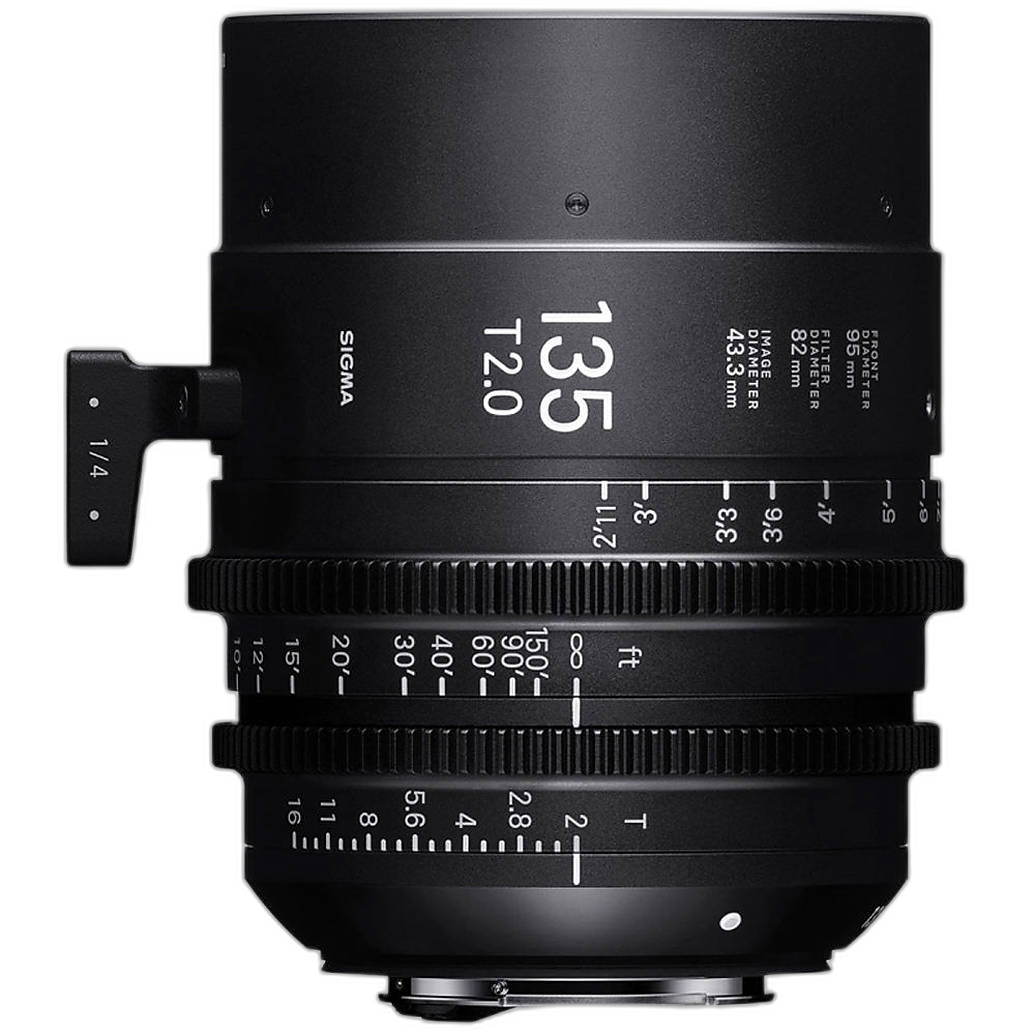
For creators producing cinematic interviews or stylized portrait video on Sony E-mount, Sigma’s cine-oriented primes can also be relevant options thanks to their consistent design language and fast apertures. Examples available through Unique Photo include the Sigma 85mm T1.5 FF High-Speed Prime Lens (Sony E) and the Sigma 135mm T2 FF High-Speed Prime Lens (Sony E).
Best Sony Prime Lens for Indoor Portraits
Indoor portrait photography changes the equation because space becomes limited. In smaller rooms or home studios, 85mm and 135mm may feel too tight. That is where 35mm and 50mm primes shine.
A 50mm is often the safest indoor portrait choice because it gives a natural perspective and still allows for background blur. A 35mm becomes especially useful when you want full-body compositions, environmental portraits, or group-friendly framing in tighter spaces.
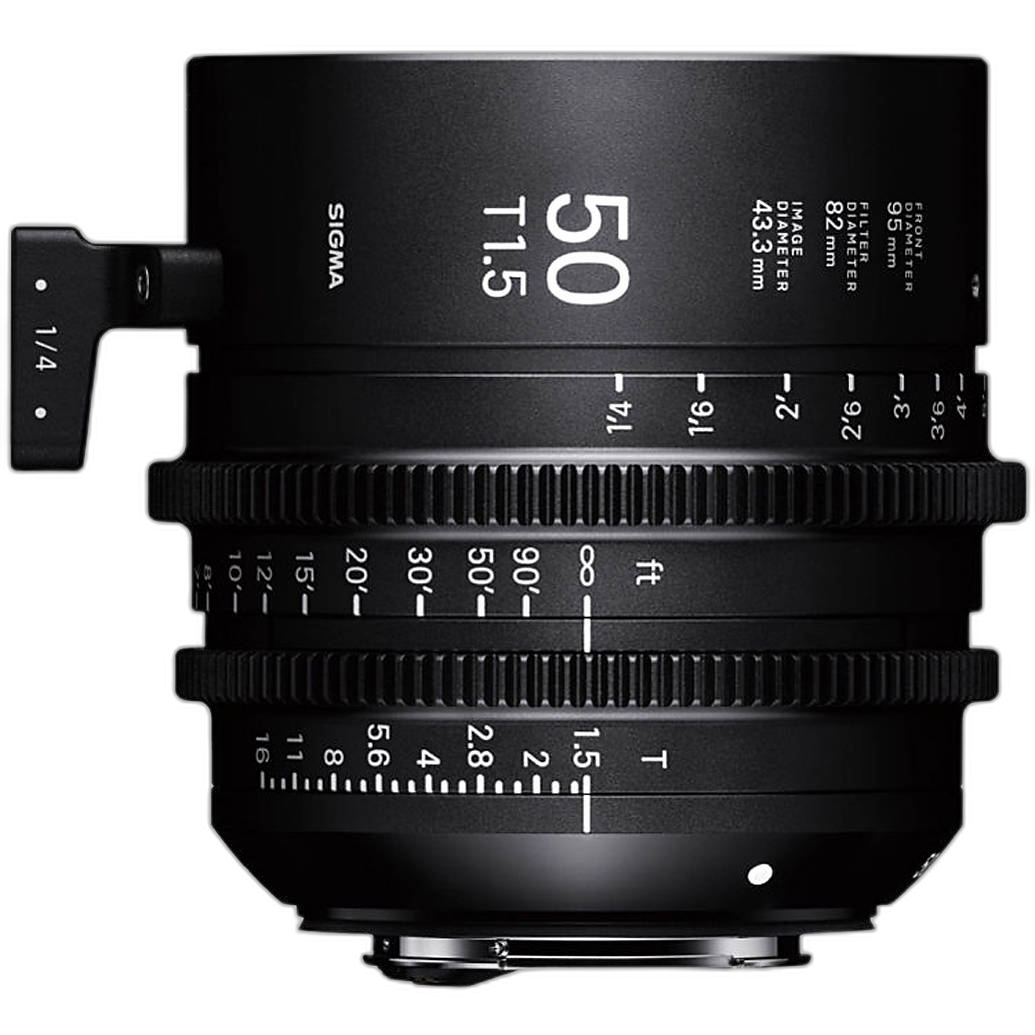
For hybrid shooters creating both portraits and branded video content, a 50mm cine prime can be especially appealing. Unique Photo carries options such as the Sigma 50mm T1.5 FF High-Speed Prime Lens (Sony E) and the Sigma 50mm T1.5 Fully Luminous FF High-Speed Prime Lens (Sony E), both relevant for creators who want cinematic rendering on Sony E-mount.
Which Sony Prime Is Best for Outdoor Portraits?
Outdoor portrait sessions usually give you the freedom to use longer focal lengths. That makes 85mm and 135mm especially attractive. If your style leans toward creamy backgrounds, compressed scenery, and strong separation from the environment, these are the focal lengths to prioritize.
Use 85mm when you want versatility across half-body and headshot compositions. Choose 135mm when you want a more dramatic, high-end portrait aesthetic and have enough room to work.
Outdoor photographers comparing lenses through a Lens Compare Beta will often notice that 135mm can turn distracting backgrounds into soft color and shape, which is one reason it remains so desirable for premium portrait work.
How to Build the Ideal Sony Portrait Prime Kit
The best Sony portrait lens kit depends on what you shoot most often. Here are a few smart combinations:
- 35mm + 85mm: Excellent for wedding, editorial, and lifestyle photographers.
- 50mm + 85mm: Great for all-around portrait photographers who want flexibility and classic rendering.
- 85mm + 135mm: Ideal for headshot specialists and outdoor portrait artists.
- 35mm + 50mm + 85mm: Strong all-purpose set for hybrid creators and portrait professionals.
If you shoot both stills and motion, cine primes can also play a role in your Sony setup. Sigma’s FF High-Speed Prime Lens lineup for Sony E-mount provides familiar focal lengths that portrait creators often love for stylized, cinematic work.
Final Thoughts on the Best Sony Primes for Portraits
The best Sony prime for portraits is not always the same for every photographer, but the comparison usually leads to a few clear conclusions. Choose 35mm for storytelling and environmental portraits, 50mm for versatility, 85mm for classic portraiture, and 135mm for dramatic compression and standout subject separation.
A Lens Compare Beta perspective is valuable because it helps you see how each focal length shapes your portrait style before you commit. At Unique Photo, that kind of informed comparison matters, especially when you are building a Sony E-mount kit for portraits, headshots, or cinematic people-focused content.
If you are ready to refine your setup, consider exploring portrait-friendly Sony E-mount lenses, cinema primes, and related accessories at Unique Photo. Good internal linking options for this topic include pages covering Sony E-mount lenses, Sigma cine lenses, portrait lighting, and tripods to help complete your portrait kit.