Sony Portrait Lens Face-Off: FE 12–24mm f/2.8 GM vs FE 24–105mm f/4 G OSS
Looking for the best Sony glass to elevate your portrait work? Using insights from our Lens Compare Beta side-by-side views (sharpness trends, bokeh character, and handling notes), we put two popular full-frame E-mount zooms under the portrait spotlight: the ultra-wide Sony FE 12–24mm f/2.8 GM and the versatile Sony FE 24–105mm f/4 G OSS. While neither is a classic fast 85mm prime, each brings distinct strengths for portraits—from dramatic environmental storytelling to flattering compression.
Side-by-Side Specs
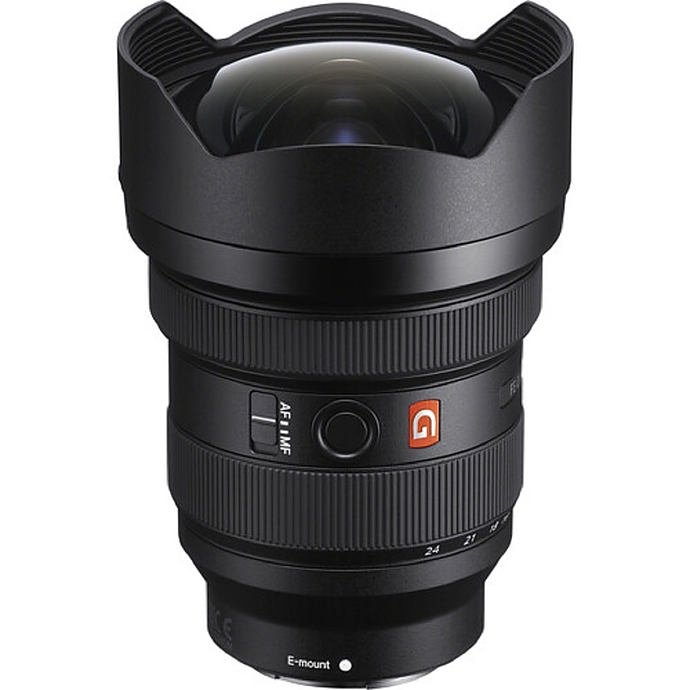
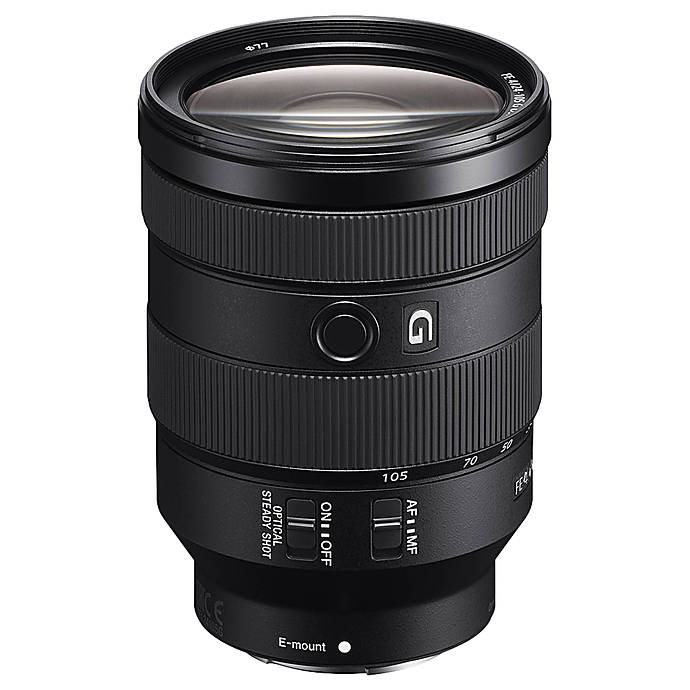
| Lens | Sony FE 12–24mm f/2.8 GM | Sony FE 24–105mm f/4 G OSS |
|---|---|---|
| Mount / Format | Sony E / Full-Frame | Sony E / Full-Frame |
| Focal Length | 12–24mm | 24–105mm |
| Max Aperture | f/2.8 (constant) | f/4 (constant) |
| Stabilization | No | Optical SteadyShot (OSS) |
| Min Focus Distance | Approx. 0.28 m | Approx. 0.38 m |
| Max Magnification | Approx. 0.14× | Approx. 0.31× |
| Filter | No front thread; rear gel slot | 77mm front thread |
| Weight | Approx. 847 g | Approx. 663 g |
| Weather Sealing | Yes | Yes |
Category-by-Category Analysis
1) Focal Length & Framing for Portraits
For classic head-and-shoulder portraits, mid-telephoto focal lengths (70–105mm) offer flattering perspective and compression. The FE 24–105mm f/4 G OSS covers this sweet spot, letting you move from 50mm half-body to 85–105mm tight headshots without changing lenses. The FE 12–24mm f/2.8 GM, meanwhile, is an ultra-wide specialist—amazing for environmental portraits that emphasize setting, architecture, or context, but less ideal for tight, flattering headshots due to perspective exaggeration at shorter focal lengths.
2) Aperture & Subject Isolation (Bokeh)
Lens Compare Beta highlights that background separation depends on both focal length and aperture. Although the 12–24mm has a faster f/2.8 aperture, its ultra-wide focal lengths keep background elements more in focus at typical portrait distances. The 24–105mm, despite a slower f/4, produces more flattering subject isolation at 70–105mm thanks to telephoto compression and close focusing. For creamy bokeh in portraits, the 24–105mm at the long end generally wins.
3) Sharpness & Rendering
Both lenses are strong performers. The 12–24mm f/2.8 GM is impressively sharp across the frame, which is excellent for environmental portraits where edge-to-edge detail matters. The 24–105mm f/4 G OSS balances crisp central sharpness with gentle falloff and pleasing color/contrast—traits that flatter skin tones and keep attention on your subject, particularly in the 70–105mm range.
4) Autofocus & Reliability
Both lenses offer fast, quiet autofocus well suited to modern Sony bodies. In fast-paced portrait sessions, the 24–105mm’s flexible zoom range reduces lens changes and keeps you in the moment. The 12–24mm focuses confidently for environmental work and location portraits, especially with eye-detect AF.
5) Stabilization & Video Portraits
The FE 24–105mm f/4 G OSS includes optical stabilization, which pairs nicely with in-body stabilization for sharp handheld portraits and smoother video. The FE 12–24mm f/2.8 GM relies on the camera’s IBIS; at ultra-wide angles this is usually sufficient for stills, but OSS on the 24–105mm adds a real edge for hybrid shooters and available-light portrait sessions.
6) Handling, Filters & Practicality
If you depend on front-mounted filters (ND for video portraits or diffusion for glow), the 24–105mm’s 77mm thread is widely compatible and convenient. The 12–24mm GM’s bulbous element precludes standard front filters, though it supports rear gels—fine for specific creative use but less practical for on-the-fly portrait work. Weight and size also favor the 24–105mm for all-day sessions.
7) Value for Portrait-Focused Kits
For photographers prioritizing portrait versatility, the FE 24–105mm f/4 G OSS delivers tremendous reach and convenience in one lens. The FE 12–24mm f/2.8 GM earns its place when your portrait style is immersive and environmental, or when you want dramatic, story-driven context in the frame.
Our Pick
Best Overall for Portraits: Sony FE 24–105mm f/4 G OSS
If your primary goal is flattering people photography—headshots, half-body, and lifestyle portraits—the 24–105mm f/4 G OSS is the most practical and consistent choice. It covers the classic portrait focal range, offers useful stabilization, accepts common filters, and delivers reliable sharpness and rendering from 24mm to 105mm. The 12–24mm f/2.8 GM is a phenomenal creative tool for environmental portraits, but as a single-lens portrait solution, the 24–105mm is the one to beat.
Conclusion
Portraits are about intention: compression and isolation for classic looks, or expansive context for immersive storytelling. Between these two Sony zooms, the FE 24–105mm f/4 G OSS is the portrait workhorse, while the FE 12–24mm f/2.8 GM inspires bold, environmental frames. Explore both at Unique Photo—online or in-store—and use our Lens Compare Beta to see how each fits your portrait style.