If you're trying to choose the right Sony lens for sweeping vistas, environmental portraits, or flattering headshots, Sony Lens Compare Beta can be a very useful starting point. The key is knowing how to compare lenses with a real shooting goal in mind instead of just looking at specs in isolation. For landscape and portrait photographers, a smart comparison process can help you narrow down focal length, aperture, versatility, and handling much faster. Below are practical tips to help you get more out of the tool before you commit to your next lens.
Start With Your Shooting Style, Not Just the Lens Name
1. Define the photos you actually make most often
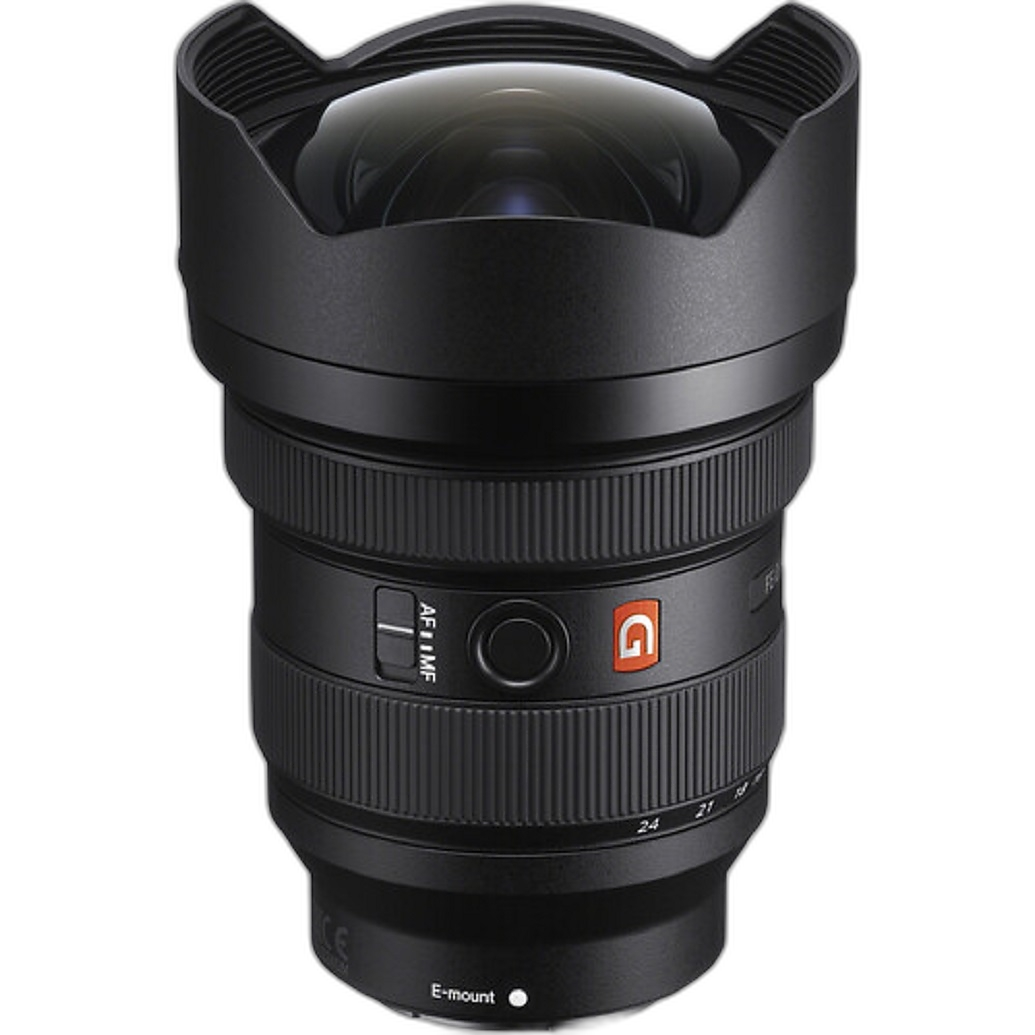
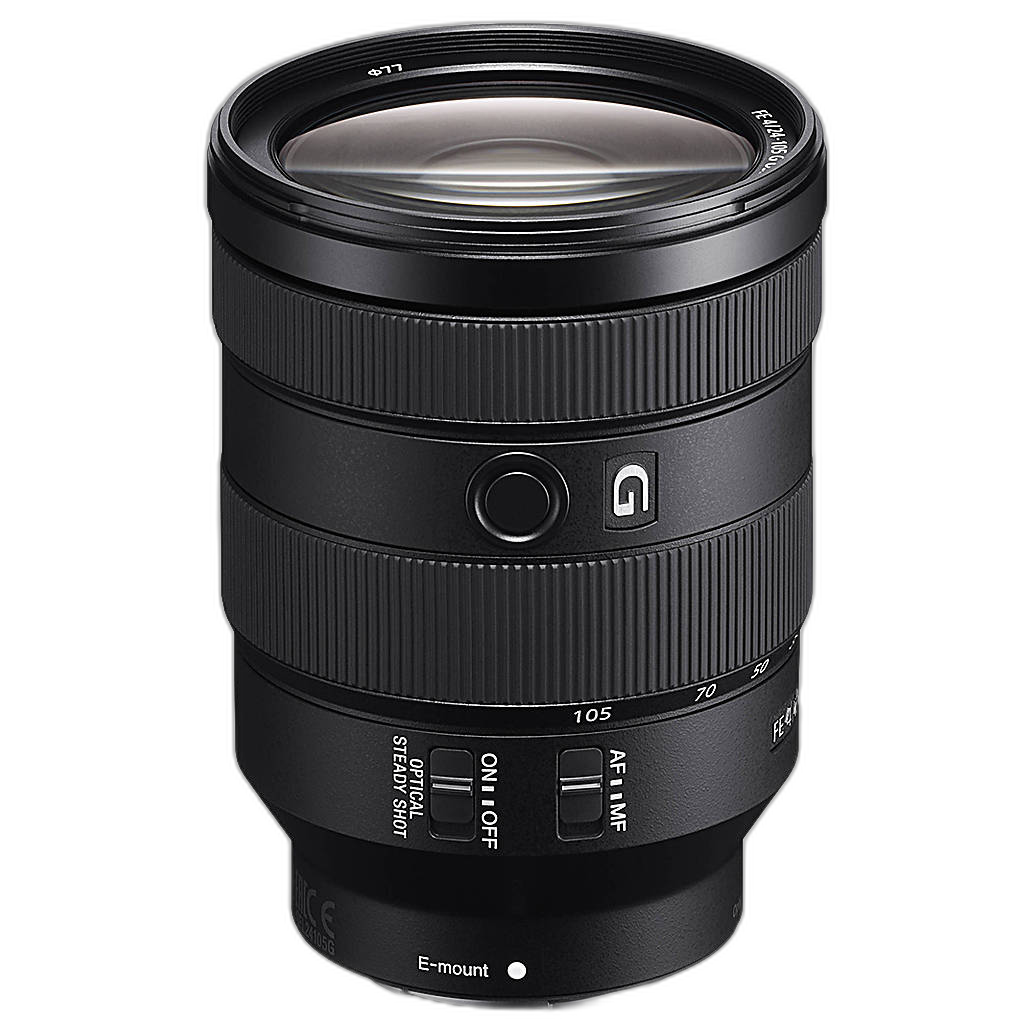
Before comparing anything, decide whether your work leans more toward dramatic landscapes, environmental portraits, traditional portraits, or a mix of all three. A lens that looks impressive on paper may not fit your day-to-day photography. For example, the Sony FE 12-24mm f/2.8 GM Lens makes immediate sense for photographers who want expansive foregrounds, dramatic skies, and ultra-wide compositions. Meanwhile, the Sony FE 24-105mm f/4 G OSS Lens is often the more practical choice for shooters who want one lens that can cover travel landscapes and portraits in the same outing.
Using Sony Lens Compare Beta is easier when you enter with a short list of needs like “best for wide landscapes,” “best for environmental portraits,” or “best all-around zoom.”
Compare Focal Length With Composition in Mind
2. Use focal length to predict perspective and framing
Landscape and portrait shooters often need very different things from focal length. In Sony Lens Compare Beta, don't just note the numbers; think about how those numbers affect your images. At 12mm, the Sony FE 12-24mm f/2.8 GM Lens can emphasize leading lines, foreground scale, and dramatic perspective. That makes it a powerful creative tool for landscapes, architecture, and environmental scenes where you want viewers to feel immersed.
By contrast, the Sony FE 24-105mm f/4 G OSS Lens covers a much broader range. At 24mm, it still handles scenic work well, while the longer end lets you compress distant mountain layers or create more flattering portrait framing around 85mm to 105mm. If your goal is to compare lenses for versatility, this is exactly the kind of practical difference to pay attention to.
Pay Attention to Aperture, but Keep Expectations Realistic
3. Separate low-light needs from depth-of-field needs
One common mistake when using any lens comparison tool is overvaluing maximum aperture without considering how you shoot. For many landscape photographers, images are often made at f/8 or f/11 on a tripod, so the big question isn't always just speed. Instead, you may care more about corner performance, field of view, and flare control. That makes the Sony FE 12-24mm f/2.8 GM Lens especially appealing if you also shoot astrophotography or sunrise scenes where a brighter aperture adds flexibility.
Portrait shooters comparing the Sony FE 24-105mm f/4 G OSS Lens should remember that f/4 can still produce attractive subject separation, especially toward the telephoto end. In Lens Compare Beta, think beyond the widest aperture and ask whether the lens supports the look you want at the focal lengths you'll actually use.
Check Whether One Lens Can Cover Both Genres
4. Prioritize convenience if you shoot portraits and landscapes on the same trip
If you regularly move between scenic locations and people photography, use Sony Lens Compare Beta to judge how much lens swapping you want to do in the field. The Sony FE 24-105mm f/4 G OSS Lens is a great example of a lens that can simplify your kit. It can capture broad landscapes at the wide end, tighter compositions for details, and portraits without forcing you to change lenses every few minutes.
On the other hand, if your landscape work is your top priority and you want the most dramatic wide-angle perspective possible, the Sony FE 12-24mm f/2.8 GM Lens may be the stronger specialized option. Lens comparison works best when you decide whether you want a specialist or an all-rounder.
Consider Distortion and Edge Performance for Landscapes
5. Wide-angle shooters should compare how a lens may behave at the edges
For landscapes, ultra-wide focal lengths are exciting, but they also demand more attention to edge detail and composition control. When using Sony Lens Compare Beta, make sure you're thinking about how often you'll place important elements near the frame edges. A lens like the Sony FE 12-24mm f/2.8 GM Lens is designed for high-end wide-angle performance, which matters when you are photographing coastlines, forests, or dramatic interiors where sharpness across the frame helps complete the image.
If your landscapes are less about extreme width and more about balanced framing, the Sony FE 24-105mm f/4 G OSS Lens may give you a more flexible and forgiving range for day hikes, road trips, and mixed-subject sessions.
Portrait Shooters Should Compare Compression, Not Just Background Blur
6. Longer focal lengths often matter as much as aperture
For portraits, many photographers focus immediately on bokeh, but focal length plays a major role in how a subject looks. Sony Lens Compare Beta can help you identify whether a lens reaches the portrait-friendly range you prefer. The Sony FE 24-105mm f/4 G OSS Lens gives you access to classic portrait focal lengths that can create more flattering facial proportions and cleaner backgrounds simply by allowing you to step back and zoom in.
The Sony FE 12-24mm f/2.8 GM Lens can still be useful for environmental portraiture, especially when you want to place a subject within a dramatic scene. Just remember that very wide focal lengths can exaggerate perspective if used too close, so comparison should always connect back to your intended subject distance and framing style.
Think About Portability and Field Use
7. A lens you enjoy carrying is a lens you'll use more often
Sony Lens Compare Beta can help narrow down focal length and feature sets, but you should also think about practical use in the real world. If you're a landscape photographer who hikes to viewpoints or a portrait shooter working on location for long sessions, handling matters. Ask yourself whether you want one lens mounted most of the day or whether you're comfortable carrying a more specialized setup.
For many shooters, the Sony FE 24-105mm f/4 G OSS Lens strikes an excellent balance between image quality and convenience. For others, the creative payoff of the Sony FE 12-24mm f/2.8 GM Lens is worth bringing along specifically for scenes that demand a bold, immersive perspective.
Use Comparison Results to Build a Two-Lens Strategy
8. Don't force one lens to do everything if your work demands more
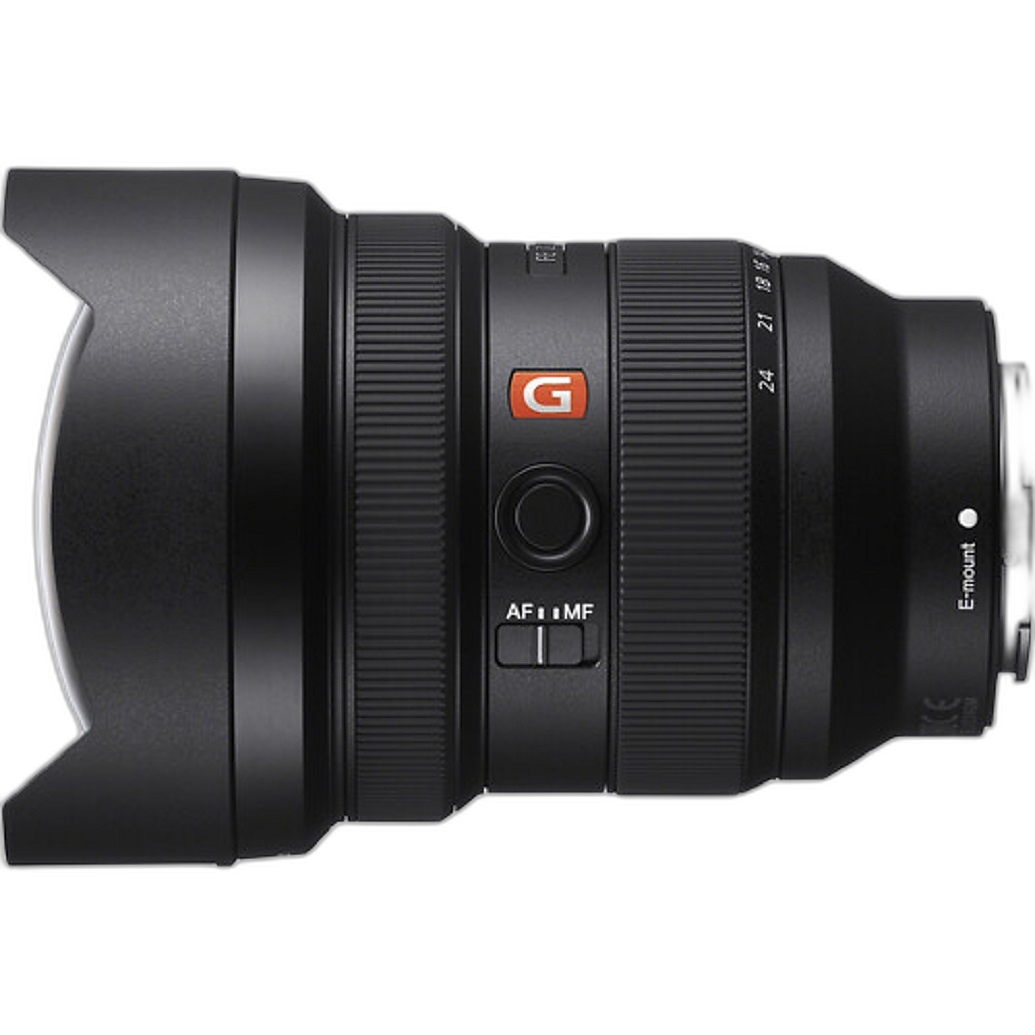
Sometimes the best use of Sony Lens Compare Beta is realizing that your ideal setup may be two complementary lenses rather than one compromise. Landscape photographers who need dramatic ultra-wide coverage may choose the Sony FE 12-24mm f/2.8 GM Lens for epic scenes, then add a more general-purpose zoom later. Portrait and travel shooters may start with the Sony FE 24-105mm f/4 G OSS Lens because it gives them a wide range of framing options in a single package.
If the comparison tool helps you identify what each lens does best, you've already made smarter progress than simply sorting by specs alone.
Review Your Images Before Making the Final Call
9. Let your own portfolio guide the decision
After using Sony Lens Compare Beta, go back through your recent work and check the focal lengths and types of scenes you actually shoot. If your favorite images are mostly expansive seascapes, interiors, and dramatic foreground-driven compositions, that points strongly toward something like the Sony FE 12-24mm f/2.8 GM Lens. If your library includes travel scenes, portraits, tighter landscape crops, and everyday assignments, the Sony FE 24-105mm f/4 G OSS Lens may fit your habits better.
The most useful comparison is the one that reflects your own photography, not just general advice.
Conclusion
Sony Lens Compare Beta is most helpful when you use it as a decision-making tool tied to real shooting goals. For landscape photographers, that often means paying close attention to ultra-wide coverage, edge performance, and scene impact. For portrait photographers, it means weighing focal length flexibility, flattering compression, and how often you need one lens to handle multiple jobs. Whether you're drawn to the expansive creativity of the Sony FE 12-24mm f/2.8 GM Lens or the everyday versatility of the Sony FE 24-105mm f/4 G OSS Lens, a thoughtful comparison process can help you invest with confidence. Explore your options, compare with purpose, and if you're ready to upgrade your Sony kit, Unique Photo is a great place to start.