Introduction
Getting sharp handheld landscape photos is all about balancing technique with the right gear. For this comparison, we’re looking at two very different but highly relevant tools for the job: the Sigma 17mm F4 DG Contemporary Lens and Rocky Nook’s The Landscape Photography Book by Scott Kelby. One helps you create sharper handheld images through lens choice and shooting flexibility, while the other helps you improve through practical field technique. If you want better handheld landscape results without immediately reaching for a tripod, this head-to-head comparison highlights which option will do more for your photography right now.
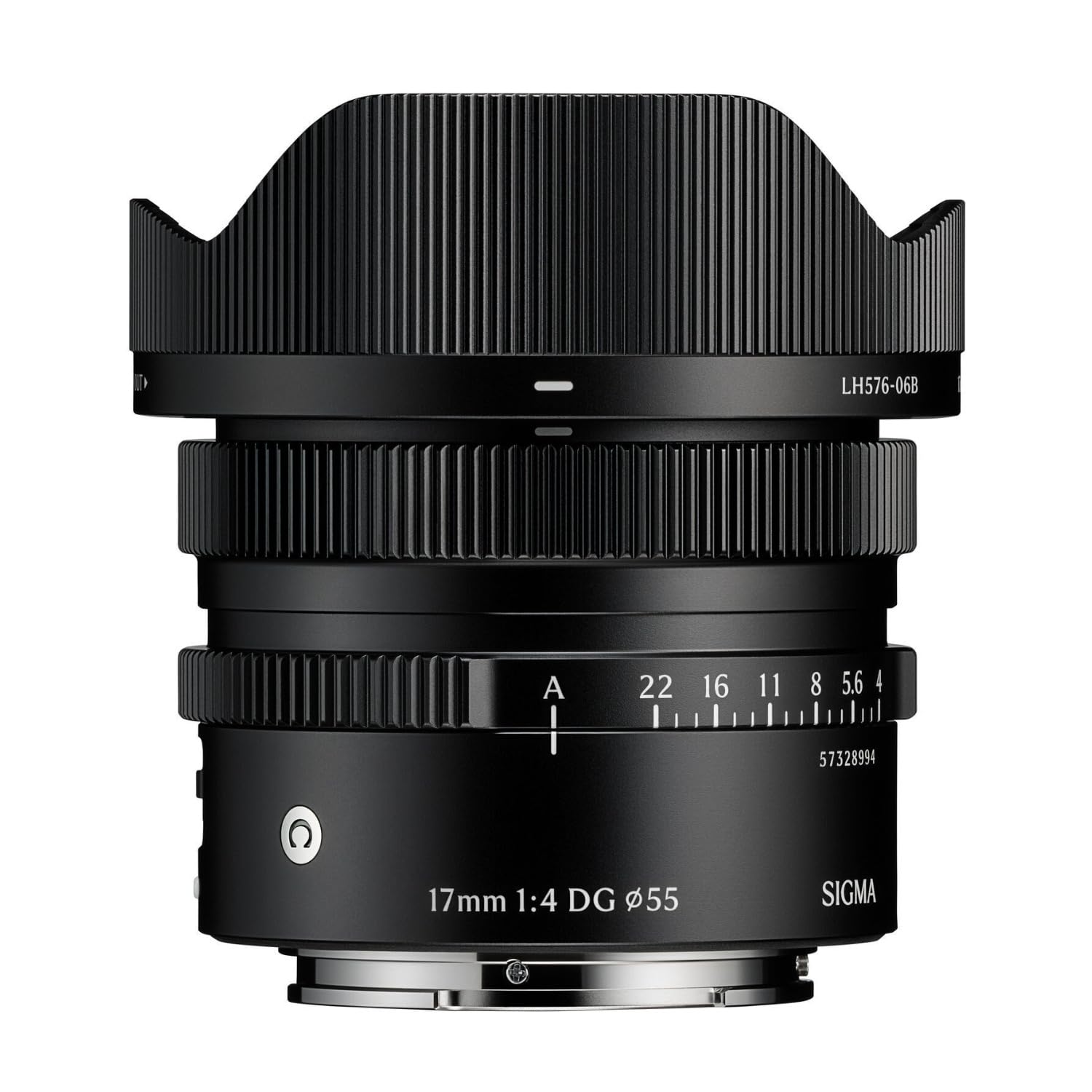
Side-by-Side Comparison
| Feature | Sigma 17mm F4 DG Contemporary Lens | Rocky Nook - The Landscape Photography Book |
|---|---|---|
| Product Type | Ultra-wide lens | Photography instruction book |
| Brand | Sigma | Rocky Nook |
| Primary Benefit | Helps reduce blur risk with a wide focal length and landscape-friendly field of view | Teaches technique for sharper handheld landscape shooting |
| Best For | Photographers actively shooting landscapes in the field | Photographers improving skills and shooting habits |
| Portability | Compact carry lens option | Portable reference and learning tool |
| Use Case | Real-time image capture improvement | Long-term technique development |
| Image | Shooting tool | Educational resource |
What Actually Makes Handheld Landscape Photos Sharp?
Before choosing between gear and guidance, it helps to understand what affects sharpness most when shooting handheld landscapes. The key factors are shutter speed, focal length, camera-holding technique, breathing and body control, and timing. Wider lenses generally make handheld sharpness easier because camera shake is less apparent than it is with longer focal lengths. At the same time, technique matters just as much: bracing yourself, using burst shooting strategically, and choosing a shutter speed that matches the scene can have a major impact.
Lens Advantage for Handheld Sharpness
The Sigma 17mm F4 DG Contemporary has a clear practical advantage for handheld landscape photography because its ultra-wide perspective naturally works in your favor. At 17mm, small camera movements are less likely to show up as visible blur compared to shooting at standard or telephoto focal lengths. That makes it easier to maintain crisp results when hiking, traveling light, or shooting at sunrise and sunset when shutter speeds can dip lower than ideal.
This kind of lens is especially useful if your best-practice approach is to keep moving, react to changing light, and shoot without setting up support gear. For handheld landscapes, a wide lens also encourages compositions that include foreground interest, which often pairs well with moderately faster shutter speeds and stable shooting posture.
Technique Advantage for Better Consistency
The Landscape Photography Book by Scott Kelby approaches sharpness from the other side: the photographer. If your handheld landscape images are inconsistently sharp, the issue may not be your gear at all. Best practices like using a stable stance, tucking elbows in, controlling shutter release, and understanding when to raise ISO for a safer shutter speed can dramatically improve image sharpness. A strong instructional book can help build habits that carry across every camera and lens you own.
That makes this book a smart comparison point because sharp handheld landscapes are often the result of repeatable technique rather than a single purchase.
Category-by-Category Analysis
Ease of Getting Sharp Results
Winner: Sigma 17mm F4 DG Contemporary Lens
If your goal is immediate improvement in handheld landscape sharpness, the Sigma has the edge. A 17mm lens is simply more forgiving in handheld use than longer focal lengths. You can often shoot at slower shutter speeds than you could with a tighter lens and still come away with usable, crisp images. For photographers who already understand basic exposure and handling, this translates into a fast and noticeable real-world benefit.
Learning Value
Winner: The Landscape Photography Book
For long-term improvement, the book wins. Best practices for sharp handheld landscapes are rooted in technique: choosing the right shutter speed for wind and movement, understanding how to brace yourself, and knowing when image sharpness is being affected by subject motion rather than camera shake. A solid landscape photography guide can improve your entire workflow, not just your results with one focal length.
Versatility in the Field
Winner: Sigma 17mm F4 DG Contemporary Lens
In actual shooting conditions, a wide-angle lens is one of the most versatile tools for handheld landscapes. It suits sweeping vistas, environmental foregrounds, dramatic skies, and travel landscapes where carrying a tripod may be impractical. If your style leans active and spontaneous, the Sigma fits that use case better than a learning resource alone.
Value for Photographers Still Building Skills
Winner: The Landscape Photography Book
If you are still working on your technique, the book may offer more value per dollar because it addresses the root causes of softness. You can apply what you learn to every lens, every body, and every landscape outing. For many photographers, improving shooting discipline yields better sharpness gains than changing gear first.
Best Fit for Serious Landscape Shooters
Winner: Sigma 17mm F4 DG Contemporary Lens
Serious landscape photographers often benefit from both education and equipment, but if choosing one product specifically tied to handheld sharpness in the field, the lens is the more direct fit. A wide focal length is one of the most practical best practices for minimizing handshake while maintaining expansive compositions.
Best Practices for Sharp Handheld Landscape Photos
Whichever route you choose, these best practices will help improve handheld sharpness:
- Use a shutter speed appropriate for your focal length, and go faster when in doubt.
- Choose wider focal lengths when possible, since they are more forgiving of camera shake.
- Brace your body: feet planted, elbows tucked, camera held firmly.
- Control your breathing and press the shutter gently.
- Raise ISO when needed to maintain a safer shutter speed.
- Watch for environmental motion like wind in grass, leaves, or water.
- Shoot short bursts to increase your odds of getting one critically sharp frame.
- Review images at high magnification in the field when possible.
These tips are exactly why this comparison makes sense: one product helps you physically capture sharper frames, while the other helps you understand and apply the habits behind them.
Our Pick
Our Pick: Sigma 17mm F4 DG Contemporary Lens
For the topic of sharp handheld landscape photos, the Sigma 17mm F4 DG Contemporary Lens is the stronger direct recommendation. Its wide focal length is naturally well suited to handheld landscape shooting, helping reduce the visible effects of camera shake while supporting expansive compositions. If you want the most immediate impact on your ability to capture sharp landscapes without a tripod, this is the better choice. That said, The Landscape Photography Book is an excellent companion for photographers who want to improve technique and consistency over time.
Conclusion
For photographers comparing the best way to get sharper handheld landscape images, the decision comes down to whether you need a practical field tool or a technique-building resource. The Sigma 17mm F4 DG Contemporary Lens is our top pick for direct handheld landscape performance, while Rocky Nook’s The Landscape Photography Book remains a smart option for improving your overall shooting habits. To explore landscape photography gear and educational resources alike, shop with Unique Photo.