Best Practices for Posing People Who Feel Awkward in Front of the Camera
Helping real people feel natural in front of the lens is equal parts art and toolkit. In this head‑to‑head, we compare three very different approaches that can make a dramatic difference when subjects feel stiff or self‑conscious: a hands‑on education experience, a teleprompter for improving on‑camera delivery, and a teleconverter to increase working distance and create a more flattering perspective.


Side-by-Side Comparison
| Product | Type / Role | How It Helps Awkward Subjects | Key Specs/Notes | Best For |
|---|---|---|---|---|
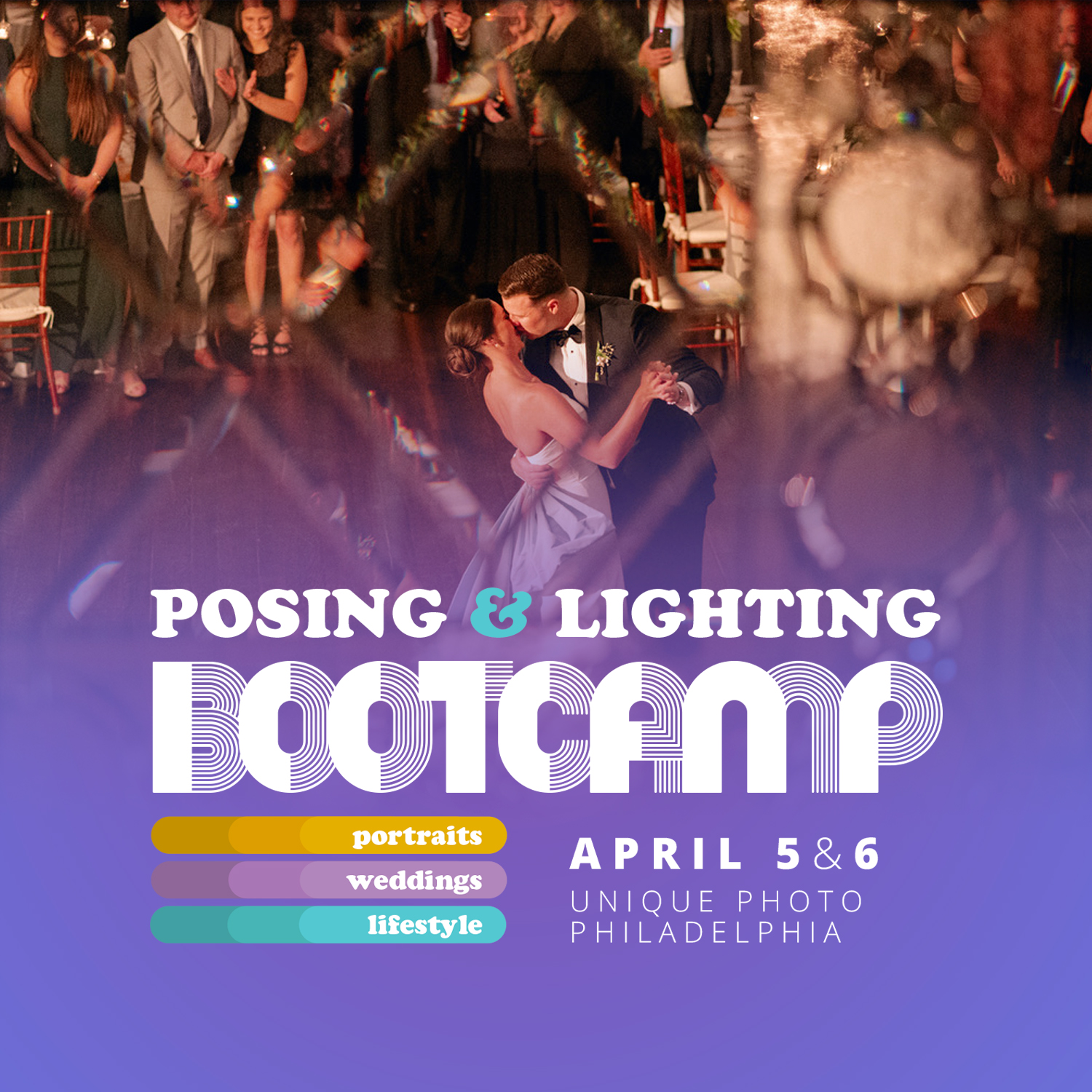
| Posing and Lighting Bootcamp: Reception Lighting w. Magda and Simon (Philly) | In‑person workshop | Builds your coaching, prompting, and lighting skills so you can guide real people into natural poses | Focus: reception lighting and practical posing workflow; Location: Philadelphia | Photographers who want repeatable, people‑first posing techniques |
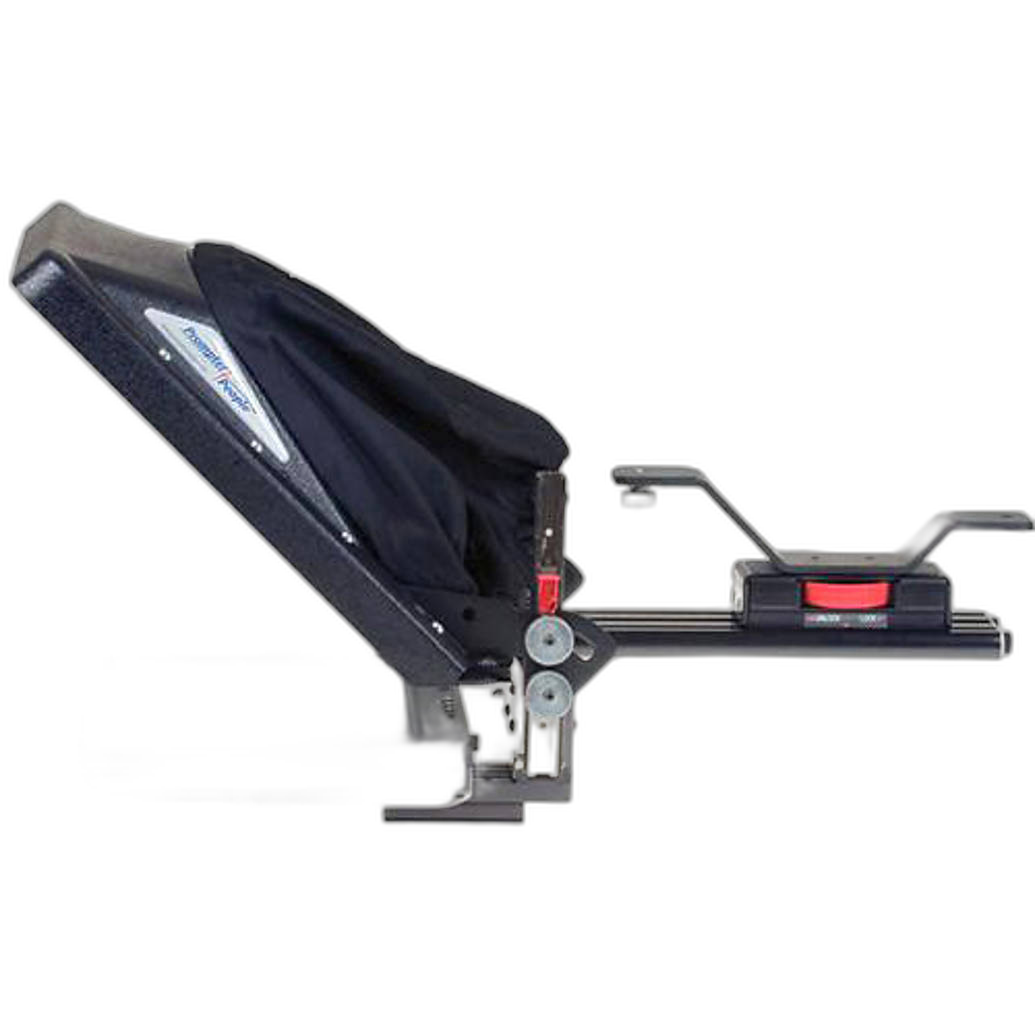
| Used Fair Prompter People PRO-15HB ProLine 15-inch High Bright Teleprompter | Teleprompter for video and interviews | Gives subjects scripts and eye‑line; reduces anxiety and improves delivery for talking‑head content | 15-inch High Bright display; ProLine construction; Condition: Used, Fair | Brand storytellers, educators, and interview setups |
| Used Nikon TC-14E II 1.4x Teleconverter AF-S (No Front Cap) - Good | F‑mount 1.4× teleconverter | Lets you work farther from subjects for a calmer experience and more flattering compression | 1.4× reach; approx. 1‑stop light loss; Compatible with select Nikon AF‑S lenses; Condition: Used, Good (no front cap) | Portrait/event shooters seeking extra working distance on Nikon F |
Category-by-Category Analysis
Coaching Confidence and Natural Poses
- Bootcamp: The strongest option for human connection. You’ll learn micro‑prompts (“Look past my shoulder,” “Breathe out and soften the jaw”), anchor points for hands, and movement cues that feel authentic on camera.
- Teleprompter: Useful if the “pose” is delivering lines to camera. Clear cues reduce mental load so posture and expression become more relaxed.
- Teleconverter: Indirect help. Standing farther back gives shy subjects space, making it easier to capture candid, in‑between moments that feel unposed.
Eye Contact and On‑Camera Delivery
- Teleprompter: Shines here. Maintains eye‑line straight into the lens while subjects read prompts. Great for CEOs, educators, and anyone who freezes when speaking.
- Bootcamp: Teaches you to replace scripts with quick beats and checkpoints—helpful when you want a conversational feel rather than a read.
- Teleconverter: Neutral for delivery; its benefit is distance and compression, not eye‑line.

Working Distance, Perspective, and Flattery
- Teleconverter: Adds reach so you can step back, reduce facial distortion, and compress features for a classic, flattering look—especially helpful for camera‑shy subjects.
- Bootcamp: You’ll learn when to step back, how to angle shoulders, and how to use movement to avoid stiffness, regardless of focal length.
- Teleprompter: Best for medium to tight talking‑head framing; less relevant for environmental portraits or full‑length posing.

Lighting and Environment Control
- Bootcamp: Focuses on reception lighting—challenging, real‑world scenarios where good light and clear direction make nervous people look great. Expect practical takeaways like bounce angles, feathering, and quick light checks tied to posing flow.
- Teleprompter: Helps keep subjects steady, which makes your lighting adjustments more repeatable on set.
- Teleconverter: Lets you place lights outside the subject’s personal space, reducing intimidation from stands and modifiers.
Setup Speed and Portability
- Teleconverter: Light, fast, and unobtrusive—easy to keep in the bag for events and portraits.
- Bootcamp: No kit to carry, but it builds speed in your decision‑making. Faster prompts = quicker, more confident sessions.
- Teleprompter: Adds bulk and setup time; best suited to controlled locations.
Value for Portrait and Event Shooters
- Bootcamp: Skills compound across every shoot—posing, prompting, and on‑the‑fly lighting pay dividends long after the class.
- Teleconverter: Cost‑effective way to get a more flattering look and comfortable working distance without buying a new lens.
- Teleprompter: A niche powerhouse for presenters and interviewees who tense up without a script.
Our Pick
Our Pick: Posing and Lighting Bootcamp: Reception Lighting w. Magda and Simon (Philly)
If your primary goal is to make awkward subjects look and feel natural, coaching skills beat any single piece of gear. This workshop helps you build a repeatable posing workflow, micro‑prompts, and practical lighting that translate to portraits, couples, and events.
Quick Best‑Practice Tips You Can Use Today
- Start with movement: Walk‑ins, turn‑and‑look, or a gentle sway to avoid rigid stances.
- Anchor the hands: Pockets, belt loop, jacket lapel, or a prop to reduce “what do I do with my hands?”
- Micro‑prompts: “Exhale and soften,” “Chin forward, tiny down,” “Look past me, then back.”
- Step back and compress: If you have the reach, back up and use longer focal lengths for comfort and flattery.
- Show and tell: Share a quick back‑of‑camera win to build confidence.
- Keep the jaw relaxed and the tongue on the roof of the mouth behind front teeth for a natural smile.
- For video, consider a teleprompter to keep delivery smooth and eye‑line steady.
Conclusion
There’s no single silver bullet, but combining strong direction (Bootcamp), a comfortable working distance (Teleconverter), and—when needed—on‑camera support (Teleprompter) will make even the most camera‑shy subjects look and feel their best. Explore these options and more at Unique Photo—your partner for gear, education, and real‑world results.