Why feature photos matter in news coverage
Strong feature photos do what words alone can’t: they pull a reader into the scene, illuminate character, and anchor a story with a single, memorable moment. Whether you’re pitching an enterprise story or filling a standalone slot on A1, these field-tested tips will help you plan, shoot, and deliver images editors can confidently place above the fold.
Field-tested tips for standout feature photos
Scout with purpose and pre-visualize
Know your subject, light, and timing before you arrive. Research the location, talk to sources, and plan windows when meaningful action is likely. Build a loose shot list—wide establishers, environmental portraits, detail cutaways—so you can react quickly on the ground.
Level up your preparation by studying event flow and crowd behavior. Unique University’s Seminar: How to Capture Great Festival and Event Photos with David Wells is aimed at anticipating peak action and navigating busy environments—skills that translate directly to news features.

Be early, stay late—own the light
Arrive ahead of schedule to see how light evolves. Use backlight for rim-lit separation, side light for texture, and open shade for clean portraits. If you expect contrasty midday sun, seek transitional light (doorways, awnings) and compose to minimize hot spots. Build time in your schedule to wait for the frame that layers subject, moment, and light.
Wait for the human moment
Great features hinge on emotion and interaction. Watch hands, eyes, and micro-expressions. Keep your frame alive by anticipating gestures and overlapping elements. Practice your timing on fast-moving subjects to sharpen your reaction speed—akin to dance photography where peak action is split-seconds long. Unique University’s PCS: Capturing Dance Movement with Steve Vaccariello is excellent training for reading motion and nailing decisive moments.

Compose for the page—give editors options
Think like a designer: produce horizontals and verticals, clean edges, and negative space for headlines or captions. Shoot from multiple heights and distances—wide, medium, tight—and simplify backgrounds by changing position rather than cluttering the frame with fixes in post.
Build a visual narrative sequence
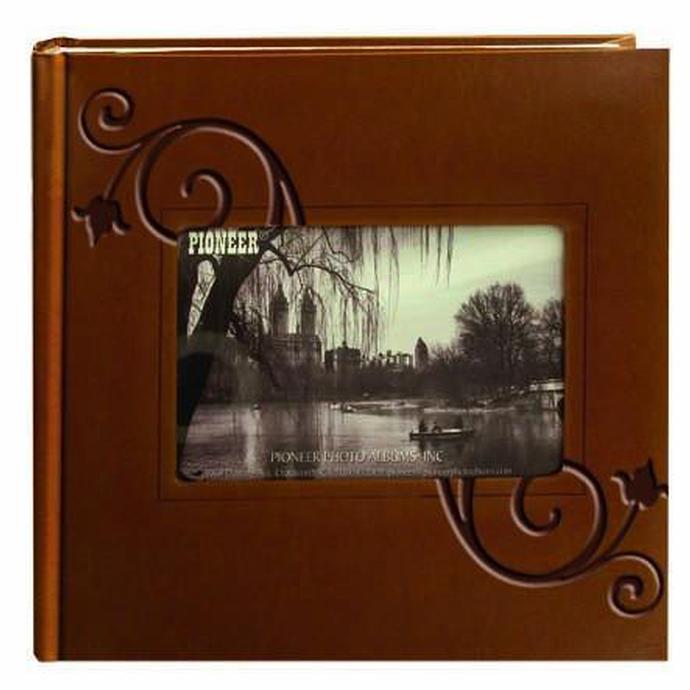
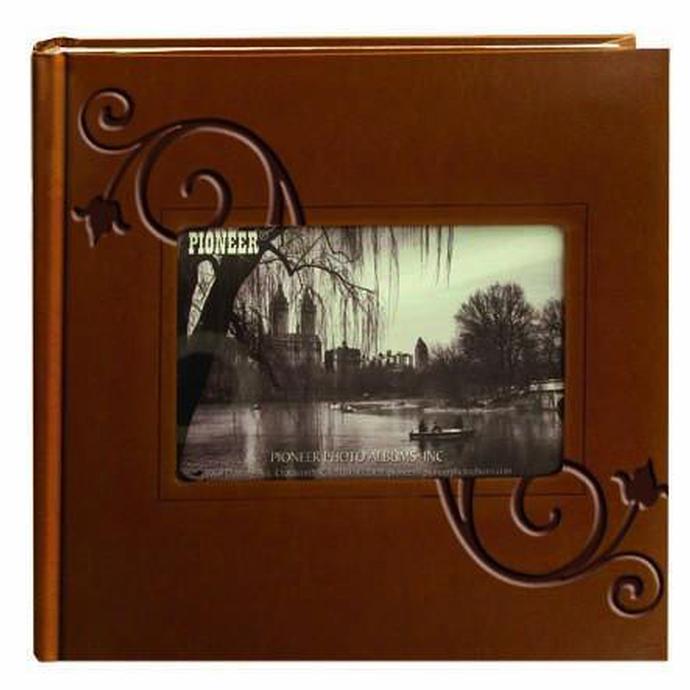
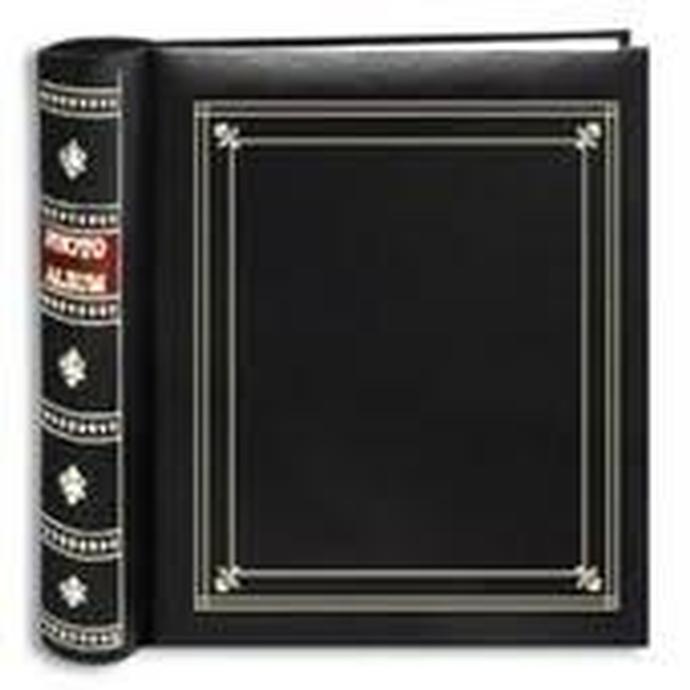
Even a standalone feature benefits from a mini-sequence: an opener with context, a moment-driven middle, and a detail to land on. Laying out small prints helps you spot gaps and repetition before you file. Many photographers keep a compact portfolio of recent feature work handy—an album like the Pioneer 4 x 6 In. Embossed Leather Frame Photo Album (200 Photos) makes it easy to shuffle sequences and show subjects or editors on the go.
Report in the frame and in your notebook
Feature photos are journalism—never stage or direct editorial moments. Identify everyone accurately, double-check spellings, and record titles, ages, and context. Gather time, place, and why-it-matters details for a complete caption. If access is sensitive, be transparent about your purpose and seek permission where appropriate.
Streamline metadata and delivery
Captions should meet outlet style (e.g., AP) and live in your files’ IPTC fields. Build templates for repeating fields and a fast culling workflow so you can transmit quickly without typos. If you want tailored feedback on metadata practices and Photoshop efficiencies, consider UUOnline: Photoshop Mentoring (Session 3)—a focused way to refine your file prep and delivery.
Edit with restraint—hold the public’s trust
Keep tonal adjustments subtle and factual: correct white balance, exposure, contrast, and crop for clarity, but avoid adding/removing content. Mastering local dodging and burning can make details readable without changing truth. Even courses oriented to landscapes can sharpen your tonal craftsmanship—Editing and Enhancing Landscape and Nature Photography with Photoshop covers masks, curves, and color that apply to photojournalism when used ethically.
Carry a lightweight leave-behind
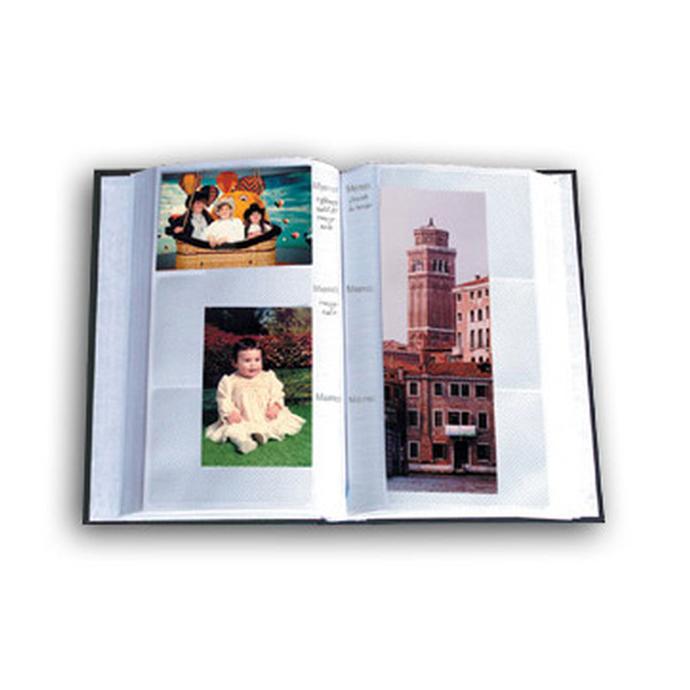
Community relationships matter. A small, clean set of 4×6 prints can help you introduce your work to gatekeepers or thank participants. A slim album such as the Pioneer 4 x 6 In. Bi-Directional Memo Photo Album (200 Photos) lets you annotate frames with names and notes in the memo area—handy for future follow-ups.
Archive intelligently and update often
Your best feature work becomes a calling card for future assignments. Print key frames and keep a rotating archive you can show at a moment’s notice. When your selections change, swap images quickly with Pioneer Album Refill Pages for BP-200 Album to keep your book fresh and relevant.
Final frame
Feature photos reward patience, empathy, and craft. Prepare deeply, wait for honest moments, edit ethically, and deliver with polish. When you’re ready to sharpen skills or build a smarter workflow, explore classes and tools at Unique Photo—your partner for learning, gear, and presentation.