Choosing the right photo editing platform is one of the biggest decisions photographers make after the shoot. Some photographers swear by Lightroom for speed and cataloging, others prefer Photoshop for precision retouching and compositing, and many use a hybrid workflow to get the best of both. If you are comparing editing platforms, looking for ways to speed up your workflow, or searching for guidance on presets and style-building, this guide is for you. Rather than focusing on software licenses alone, we are highlighting practical learning resources from Unique Photo that can help you build a more efficient editing process and get better results from the tools you already use.
Whether you shoot landscapes, wildlife, product photography, or are branching into hybrid photo-video content, these classes and educational resources can help you refine your editing decisions and create a workflow that fits your style.
How to Choose an Editing Platform
Before investing more time into any editing ecosystem, it helps to understand where each platform shines:
- Lightroom: Best for fast culling, batch editing, preset-based looks, cataloging, and consistent edits across large shoots.
- Photoshop: Best for detailed retouching, layer-based adjustments, masking, composites, and highly controlled local edits.
- Hybrid Lightroom + Photoshop workflow: Ideal for photographers who need both speed and precision.
If your work centers on weddings, events, travel, wildlife, or high-volume image sets, Lightroom is often the most efficient starting point. If you do commercial, landscape fine-art, or product photography, Photoshop becomes increasingly important. For many photographers, the real key is not choosing one side of the debate, but learning when to use each platform.
Workflow Tips for Faster, Cleaner Photo Editing
No matter which software you prefer, a strong workflow saves time and improves consistency. Here are a few best practices photographers regularly rely on:
- Cull first, edit second: Narrow down your selects before making global adjustments.
- Use presets as a starting point: Presets can create consistency, but they work best when fine-tuned for each image.
- Apply global edits before local edits: Exposure, white balance, contrast, and profile choices should happen first.
- Keep files organized: Folder structure, keywords, and metadata matter if you revisit shoots later.
- Round-trip only when needed: If Lightroom can handle the edit, stay there; move to Photoshop for advanced masking, cleanup, or composites.
Learning these habits from experienced photographers can shorten your trial-and-error phase considerably.
Our Pick
Our Pick: NJCS: Lightroom Photo Editing for Nature and Wildlife with Bobby Stormer
For photographers debating editing platforms, Lightroom remains the most approachable and efficient option for many everyday workflows. This class is our top recommendation because it focuses on practical editing for real-world photography, helping users improve speed, consistency, and style while learning a workflow that can be applied well beyond nature and wildlife images.
Recommended Learning Resources
NJCS: Lightroom Photo Editing for Nature and Wildlife with Bobby Stormer
If you are trying to decide whether Lightroom should be the center of your workflow, this is an excellent place to start. Lightroom remains one of the most popular editing platforms because it combines organization, non-destructive editing, and preset-driven efficiency in one place. This class is especially valuable for photographers who want to move quickly through batches of images while maintaining a polished look.
Nature and wildlife photographers often face changing light, mixed color conditions, and a need for selective enhancement without overprocessing. Those same editing challenges apply to travel, landscape, and outdoor portrait work as well, making this a broadly useful course. It is also a smart recommendation for photographers looking to build or refine presets for a clean, natural style.
Best for: Lightroom users, high-volume editors, outdoor photographers, and anyone wanting a faster editing workflow.
Editing and Enhancing Landscape and Nature Photography with Photoshop
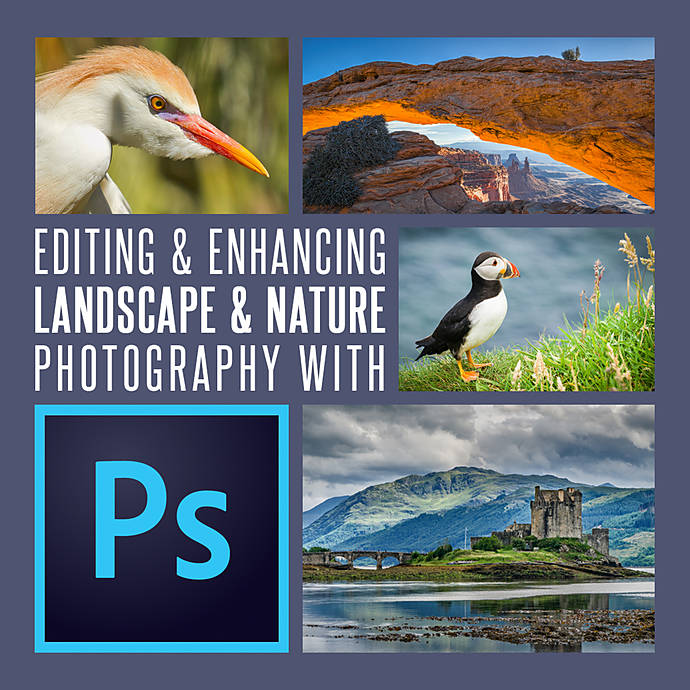
For photographers on the Photoshop side of the debate, this class speaks directly to what makes Photoshop so powerful: control. Landscape and nature images often benefit from precise masking, tonal shaping, cleanup, and local contrast work that go beyond slider-based editing. Photoshop is where many photographers go when they want to fine-tune a strong image into a standout final file.
This is a strong pick for photographers who already use Lightroom for initial corrections but need a deeper finishing workflow. It is also ideal for those interested in creating more distinctive edits than presets alone can deliver. If your preferred style leans dramatic, layered, and highly intentional, Photoshop education is often worth the extra investment.
Best for: Fine-art landscape photographers, advanced editors, and users who want more control than Lightroom alone provides.
Product Photography and Post Production Editing with Blake Taylor

Product photography demands a very different kind of editing discipline. Clean edges, accurate color, dust removal, tonal consistency, and polished presentation are all essential. This class is a great example of why editing platform debates often depend on subject matter. In commercial and product work, Photoshop-style post production techniques are frequently central to the final result.
If you shoot e-commerce, tabletop, branding, or social media product content, this course can help you think beyond basic corrections and into workflow efficiency for client-ready files. It is also helpful for photographers who want to understand how capture decisions and post-production choices work together.
Best for: Commercial photographers, studio shooters, and creators who need polished, detail-oriented edits.
PCS: Video for Photographers with Shiv Verma (Lumix)
Today, many photographers are expanding into video, which changes the editing conversation significantly. If you are building a hybrid workflow, understanding how still-image editing habits translate into motion content is increasingly valuable. This class is a smart recommendation for photographers who want to add video to their creative or business toolkit.
While not a traditional photo editing class, it addresses an important reality: modern workflows often stretch across multiple media types. For photographers comparing platforms and planning long-term growth, hybrid skills can influence what software ecosystem makes the most sense.
Best for: Hybrid creators, photographers moving into video, and users building a broader post-production workflow.
Comparison Table
| Product | Main Focus | Best Platform Fit | Ideal User |
|---|---|---|---|
| NJCS: Lightroom Photo Editing for Nature and Wildlife with Bobby Stormer | Fast, efficient photo editing and workflow | Lightroom | Nature, wildlife, travel, and high-volume photographers |
| Editing and Enhancing Landscape and Nature Photography with Photoshop | Detailed image enhancement and precision editing | Photoshop | Landscape and fine-art photographers |
| Product Photography and Post Production Editing with Blake Taylor | Commercial retouching and polished final output | Photoshop / advanced post-production | Product and studio photographers |
| PCS: Video for Photographers with Shiv Verma (Lumix) | Expanding into hybrid creative workflows | Hybrid workflow | Photographers adding video skills |
What About Presets and Style?
Presets can be incredibly useful, but they are most effective when paired with a strong understanding of exposure, color, and subject-specific adjustments. For example, a preset that looks great on a moody forest scene may fall apart on bright product work. Lightroom users often benefit most from presets because they can quickly apply a recognizable look across a shoot, but even Photoshop users can use saved actions and repeatable adjustment strategies to create stylistic consistency.
If your goal is to build a distinct style, start by studying edits within your niche. Nature and wildlife photographers may prefer subtle color shaping and realistic contrast, while product photographers often prioritize neutrality and precision. The right educational resource can help you understand not just which sliders to move, but why certain editing decisions support a specific visual identity.
Final Recommendation
If you want the most practical starting point for improving your photo editing workflow, NJCS: Lightroom Photo Editing for Nature and Wildlife with Bobby Stormer is our top recommendation thanks to its strong alignment with the way many photographers actually edit today: fast, organized, and style-conscious. If your work demands more control and advanced retouching, Editing and Enhancing Landscape and Nature Photography with Photoshop is the better fit. Commercial shooters should take a close look at Product Photography and Post Production Editing with Blake Taylor.
No matter where you land in the Lightroom vs. Photoshop debate, the best investment is often learning how to use your chosen platform more effectively. Unique Photo offers excellent classes and educational resources to help photographers sharpen their workflow, improve consistency, and develop a more confident editing style.