Landscape photographers often start with one big question: what lens do I actually need? Some shooters swear by ultra-wide zooms for dramatic foregrounds and expansive skies, while others prefer a more moderate focal length for natural-looking scenes and stitched panoramas. There is also the practical side of the discussion—how much build quality, weather resistance, and versatility matter when you are hiking, traveling, or shooting in changing conditions.
This buying guide is for photographers who want to build a smarter landscape kit, whether you are shooting mountains at sunrise, coastal scenes in bad weather, national parks on the road, or quiet details with a more compressed perspective. Below, we break down the most useful lens types for landscape work and recommend standout options available at Unique Photo.
What to Look for in a Landscape Lens
Landscape photography is not just about going as wide as possible. The best choice depends on how you compose.
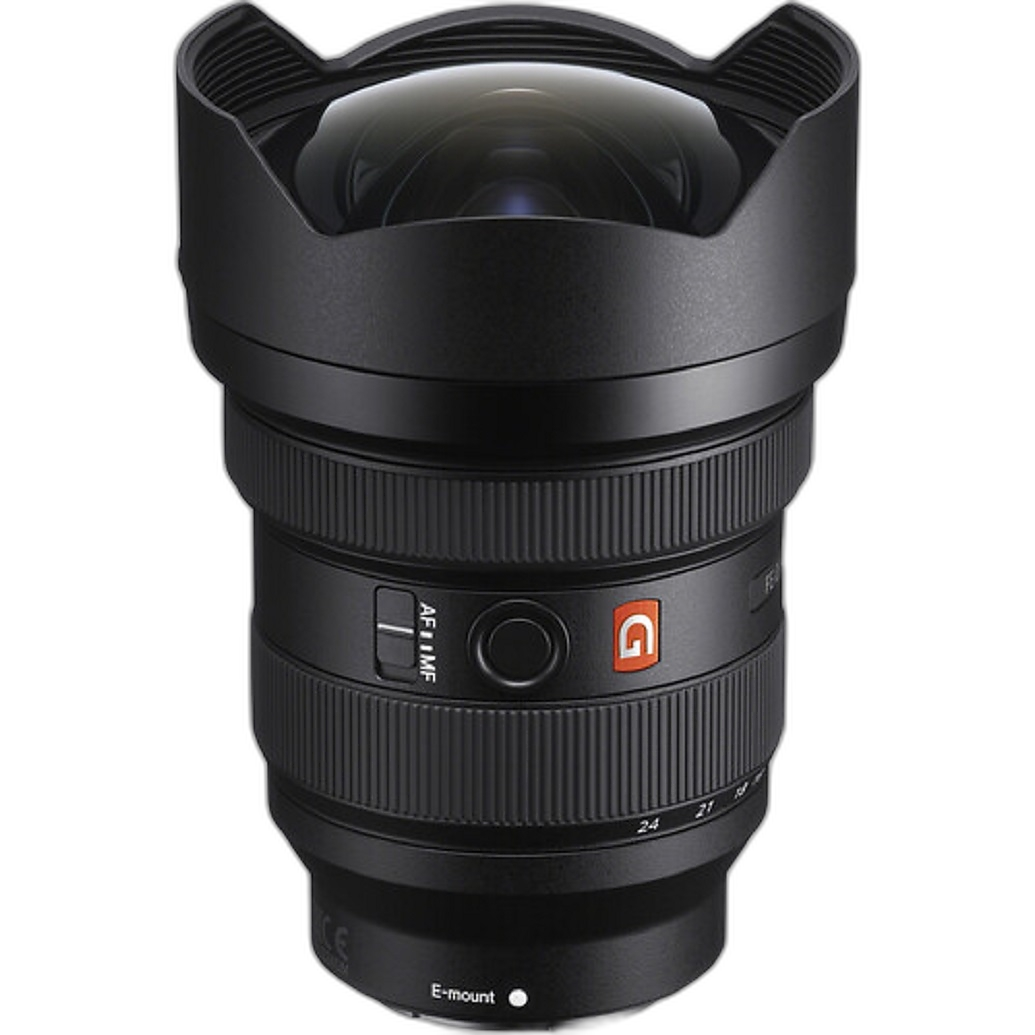
- Ultra-wide focal lengths like 12-24mm are ideal for dramatic perspective, big skies, tight interiors, and foreground-heavy compositions.
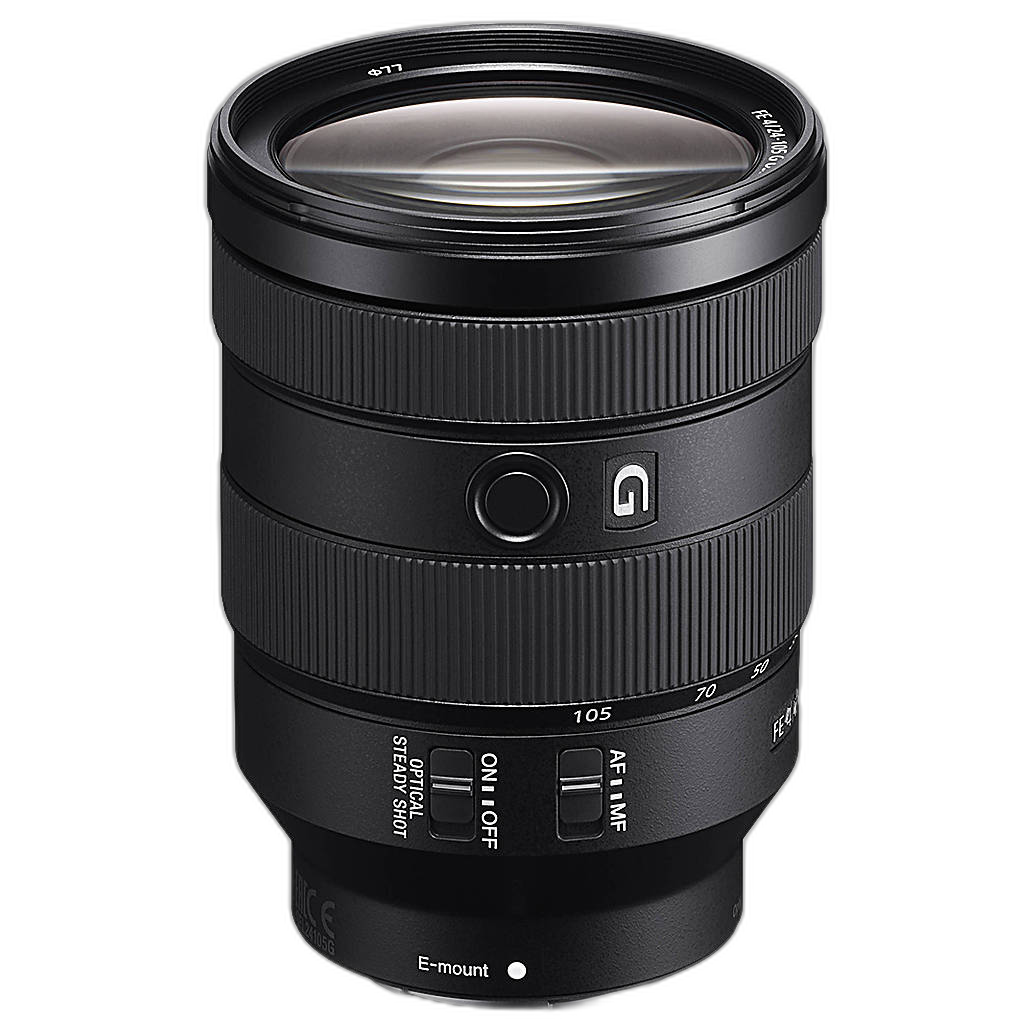
- Standard wide-to-mid zooms like 24-105mm are excellent all-around options for travel landscapes, layered scenes, and photographers who want one lens to do almost everything.
- Moderate wide primes around 28mm can deliver exceptional sharpness and a more natural field of view, which many experienced landscape photographers prefer.
- Weather resistance and build quality matter if you shoot in mist, wind, dust, or cold conditions.
- Portability can be just as important as optics if you hike long distances.
While third-party options are often part of the conversation in landscape circles, the products below show that native and premium alternatives can cover a wide range of needs—from ultra-wide pro work to budget-friendly experimentation.
Quick Comparison
| Product | Best For | Focal Length | Why It Stands Out |
|---|---|---|---|
| Sony FE 12-24mm f/2.8 GM Lens | Epic wide vistas, dramatic foregrounds, pro landscape work | 12-24mm | Ultra-wide coverage, fast f/2.8 aperture, premium G Master build |
| Sony FE 24-105mm f/4 G OSS Lens | Travel landscapes, one-lens kits, versatility | 24-105mm | Broad zoom range, practical size, stabilization, strong all-around performance |
| Zeiss 28mm f/1.4 OTUS Manual Focus Lens for Nikon ZF.2 | Maximum image quality, deliberate composition, wide prime shooters | 28mm | Exceptional optics, premium build, natural wide-angle perspective |
| OM SYSTEM M.Zuiko Digital ED 12-200mm f/3.5-6.3 Lens | Travel and convenience-focused landscape kits | 12-200mm | Huge focal range for photographers who want flexibility in one lens |
| Used Canon FD 50mm f/1.8 Lens - Good | Budget experimentation, adapted landscape shooting | 50mm | Affordable way to explore normal-perspective landscapes |
Our Pick
Our Pick: Sony FE 24-105mm f/4 G OSS Lens
For most landscape photographers, the best lens is the one that stays on the camera the longest. The Sony FE 24-105mm f/4 G OSS hits the sweet spot between wide-angle coverage, midrange flexibility, portability, and dependable image quality. It is wide enough for classic scenic work at 24mm, while 50mm, 70mm, and 105mm open up more selective compositions, compressed layers, and detail shots that many photographers overlook.
If you want one lens for road trips, hiking days, and general outdoor photography, this is the most practical recommendation in the group.
Best Landscape Lens Recommendations
Sony FE 12-24mm f/2.8 GM Lens
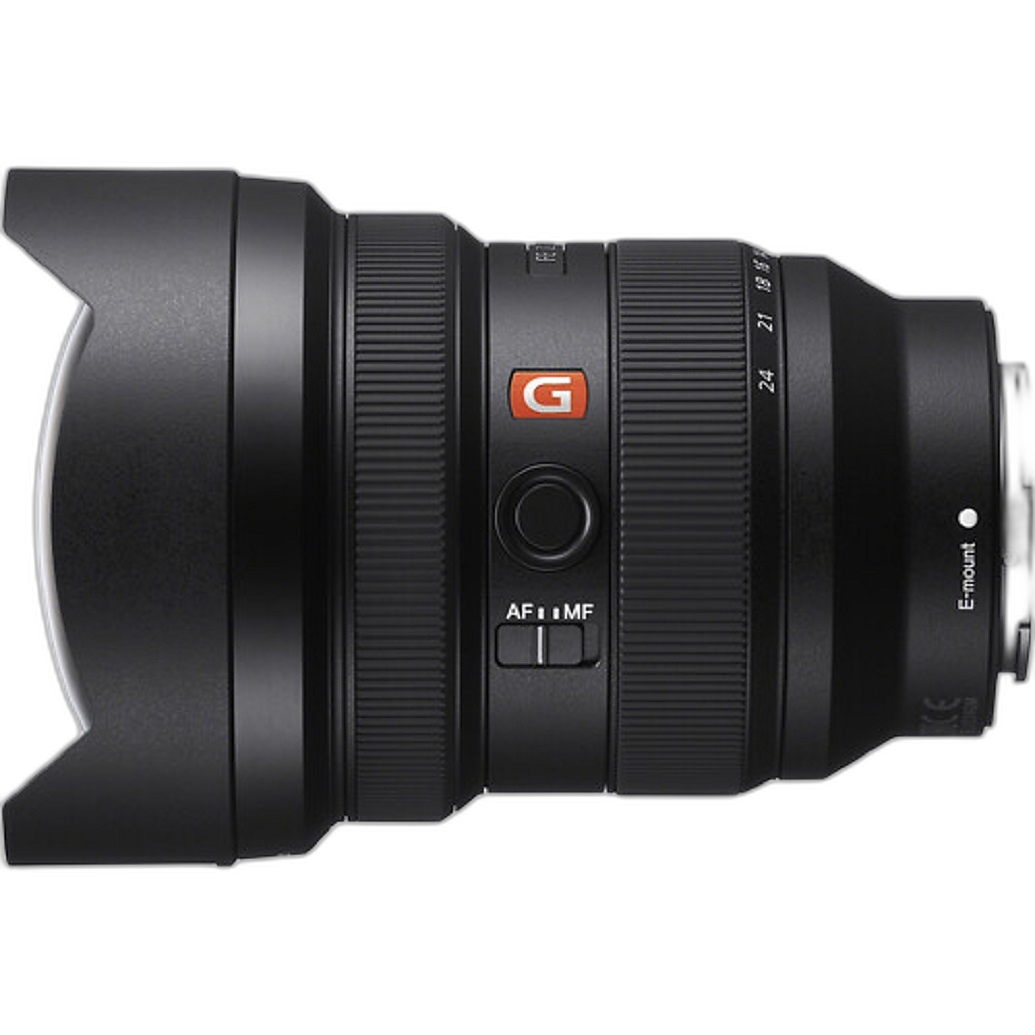
If your idea of landscape photography involves big foreground elements, sweeping skies, dramatic rock formations, or tight shooting locations, the Sony FE 12-24mm f/2.8 GM is a top-tier choice. The 12mm end gives you an extremely expansive view that can make a scene feel immersive and powerful, while 24mm remains a very usable classic wide-angle focal length.
This lens is especially appealing for photographers who care about premium construction and dependable performance in demanding conditions. Sony's G Master line is known for high-end optics and robust build quality, making this lens a strong fit for serious outdoor work. The fast f/2.8 aperture is also useful for nightscapes, aurora, and low-light environmental scenes.
Best for: Advanced landscape shooters, astro-landscape work, and photographers who want the widest native full-frame Sony option in a premium package.
Sony FE 24-105mm f/4 G OSS Lens
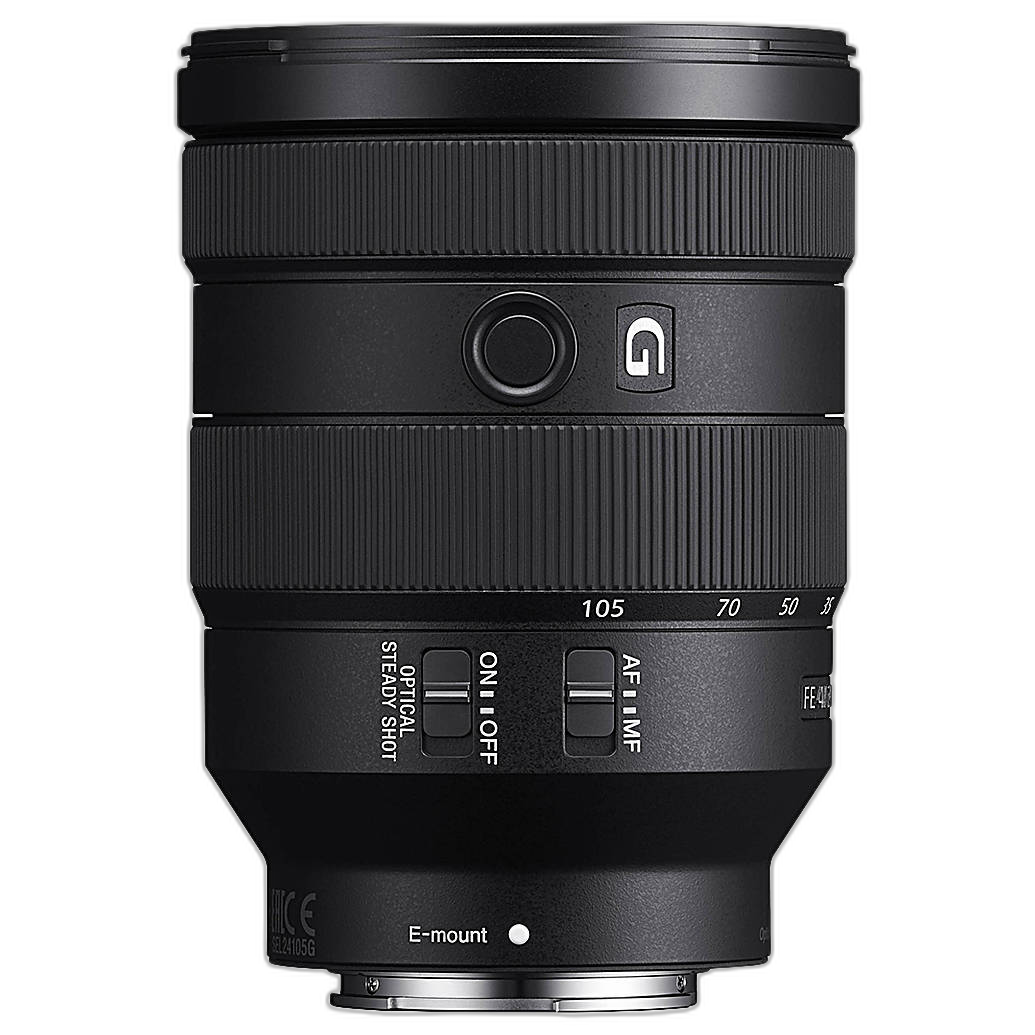
The Sony FE 24-105mm f/4 G OSS is the kind of lens that makes a lot of sense once you spend real time outdoors. Landscapes are not always best at ultra-wide focal lengths. Often, the stronger image comes from backing off a bit, simplifying the frame, and zooming in to isolate shapes, layers, trees, ridgelines, or changing light on a distant hillside.
This lens gives you that flexibility without forcing a lens change. The constant f/4 aperture, optical stabilization, and useful zoom range make it a great option for photographers who want one dependable lens for scenic shooting, travel, and everyday photography. It is also a smart answer to the frequent debate over whether to prioritize width or practicality—this lens gives you plenty of both.
Best for: Photographers who want one of the most versatile landscape-friendly zooms for Sony full-frame.
Zeiss 28mm f/1.4 OTUS Manual Focus Lens for Nikon ZF.2
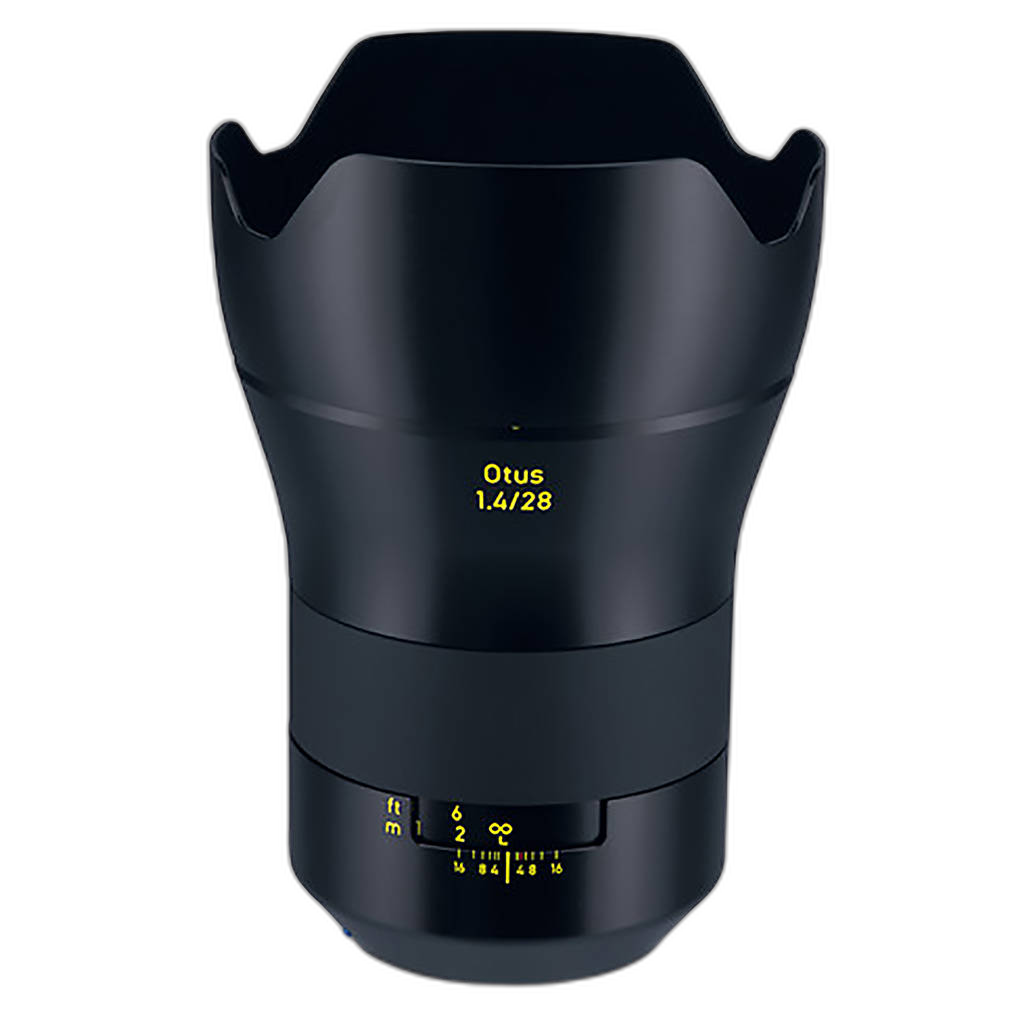
Some landscape photographers eventually move away from ultra-wides and settle into focal lengths like 28mm because they look more natural and make composition easier. The Zeiss 28mm f/1.4 OTUS represents that philosophy at a very high level. This is a lens for shooters who prioritize optical excellence, deliberate framing, and premium build quality.
Its manual focus design is not a drawback for many landscape photographers, since tripod-based scenic work is often slow and intentional anyway. The 28mm field of view is wide without feeling exaggerated, making it ideal for balanced compositions that avoid the stretched-edge look common with ultra-wide lenses.
Best for: Experienced photographers who want a premium wide prime with exceptional rendering and don’t mind manual focus.
OM SYSTEM M.Zuiko Digital ED 12-200mm f/3.5-6.3 Lens
For photographers who value convenience above all, the OM SYSTEM M.Zuiko Digital ED 12-200mm f/3.5-6.3 is worth considering. A focal range this broad can handle expansive views, compressed distant subjects, and everything in between without switching lenses. That can be especially useful while traveling or hiking when minimizing gear matters.
For landscape work, that flexibility means you can react quickly to changing conditions and experiment with compositions that go far beyond the typical wide-angle look. If your style includes both scenic vistas and tighter natural details, a superzoom like this can be surprisingly effective.
Best for: Travel-focused photographers and outdoor shooters who want maximum range in a single lens.
Used Canon FD 50mm f/1.8 Lens - Good
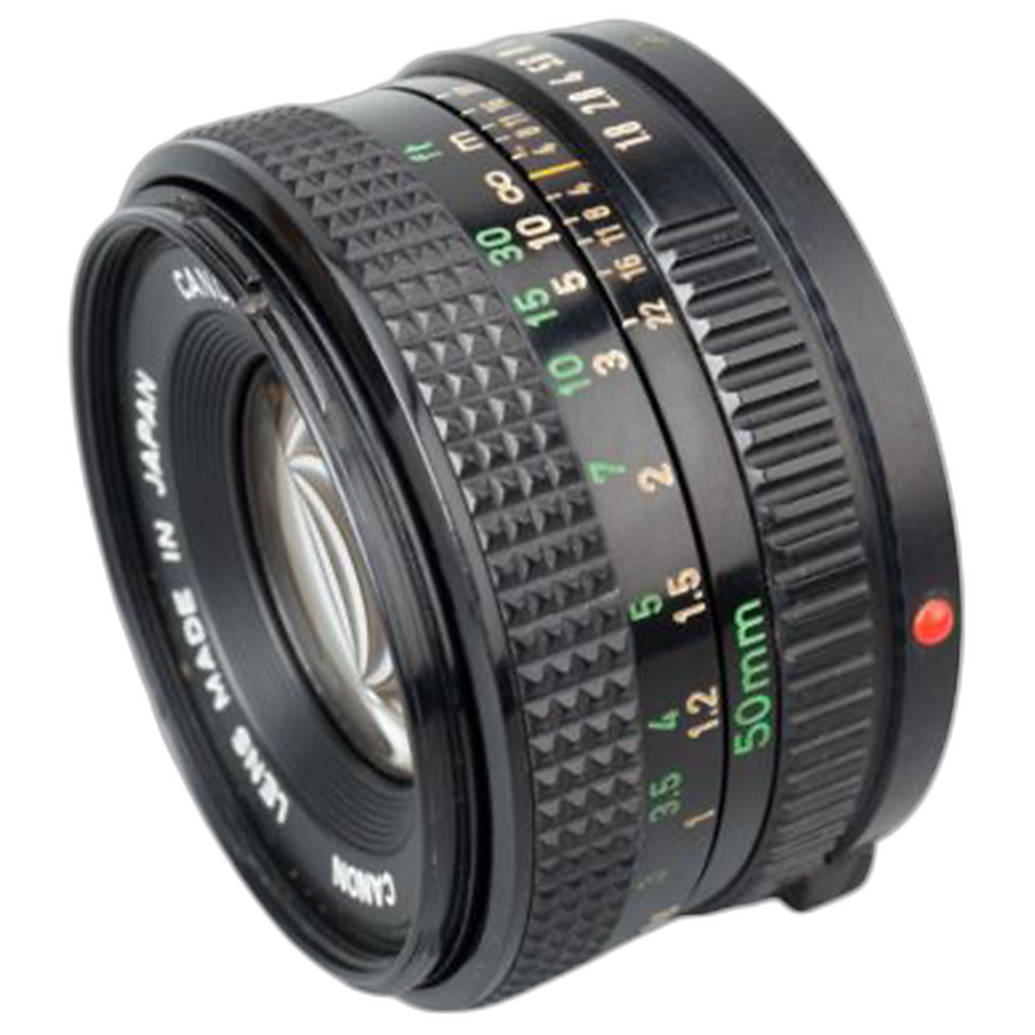
It may seem unusual to include a 50mm manual-focus-era lens in a landscape guide, but normal focal lengths are actually excellent for photographers learning how to simplify a composition. A 50mm perspective encourages you to edit the scene, focus on shape and light, and avoid relying on ultra-wide drama alone.
This used Canon FD 50mm f/1.8 is also a budget-friendly way to experiment with adapted lenses if you enjoy a more hands-on approach. It will not replace a modern weather-sealed zoom for rugged field use, but it can absolutely help refine your landscape eye.
Best for: Budget-minded photographers, vintage lens fans, and anyone wanting to practice more selective compositions.
Wide Zoom vs Prime for Landscapes
This is one of the biggest debates in landscape photography, and the answer depends on your working style.
- Choose a wide zoom if you shoot changing conditions, hike with one body, or want quick framing flexibility. The Sony FE 12-24mm f/2.8 GM and Sony FE 24-105mm f/4 G OSS both fit this approach, with the former emphasizing drama and the latter emphasizing versatility.
- Choose a prime if you prefer a consistent field of view, more deliberate composition, and potentially exceptional optical performance. The Zeiss 28mm OTUS is the standout here.
- Choose a superzoom if travel convenience and minimal gear matter more than specialization. The OM SYSTEM 12-200mm makes that case well.
Build Quality and Weather Resistance Matter
Landscape photography often means early mornings, damp grass, sea spray, dust, and fast-changing weather. That is why lens build quality comes up so often in buying decisions. Premium lenses justify part of their cost through stronger construction, better sealing, and confidence in the field.
If you regularly shoot outdoors in demanding environments, the Sony G and G Master options here are especially appealing. They are better suited to repeated real-world use than bargain lenses that may save money up front but compromise durability and handling over time.
Learn the Craft, Not Just the Gear
The right lens helps, but technique matters just as much. Composition, light, filtration, focus placement, and depth control all play major roles in strong landscape images.
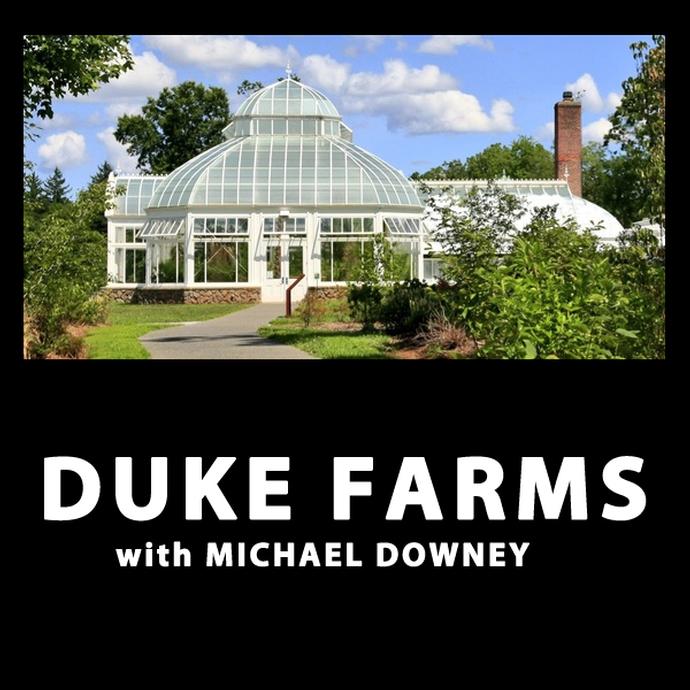
If you want to improve your eye as well as your kit, Macro and Landscape Photography at Duke Farms with Michael Downey is a great reminder that education can be as valuable as equipment. Workshops and classes can help you understand when to go wide, when to compress, and how to make better use of the lenses you already own.
Final Recommendation
If you want the most practical all-around landscape lens in this guide, choose the Sony FE 24-105mm f/4 G OSS Lens. It offers the best balance of width, reach, image quality, and versatility for most photographers.
If your style is all about dramatic perspective and expansive scenes, step up to the Sony FE 12-24mm f/2.8 GM Lens. If you prefer a more deliberate prime-based approach with premium optics, the Zeiss 28mm f/1.4 OTUS is a compelling specialist option.
For photographers building a landscape kit, Unique Photo offers excellent choices for every shooting style, whether you need a pro-level ultra-wide zoom, a travel-friendly all-rounder, or a unique lens to sharpen your creative perspective.