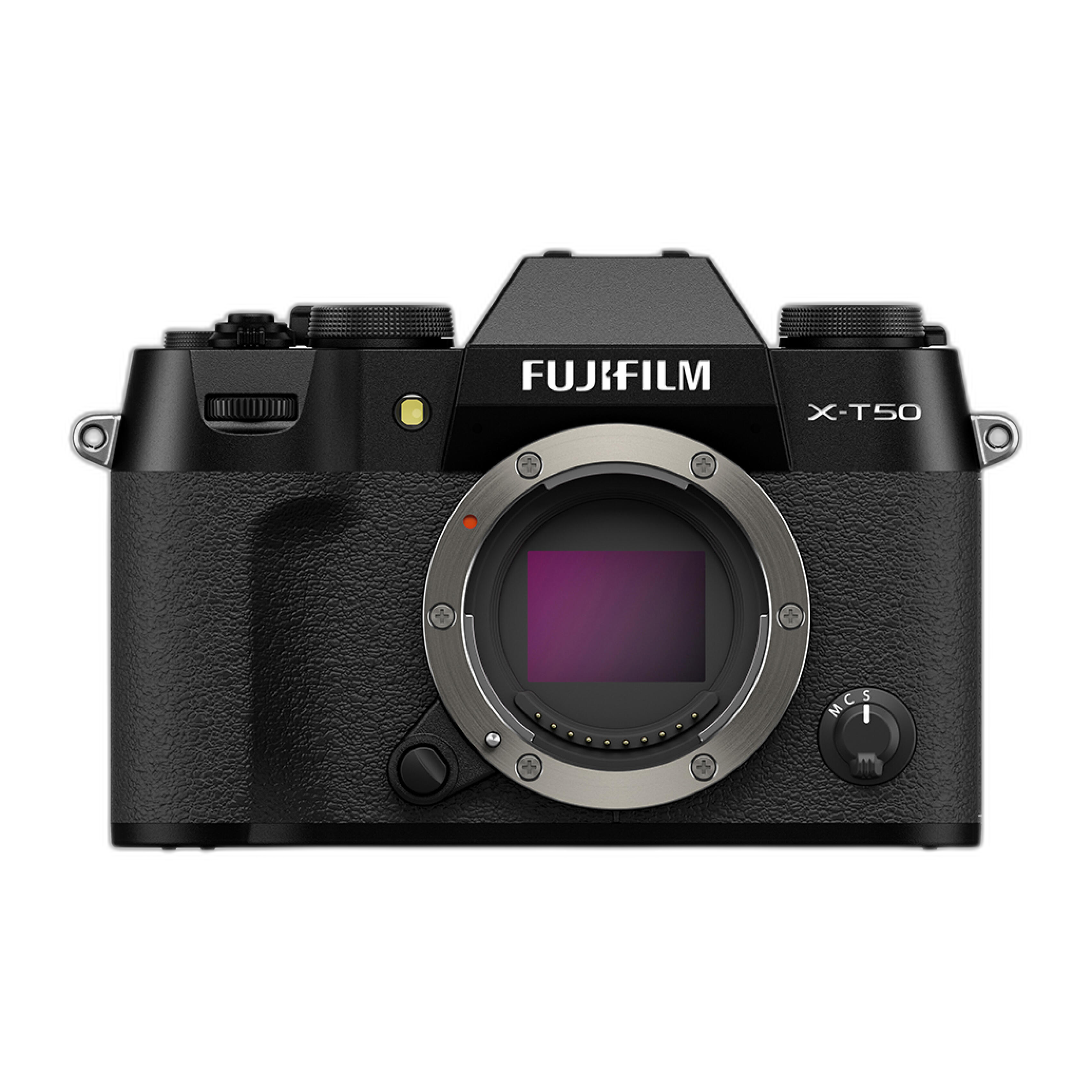
Fujifilm’s X-series has grown into one of the most distinctive camera families in modern photography. By the 2025 buying season, the lineup offers four especially compelling directions for photographers and filmmakers: the high-resolution, stills-first X-T5; the compact hybrid-friendly X-S20; the fixed-lens cultural phenomenon X100VI; and the speed-driven flagship X-H2S. Each represents a different idea of what the “best Fujifilm X camera” can mean.
That is why this comparison matters. There is no single right answer for everyone. Some photographers want tactile controls and classic handling. Others need strong video tools, small size, all-day carry convenience, or the fastest possible performance for action. Fujifilm has intentionally built these cameras to serve different users, even when they share the same broader X-system identity.
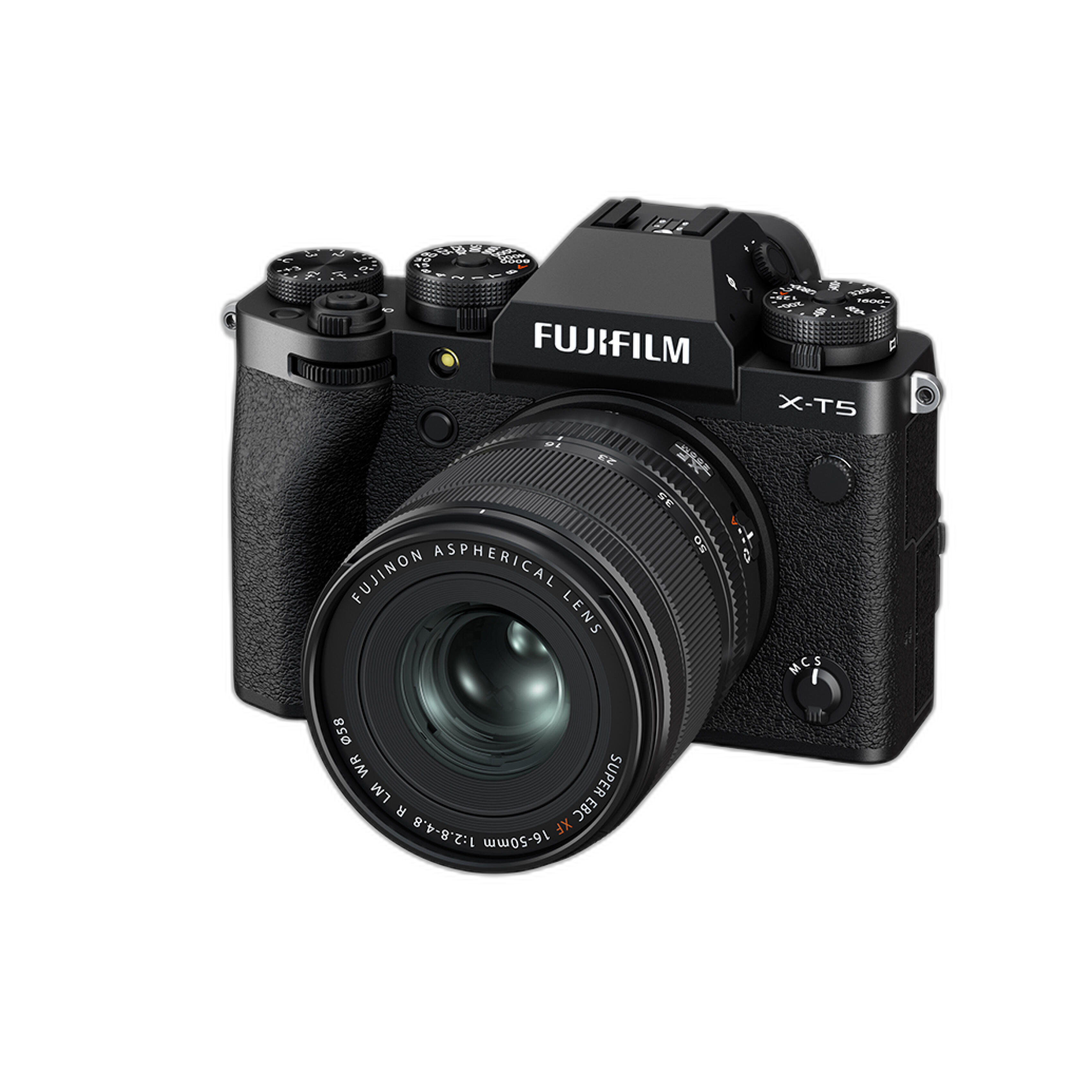
Looking back from around the 2025 release period, these four cameras define the key branches of the current Fujifilm APS-C ecosystem: photography, hybrid, compact, and speed. If you are deciding between the X-T5, X-S20, X100VI, and X-H2S, the best choice depends less on price-sheet logic alone and more on how you actually shoot.
How to Think About Fujifilm’s X-Series in 2025
Fujifilm’s appeal has never rested on specifications alone. The company’s color science, film simulations, and camera design philosophy have created a loyal following among enthusiasts and working professionals alike. But by 2025, the X-series is broad enough that buyers can no longer assume one model simply replaces another. Instead, each body occupies a specific role.
In practical terms, these four cameras break down like this:
- X-T5: best for photographers who want a classic Fujifilm experience centered on image-making.
- X-S20: best for creators who need a balanced stills-and-video hybrid body in a smaller, approachable package.
- X100VI: best for everyday carry, travel, documentary-style shooting, and photographers who want one elegant fixed-lens solution.
- X-H2S: best for action, wildlife, sports, demanding professional work, and users who prioritize speed above all.
That framework is more useful than trying to rank them in a vacuum. The best Fujifilm X camera right now is really the one whose strengths align with your priorities.
Fujifilm X-T5: The Photographer’s Choice
The Fujifilm X-T5 stands as the clearest continuation of the company’s enthusiast-photographer heritage. It is the camera for users who want dedicated external controls, a relatively compact interchangeable-lens body, and a shooting experience that feels rooted in still photography first.
Historically, the X-T line has been one of Fujifilm’s defining series, helping establish the brand’s reputation among serious mirrorless users. By the mid-2020s, the X-T5 represented the matured form of that idea: refined, highly capable, and deeply familiar to photographers who value shutter speed dials, exposure compensation, and a body style that encourages deliberate picture-making.
Who the X-T5 is best for
- Landscape photographers
- Portrait shooters
- Travel photographers who want interchangeable lenses
- Street photographers who prefer an EVF-centered body with classic controls
- Fujifilm traditionalists
The X-T5 makes the strongest case if your primary identity is simply “photographer.” It is often the body that most fully delivers the classic Fujifilm experience without pushing into the larger, more specialized flagship territory occupied by the X-H line.
If your work leans heavily toward stills and you want a body that feels purpose-built for photography rather than content creation broadly defined, the X-T5 is arguably the most natural recommendation in this group.
Fujifilm X-S20: The Best Hybrid Value
The Fujifilm X-S20 serves a different audience. Rather than leaning into the retro control philosophy of the X-T series, it takes a more modern, accessible approach. That makes it one of the most practical entry points into the X-mount system for creators who shoot both photo and video.
By 2025, hybrid cameras are no longer a niche category. They are the default need for many buyers: photographers who also record video, YouTubers who also want strong stills, and family or travel shooters who want one camera that can handle everything reasonably well. The X-S20 fits that reality extremely well.
Why the X-S20 stands out
The X-S20’s appeal is balance. It is not trying to be the purest photography camera in the lineup, nor the fastest action body, nor the most stylish fixed-lens compact. Instead, it tries to be the camera most people can actually live with every day.
- Smaller and more approachable than a flagship body
- Well suited to photo-video crossover users
- A smart option for travel, family, and creator work
- An easy recommendation for buyers entering Fujifilm X-mount
For many shoppers, this is the most sensible camera in the group. If the X-T5 is the romantic choice for photographers and the X-H2S is the specialist’s machine, the X-S20 is the all-rounder. It is especially attractive if you want Fujifilm color and lens access without committing to a more expensive or more specialized body.
Fujifilm X100VI: The Compact Icon
The Fujifilm X100VI occupies a category all its own. It is not an interchangeable-lens X-mount camera in the practical sense of system expansion, yet it remains central to Fujifilm’s identity and to many buying conversations around the brand in 2025. More than any of the others here, it captures the cultural side of Fujifilm’s popularity.
The X100 series has long held a special place in camera history. It helped prove that a premium compact with strong design identity and a fixed focal length could become not just viable, but genuinely aspirational. By the time the X100VI arrived, the series had become one of the most talked-about camera lines in the industry.
Who should choose the X100VI
- Travel photographers who want a premium carry-everywhere camera
- Street photographers who value discretion and simplicity
- Everyday shooters who do not want to manage multiple lenses
- Photographers drawn to the X100 shooting experience itself
The X100VI is best understood as the compact option in this comparison. Its strength is not flexibility in the traditional system-camera sense. Its strength is that it makes photography feel immediate, portable, and inviting. For many owners, that means they shoot more often, carry the camera more frequently, and engage with photography in a more spontaneous way.
If you know you want one beautiful, highly portable camera rather than a full kit-building journey, the X100VI may be the best Fujifilm camera for your real life, even if it is not the most versatile on paper.
Fujifilm X-H2S: The Speed Specialist
The Fujifilm X-H2S is the performance-first body in this group and the one most clearly aimed at professionals and serious enthusiasts with demanding subjects. In Fujifilm’s 2025 lineup, it remains the answer for users who need the fastest and most responsive X-series experience.
This is the camera to look at if your work involves wildlife, sports, action, events, or any situation where speed and reliability matter more than nostalgic charm. The X-H line marked Fujifilm’s move toward a more robust, modern flagship design language, and the X-H2S pushed that identity toward high-performance shooting.
When the X-H2S is the right answer
- Action and sports photography
- Wildlife work
- Professional event coverage
- Demanding hybrid production where responsiveness is critical
Among these four cameras, the X-H2S is the most specialized in a good way. It is not trying to be the smallest, simplest, or most romantic camera. It is trying to be the most capable when the pace picks up. That makes it the obvious recommendation for anyone whose subjects do not wait.
If your priority is speed, this is the Fujifilm X camera to beat.
Which Fujifilm X Camera Is Best for You?
Choose the X-T5 if...
You care most about photography, classic controls, and a body that feels like the spiritual center of the Fujifilm system.
Choose the X-S20 if...
You want the best balance of stills and video in a compact, accessible body and need a strong everyday hybrid camera.
Choose the X100VI if...
You want a premium compact camera that encourages daily use, travel, and personal photography without the complexity of lenses.
Choose the X-H2S if...
You shoot fast-moving subjects or need a professional Fujifilm body built around responsiveness and high-performance capture.
Final Thoughts
Seen as a historical snapshot of Fujifilm’s lineup around 2025, these four cameras reveal just how broad and mature the X-series had become. The X-T5 champions photography. The X-S20 represents the modern hybrid sweet spot. The X100VI defines the premium compact category. And the X-H2S stands as Fujifilm’s speed-focused powerhouse.
That is why the best Fujifilm X camera right now is not one universal model. It depends on whether your priority is image-making tradition, flexible hybrid use, all-day portability, or outright performance.
If you are ready to compare Fujifilm cameras, lenses, and accessories in more detail, Unique Photo is a great place to buy, research, or learn more about the Fujifilm X system.