Best Film for Portrait Photography: FAQ on Color, Cost, and Results
Choosing the best film for portraits is about more than brand loyalty. Skin tone rendition, contrast, grain, scanning workflow, lighting, and final print goals all affect which stock will give you the look you want.
At Unique Photo, we help photographers build a portrait workflow from capture to print. Whether you are shooting medium format, refining your lighting, or making darkroom prints, the right tools around your film choice can make a major difference.
What makes a film stock good for portrait photography?
A strong portrait film usually delivers flattering skin tones, manageable contrast, and enough exposure latitude to handle small metering errors. Many portrait photographers prefer films that hold highlight detail well and avoid overly harsh saturation, especially for close-up work where skin texture and tone become more critical.
That said, there is no single "best" portrait film for every subject. A softer, pastel palette may be ideal for natural-light family portraits, while a punchier look can work for editorial or fashion-inspired sessions. Your preferred lens, lighting style, and scanning or printing method all influence the result just as much as the emulsion itself.
Should I choose film based on color rendition or cost?
Both matter, and the right balance depends on how often you shoot portraits and how consistent you need your results to be. If you photograph clients regularly, a film stock with predictable color and latitude may save time in post and reduce retakes. If you are experimenting or shooting personal work, cost may become a bigger factor.
A smart approach is to test one or two stocks under the same lighting conditions and compare scans or prints side by side. Evaluate skin tone warmth, shadow separation, highlight roll-off, and grain before committing to bulk purchases. This gives you a reliable baseline and keeps your portrait workflow efficient.
How does lighting affect portrait film results?
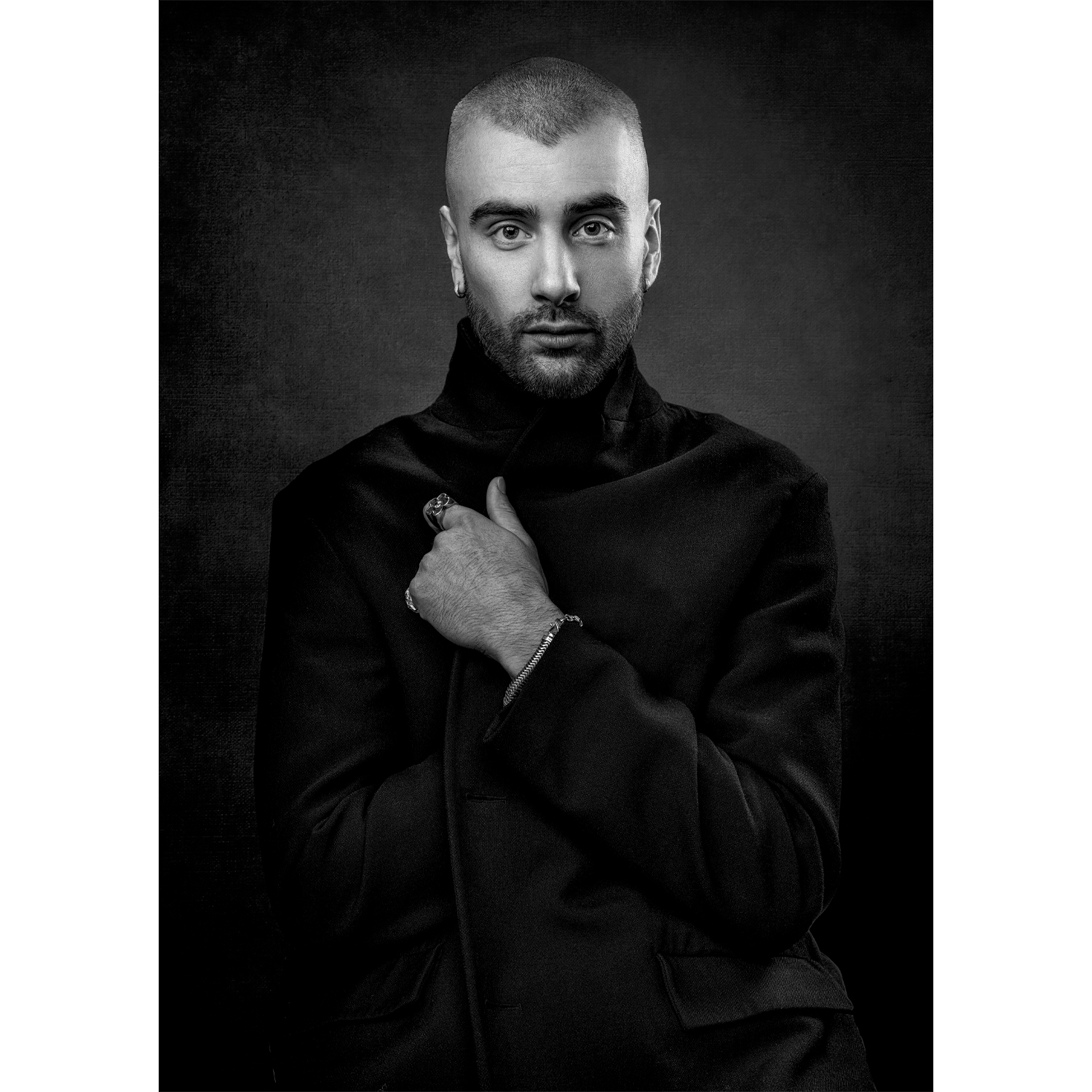
Lighting can completely change how a film stock renders skin. Soft window light often emphasizes the smooth tonal transitions many photographers want from portrait film, while direct sun can increase contrast and make even gentle emulsions feel more dramatic. Studio strobes add consistency, which is especially useful if you are trying to judge a film stock accurately over multiple sessions.
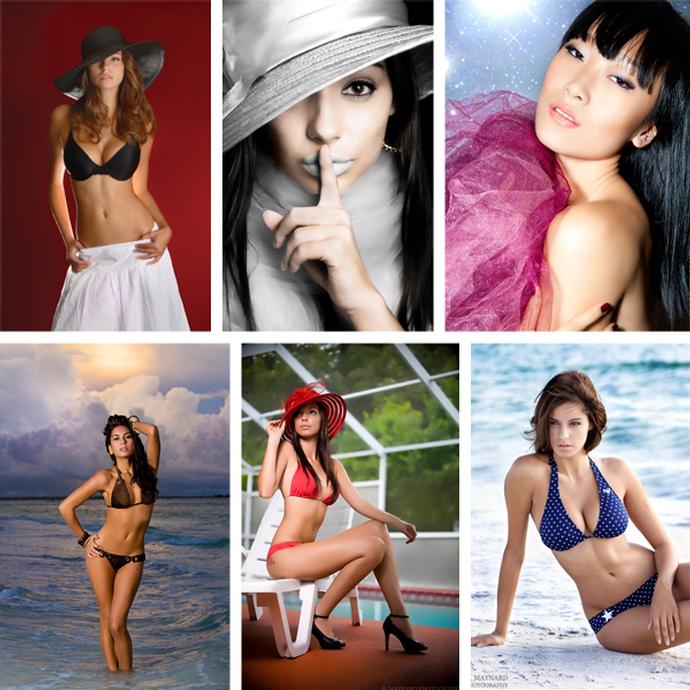
If you are building your portrait technique, lighting education is one of the best investments you can make. Unique Photo offers portrait-focused learning options like Portrait Lighting Made Easy with Joel Grimes (Westcott) and the Stunning Portraits Workshop with David Maynard and ExpoImaging, both excellent complements to film portrait work because they help you shape flattering light before you even press the shutter.
Is medium format worth it for film portraits?
For many photographers, yes. Medium format can offer smoother tonal gradation, a different rendering of depth, and more negative area for detailed scans or darkroom prints. These qualities are especially appealing for portraiture, where subtle transitions in skin and background blur often define the final image.
If you want to explore medium format without jumping straight into a large system investment, a used classic can be a great starting point. The Used Voigtlander Perkeo I 6x6 120 Film Camera - Good is the kind of compact medium format option that can introduce you to the look and discipline of 120 portrait photography.

What exposure tips help portrait film look its best?
Meter carefully for skin, especially in mixed light. Negative film generally tolerates overexposure better than underexposure, so many portrait photographers prefer to give color negative film a little extra light to preserve smoother shadows and richer skin tones. Backlit scenes can also benefit from spot metering on the face or using incident metering for more dependable exposure.
Consistency matters. If you are comparing film stocks, keep your exposure method the same from roll to roll and avoid changing both film and lighting at once. This makes your tests more meaningful and helps you identify whether a difference came from the emulsion or your technique.
How important are scanning and printing for evaluating portrait film?
They are extremely important. Two photographers can shoot the same film and come away with very different results depending on scanner settings, lab interpretation, or darkroom process. If you are serious about choosing a portrait film, evaluate not only how the negatives look but also how well the stock scans and prints for your preferred output.
For photographers who want to produce physical prints, Fujifilm darkroom and lab media can be part of a polished finishing workflow. Products like Fujifilm DIGITAL PRO 12X354 GLOSSY and Fujifilm Paper Super Type Cn 4x610 NBP Matte can support different presentation styles, with glossy surfaces emphasizing punch and matte surfaces often feeling a bit more understated and classic for portrait display.
What if I want more control over final portrait color?
If color precision is important, your finishing materials matter almost as much as the film itself. Lab chemistry, print media, and printer consumables all influence the final look. Portrait photographers who deliver prints should think of the process as a chain: capture, processing, scan or print, and presentation all need to support the mood they want.
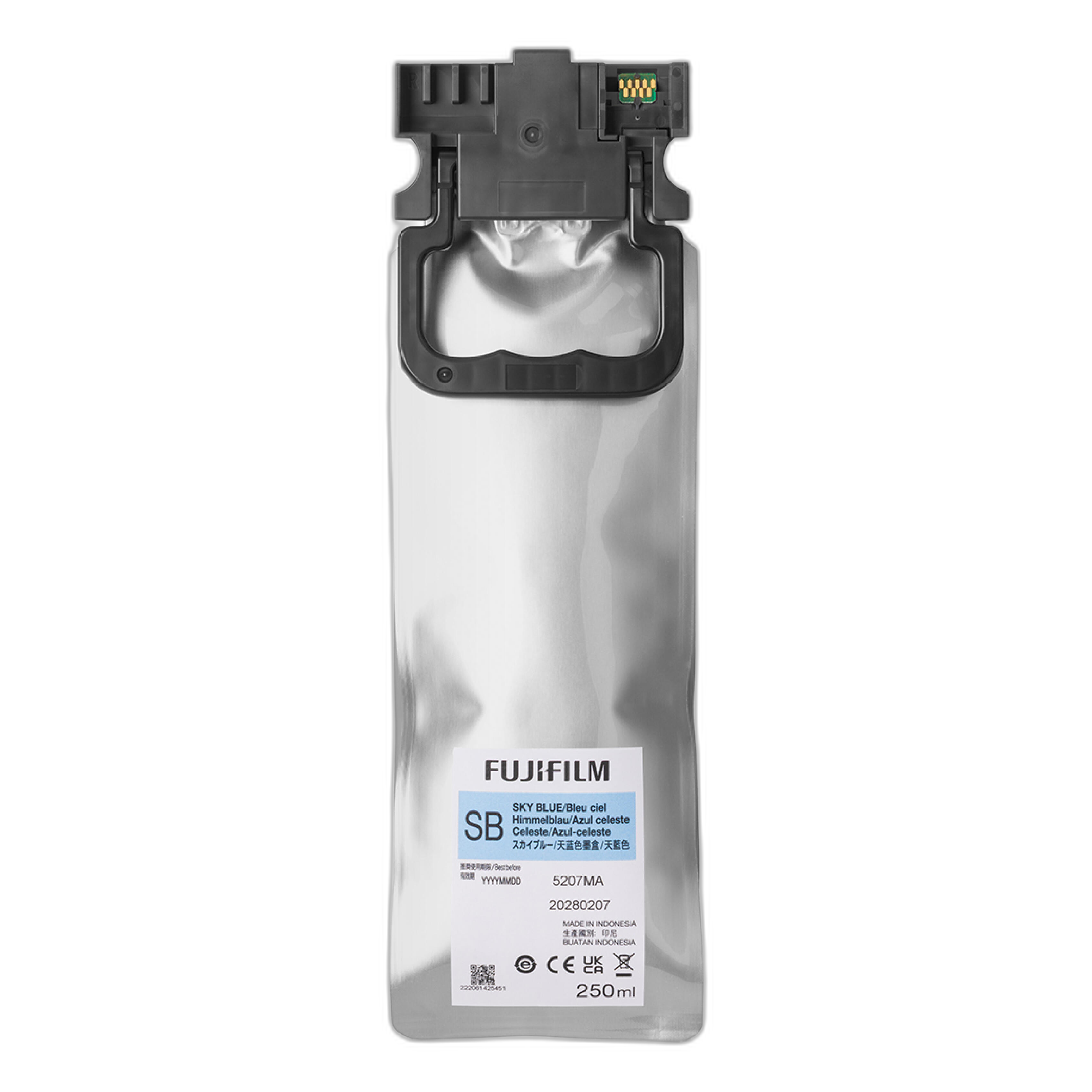
For output workflows that rely on Fujifilm printing systems, products such as Fujifilm Sky Blue Ink for DX400W and chemistry like Fujifilm Digital RA PRO Developer/Replenisher Part B can help maintain consistency in a production environment. Consistent output is especially valuable when you are refining a recognizable portrait style across multiple shoots.
Can digital tools still support a film portrait workflow?
Absolutely. Many photographers shoot both film and digital during portrait sessions, using digital for lighting checks or backup coverage while reserving film for the final artistic frames. If you work this way, keeping your digital system powered and ready helps your hybrid workflow stay efficient.
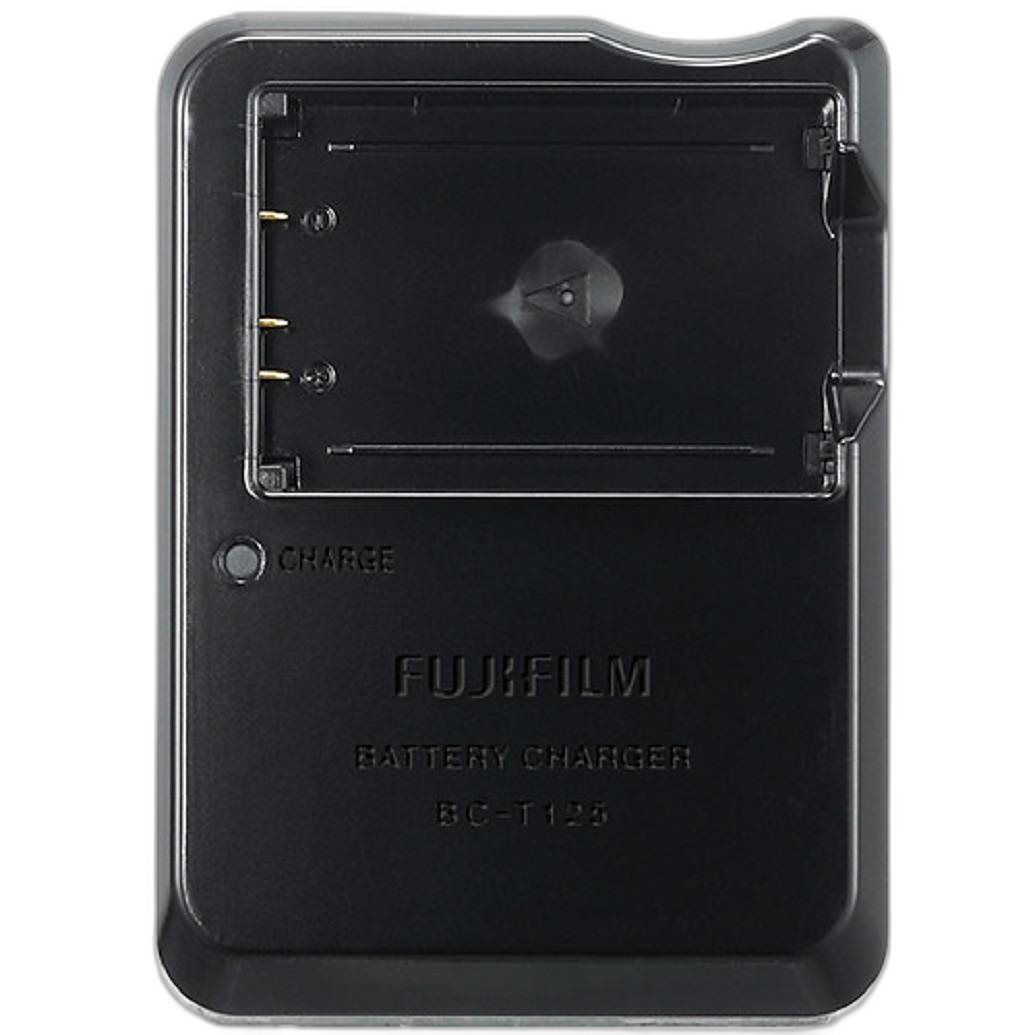
For Fujifilm GFX users who pair medium format digital with film portrait sessions, the Fujifilm BC-T125 Battery Charger for GFX 50S 50R GFX100 is a practical accessory to keep in your kit. It will not change your film look, of course, but it can streamline the broader portrait workflow when you are moving between formats.
How should beginners test portrait films without wasting money?
Start with one subject, one location, and one lighting setup. Shoot a few frames at your meter reading, then bracket slightly so you can see how the film responds around your preferred exposure. Repeat that process with another stock on a different day using the same lighting style. This gives you a manageable and affordable comparison.
Also decide in advance what you value most: warm skin, low grain, softer contrast, affordability, or flexibility in difficult light. That will keep you from chasing opinions and instead help you choose a film based on the actual portraits you want to make.
The best portrait film is the one that matches your style, your light, and your finishing process. If you are ready to refine your portrait workflow, explore workshops, used film cameras, and printing supplies at Unique Photo to build a setup that delivers beautiful results from exposure to final print.