Photography contests can be exciting, motivating, and occasionally nerve-racking—especially when it comes to editing. A little polish is usually expected, but heavy-handed adjustments can push an otherwise strong image outside the rules or away from what judges want to see. The key is understanding when editing supports your vision and when it starts to replace it. Here are practical tips to help you find that balance and submit contest-ready work with confidence.
Start With the Contest Rules, Not the Slider Panel
1. Read the editing guidelines line by line
Every contest defines “acceptable editing” a little differently. Some allow basic tonal and color corrections, while others prohibit object removal, sky replacement, compositing, or extensive retouching. Before you touch exposure or contrast, review the rules carefully and make notes on what is and is not permitted. If a contest emphasizes authenticity, judges may expect a file that stays close to what was captured in-camera.
It can also help to keep a photography reference book nearby while preparing submissions. A title like Rocky Nook’s Best Business Practices for Photographers by John Harrington can be useful for photographers who want to think more strategically about professional presentation, rights, and the expectations that often surround competitive and client-facing work.
Let Strong Capture Technique Do More of the Work
2. Reduce the need for dramatic editing at the time of capture
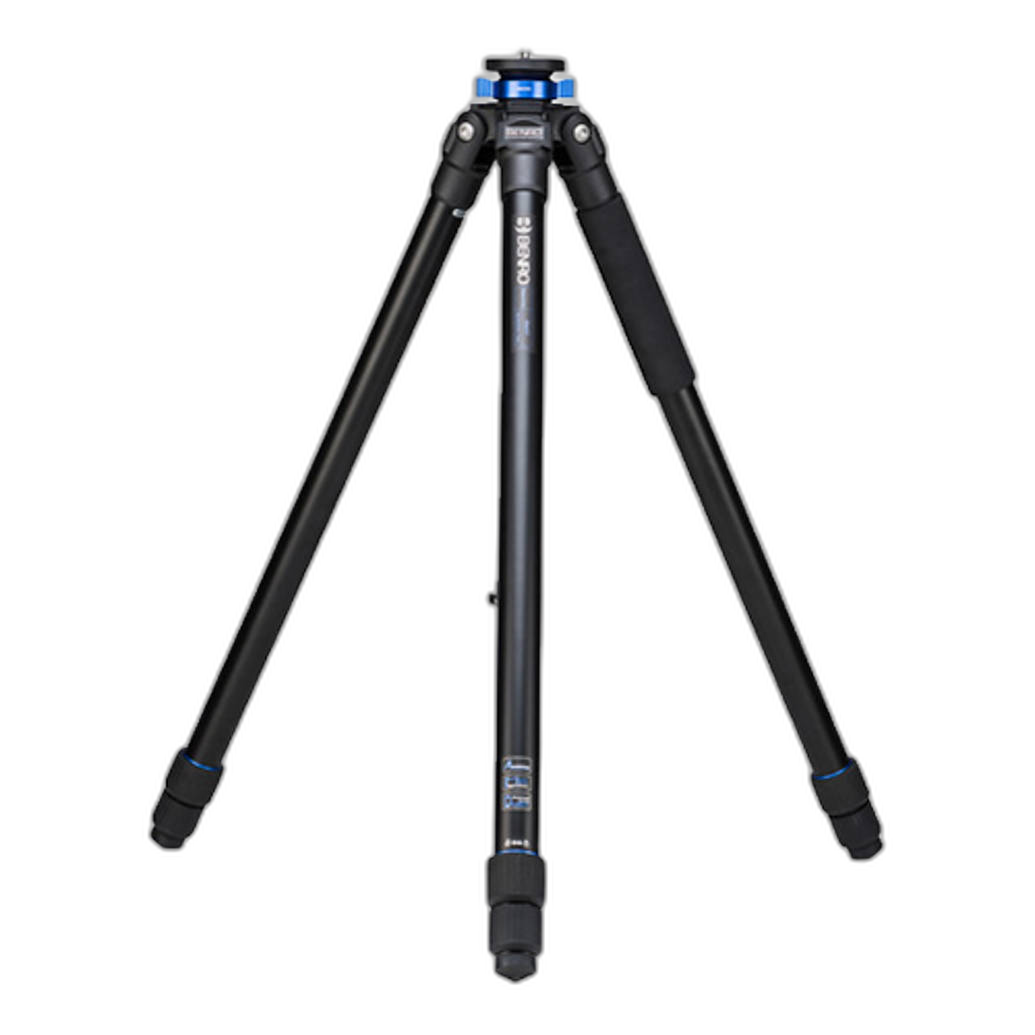
The less rescue work your file needs, the safer you are for most contests. Careful composition, solid exposure, and precise focus usually matter more than aggressive post-production. A stable support system, for example, can help preserve detail and keep horizons, architecture, and macro subjects looking natural straight out of camera. The Benro TMA47AXL Mach3 Aluminum Tripod is the kind of tool that helps photographers get cleaner frames in the field so they can spend less time “fixing” an image later.
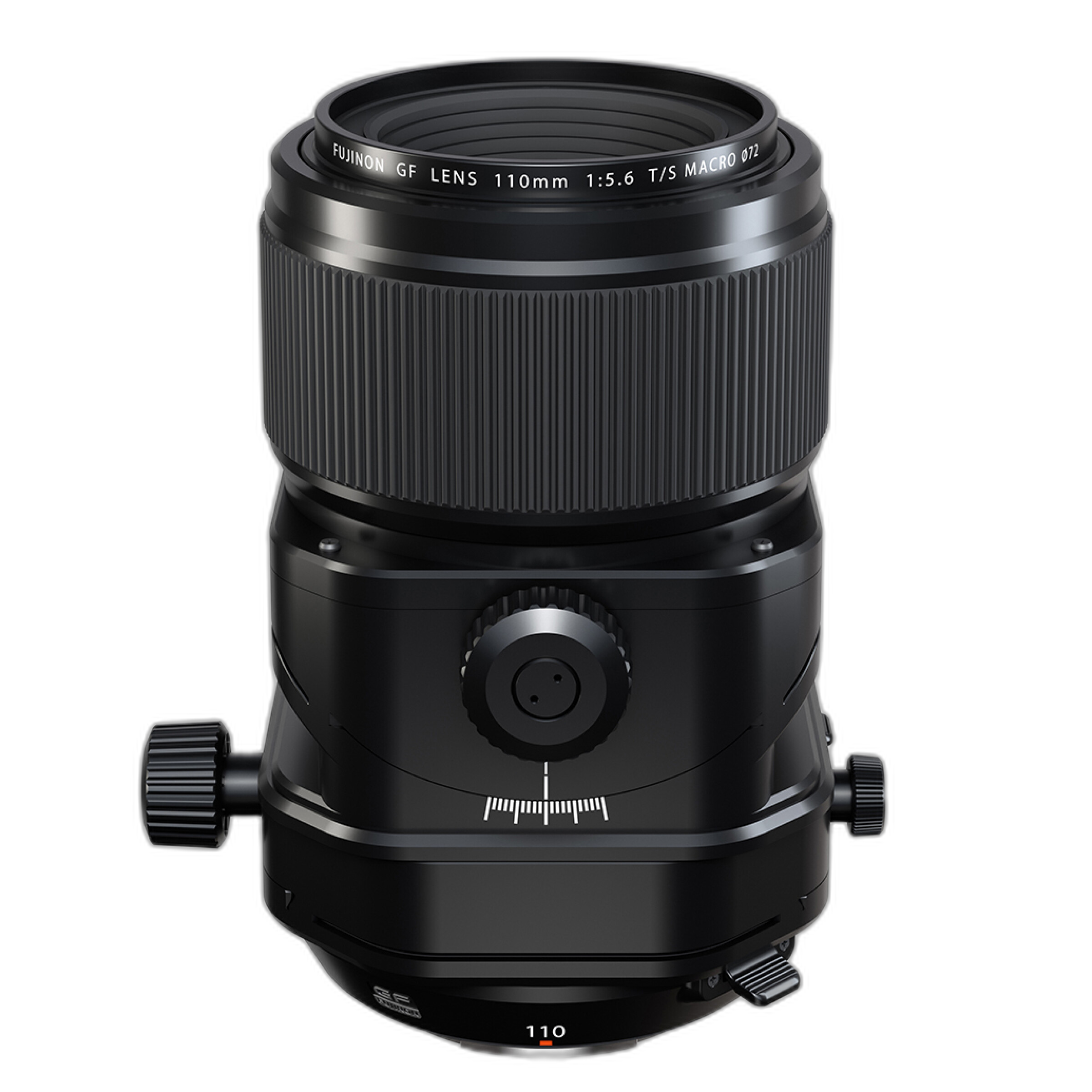
For photographers entering landscape, architecture, or fine art contests, lens choice can also make a difference. A specialized optic like the Fujifilm FUJINON GF 110mm f/5.6 T/S Macro Lens gives you more control over perspective and focus placement in-camera, which may reduce the temptation to apply extreme correction during editing.
Edit to Refine, Not to Rewrite
3. Keep adjustments believable
In most contests, global edits are generally safer than transformative ones. Exposure correction, white balance refinement, modest contrast, highlight recovery, and careful sharpening are often acceptable. Problems begin when colors look unnatural, shadows are crushed for drama, skin loses texture, or local edits become obvious. A good rule: if the editing is the first thing someone notices, it may be too much.
- Aim for natural skin tones and believable skies
- Protect detail in highlights and shadows
- Avoid halos from over-sharpening or aggressive masking
- Use noise reduction conservatively so textures still look real
- Step away and revisit the image before exporting
Be Especially Careful With Removal and Retouching
4. Know when cleanup crosses the line
Dust spot removal is often fine. Removing a distracting branch, cloning out a person, slimming a subject, replacing a background, or combining multiple exposures may not be. Wildlife, photojournalism, and nature contests are typically even stricter. If a viewer would consider the scene materially altered, many judges would too.
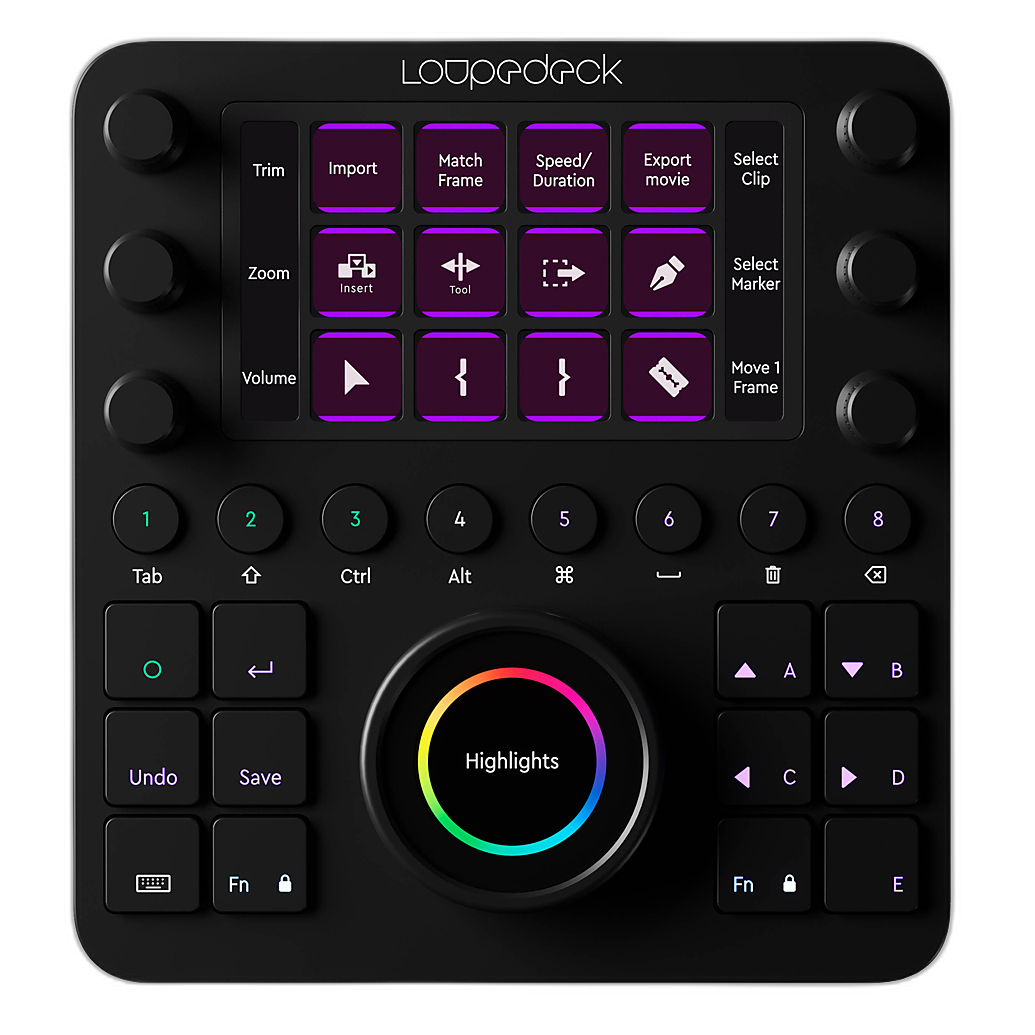
This is where disciplined editing workflows help. Tools like the Loupedeck Creative Tool can speed up culling and adjustment work, but speed should not lead to over-processing. Custom controls are great for refining exposure, color, and crop consistently across a submission set—just remember that efficient editing is not the same as excessive editing.
Crop With Purpose
5. Cropping is usually acceptable—over-cropping is risky
Most contests allow cropping, but a severe crop can expose noise, reduce detail, and make an image feel forced. Judges often respond better to photographs that appear intentional from the start. If you are relying on a massive crop to create impact, consider whether the original capture was strong enough for competition.
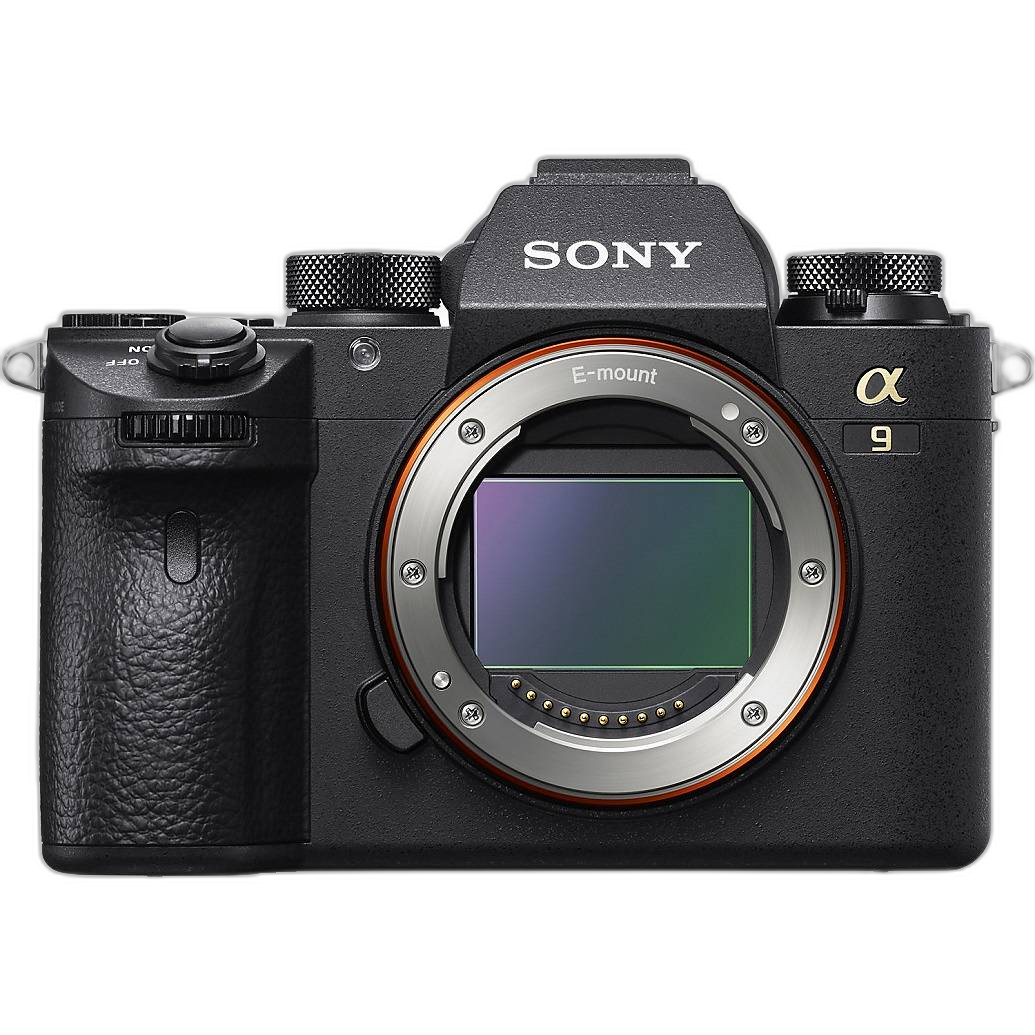
Even an older but capable camera body like the Used Sony A9 Body can produce fast, high-quality files when used thoughtfully, but contest success still comes down to timing, framing, and restraint in post.
Maintain a Defensible Workflow
6. Keep your RAW files and edit history
Many contests may ask finalists to provide RAW files or original captures for verification. Always keep your originals, exported finals, and notes about what adjustments were made. If your image advances and organizers question its authenticity, being able to show a clean, traceable workflow can protect your entry.
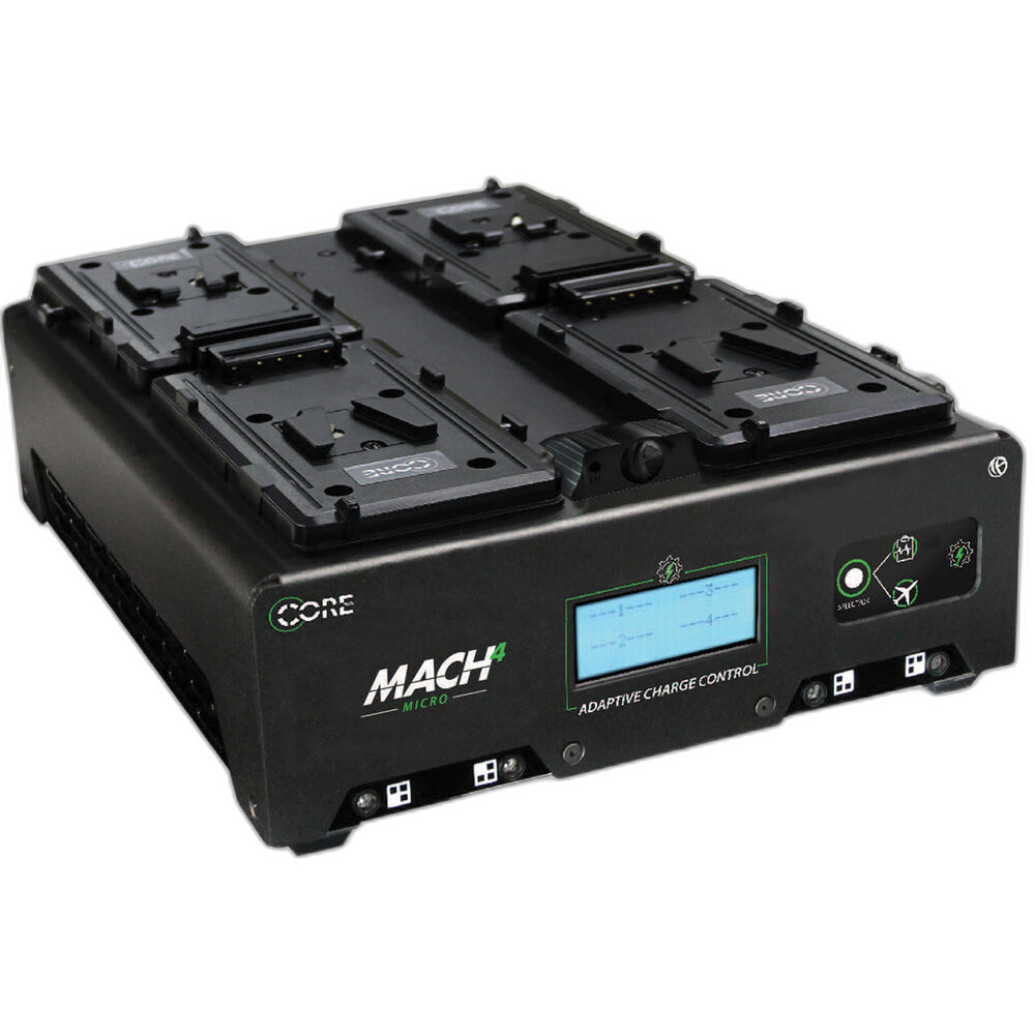
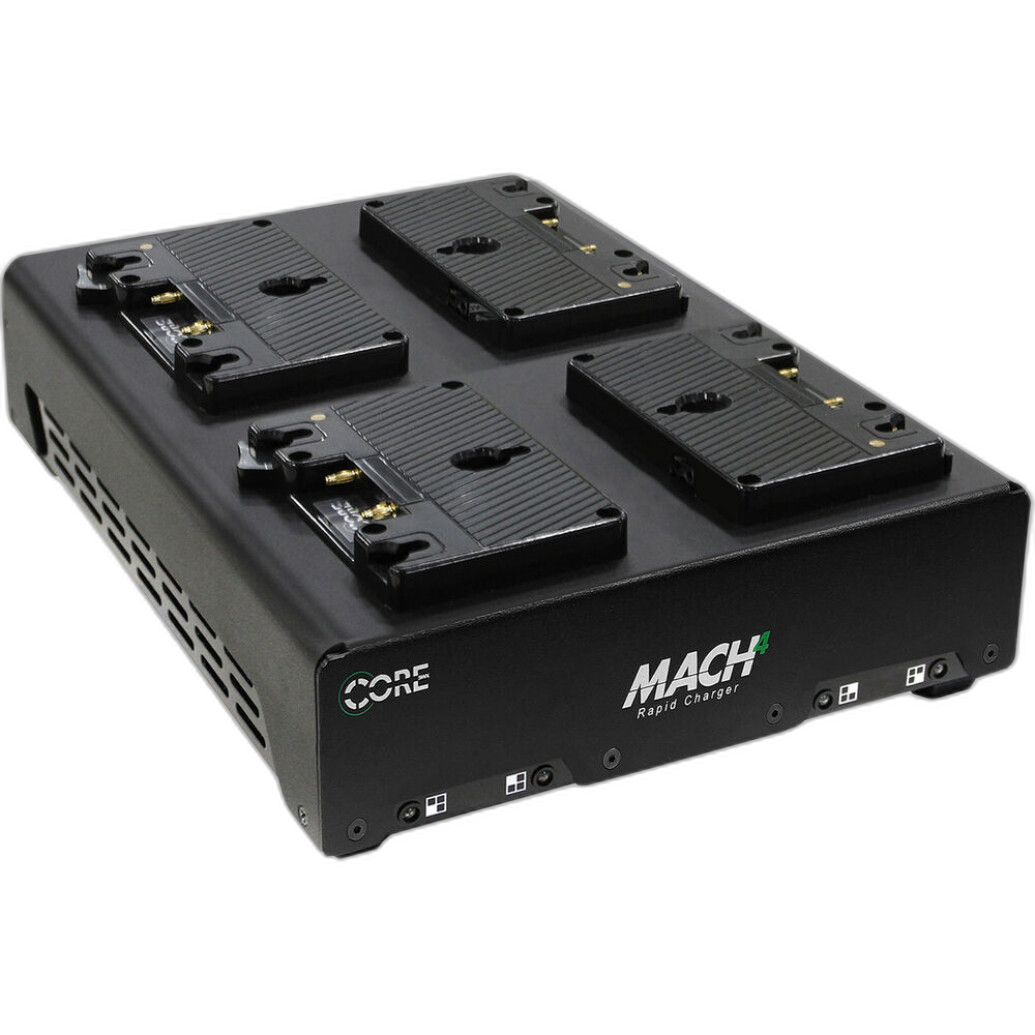
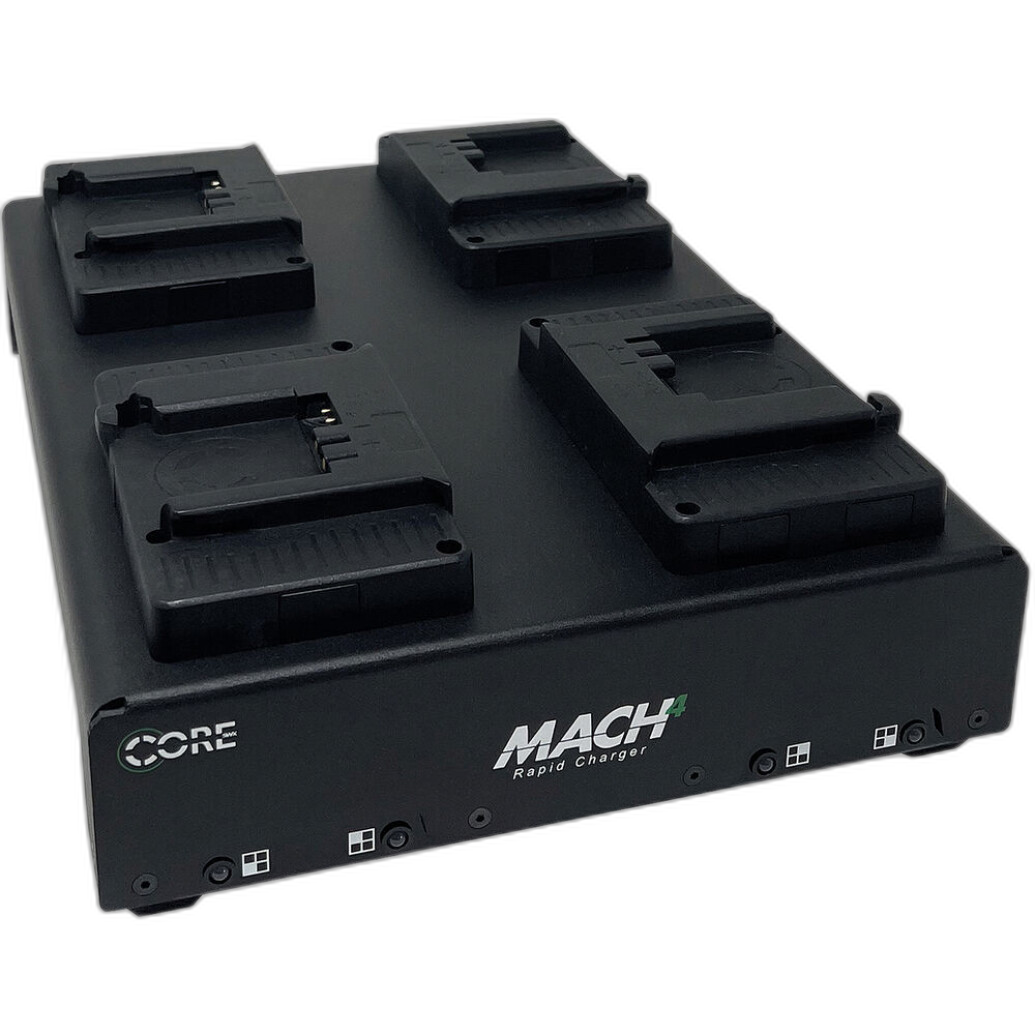
If you are shooting long contest days, events, or location work, practical support gear matters too. Reliable power management tools such as the Core SWX Mach4 Micro Four-Position Battery Charger - V-Mount, Gold Mount, or B-Mount versions can help production-oriented photographers stay organized and ready, especially when managing multiple batteries during extended shoots.
Compare Your Final to the Original
7. Use the before-and-after test
One of the best ways to judge whether you have gone too far is to compare your final edit to the original file. Ask yourself:
- Does the finished image still feel true to the scene?
- Would I be comfortable explaining every adjustment to a judge?
- Did I improve the photograph, or create a different one?
If you hesitate on that last question, dial it back. Contest editing should strengthen the image you captured, not conceal weaknesses with effects.
Conclusion
When it comes to photography contests, the best editing is often the kind that feels invisible. Refine color, tone, and presentation, but stay faithful to the scene and the contest rules. A strong capture, a careful workflow, and a restrained hand in post will usually take you farther than dramatic manipulation. If you are building a contest-ready kit or refining your editing setup, Unique Photo is a great place to explore cameras, lenses, support gear, and workflow tools that help you create images worth entering.