Best 35mm Color Film in 2024: Your FAQ Guide
Color negative film remains one of the most enjoyable ways to shoot portraits, travel, and everyday scenes, but choosing the right stock in 2024 can feel more complicated than it used to. Availability, pricing, grain, and color response all matter, especially if you're trying to match a film stock to your subject and shooting style. At Unique Photo, we help film photographers sort through those tradeoffs every day, so this FAQ breaks down what is still worth buying, how popular stocks compare, and how to get the most from every roll.
Which 35mm color films are still easy to find and worth shooting in 2024?
The most practical answer is to focus on mainstream color negative films that are consistently produced and broadly supported by labs. For most shooters, Kodak consumer and pro stocks remain the safest bet because they are familiar, versatile, and easy to scan or print. If you want a straightforward everyday option with classic warm Kodak color, KODAK KODACOLOR 200 CB-135-36 is a smart choice for daylight shooting, casual portraits, travel, and family photos.
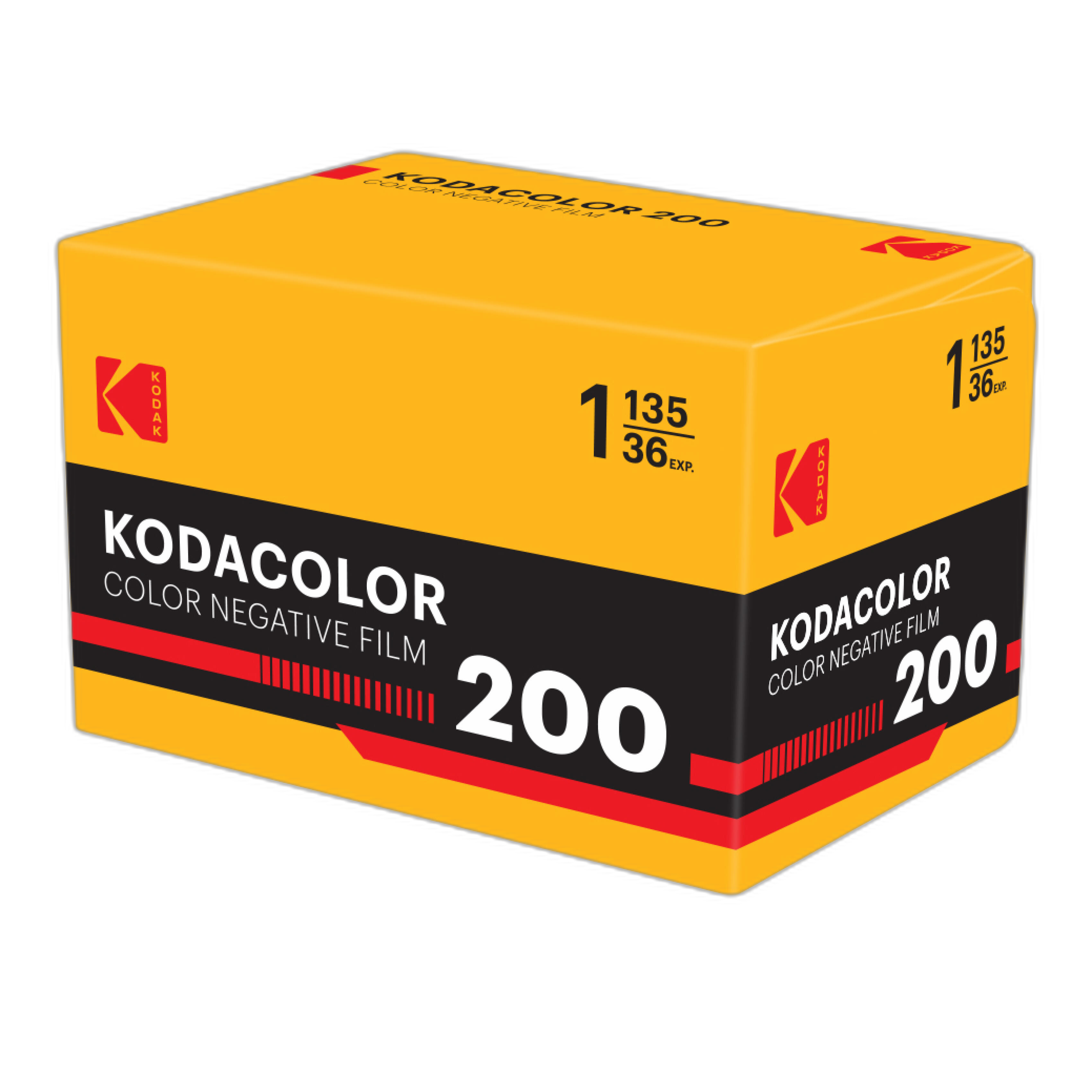
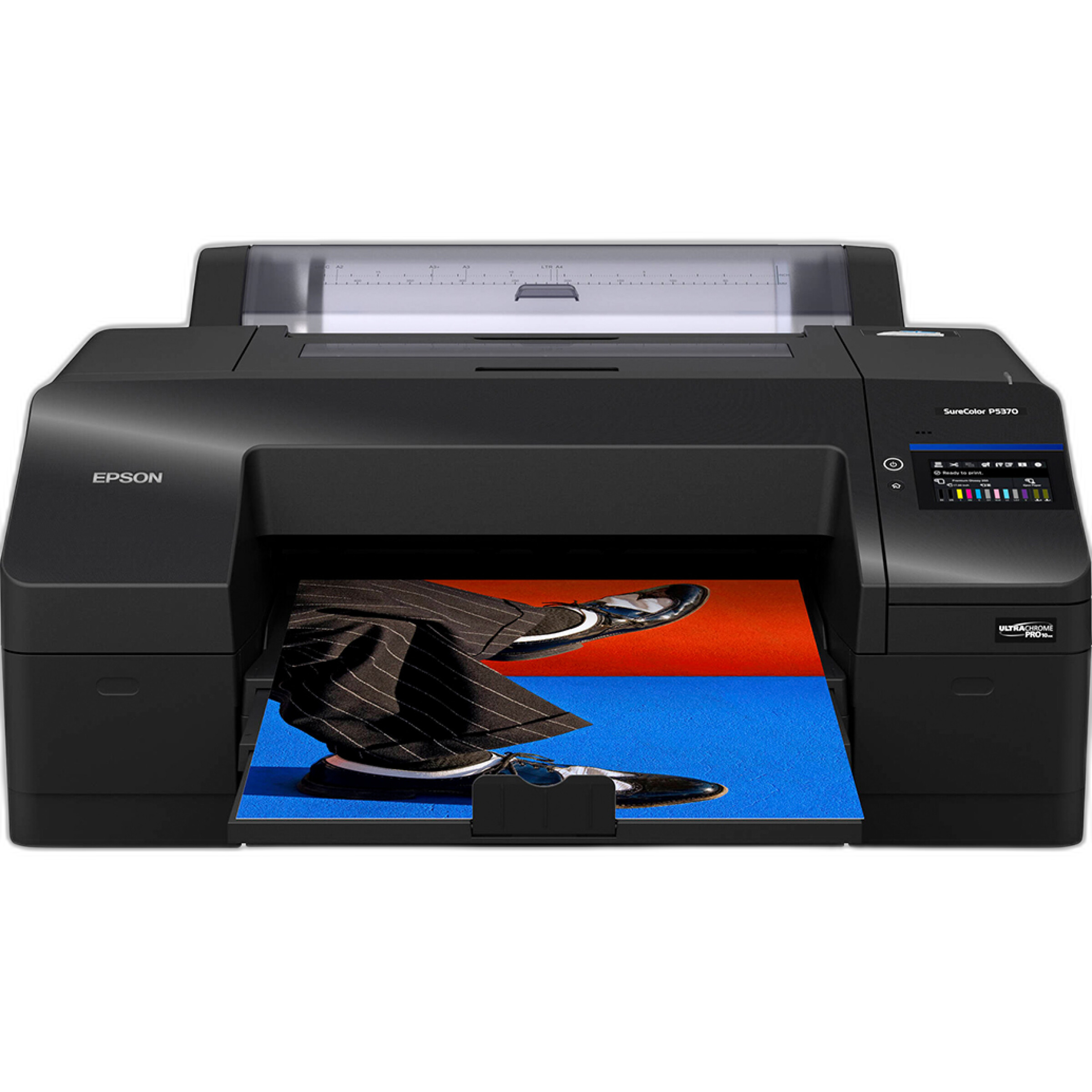
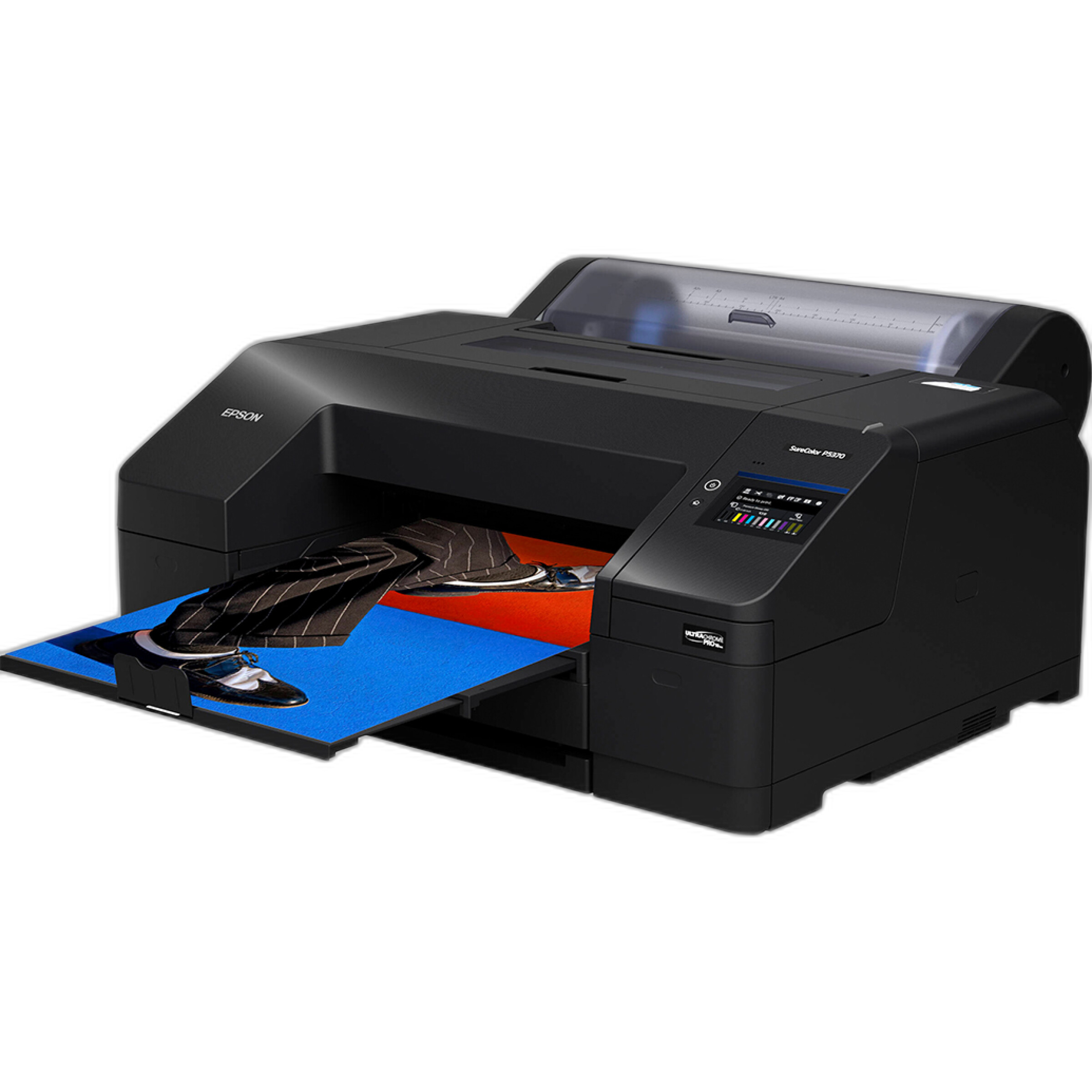
When film availability fluctuates, the best strategy is to buy for your actual shooting needs instead of chasing every stock. A reliable ISO 200 color film can cover a surprising amount of ground outdoors, and it is often a better value when you're shooting in good light. If you also like making finished prints at home after scanning your negatives, a printer like the Epson SureColor P5370 can be a strong complement to a film workflow.
How do Kodak Gold, Portra, and Ultramax compare for portraits?
These three films appeal to different priorities. Kodak Gold is loved for its punchy, nostalgic rendering and warm skin tones, especially in daylight or direct flash situations. It can make portraits feel lively and familiar rather than overly polished. Portra is typically chosen when you want smoother tonal transitions, gentler contrast, and more exposure flexibility, which is why it remains a favorite for weddings, editorial portraits, and professional portrait sessions. Ultramax generally sits in the middle for photographers who need higher speed and more convenience, especially indoors or in mixed light, while still keeping a consumer-film look.
If your style leans natural and refined, Portra is usually the easiest recommendation. If you want personality, warmth, and a more budget-conscious roll for casual portraiture, Gold is often the better value. Ultramax becomes especially useful when you need ISO 400 speed but do not want to reserve premium film for every outing.
Which stock is better for landscapes: Gold, Portra, or Ultramax?
For landscapes, your choice depends on what kind of color and contrast you want. Gold tends to produce vivid, sunny-looking images with warm color and strong overall appeal in bright conditions. It works well for beach scenes, roadside Americana, national park trips, and vacation photography where you want classic color-film character. Portra is often preferred when you want more subtlety in skies, smoother highlight handling, and a slightly more restrained palette that scans beautifully for large prints. Ultramax can still work for landscapes, but it is usually selected for convenience and speed rather than maximum nuance.
If your landscape photography often happens in bright midday or golden-hour light, a daylight-balanced ISO 200 film like KODAK KODACOLOR 200 CB-135-36 is a practical place to start. If you intend to turn your favorite negatives into display prints, the Epson SureColor P5370 is designed for photographers who care about tonal fidelity and exhibition-quality output.
What is the most affordable way to keep shooting color film as prices rise?
The most affordable strategy is usually not hunting for the absolute cheapest roll, but matching the film to the job so nothing is wasted. Consumer color negative film remains the best value for everyday shooting, testing cameras, experimenting with flash, and carrying a compact film camera on trips. Lower-ISO daylight films can stretch your budget if most of your photography happens outdoors.
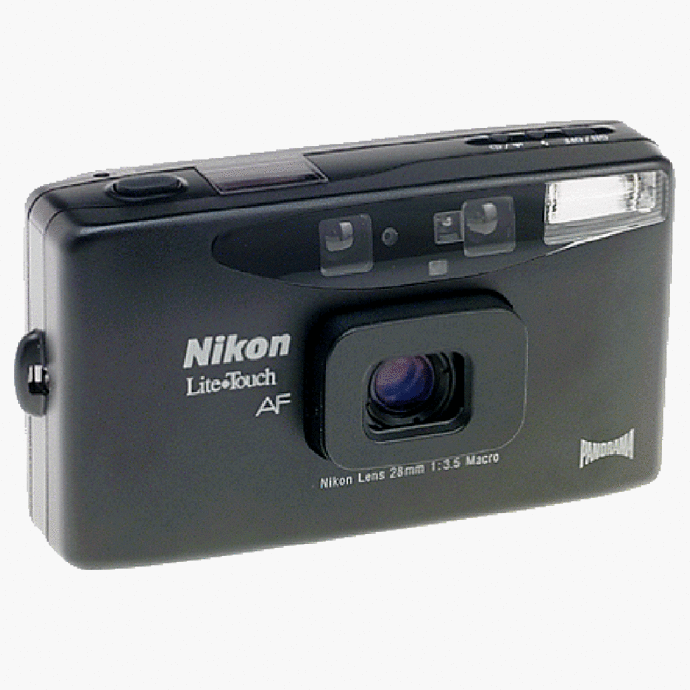
Camera choice also affects cost efficiency. A simple, reliable compact can help you shoot more casually without investing in a full interchangeable-lens setup. The Used Nikon Light Touch 35MM Point and Shoot is the kind of camera many film photographers appreciate for travel, snapshots, and quick everyday shooting with minimal setup.
Another way to improve value is to be more intentional with exposure. If you're shooting portraits at home or indoors, controlled lighting can help you avoid wasting frames in difficult mixed light. A kit like the Godox ML60II Bi-Color LED Monolight Kit 2 can make film shooting more predictable by giving you cleaner, repeatable illumination before you commit a frame to the roll.
Is expired color film worth using?
Expired color film can be fun, but it is best treated as an experimental medium rather than a reliable one. Over time, color shifts, contrast loss, increased grain, fogging, and reduced sensitivity all become more likely. Storage history matters even more than the expiration date. Refrigerated or frozen film that was handled well may still produce pleasing results, while film stored in heat can become unpredictable very quickly.
For paid work, important family events, travel you cannot repeat, or anything where consistency matters, fresh film is the safer choice. Expired film makes more sense for creative projects, lo-fi aesthetics, testing old cameras, or embracing uncertainty as part of the look. If you want dependable results, stick with current stock and reserve expired rolls for experimentation.
What precautions should you take when shooting expired color film?
Start by checking the film's age, storage history, and original ISO. A common rule of thumb is to add extra exposure as film gets older, but there is no universal formula because every roll ages differently. Metering it a bit more generously can help, though extreme overcorrection can create its own problems. It is also wise to shoot a test roll before using a large batch from the same source.
Keep your expectations realistic. Color may shift toward magenta, cyan, or yellow, and shadow detail may suffer. For that reason, expired film is generally easiest to use in bright, even lighting where the negative has the best chance of recording enough information. If you do shoot expired rolls, let your lab know so they can approach scanning with those variables in mind.
What camera works best for casual 35mm color film shooting in 2024?
For many photographers, the best camera is the one that keeps film approachable. Point-and-shoot cameras are popular because they are easy to carry, quick to use, and ideal for consumer color stocks. If you want a compact setup for vacations, street scenes, or day-to-day snapshots, the Used Nikon Light Touch 35MM Point and Shoot is a practical option that pairs naturally with affordable color negative film.
If your style is more deliberate and you enjoy the process of building a look through lens choice, rangefinder and SLR options can offer more control. The main question is not whether one format is universally better, but whether you want convenience or a more hands-on shooting experience.
How can you get better portrait results with color film indoors?
Indoor color film photography can be challenging because mixed light and low light often force compromises in color accuracy and shutter speed. One of the best ways to improve results is to simplify the light. A controllable continuous light source lets you preview shadows, manage color temperature, and create more repeatable exposures. The Godox ML60II Bi-Color LED Monolight Kit 2 is helpful for photographers who want to shoot portraits, still life, or small home-studio setups with more consistency.
Bi-color control is especially useful with film because it helps you balance the scene more effectively before exposing the negative. Pairing that with a forgiving color negative stock can make indoor portraits much more successful than relying only on household lighting.
What should you do after scanning your color film?
Once your negatives are scanned, it is worth deciding which images deserve a final print rather than leaving everything on a hard drive. Film images often come alive on paper, especially portraits and landscapes with rich color transitions. If you print regularly, the Epson SureColor P5370 is an excellent fit for photographers who want high-end photographic output with strong detail and nuanced color.
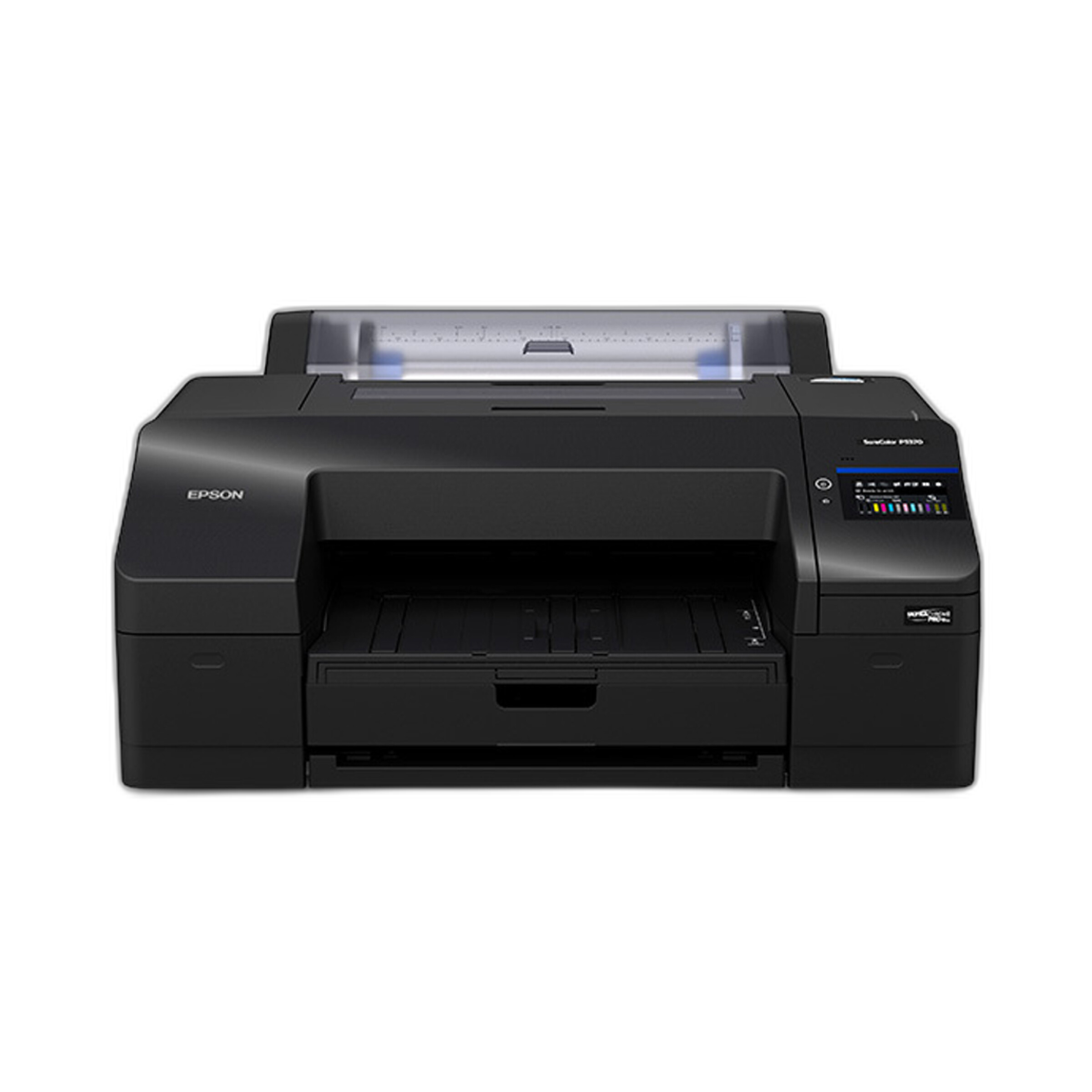
A good print workflow helps you get more value from every roll because it turns your favorite frames into finished work. That is especially rewarding with color film, where the look of the final print is often part of the appeal.
Whether you're deciding between budget-friendly everyday film and premium portrait stock, experimenting with expired rolls, or building a complete film workflow from camera to print, Unique Photo is here to help. Explore our film, used film cameras, lighting, and printing tools to put together a setup that fits the way you actually shoot.