Beginner Photography Accessories FAQ: Bags, Straps, Filters & Smart Essentials
Getting started in photography is exciting, but choosing the right accessories can feel almost as important as choosing the camera itself. The best beginner kit is not about buying everything at once—it is about selecting practical tools that protect your gear, improve comfort, and help you shoot more confidently in everyday situations.
Below, our team at Unique Photo answers some of the most common questions new photographers ask about bags, straps, filters, and other useful add-ons that can make a real difference from day one.
What accessories should a beginner photographer buy first?
For most beginners, the smartest first purchases are a reliable camera bag, a comfortable strap, and one or two accessories that match how you actually shoot. A good bag protects your camera and lens while keeping essentials organized. A better strap can make long shooting days much more comfortable than the basic strap included with many cameras. If you are interested in outdoor portraits, travel, or street photography, a versatile filter can also add creative flexibility without adding much weight to your kit.
It is also worth thinking about workflow accessories. If you use your camera for streaming, video calls, or content creation, a webcam accessory kit can be surprisingly useful. The goal is to build a setup that supports your photography habits instead of collecting gear you rarely use.
How do I choose the right camera bag as a beginner?
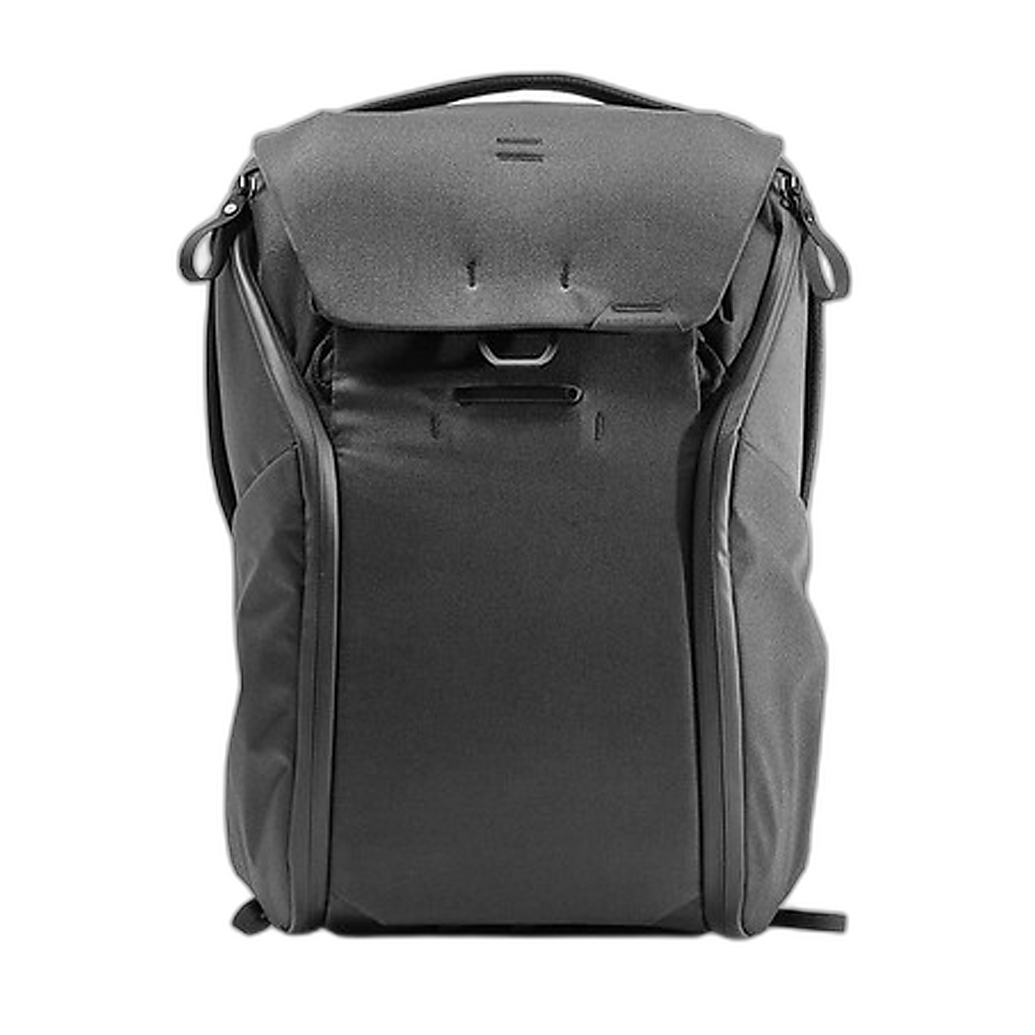
The right camera bag depends on how much gear you carry and how you prefer to move. If you want a backpack that can comfortably hold a camera body, an extra lens, accessories, and day-to-day items, a dedicated camera backpack is often the most flexible option. It distributes weight well and works especially nicely for travel, commuting, and outdoor shooting.
The Peak Design Everyday Backpack 20L v2 - Black is a strong choice for beginners who want room to grow. It offers a clean layout, a protective structure, and flexible organization for cameras, lenses, and personal items.
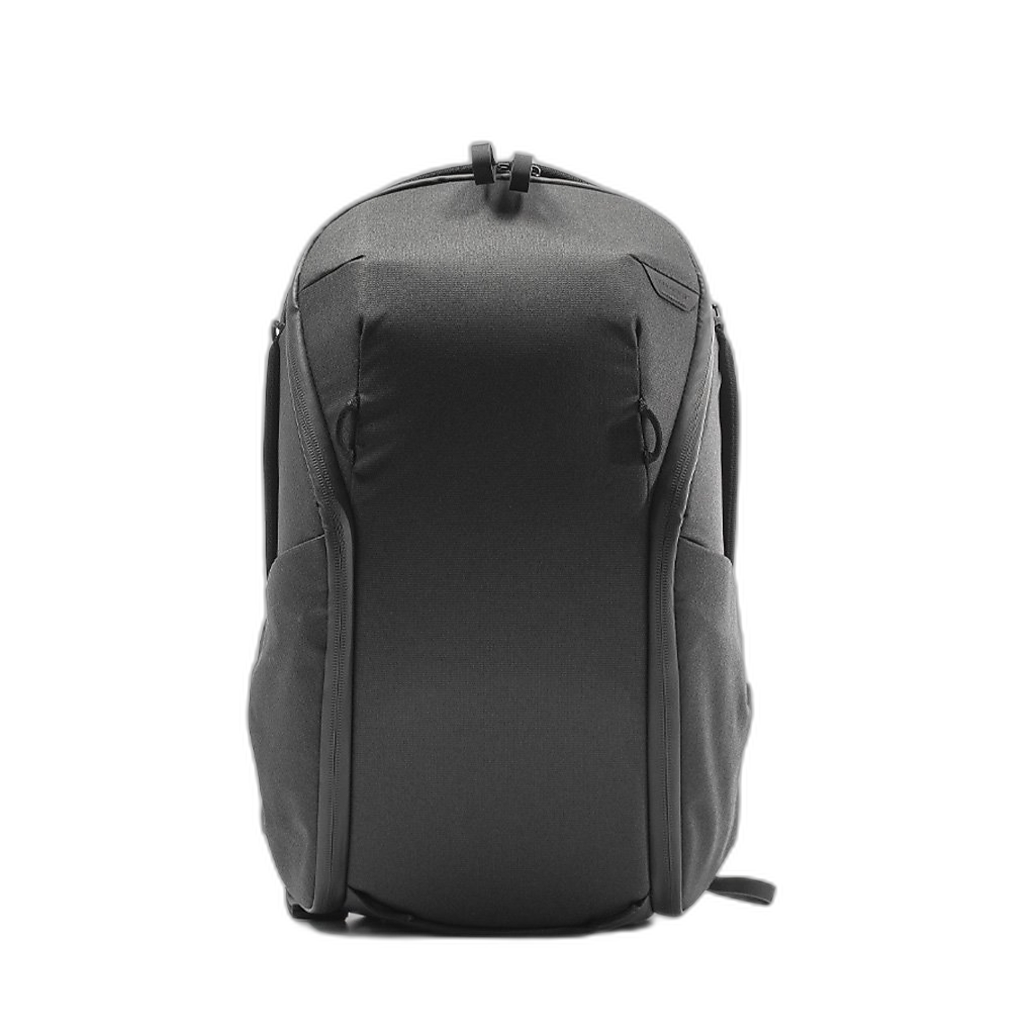
If you prefer a slightly different access style, the Peak Design Everyday Backpack 20L Zip - Black is another excellent option. It is ideal for photographers who want a sleek bag that works for both camera gear and everyday use.
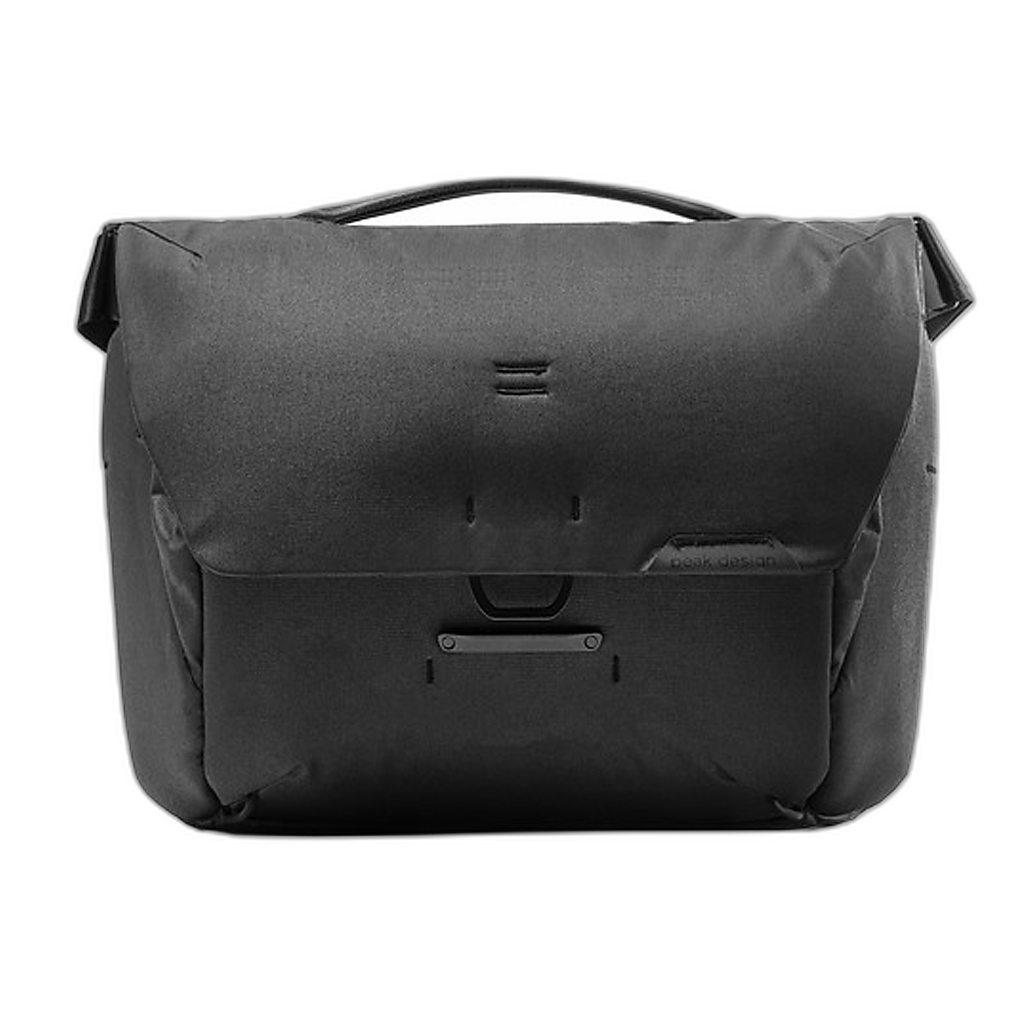
For photographers who like quicker access in urban environments, events, or casual outings, a messenger-style bag can be a great fit. The Peak Design Everyday Messenger 13L v2 - Black gives you easy access to gear without removing the bag completely, which many beginners appreciate when changing lenses on the go.
Is a better camera strap really worth it?
Yes—especially if you plan to carry your camera for more than a few minutes at a time. Many entry-level cameras ship with a basic strap that does the job, but an upgraded strap can noticeably improve comfort and handling. This matters when you are walking through a city, covering family events, traveling, or simply practicing for longer stretches.
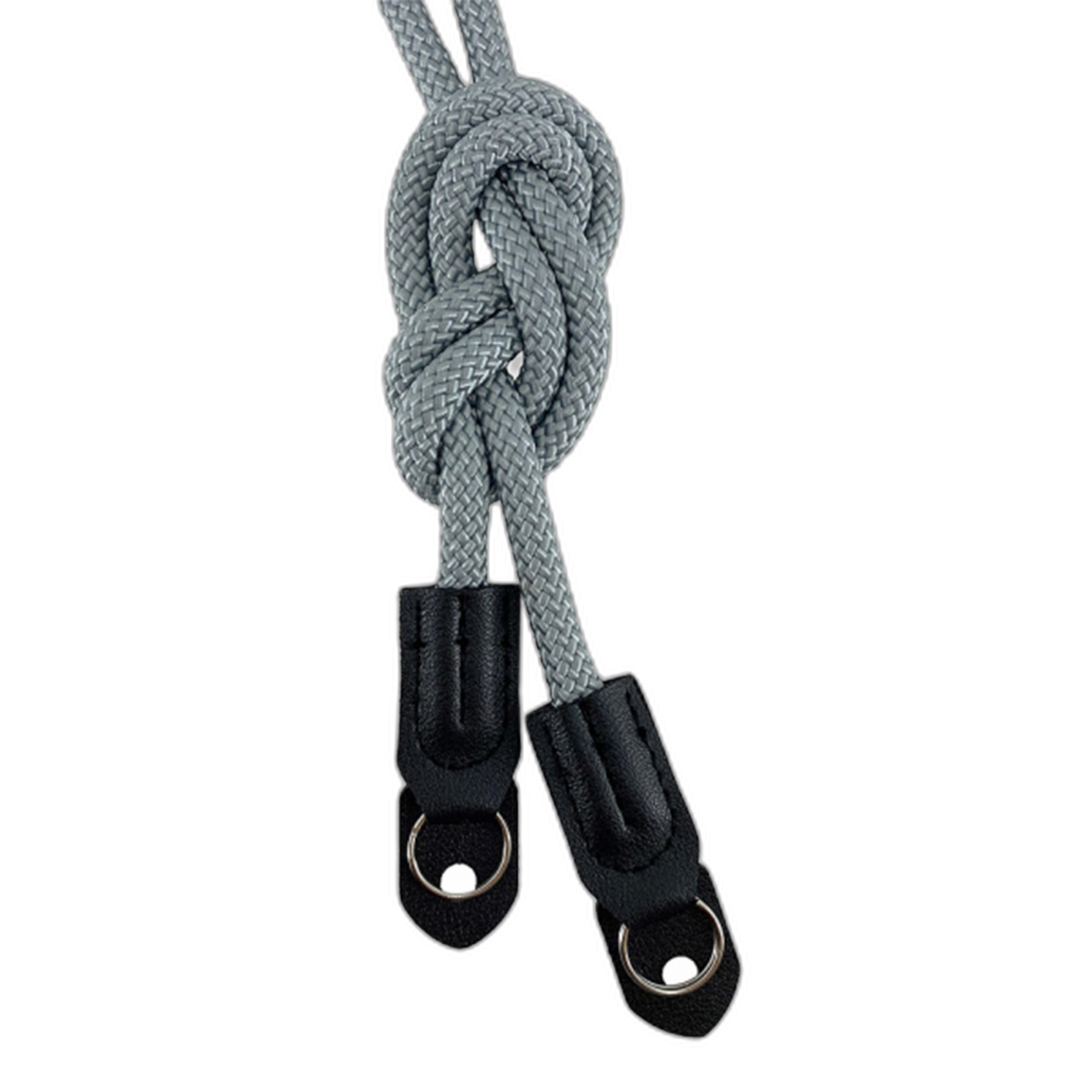
The Everyday Sidekick Camera Strap - Glacier Gray is a practical upgrade for beginners who want a more comfortable and stylish way to carry their camera. A better strap can help reduce neck fatigue, improve confidence while shooting, and make it easier to keep your camera ready instead of tucked away.
If your goal is to shoot more often, comfort matters. Accessories that make your camera easier to carry often have a bigger real-world impact than beginners expect.
Do beginners need camera filters, or should I wait?
Not every beginner needs a filter immediately, but the right filter can be very useful depending on your style. Filters are especially helpful for outdoor photographers, portrait shooters, and creators who want more polished results straight out of camera. A combination filter can be particularly appealing because it gives you multiple benefits without requiring several separate accessories.
The Polar Pro 49mm Shortstache Everyday Filter - Black Mist + Polarizer is a good example of a creative, practical filter for compatible lenses. A polarizing effect can help manage reflections and improve color and contrast outdoors, while the black mist effect can add a softer, more cinematic character to highlights. For beginners exploring portraits, lifestyle photography, or travel content, that kind of versatility can be a great way to experiment.
Before buying any filter, make sure the filter size matches your lens thread diameter. That measurement is usually printed on the front of the lens or inside the lens cap.
What accessories help if I want to use my camera for streaming or video calls?
If you already own a compatible EOS Rebel camera, a webcam accessory kit can be a very convenient addition. Many beginners first buy a camera for photography, then realize they also want better video quality for streaming, online meetings, classes, or content creation. In that case, purpose-built accessories can simplify the setup.
The Canon EOS Webcam Accessories Starter Kit for EOS Rebel Cameras is designed for users who want to get more versatility from their camera beyond still photography. For beginners who split time between shooting photos and creating online content, it can be a smart, practical purchase.
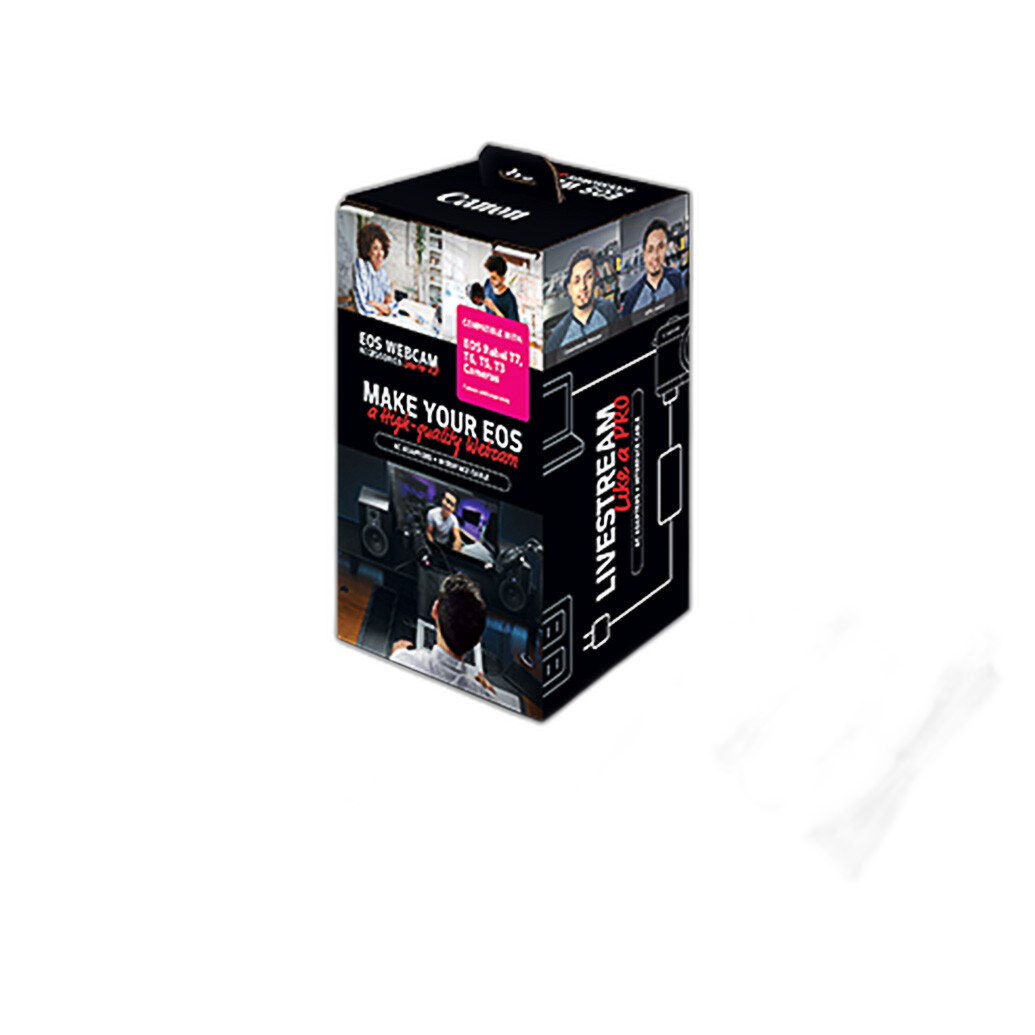
This kind of accessory is especially valuable if you are trying to get more use out of your camera investment while learning both photography and video basics.
Should beginners buy for photography only, or think about video accessories too?
Many new photographers eventually branch into video, even if that was not the original plan. Social content, behind-the-scenes clips, travel videos, and family moments often lead beginners to explore motion alongside stills. That is why it can be wise to choose accessories that support both workflows, such as a flexible bag, a comfortable strap, and tools that improve portability and readiness.
Education also matters here. If you are curious about learning more, workshops and beginner-friendly classes can help you understand which accessories genuinely fit your needs before you overspend. Unique Photo regularly offers educational opportunities, including events like the Videography Beginners Guide with Sony and classes such as Video for Photographers with Shiv Verma.
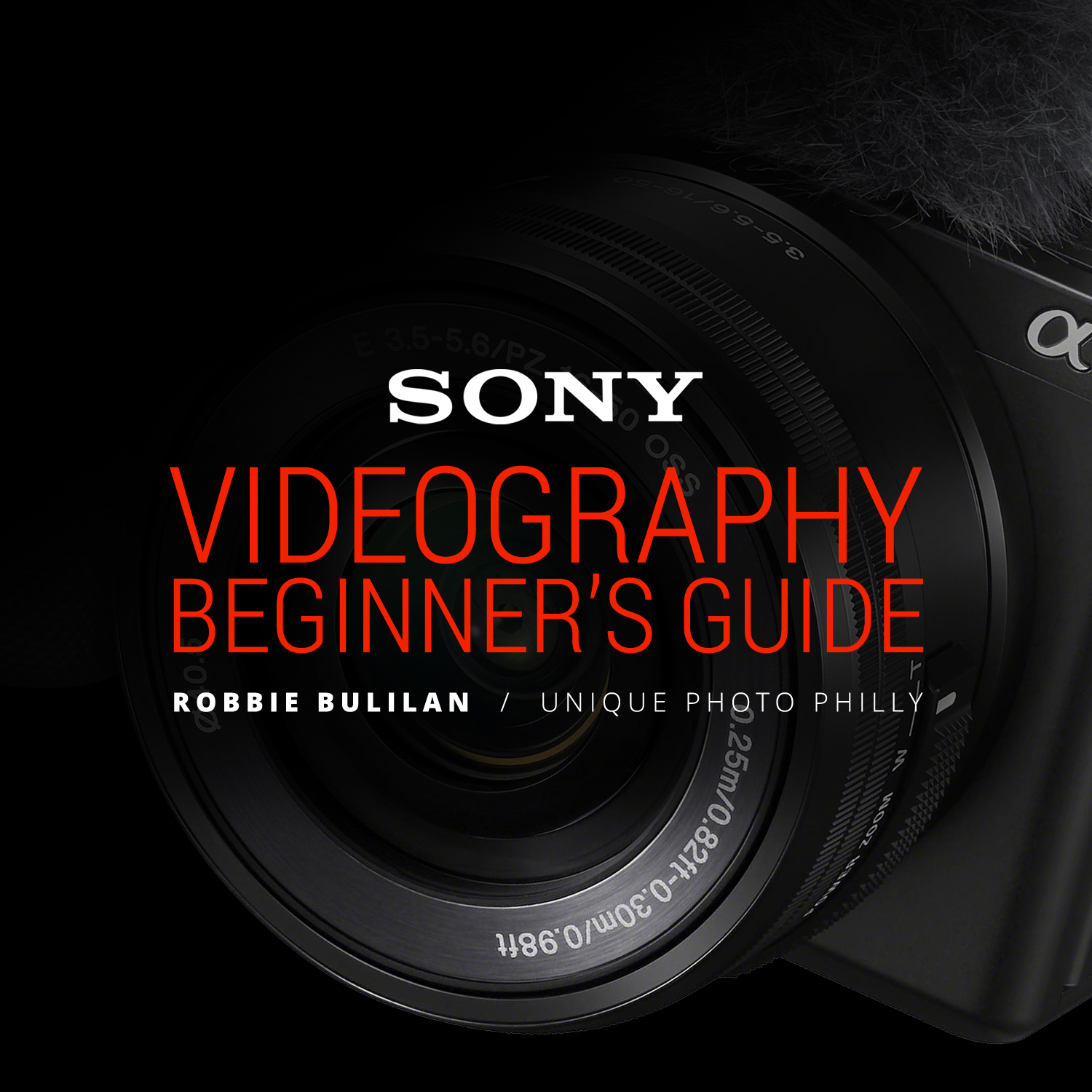
For beginners, learning from hands-on instruction can be just as valuable as buying another accessory.
How much should a beginner spend on accessories?
A good rule is to prioritize accessories that solve immediate problems. If you need safer transport, buy the bag first. If carrying your camera feels awkward, upgrade the strap. If you shoot outside often and want more creative control, then consider a filter. Start with the accessories that remove obstacles from your shooting routine rather than trying to build a full professional kit overnight.
Quality accessories are often worth the investment because they last through camera upgrades. A well-made bag from Peak Design, for example, can continue serving you long after you replace your first camera body. The same is true for practical carry solutions and many universal accessories.
What is the most overlooked beginner accessory?
One of the most overlooked accessories is simply a carrying solution you actually enjoy using. Beginners sometimes focus only on image-making tools and forget that convenience affects how often they bring the camera along. If your gear is difficult to carry, poorly protected, or disorganized, you are less likely to practice regularly.
That is why a thoughtfully designed everyday bag or backpack can be one of the best early purchases. Whether you choose the Peak Design Everyday Backpack 20L v2, the Everyday Backpack 20L Zip, or the Everyday Messenger 13L v2, the real value is in helping you keep your camera accessible, protected, and ready for the next shot.
Building a beginner accessory kit does not have to be complicated. Focus on practical upgrades that protect your equipment, improve comfort, and match the way you like to shoot. If you are ready to put together a smarter starter setup, Unique Photo can help you choose the right bag, strap, filter, or camera accessory—and help you keep learning as your photography grows.