Good video can survive imperfect lighting for a moment, but poor audio often makes viewers click away immediately. That is why many creators shopping at Unique Photo ask the same question: what is the best beginner-friendly audio setup for videography? The answer depends on what you shoot most often—sit-down interviews, run-and-gun content, documentary work, or on-location pieces where speed matters as much as sound quality.
In this guide, we break down the most recommended entry-level audio configurations for videographers, including wireless microphones, on-camera shotgun mics, and dedicated audio recorders. We will also cover the pros and cons of each setup so beginners can choose gear that is easy to use today and still useful as their productions grow.
What beginners should look for in videography audio equipment
Before choosing a microphone or recorder, it helps to understand what matters most in a beginner audio kit:
- Ease of setup: Fast pairing, simple controls, and minimal cable clutter are ideal for new videographers.
- Recording flexibility: Some creators want audio sent directly into the camera, while others prefer backup or standalone recording.
- Microphone pattern: Lavalier and clip-on wireless systems work well for interviews, while directional and shotgun mics are useful for focused pickup.
- Portability: Small wireless systems are convenient for social content and travel shoots.
- Expandability: Dedicated recorders and multi-channel systems can handle more complex productions later on.
Unique Photo carries a wide range of beginner and enthusiast audio tools, and the right choice often starts with identifying whether you need one-person capture, two-person interviews, or a flexible hybrid kit.
Best beginner wireless microphone setup for two-person interviews
For many new videographers, a compact wireless microphone system is the easiest place to start. These systems simplify interviews by allowing two speakers to move naturally while capturing clearer dialogue than an on-camera mic alone.
The DJI Mic 3 2-Person Compact Wireless Microphone System for Mobile Devices is a strong beginner-friendly option for creators who want a small, modern wireless setup for quick productions, mobile video, and lightweight interview work.

Why users recommend this style of setup:
- Fast for two-person interviews
- Clean, close-mic sound compared with camera-mounted audio alone
- Easy to pack for travel and on-location shoots
- Great for creators filming with phones, compact cameras, or lightweight rigs
Pros: Simple workflow, portable design, and better speech intelligibility in untreated spaces. Wireless systems like this are especially useful for wedding content, creator interviews, behind-the-scenes videos, and social-first production.
Cons: Wireless kits can still be affected by placement, clothing rustle, battery management, and environmental interference. Beginners also need to monitor levels and keep transmitters positioned properly.
Another highly relevant option at Unique Photo is the Sennheiser Profile 2-Person Clip-On Wireless Audio System, which appeals to users who want a trusted audio brand and a straightforward clip-on system for dialogue capture.
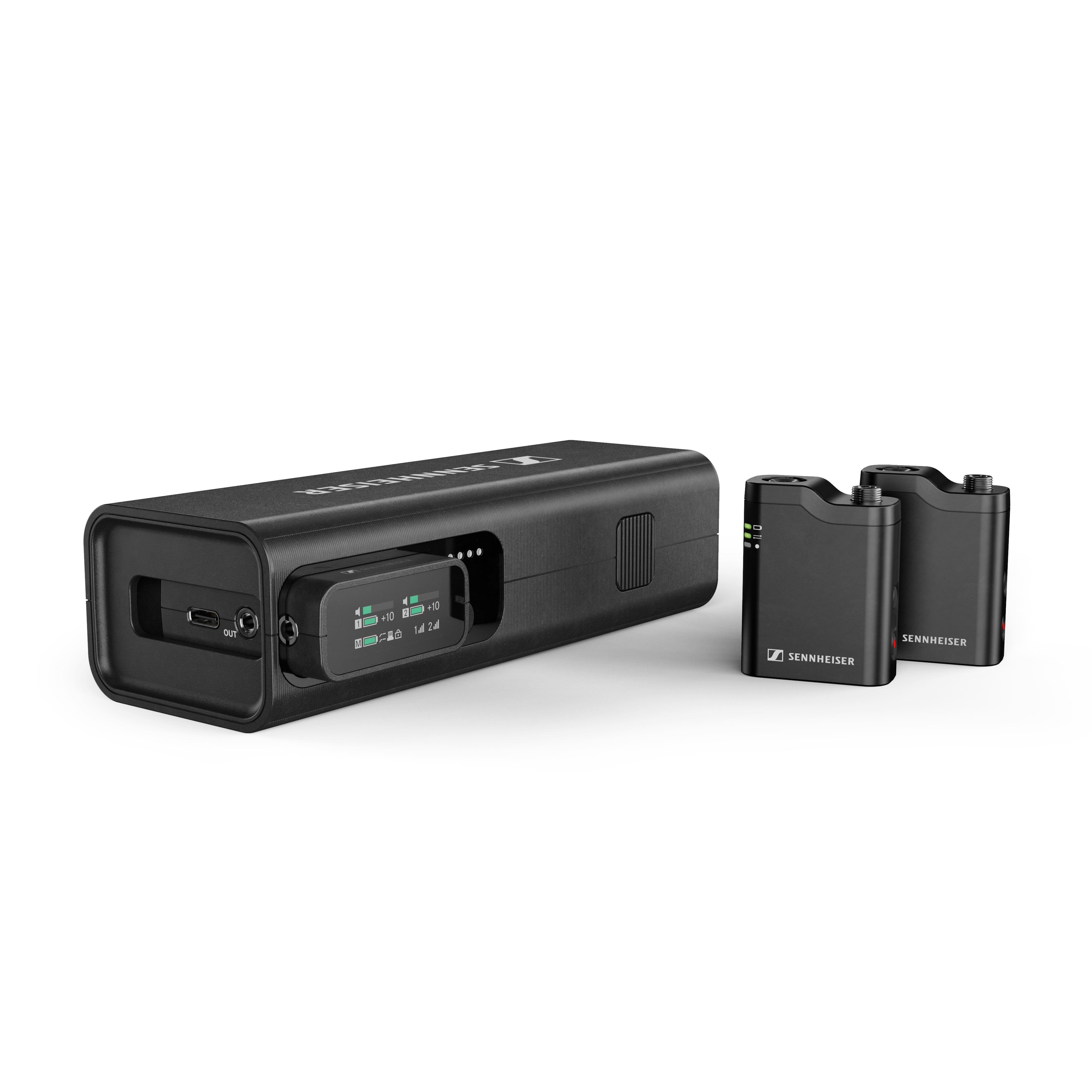
This type of two-person wireless setup is one of the most frequently recommended solutions for beginners because it balances quality, portability, and ease of use.
Are wireless lavalier systems better than on-camera microphones for beginners?
This is one of the most common search questions from new videographers. In many cases, yes—wireless lav or clip-on systems are better for interviews because the microphone sits much closer to the speaker's mouth. That usually means fuller, clearer voice capture and less room echo.
However, an on-camera directional microphone still has an important place in a beginner kit. If you are filming solo, working quickly, or capturing ambient sound with minimal setup, an on-camera mic can be much more convenient.
The Sennheiser MKE 200 Directional Microphone is a smart beginner choice for creators who want better sound than the camera's built-in mic without jumping straight into a wireless system.
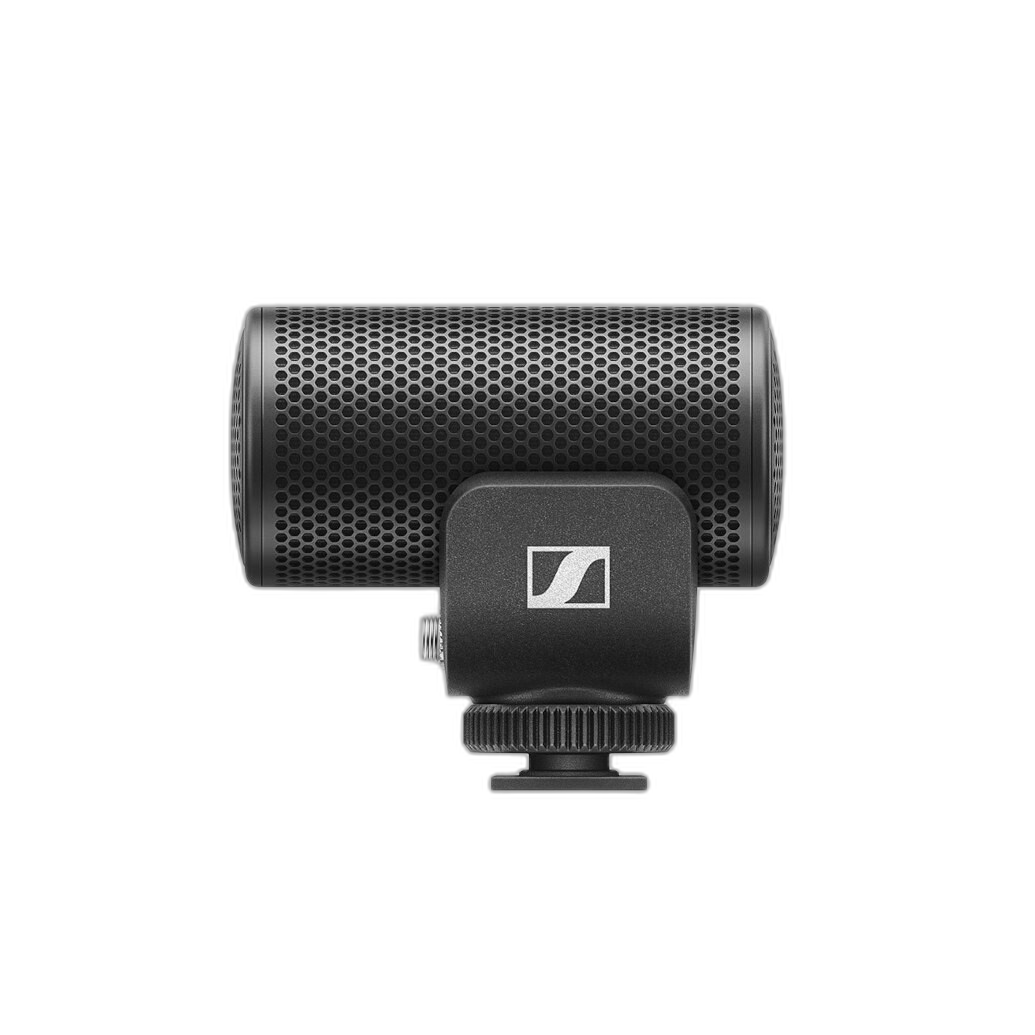
Best uses for an on-camera directional mic:
- Vlogging
- Walk-and-talk content
- Travel videography
- Quick B-roll shoots with ambient sound
- Single-operator documentary capture
Pros: Easy to mount, no talent mic placement required, lightweight, and simple for beginners.
Cons: The mic is farther from the subject, so audio usually will not sound as intimate or isolated as a lavalier or wireless clip-on setup in interviews.
If you want a more traditional shotgun-style option, the Sony ECM-VG1 Short Shotgun Microphone is another relevant direction for users building a camera-mounted or boom-ready audio kit.
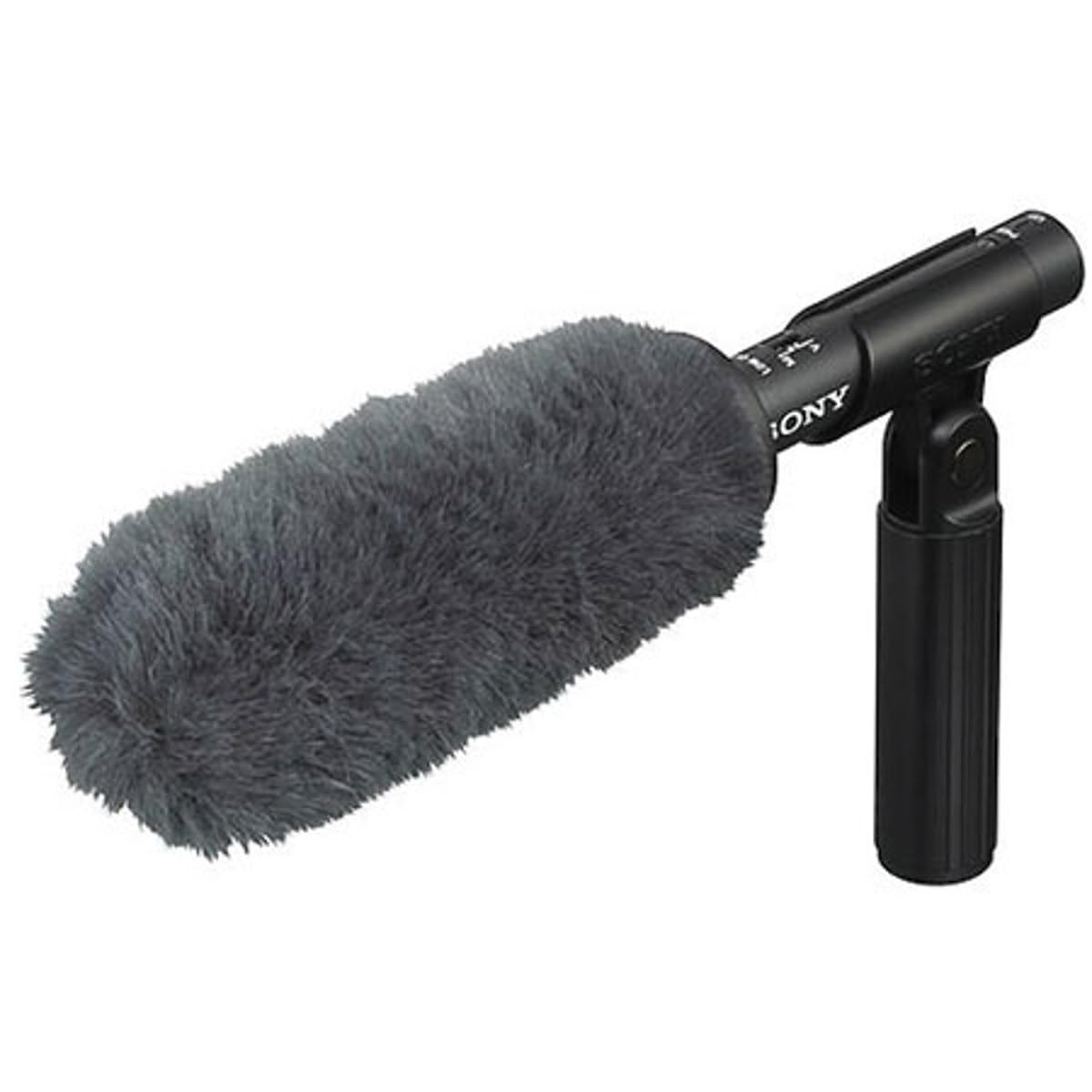
For beginners, the choice is not necessarily wireless or on-camera mic forever. Many creators start with one and later add the other for flexibility.
Best audio recorder setup for DSLR interviews and multi-mic productions
Some users prefer a more expandable workflow, especially when recording interviews with multiple people or when they want more control over gain staging and input options. In that case, a dedicated field recorder for video can be a better investment than relying on camera input alone.
The Tascam DR-70D 4-Channel Audio Recording Device for DSLR and Video Cameras is a classic example of a recorder that fits beginner-to-intermediate videography workflows.
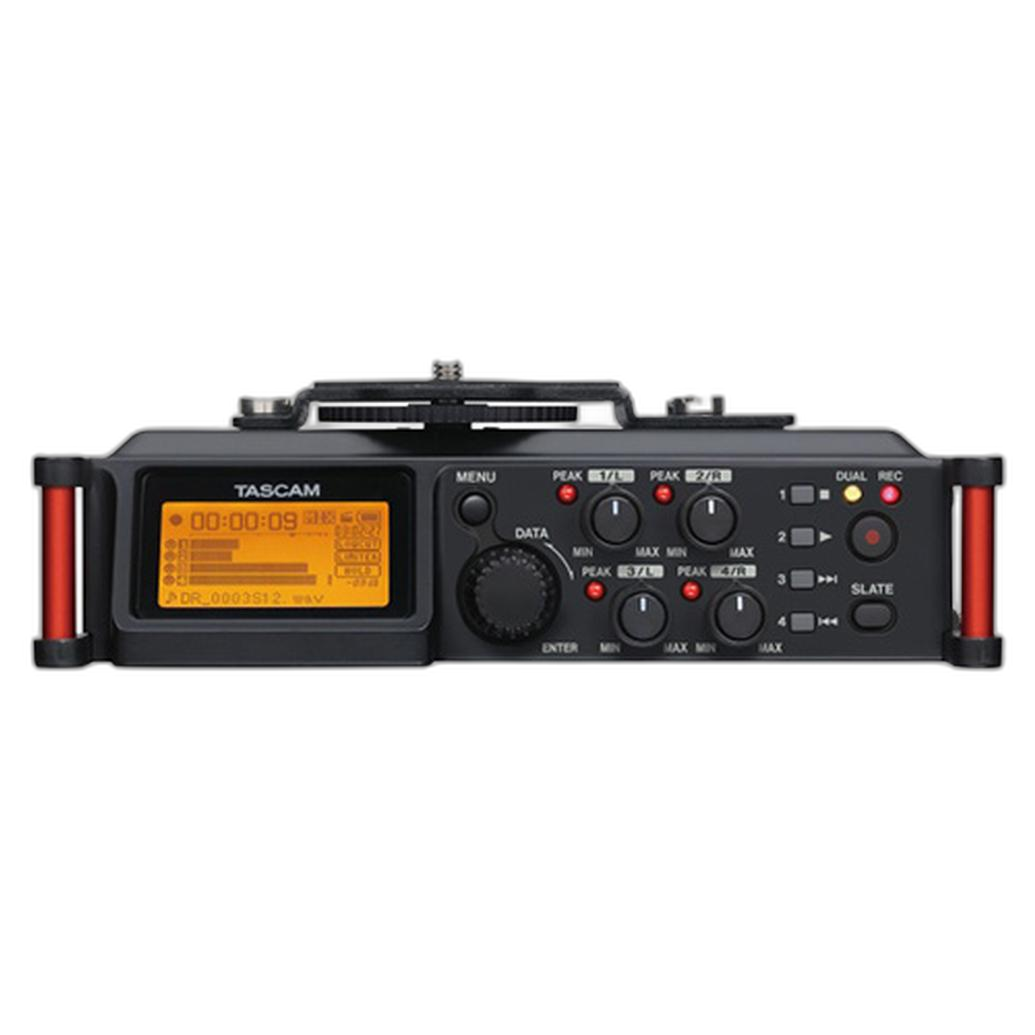
Why beginners grow into dedicated recorders:
- More input options for multiple microphones
- Better control over recording levels
- Flexible mounting with DSLR and video camera rigs
- Useful for interviews, podcasts on video, and documentary production
Pros: Greater control, room for expansion, support for more advanced workflows, and easier management of multiple audio sources.
Cons: More gear to carry, more setup time, and a slightly steeper learning curve. Beginners also need to understand syncing or routing audio properly in post or in-camera.
For users who know they will eventually work with multiple microphones, a recorder-based setup from Unique Photo can be a smart long-term decision.
Best beginner audio setup for on-location shoots
On-location production often brings wind, crowd noise, fast-moving subjects, and limited time. Beginners usually do best with a setup that is both reliable and quick to deploy.
Here are the most practical configurations for location work:
1. Compact wireless system for interviews on the go
A two-person wireless kit like the DJI Mic 3 or Sennheiser Profile system is often the easiest recommendation for event coverage, creator interviews, and documentary snippets.
Best for: Street interviews, wedding content, business testimonials, social video, and travel features.
2. On-camera directional mic for solo operators
A directional microphone such as the Sennheiser MKE 200 is excellent when you need to move quickly and do not want to mic every subject individually.
Best for: Run-and-gun vlogging, quick narration, and general-purpose outdoor shooting.
3. Recorder plus external mics for controlled field interviews
A recorder like the Tascam DR-70D works well when the production is still mobile but requires more than one mic source or cleaner signal management.
Best for: Documentary interviews, panel discussions, and branded content shoots with multiple speakers.
If you are filming in noisier environments and want to step up from basic wireless systems, the Saramonic K9-US Professional Dual Digital UHF Wireless Mic System may appeal to creators looking for a more robust wireless configuration.
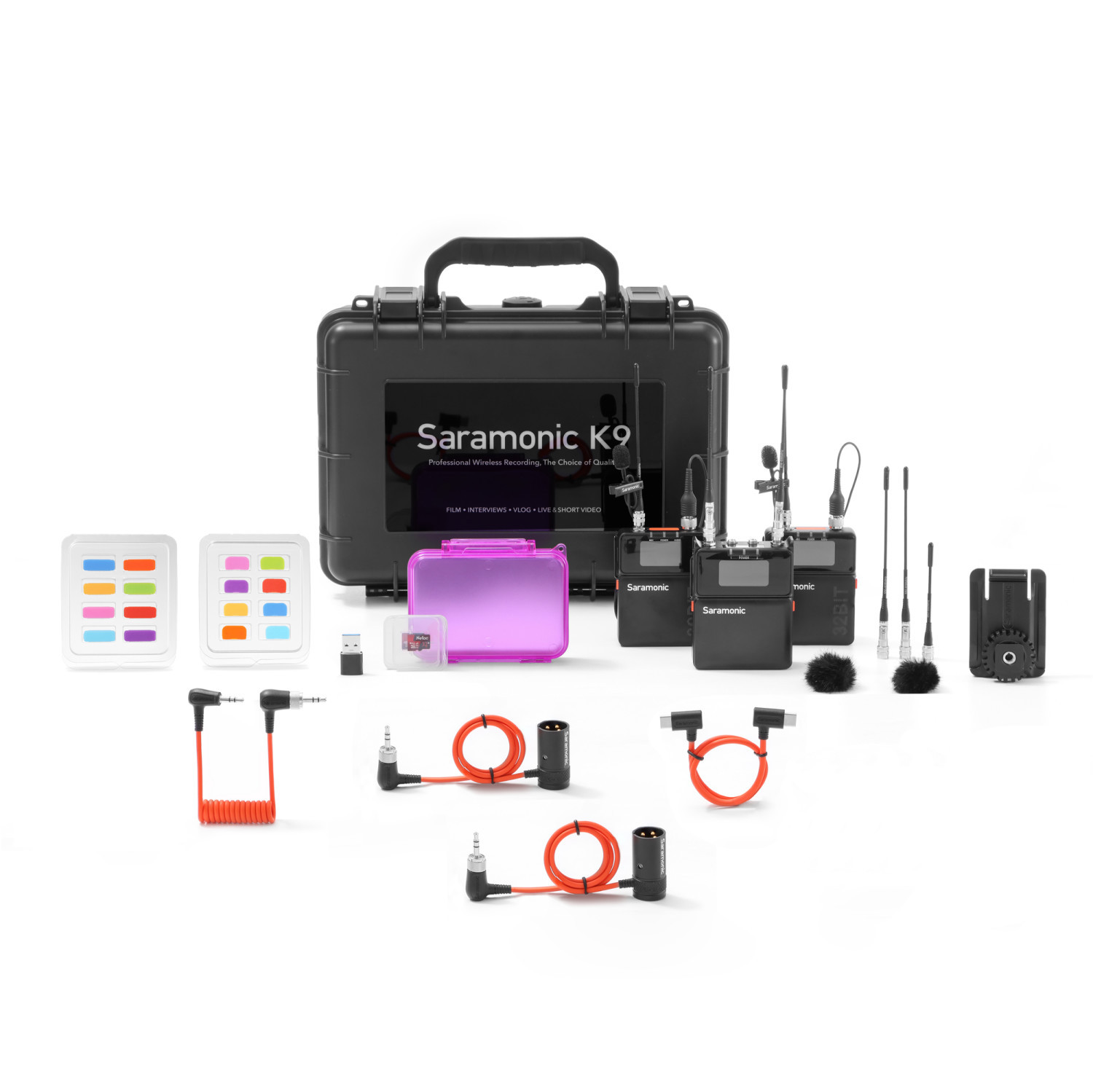
This style of system can be especially useful when users want a more production-oriented wireless approach while still maintaining mobility.
Handheld interview microphones vs clip-on wireless systems
Another popular question for videography beginners is whether to use a handheld interview microphone or a clip-on wireless solution. The answer depends heavily on presentation style.
The Rode Interview Pro Wireless Handheld Microphone is a compelling choice for creators producing presenter-led interviews, event coverage, and man-on-the-street content.
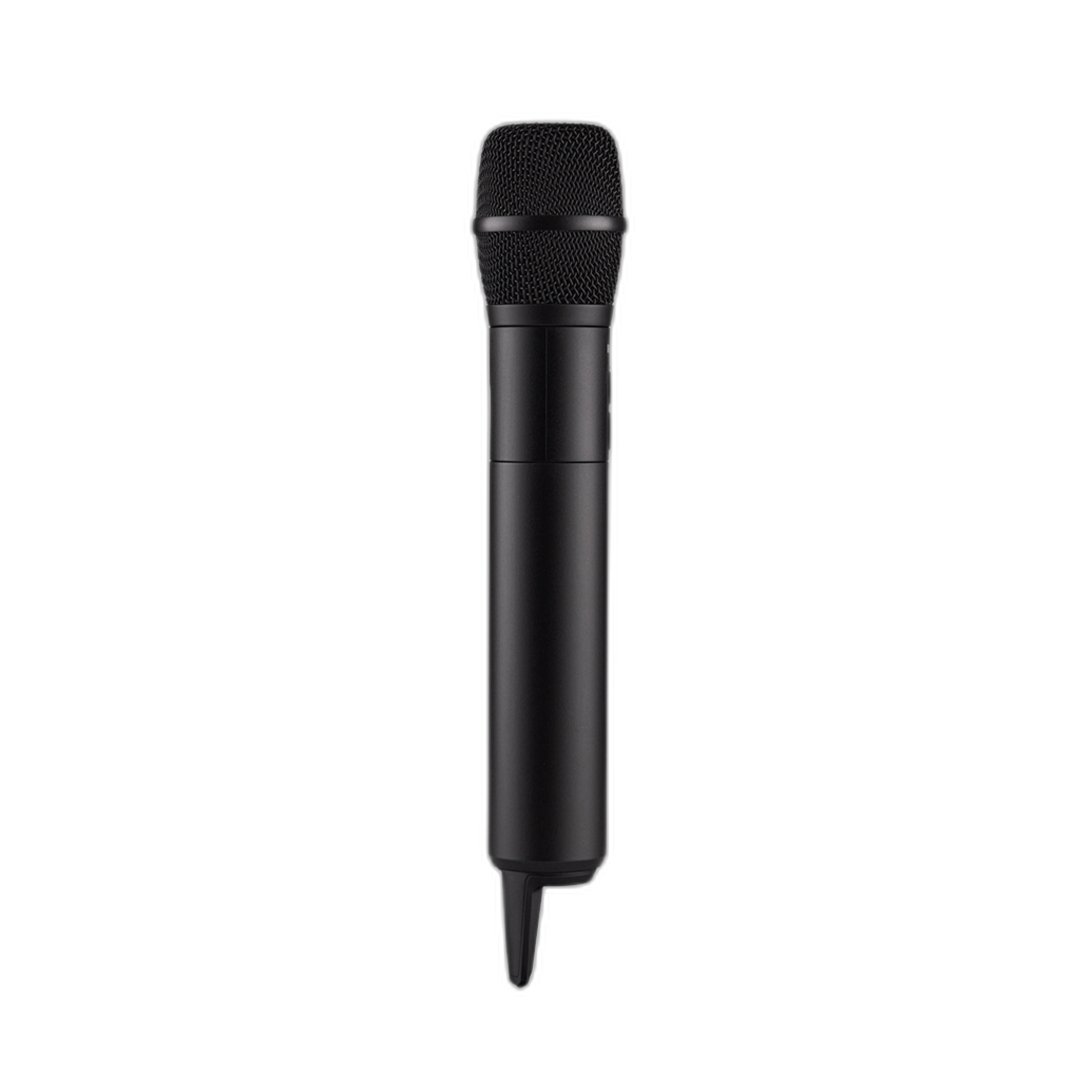
Why some users prefer handheld interview mics:
- They look professional on camera
- Guests intuitively know where to speak
- Great for trade shows, red carpets, and public-facing interviews
- Less concern about clothing noise compared with clip-on placement
Pros: Strong for hosted formats, easy guest use, and visually familiar in interview settings.
Cons: Someone has to hold it, and it may not fit every cinematic or documentary style. It is also less discreet than a lavalier system.
Budget-conscious shoppers browsing Unique Photo may also consider the Open Box Rode Interview Pro Wireless Handheld Microphone when available, especially if they want this format at a lower cost.
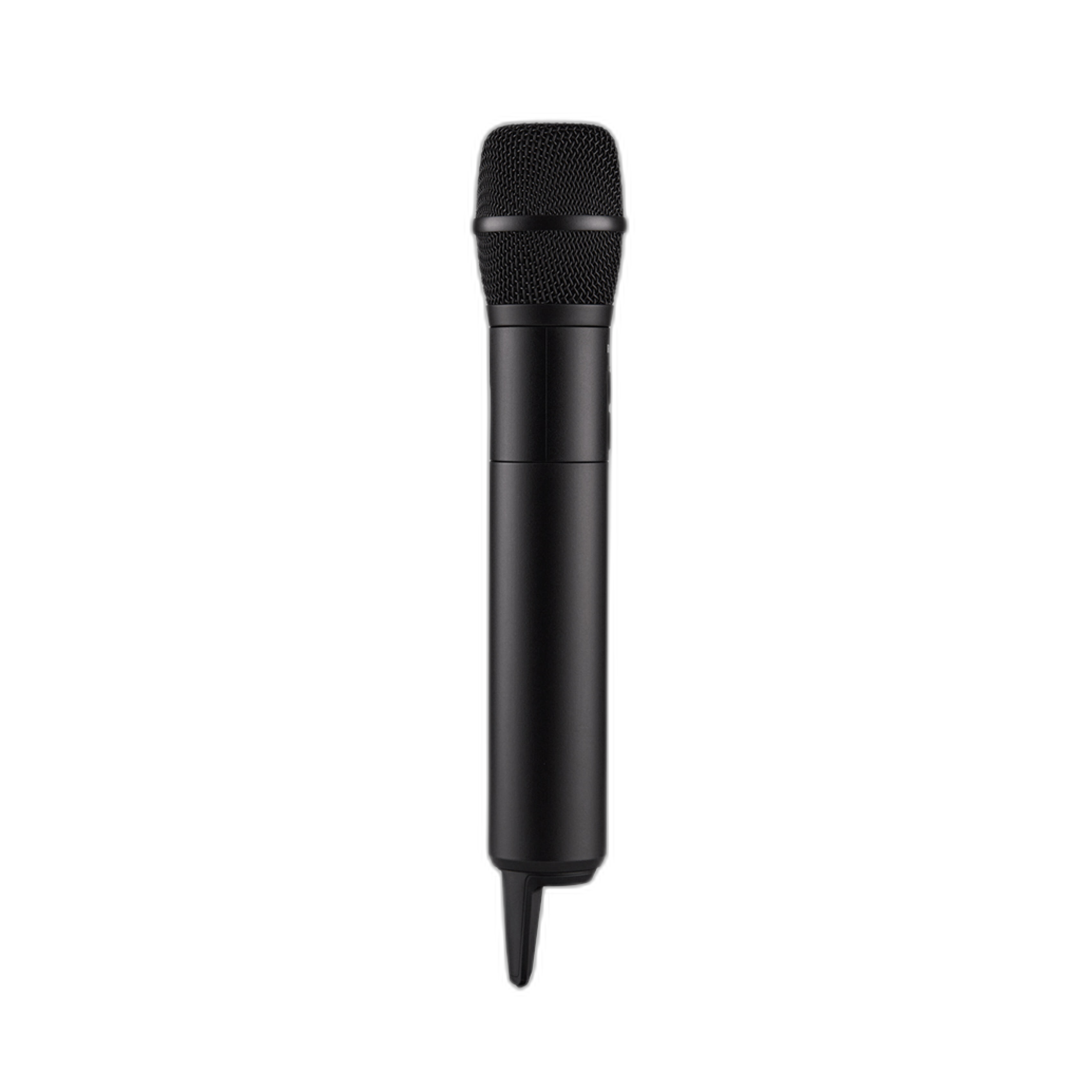
If your content is host-driven and public-facing, a handheld mic setup may actually be easier for beginners than lav placement.
Recommended beginner audio setups for different videography scenarios
To make the decision easier, here are common starter setups users often recommend:
Best beginner setup for YouTube interviews
- Two-person wireless system
- Optional on-camera directional mic for backup ambience
A DJI Mic 3 or Sennheiser Profile-style solution is often enough to get started.
Best beginner setup for solo videographers
- On-camera directional mic
- Optional wireless mic added later for sit-down interviews
This keeps the kit small and simple while improving sound over internal camera microphones.
Best beginner setup for documentary and branded content
- Wireless system for subjects
- Dedicated recorder for control and expansion
- Optional shotgun mic for ambient or backup audio
This is where the Tascam DR-70D paired with wireless tools becomes especially practical.
Best beginner setup for street interviews and event coverage
- Wireless handheld interview mic
- Camera-mounted mic for reference or ambient pickup
This is an easy-to-manage workflow when you need speed and a familiar interview presentation.
Common beginner audio mistakes to avoid
Even good equipment can produce disappointing results if the setup is rushed. Beginners should watch out for these common issues:
- Mic placement too far from the mouth: Distance kills clarity.
- No headphone monitoring: Always monitor when possible.
- Ignoring wind protection: Outdoor audio can fail quickly without it.
- Recording levels too high: Clipping cannot be repaired easily.
- No backup plan: A secondary source or onboard recording can save a shoot.
One reason many shoppers turn to Unique Photo for audio gear is that building the right kit is often about workflow, not just specs. A simpler setup you use correctly is usually better than a more advanced system you are not ready to manage.
How to choose the right beginner videography audio kit
If you are still unsure which route to take, use this simple framework:
- Choose a wireless clip-on system if you mainly shoot interviews, testimonials, and creator content.
- Choose an on-camera directional mic if you shoot solo and want fast, lightweight audio improvement.
- Choose a dedicated recorder if you need multiple inputs and plan to grow into more advanced productions.
- Choose a handheld wireless mic if you produce public interviews, hosted segments, or event coverage.
The best beginner-friendly audio setup is the one that matches your actual shooting style. For most new videographers, starting with either a two-person wireless mic kit or a compact directional on-camera microphone is the easiest path to better sound.
Final thoughts on beginner audio gear for videography
When users review and recommend beginner videography audio gear, the same conclusion comes up again and again: clear dialogue matters more than complicated equipment. A simple wireless kit can transform interview quality, an on-camera directional mic can dramatically improve everyday filming, and a dedicated recorder can unlock more professional workflows once you are ready.
Unique Photo is a great place to compare these options based on how you actually shoot. If you are building your first audio kit, consider exploring a compact wireless system like the DJI Mic 3 or Sennheiser Profile, a practical on-camera mic like the Sennheiser MKE 200, or a more expandable recorder-based setup with the Tascam DR-70D.
For internal linking suggestions, consider linking this article to related Unique Photo category or educational pages such as wireless microphones, shotgun microphones, audio recorders, and beginner guides for video accessories and content creator gear.