Beginner Camera FAQ 2024: Mirrorless vs DSLR and What to Buy First
Shopping for your first camera can feel overwhelming, especially when you are comparing older entry-level DSLR ideas with today’s mirrorless systems. At Unique Photo, the best choice for most beginners in 2024 is usually the one that balances budget, ease of use, and room to grow with better lenses over time.
While many first-time buyers start with a tight budget, it is still smart to think beyond the camera body itself. Features like autofocus, lens ecosystem, ergonomics, and the availability of quality used gear often matter more than chasing the longest spec sheet.
Is it still worth buying a DSLR as a beginner in 2024?
Yes, a DSLR can still be a practical beginner camera if your top priority is value and you find a well-priced body-and-lens kit. DSLRs remain capable tools for learning exposure, composition, and lens choice. That said, mirrorless cameras are now the more future-focused path for most new photographers because they offer better live view shooting, more advanced autofocus, and access to the newest lens development.
If you are starting from scratch and want the easiest transition into a modern system, mirrorless is usually the better long-term investment. Unique Photo often recommends looking at the current mirrorless ecosystem first, especially if you expect to upgrade over time instead of replacing everything later.
Should most beginners go straight to mirrorless?
For most people, yes. Mirrorless cameras make learning easier because what you see in the viewfinder or rear screen more closely matches your final image. That can help beginners understand exposure adjustments faster. Mirrorless systems also tend to offer stronger subject detection, eye autofocus, silent shooting options, and better video integration than older entry-level DSLR designs.
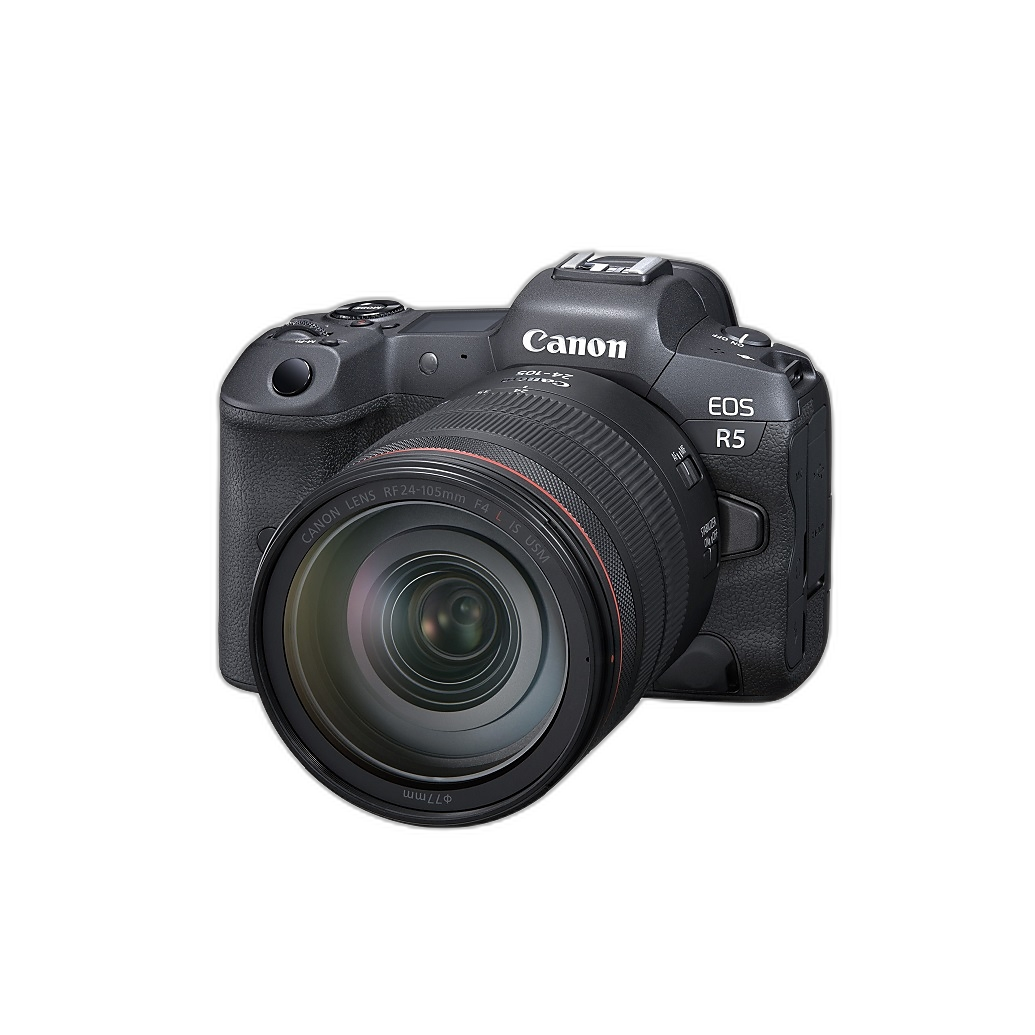
Even though some mirrorless models are premium products, they illustrate the advantages of the format clearly. Canon’s EOS R system, for example, shows how a modern mirrorless platform can support growth from beginner-friendly shooting modes all the way to advanced stills and video workflows. The Canon EOS R5 with 24-105mm lens is a great example of a highly versatile mirrorless setup with a useful zoom range for everyday photography.
What are the best value-for-money camera options under $800?
Under $800, value usually comes from used gear, prior-generation models, or simple kits with a standard zoom lens. In this price range, it is important to be realistic: you are generally shopping for a solid learning tool rather than a flagship body. The best values often come from cameras that leave room in your budget for an extra battery, memory card, and eventually a second lens.
For beginners on a strict budget, we recommend prioritizing these factors: a camera you enjoy holding, reliable autofocus for the type of subjects you shoot most, and access to affordable lenses. If your budget tops out around $800, the strongest play is often a used body paired with one practical lens instead of stretching for a new body that leaves no money for accessories.
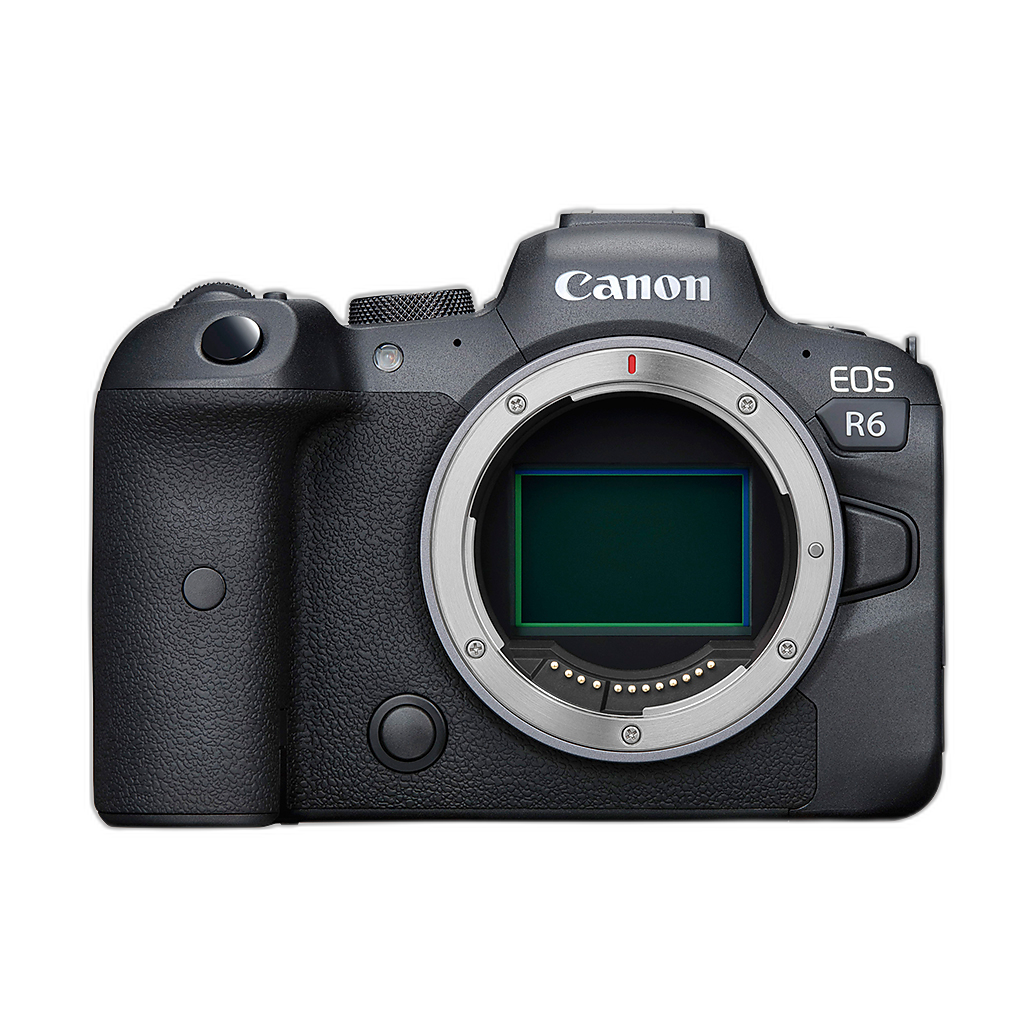
At Unique Photo, used mirrorless gear can be especially attractive because it gives new photographers access to more modern autofocus and handling without paying full new-retail pricing. A used option such as the Used Fair Canon EOS R6 can be a smart step-up choice for budget-conscious shoppers who want mirrorless benefits and are open to pre-owned equipment.
How important is lens selection when choosing your first camera?
Lens selection is extremely important. A camera body may change every few years, but lenses often stay in your bag much longer. When beginners focus only on the body, they can end up in a system that feels limiting or expensive when it is time to add a portrait lens, telephoto zoom, or lightweight walkaround option.
A strong beginner setup usually starts with a standard zoom because it covers wide, normal, and short telephoto perspectives in one lens. That is one reason a kit such as the Canon EOS R5 with 24-105mm lens stands out conceptually: it demonstrates how useful a general-purpose zoom can be for travel, family, landscapes, and learning what focal lengths you actually use most. Once you know your habits, adding a prime lens or telephoto becomes much easier.
If you know you want to grow into a system, choose a mount with a healthy lens roadmap and dependable support. At Unique Photo, we often help customers think through not just the first purchase, but the next two or three lenses they may eventually want.
Are used cameras a good idea for someone just learning?
Absolutely, as long as you buy from a trusted retailer that evaluates condition accurately. Used cameras can offer excellent value for beginners because they reduce the financial pressure of getting started. That can free up budget for the gear that often improves the experience most, such as a better lens, a comfortable strap, or an extra battery.
The biggest advantage of buying used from a reputable source is confidence. A properly graded pre-owned camera gives you a clearer idea of cosmetic condition and expected performance than a random peer-to-peer listing. For many first-time buyers, that peace of mind is worth a great deal.
A camera like the Used Fair Canon EOS R6 is a good example of how shopping used can open the door to a more advanced mirrorless experience at a more approachable price point. Rather than settling for a brand-new but very limited body, some learners benefit more from a capable used model with better autofocus and stronger overall performance.
Should a beginner buy body-only or a camera kit with a lens?
Most beginners should start with a kit or a body paired with a standard zoom. Buying body-only usually makes more sense for photographers who already own lenses or know exactly what lens they want. If you are new to interchangeable-lens cameras, a bundled lens is often the simplest and most cost-effective way to begin shooting right away.
A package with a flexible zoom lens helps you discover your preferences. You may think you want portraits, then realize you enjoy landscapes and street photography more. A versatile starter lens gives you time to learn before making a more specialized lens purchase.
That is why a setup such as the Canon EOS R5 with 24-105mm lens is a useful example of the all-in-one approach. Even if that specific model is a premium option, the buying logic is sound for beginners at every budget level: start with a lens that does many things well, then expand based on real-world use.
How much camera do beginners really need?
Beginners usually need less camera than they think and a better lens than they expect. Expensive flagship bodies are impressive, but they are often built for professionals who need top-tier speed, weather sealing, high-end video tools, or extreme durability. New photographers are often better served by a camera that feels intuitive and leaves room in the budget for lenses and practice.
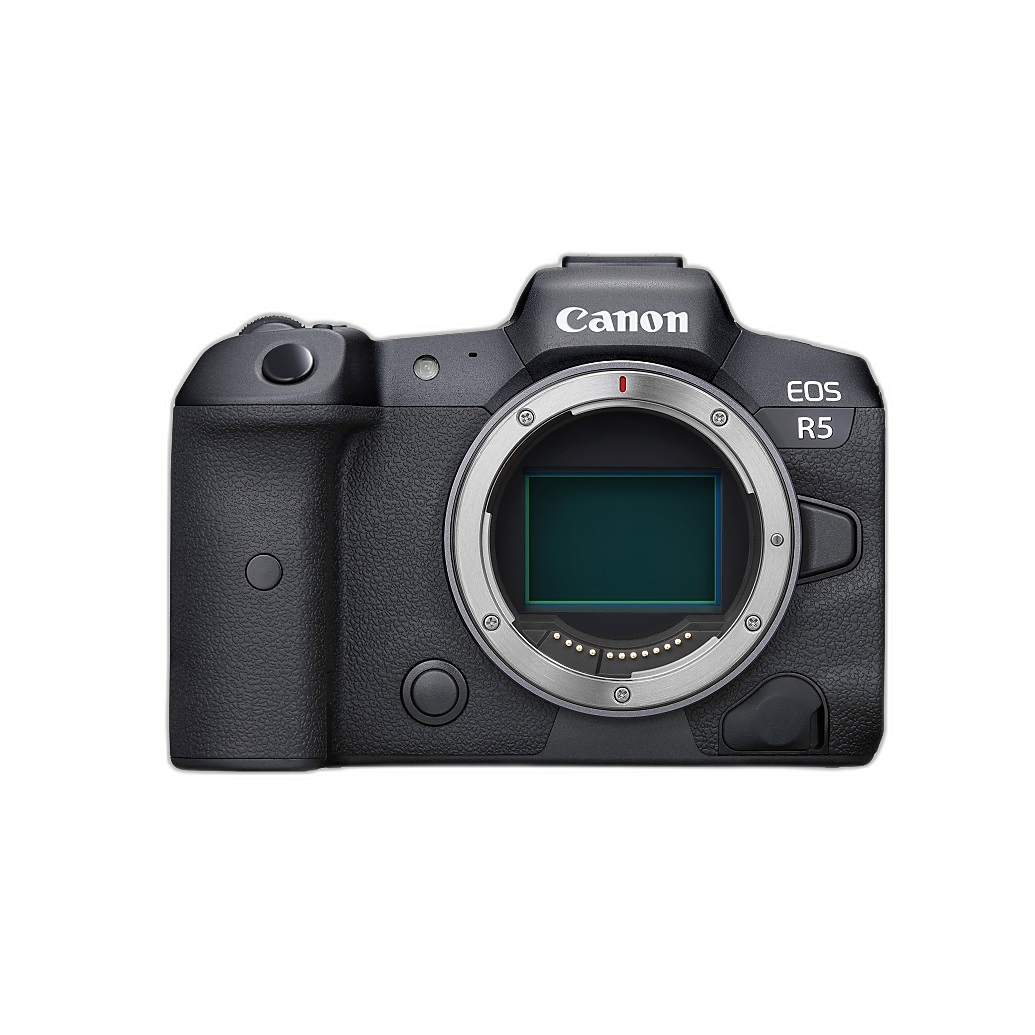
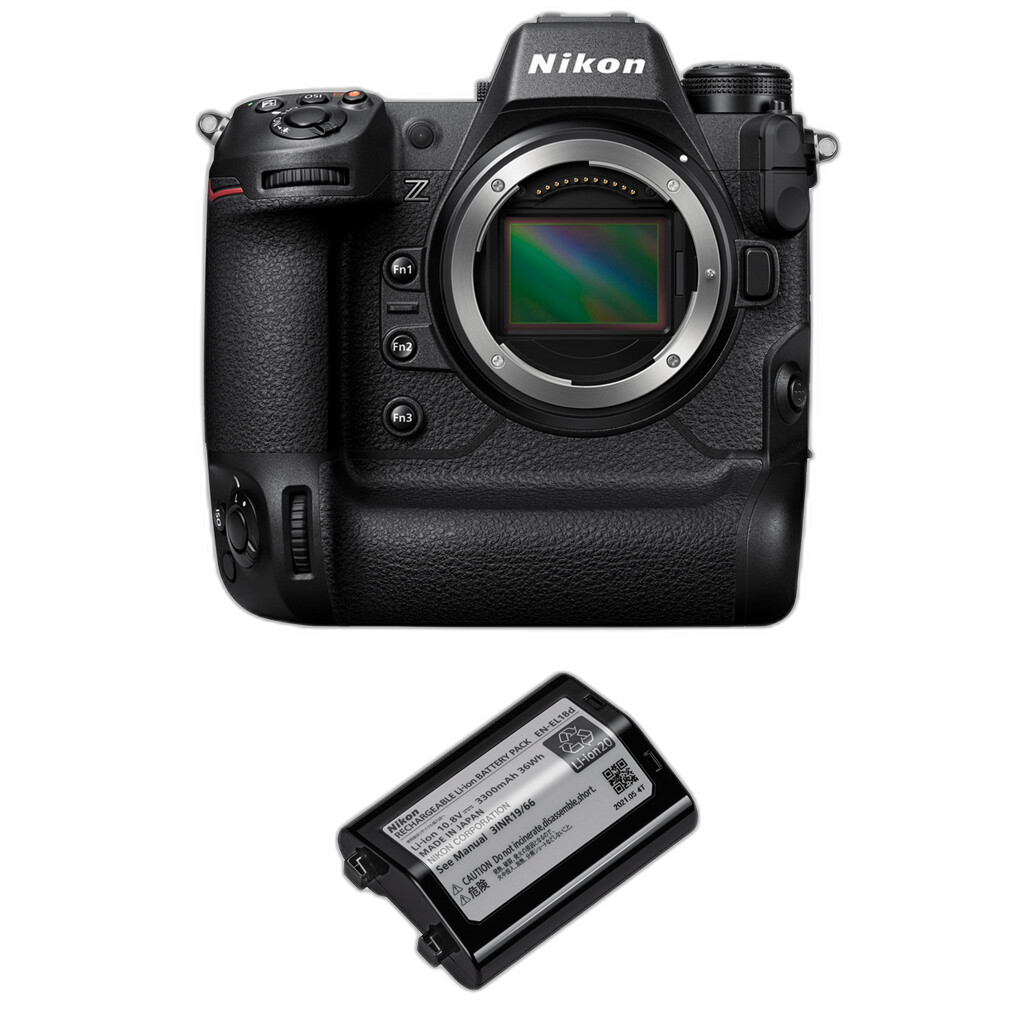
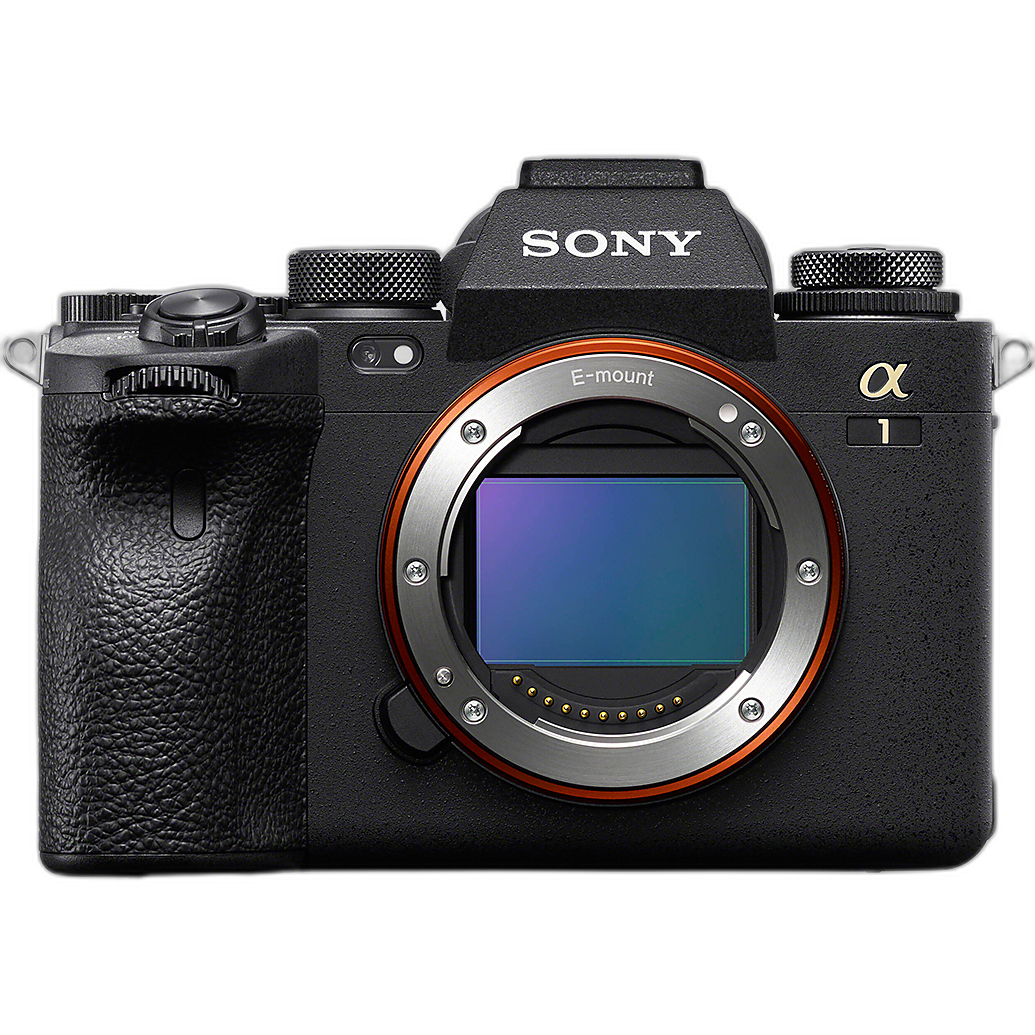
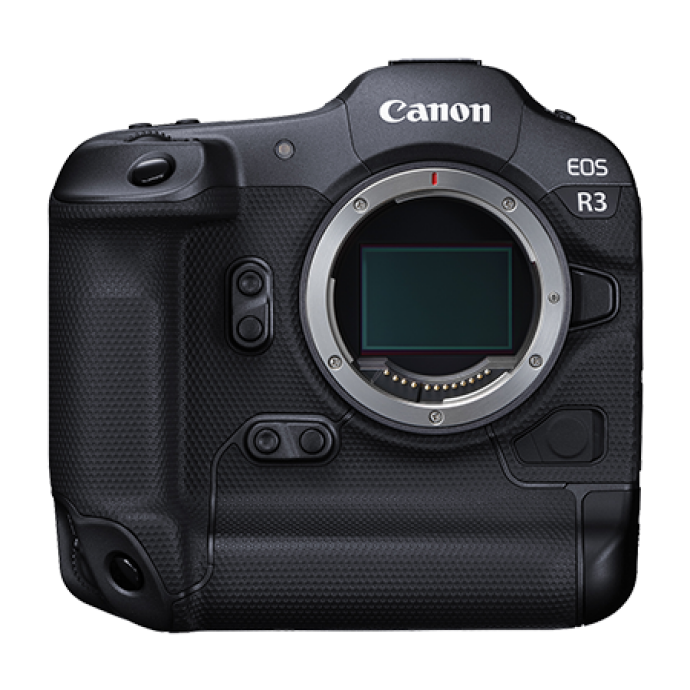
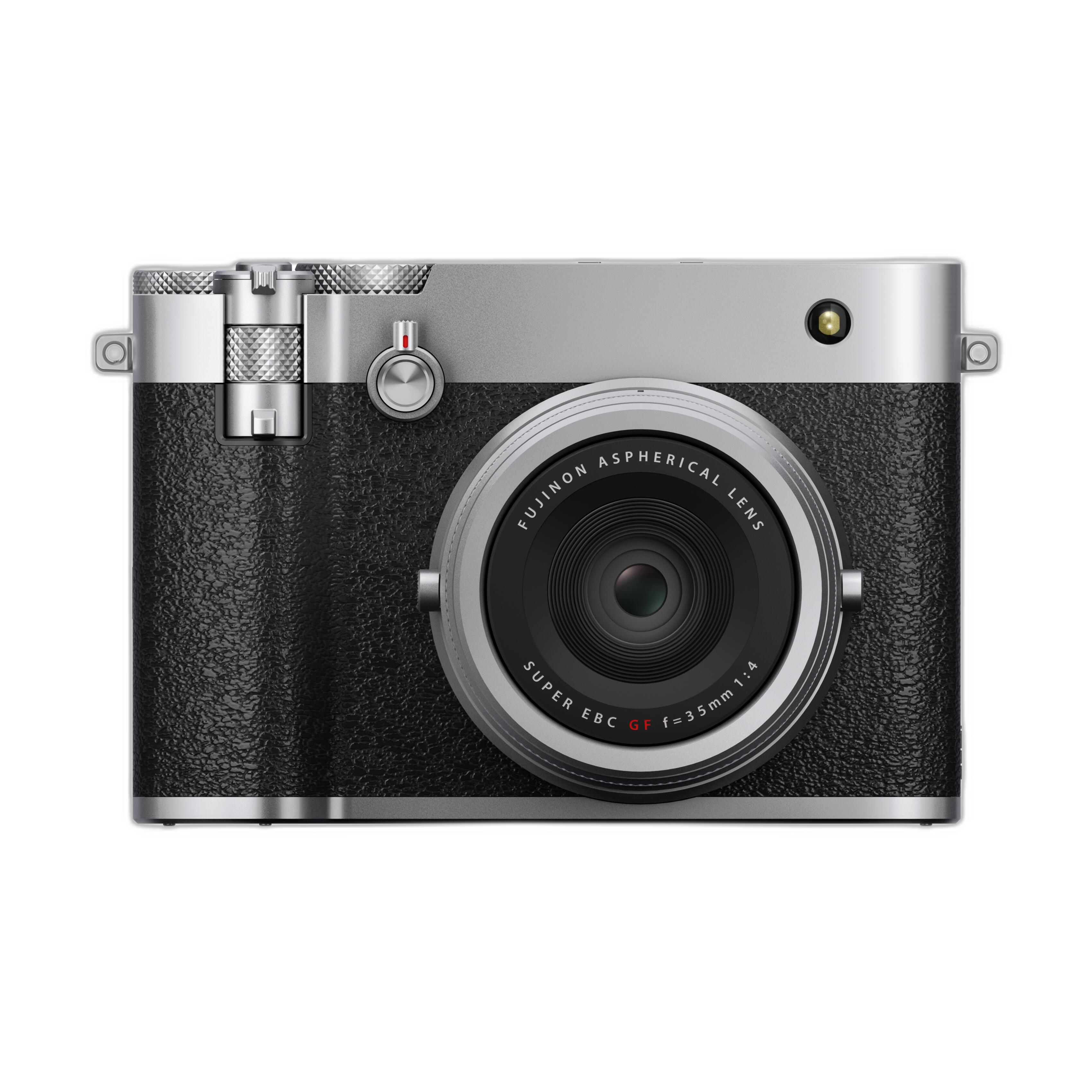
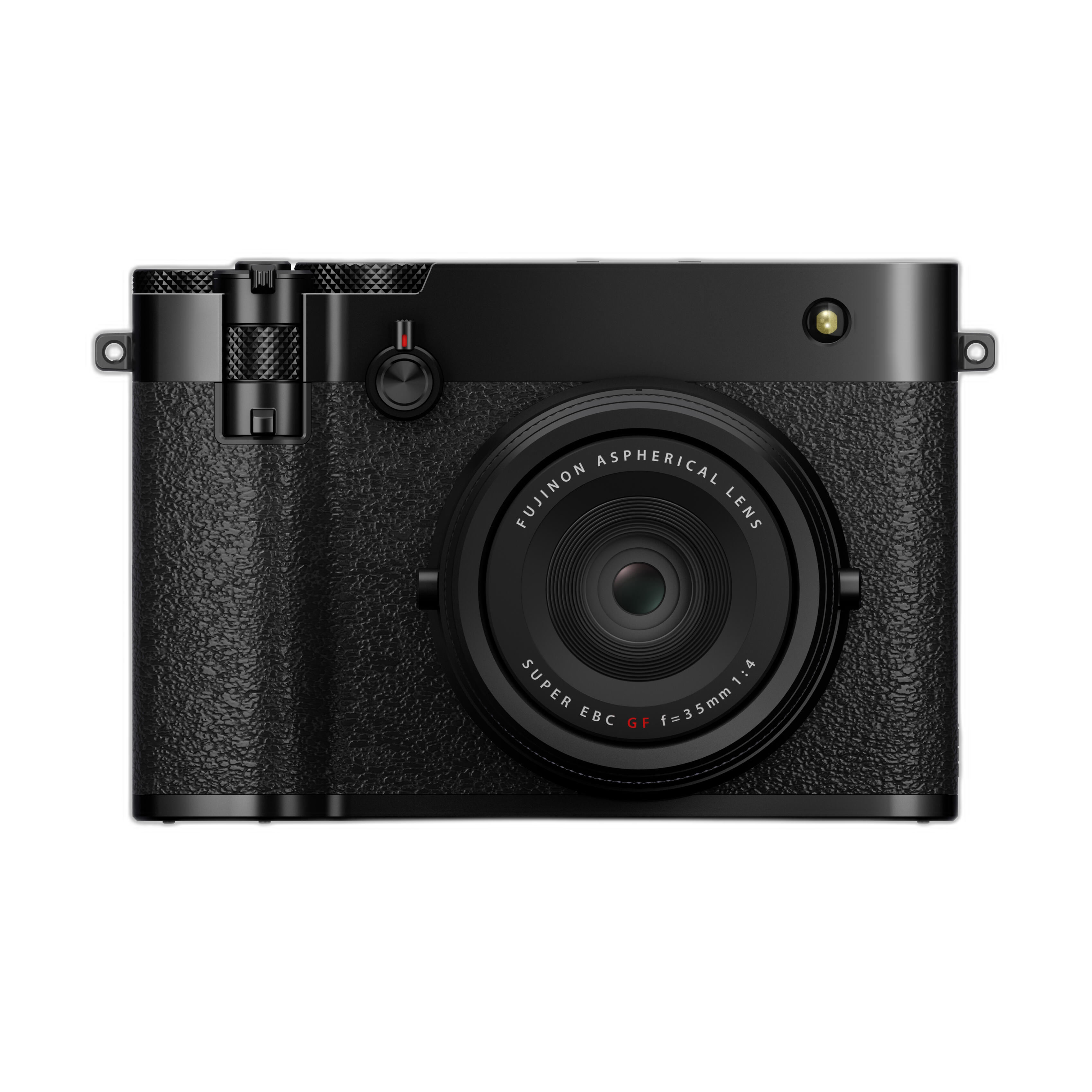
For example, cameras like the Canon EOS R5 body, Canon EOS R3, Nikon Z9, Sony Alpha a1, and Fujifilm GFX100RF are excellent high-performance mirrorless cameras, but they sit well above typical beginner needs and beginner budgets. They are useful reminders, however, of where modern mirrorless systems can eventually lead if you continue growing in the hobby or move into professional work.
What if I want a camera system I can grow into for years?
If long-term growth matters, choose a system with a strong lens lineup, good accessory support, and a clear upgrade path. Canon RF, Nikon Z, Sony E, and Fujifilm mirrorless systems all offer room to expand, but the right choice depends on your interests. Wildlife and sports shooters may prioritize autofocus and telephoto options. Travel and lifestyle photographers may care more about compact lenses and portability. Portrait shooters may prioritize prime lens selection.
At the premium end, cameras like the Canon EOS R3, Nikon Z9, and Sony Alpha a1 highlight the depth of today’s mirrorless ecosystems. For photographers interested in high-resolution image quality in a more specialized format, the Fujifilm GFX100RF also represents a distinct creative path.
What is the smartest first step if I am overwhelmed?
Start by narrowing your budget, then decide whether you are open to used gear. After that, think about what you actually want to photograph in your first six months: family, travel, pets, sports, landscapes, or video. Those answers will steer you toward the right balance of body features and lens options much faster than comparing specs line by line.
If you are unsure, ask for help from experts who can match your goals to a realistic setup. At Unique Photo, we can help you compare mirrorless and DSLR options, weigh the pros and cons of buying used, and build a first camera kit that makes sense for how you plan to shoot now and in the future.
Whether you are looking for a budget-friendly starting point or planning a long-term mirrorless system, Unique Photo is here to help you choose with confidence and start shooting sooner.