If you want that natural, believable documentary film look without overspending, this guide is for you. Documentary-style lighting is less about flashy setups and more about creating soft, motivated light that feels true to the scene. For indie filmmakers, hybrid shooters, students, content creators, and anyone building a budget-conscious lighting approach, the right education can be just as valuable as the gear itself. The products below are affordable ways to sharpen your lighting instincts, learn key techniques, and build a practical documentary-style kit around real-world workflows.
Because documentary lighting often needs to be fast, lightweight, and adaptable, we focused on learning resources that help you understand key light placement, shaping light quickly, and working in uncontrolled environments. If you are trying to get cinematic results from compact LEDs, practicals, reflectors, or a minimal crew setup, these are strong places to start.
What to Look for in Affordable Documentary Lighting Guidance
When shopping for an affordable documentary-style lighting solution, think beyond raw wattage. You want techniques that help you work efficiently and keep your scenes feeling authentic.
- Fast setup: Documentary shoots often move quickly, so simple lighting patterns matter.
- Natural-looking output: Soft, directional light usually works best for interviews, vérité, and on-location work.
- Small-footprint control: Knowing how to shape one or two lights is often more useful than owning a large kit.
- Adaptability: You may be balancing ambient light, windows, practicals, or mixed color temperatures.
- Education value: Strong instruction can save you money by helping you get more out of affordable fixtures.
Quick Comparison
| Product | Best For | Why It Fits Documentary Style | Value |
|---|---|---|---|
| CS: Key Lighting Methods with Mark Raker (Nanlite) | Beginners to intermediate filmmakers | Focuses on key lighting fundamentals that translate directly to interviews and cinematic nonfiction work | Excellent |
| Portrait Lighting Made Easy with Joel Grimes (Westcott) | Creators wanting soft, flattering subject lighting | Useful for sit-down interviews, character portraits, and controlled documentary setups | Very Good |
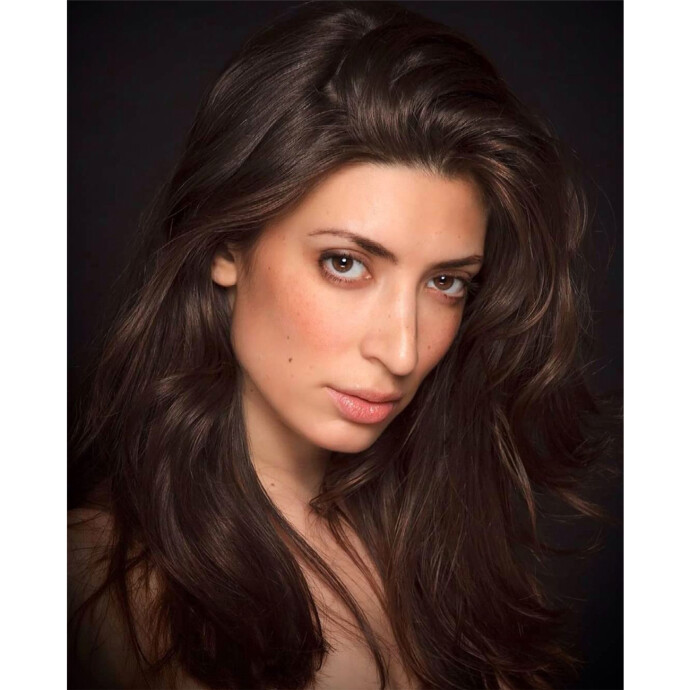
| Posing and Lighting Bootcamp: Reception Lighting w. Magda and Simon (Philly) | Run-and-gun shooters in mixed or difficult lighting | Helpful for learning quick adaptation in unpredictable real-world environments | Good |
Our Pick
CS: Key Lighting Methods with Mark Raker (Nanlite) is our top recommendation for most shoppers pursuing an affordable documentary film style. It is the best fit for understanding how to build clean, motivated key light in a way that feels cinematic but practical. If you are using entry-level or midrange LED lights, this kind of foundational instruction will help you get better results immediately.
Recommended Products
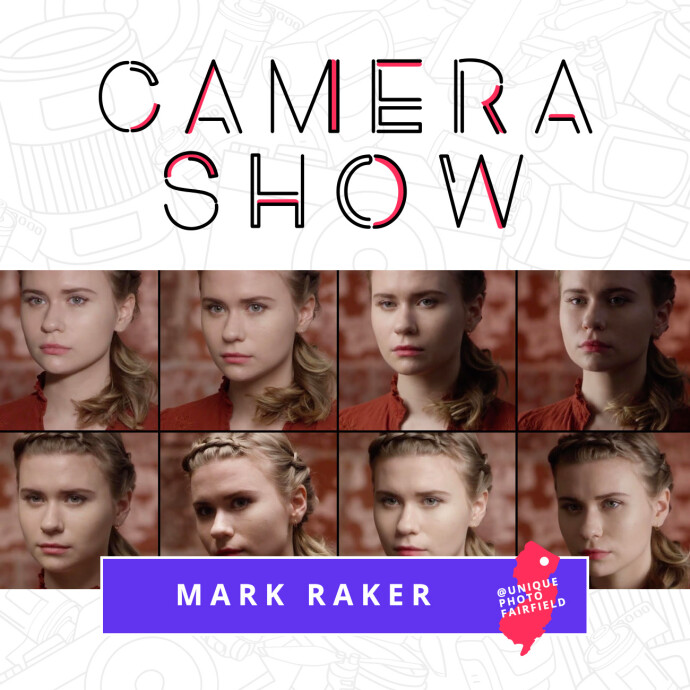
CS: Key Lighting Methods with Mark Raker (Nanlite)
For documentary filmmakers, key lighting is everything. Whether you are lighting an interview subject, building shape on a face in a small room, or trying to elevate a simple one-light setup, understanding key light placement and quality is essential. This course is the most direct match for shooters trying to create a believable nonfiction look on a budget.
What makes it especially relevant is its practical nature. Documentary-style cinematography often depends on subtle control rather than dramatic over-lighting. Learning how to establish a motivated key, maintain realism, and preserve depth can make even a modest lighting kit look much more expensive.
Best for: interview setups, small crews, indie docs, YouTube documentary content, and filmmakers building foundational lighting skills.
Why buy: If you can only choose one learning resource here, this is the strongest all-around starting point for documentary-style lighting technique.
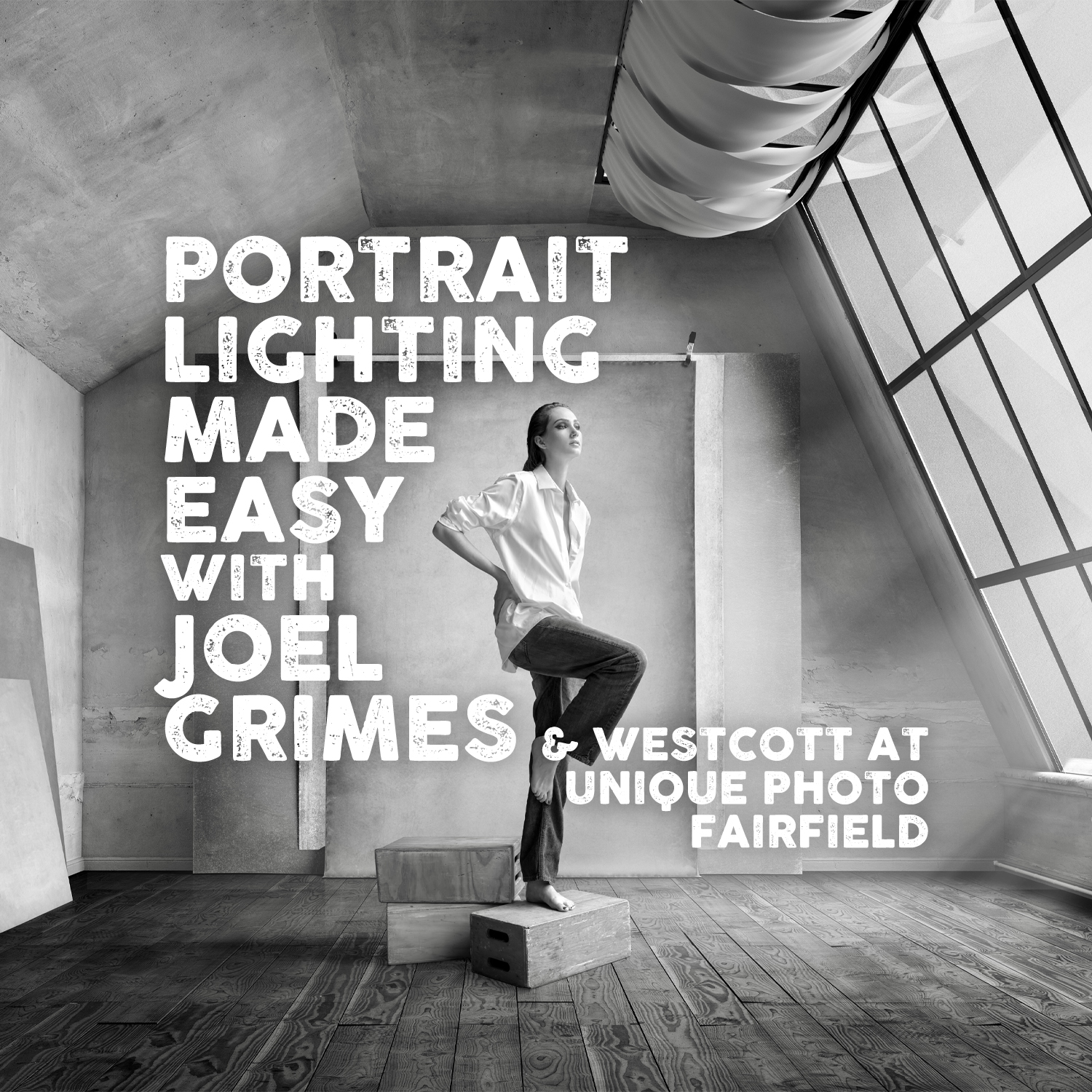
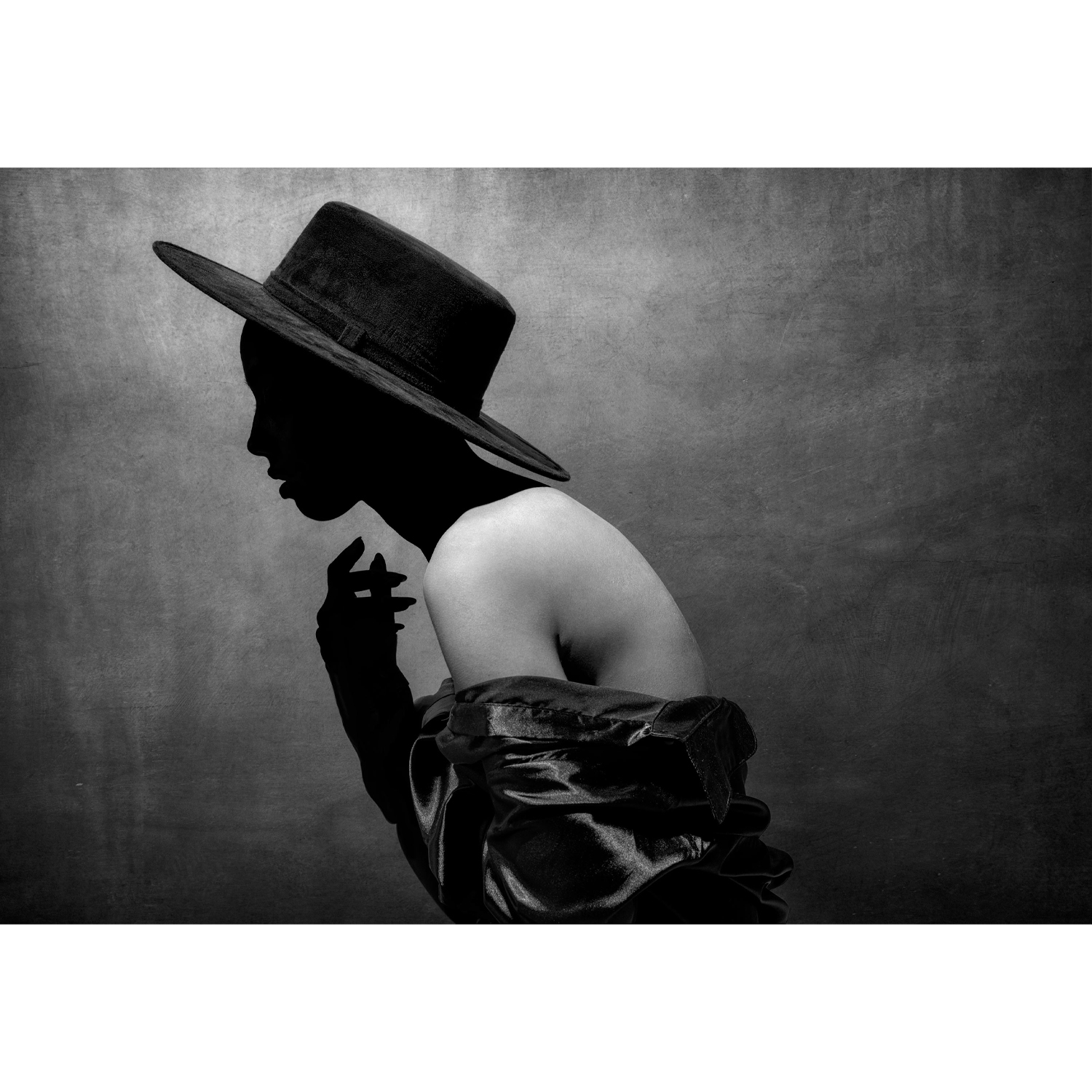
Portrait Lighting Made Easy with Joel Grimes (Westcott)
Although portrait lighting may sound more still-photo focused, the overlap with documentary filmmaking is significant. Sit-down interviews, environmental portraits, branded documentary segments, and talking-head sequences all benefit from flattering but natural light. This resource helps you understand how to shape a subject cleanly and efficiently.
For budget-minded filmmakers, that matters because good lighting technique often lets you work with fewer fixtures. Instead of buying more lights, you can learn how to position one light better, use fill more intentionally, and create separation without making the shot feel artificial.
Best for: interview filmmakers, solo shooters, corporate doc creators, and anyone who needs polished subject lighting without a big crew.
Why buy: It is a smart choice if your version of documentary work includes interviews, profiles, or character-driven storytelling.
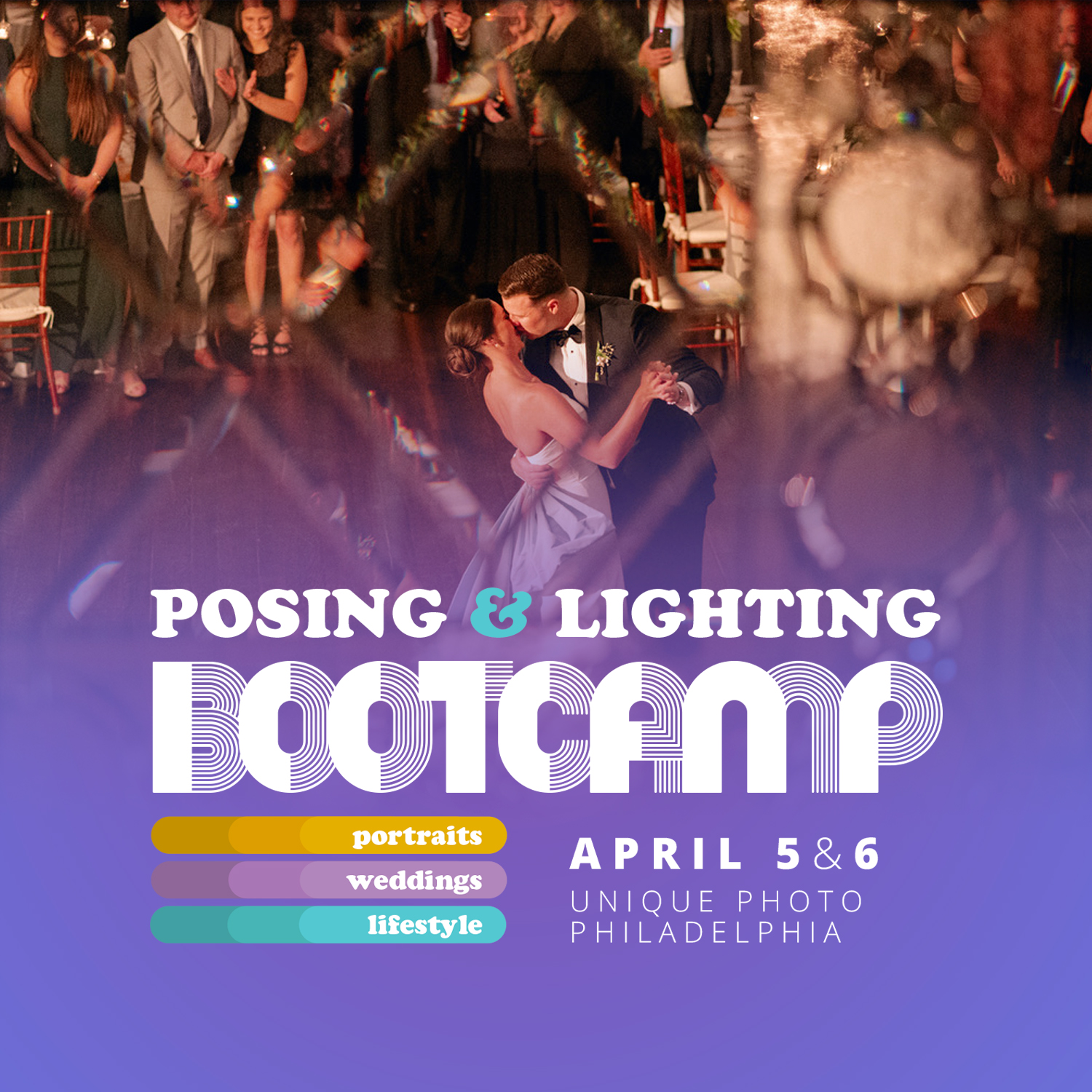
Posing and Lighting Bootcamp: Reception Lighting w. Magda and Simon (Philly)
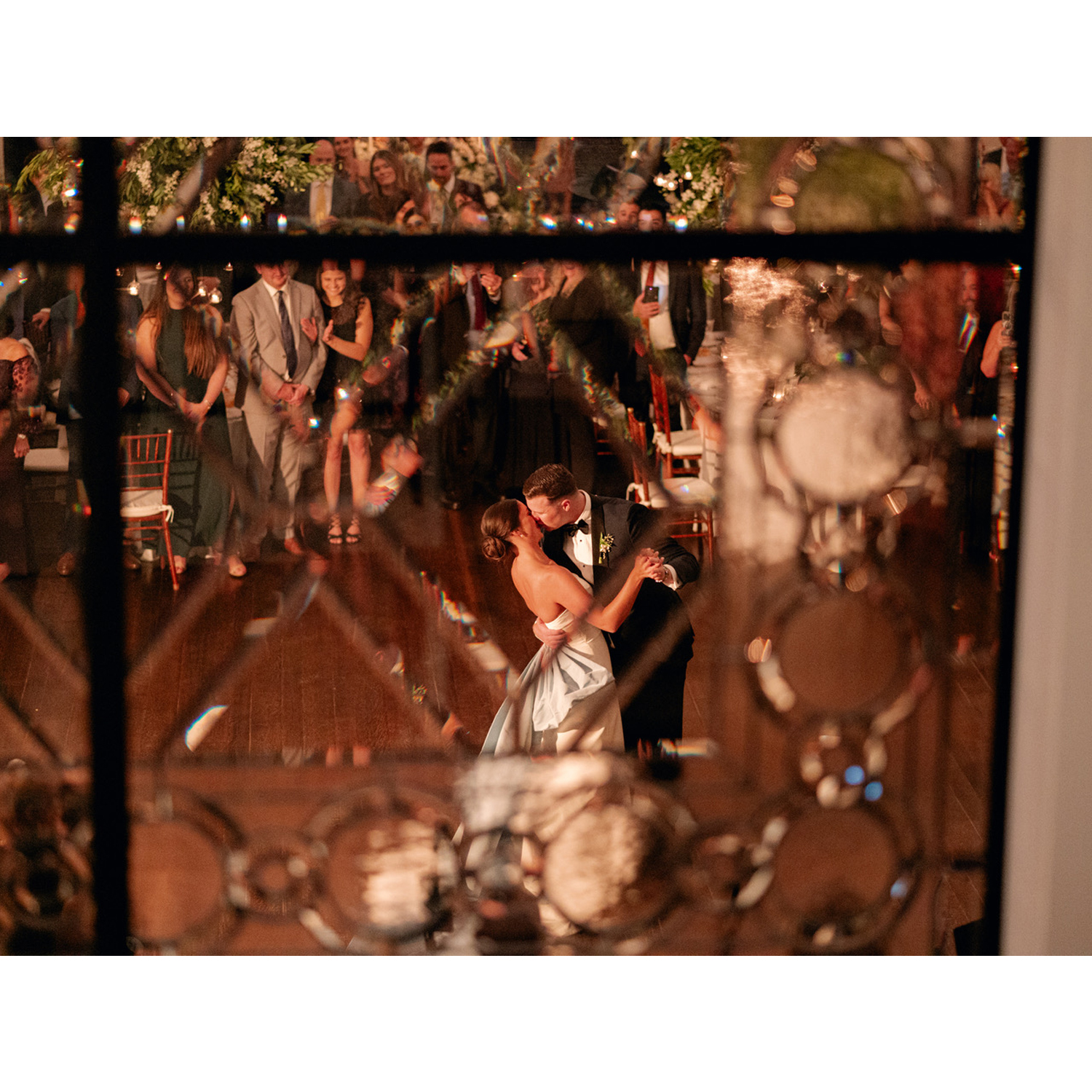
This option is less directly aimed at documentary filmmaking, but it is still useful for shooters who regularly work in uncontrolled or rapidly changing lighting conditions. Reception-style environments can be chaotic, dim, mixed in color temperature, and full of practical sources. Those same challenges show up in event documentaries, behind-the-scenes work, and vérité-style coverage.
If your documentary style leans toward available light plus quick augmentation, there is value here. You can learn how experienced image-makers respond when conditions are less than ideal, which is often exactly what happens on real documentary productions.
Best for: event doc shooters, wedding-documentary hybrids, run-and-gun filmmakers, and creators working in mixed light.
Why buy: It is a useful supplement if your shoots happen in fast-paced real-world spaces where perfect control is not possible.
How to Build an Affordable Documentary Lighting Kit Around These Lessons
Once you have the right instruction, you can build a surprisingly capable documentary lighting setup without going overboard. A practical entry-level kit often includes:
- One compact LED as your key light
- One small bi-color or RGB accent/background light
- A lightweight stand setup
- A softbox or umbrella for diffusion
- A 5-in-1 reflector for fill or negative fill
- Clamps or basic modifiers for shaping spill
The key is knowing how to use these tools efficiently. In documentary filmmaking, one soft key paired with intentional use of ambient light can create an expensive-looking image. The educational products above help you make smarter choices with limited gear, which is exactly how many filmmakers stay affordable while improving production value.
Which One Should You Choose?
If you want the most relevant and immediately useful option for documentary film style, choose CS: Key Lighting Methods with Mark Raker (Nanlite). It offers the clearest connection to cinematic key lighting and practical nonfiction setups.
If your work centers on interviews and human subjects, Portrait Lighting Made Easy with Joel Grimes (Westcott) is an excellent companion choice.
If you often shoot in difficult live environments and need to adapt quickly, Posing and Lighting Bootcamp: Reception Lighting w. Magda and Simon (Philly) adds valuable real-world problem-solving perspective.
Conclusion
Affordable documentary lighting is not just about buying more equipment. It is about learning how to create natural, motivated, flexible light with the tools you already have or plan to buy. For most creators, CS: Key Lighting Methods with Mark Raker (Nanlite) is the best place to begin, with Portrait Lighting Made Easy with Joel Grimes (Westcott) close behind for interview-focused shooters. If you are ready to improve your documentary film style on a budget, Unique Photo is a smart place to shop for both lighting education and the gear to put those lessons into practice.