Why portraits love affordable primes
You don’t need a premium, ultra-fast lens to make stunning portraits. With a smart pick in the $100–$500 range, you can get creamy backgrounds, flattering perspective, and reliable autofocus. Here’s how to choose the right budget lens for your system and style, plus a few ways to stretch your dollars further.
Budget-friendly tips and lens picks
Start with a 50mm f/1.8 for unbeatable value
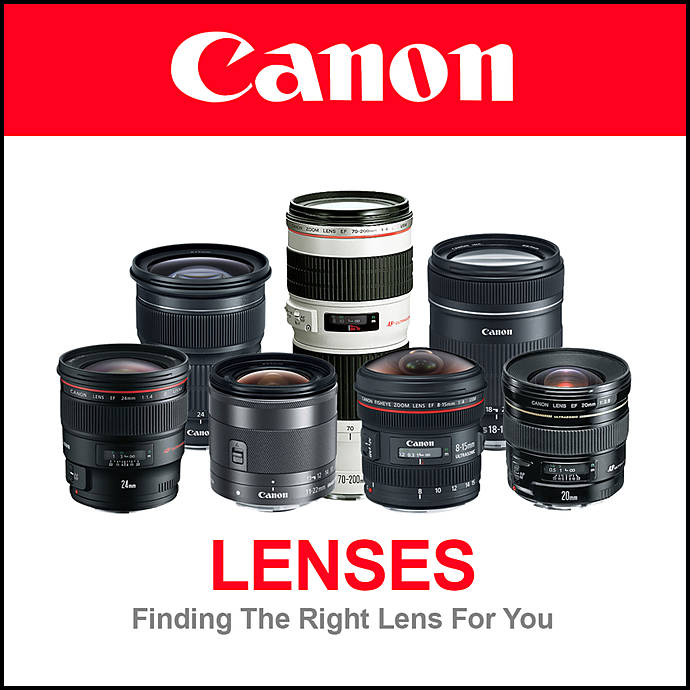
The classic ‘nifty fifty’ is the most affordable way to get shallow depth of field and natural perspective. On full-frame, 50mm is perfect for half-body and environmental portraits; on APS-C, a 50mm behaves like a short tele (great for tighter framing). Popular budget choices across systems include 50mm f/1.8 options from Canon, Nikon, Sony, and Panasonic, plus compact f/2–f/2.2 primes from Fujifilm for APS-C.
For headshots, consider an 85mm f/1.8 (or ~56mm on APS-C)
An 85mm f/1.8 delivers flattering compression and smooth bokeh without the weight and price of f/1.4 or f/1.2 glass. Look for fast, quiet AF versions (e.g., USM/STM, XD linear, stepping motors). Third-party 85mm lenses can be excellent bargains; check compatibility and firmware support for your mount.
Go wider for storytelling with a 35mm (or ~23mm on APS-C)
A 35mm f/1.8 (or f/2) keeps subjects connected to their environment and is fantastic for lifestyle and on-location portraits. Many budget 35s also focus close, letting you capture detail shots without switching lenses.
Third-party gems stretch your budget
Sigma, Tamron, Samyang/Rokinon, Viltrox, and Tokina offer sharp primes and mid-aperture zooms at friendly prices. Check for: native AF support, in-body lens corrections, and firmware update paths. A quick test for focus accuracy and eye-AF tracking goes a long way.
Zooms on a budget: consider f/2.8 mid-range alternatives
While 24–70mm f/2.8 pro zooms are pricey, budget-friendly alternatives (like 28–75mm f/2.8 or APS-C 17–50mm f/2.8) can cover portraits, events, and travel in one lens. You’ll trade a bit of bokeh versus an f/1.8 prime but gain flexibility.
f/1.8 is more than enough—mind your working distance
At typical portrait distances, f/1.8 already gives a beautifully soft background. Work a little farther from your subject to smooth the backdrop and avoid distortion for close-ups. For maximum sharpness, try stopping down slightly to f/2–f/2.8 while keeping that dreamy look.
Close focus matters (hello, pseudo-macro)
Some affordable portrait lenses double as close-up champs. Options like 35mm and 85mm lenses with closer minimum focus distances let you grab detail shots of hands, jewelry, or textures. Extension tubes are a cheap add-on to get even tighter framing without a dedicated macro lens.
Stabilization and AF: nice-to-have vs need-to-have
In-lens stabilization (IS/VR/OSS) helps for handheld ambient portraits, but it’s not mandatory—especially if your camera has IBIS. Prioritize reliable eye-detect AF and quiet focus motors for video and candid stills.
Buy used/refurb and test before you commit
Stretch your budget with used or manufacturer-refurbished lenses and rent to compare focal lengths. Inspect for clean glass, consistent AF, and smooth rings. A reputable retailer can help you find the right match for your mount and budget.
Learn lighting and posing to get more from any lens
Technique beats gear. Mastering light, directing your subject, and refining post-processing will elevate even the most affordable lens. Explore hands-on classes to sharpen your portrait craft.


Dial in your camera technique and retouching
Practice with your specific camera to learn how it handles eye AF, face detect, and skin tones. Brand-specific guides and post-production classes can speed you up and refine your final look.
Conclusion
If you’re building a portrait kit on a budget, start with a 50mm or 85mm f/1.8 (or their APS-C equivalents), add a versatile 35mm for storytelling, and consider a value f/2.8 zoom for flexibility. Focus on technique, light, and connection, and your images will shine—no luxury glass required. When you’re ready to compare options, get hands-on advice, and explore classes and events, visit Unique Photo online or in-store.