Affordable tripods always spark the same debate: is it better to save money up front, or spend more for stronger build quality, better stability, and a tripod you will not outgrow in a year? Among photographers sharing real-world experiences, that quality-versus-price trade-off comes up constantly. Some ultra-budget tripods work well for casual indoor use, lightweight mirrorless cameras, or occasional travel. But once you start shooting long exposures, landscapes in wind, macro work, or heavier camera and lens combinations, the weaknesses of bargain support systems show up quickly.
The 3 Legged Thing Punks Corey 2.0 Magnesium Alloy Tripod with AirHed Neo 2.0 positions itself in a very attractive middle ground. It is not a throwaway entry-level tripod, but it also avoids the intimidating pricing of high-end professional support systems. For photographers looking for an affordable tripod brand that still delivers meaningful stability, portability, and thoughtful design, the Corey 2.0 is exactly the kind of model that deserves attention.
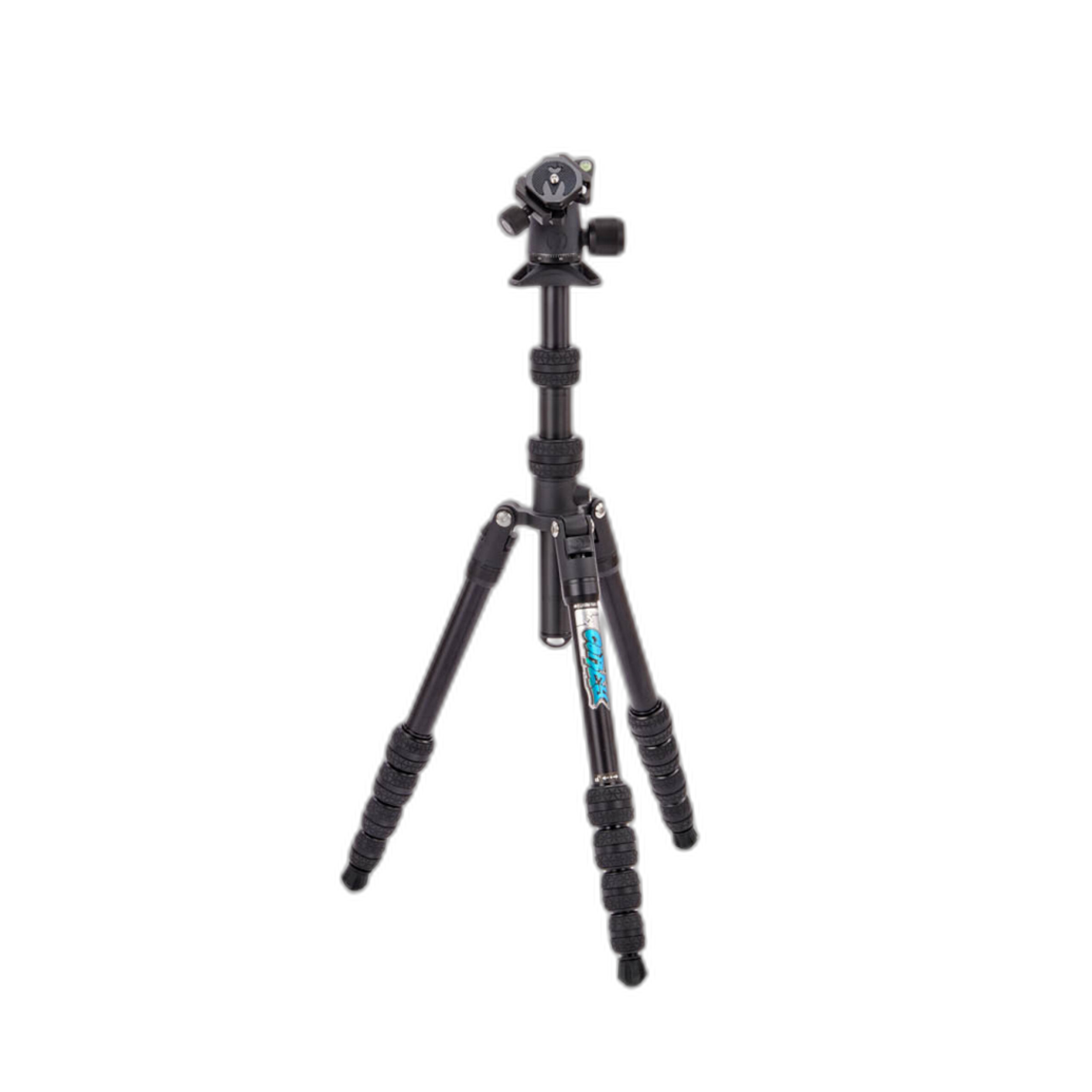
What makes this tripod especially relevant to discussions around affordable tripod buying advice is that it addresses the most common user concerns: Will it hold up over time? Is it stable enough for serious photography? Is it compact enough to actually bring along? And is the included head good enough, or will it need an immediate upgrade? In this review, we take a closer look at how the Corey 2.0 fits different usage scenarios and where it lands on the value spectrum for photographers shopping at Unique Photo.
Product Positioning: Where the Corey 2.0 Fits in the Affordable Tripod Market
There is a big difference between a cheap tripod and a good-value tripod. Cheap models often prioritize low price above everything else, using lighter materials, less refined locks, weaker heads, and more flex in the legs. They can be fine for smartphones, compact cameras, or occasional self-timer shots, but many users eventually find themselves replacing them.
The Corey 2.0 feels aimed at photographers who want to buy once and buy better without jumping all the way into premium carbon-fiber pricing. Its magnesium alloy construction, travel-friendly design, and included AirHed Neo 2.0 ball head make it much more serious than basic beginner supports. At the same time, it remains approachable enough for enthusiasts, travelers, and hybrid shooters who need dependable support without overspending.
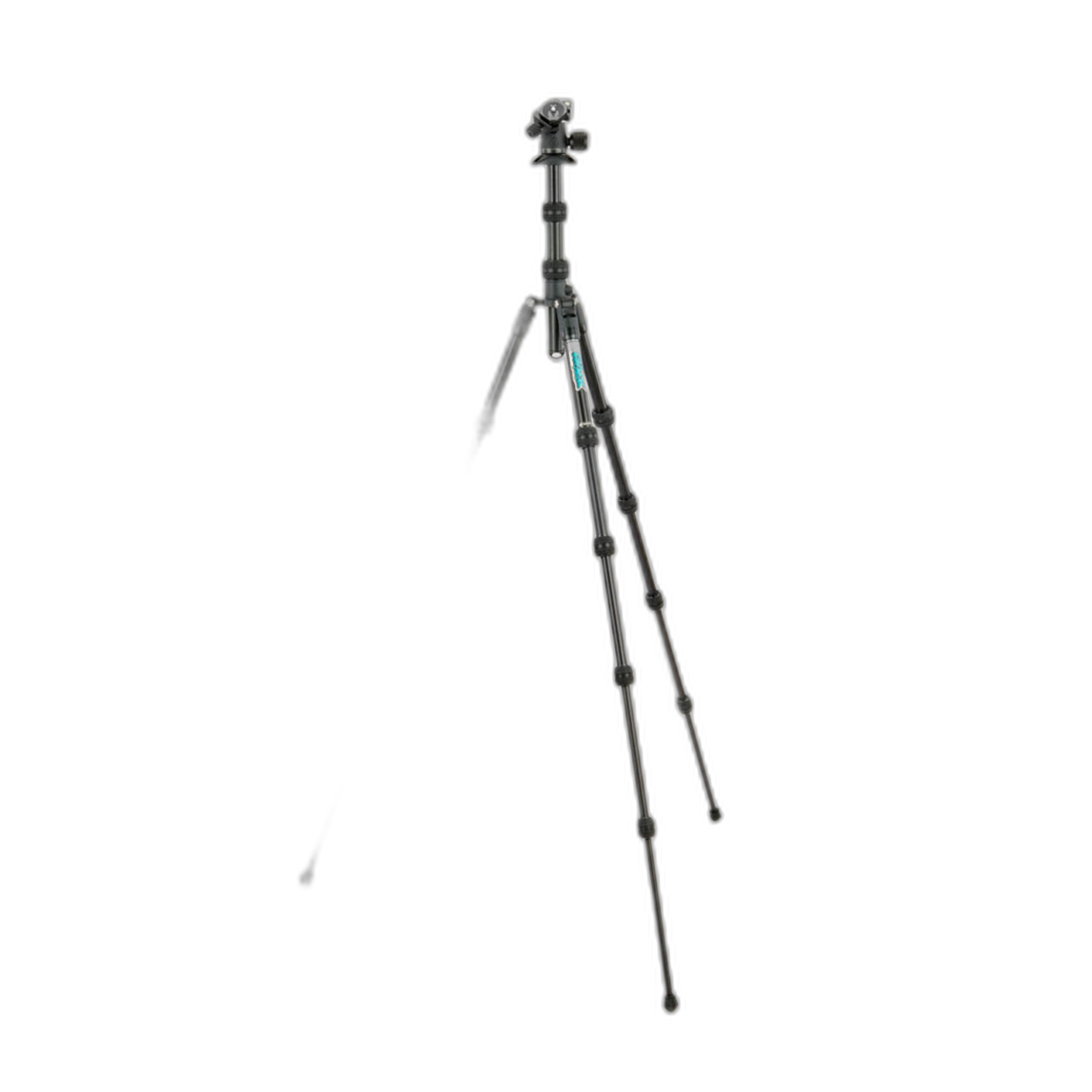
Based on the kinds of experiences photographers often share, this is the sort of tripod that makes sense for:
- Travel and walkaround landscape photography
- Mirrorless and DSLR users wanting more confidence than bargain tripods offer
- Macro and detail shooters who need precise positioning
- Content creators needing a portable but more stable support option
- Enthusiasts upgrading from entry-level aluminum kits
It is less about being the absolute cheapest option and more about offering the kind of long-term usability that makes the price easier to justify.
Build Quality and Materials
Magnesium Alloy Construction That Feels Like a Real Upgrade
One of the clearest signs that the Corey 2.0 is above the ultra-budget class is its magnesium alloy build. In tripod discussions, material choice matters because it affects weight, rigidity, durability, and how pleasant the tripod is to use over time. Magnesium alloy helps this model feel sturdy without becoming overly cumbersome.
Many inexpensive tripods can feel hollow, plasticky, or overly flexible when extended. That kind of construction may be acceptable for casual use, but it becomes frustrating when trying to frame carefully or shoot in less-than-ideal conditions. The Corey 2.0 appears designed to minimize that compromise. It should inspire much more confidence than typical department-store or no-name options.
For buyers comparing tripod value, this is an important point: spending a bit more on stronger materials often improves both performance and lifespan. That matters even more if you use heavier lenses, regularly shoot outdoors, or plan to keep your support gear for years.
Locking Mechanisms and Everyday Confidence
Tripod owners often judge quality not by spec sheets, but by how the locks, joints, and adjustments feel in actual use. A tripod can look impressive online and still disappoint if the legs twist unevenly, the head drifts, or setup becomes a chore. The Corey 2.0 comes across as the kind of tripod designed for repeated use, rather than occasional emergency duty.
A well-made tripod encourages better habits. Photographers are more likely to bring it, deploy it, and trust it when it does not feel fiddly. That usability factor is often overlooked when people focus only on price. In practical terms, an affordable tripod that is easy to set up and stable enough to rely on is usually a better purchase than a cheaper one that stays in the closet.
Portability and Travel Use
A Strong Option for Travel and Location Shooting
Portability is one of the biggest reasons photographers compromise on tripod quality. They want something light enough to carry, but not so flimsy that it becomes useless in the field. The Corey 2.0 appears to strike that balance well. It looks compact enough for travel-focused users while retaining the more robust feel that enthusiasts expect.
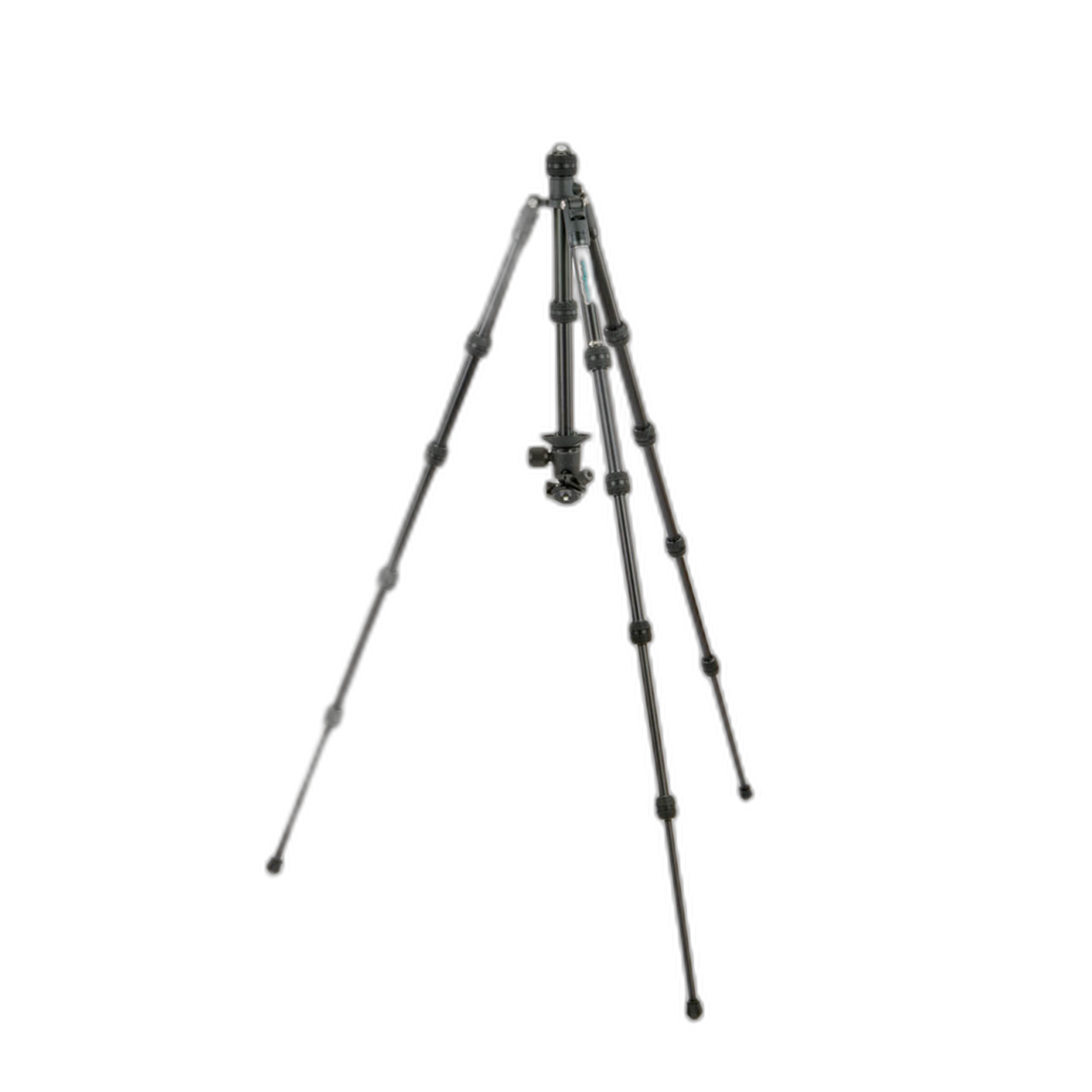
For travel, city shooting, hiking, and general location work, that balance is critical. A massive studio tripod may deliver more ultimate stability, but most photographers simply will not carry it all day. On the other hand, very small budget travel tripods can become frustrating when used with larger cameras or in breezy conditions. The Corey 2.0 sits in a practical sweet spot where portability does not completely undercut usefulness.
Who Will Appreciate the Size Most
This tripod should be especially appealing to:
- Landscape photographers who hike moderate distances
- Urban shooters working at blue hour or night
- Travel creators who want more stability than ultra-compact models provide
- Photographers using APS-C or full-frame mirrorless systems
- DSLR users who want to avoid oversized support kits
If your tripod use is mostly studio-based with very heavy gear, there may be more specialized choices. But for all-around portable support, the Corey 2.0 fits the way many enthusiasts actually shoot.
Head Performance and Real-World Stability
The Included AirHed Neo 2.0 Adds Real Value
One of the biggest hidden costs in tripod buying is the head. Some affordable tripod kits include a weak or overly basic head that forces an upgrade later, reducing the apparent savings. The inclusion of the AirHed Neo 2.0 is therefore a meaningful part of the Corey 2.0 package.
For photographers discussing value, this matters because a tripod should be evaluated as a complete support system, not just a set of legs. A good head helps with framing precision, locking confidence, and day-to-day convenience. If the head slips under load or feels coarse in operation, the whole setup suffers.
While users with very specific needs may still prefer a dedicated video head, geared head, or heavy-duty ball head, the included AirHed Neo 2.0 seems well matched to the tripod's target audience. It should be more than sufficient for general still photography, travel work, landscapes, portraits, and many content creation uses.
Stability Versus Price: The Core Buying Question
Most tripod advice eventually comes back to one practical question: how much stability do you really need? If you are using a lightweight camera indoors for occasional family photos or webcam-style content, almost any tripod can work. But if you are shooting long exposures, panoramas, macro images, or telephoto work, stability becomes much more important.
The Corey 2.0 appears to deliver the kind of stability that many photographers hope to get when they move beyond bargain gear. It may not replace a giant specialty tripod for extreme telephoto or large-format applications, but it offers enough seriousness to serve the majority of enthusiast and prosumer users well. In other words, this is the kind of affordable tripod that does not feel temporary.
Best Usage Scenarios
Landscape Photography
Landscape shooters often need a tripod that can travel easily yet remain stable in changing outdoor conditions. This is where many cheaper tripods disappoint. The Corey 2.0 looks like a strong match for sunrise, sunset, and long-exposure landscape work where consistent support matters but packability still counts.
Travel Photography
For travel shooters, bulk and weight can be dealbreakers. A tripod that is too large gets left behind. A tripod that is too flimsy creates blurry images or frustration. The Corey 2.0 makes the most sense for travelers who take photography seriously enough to want a proper support system without moving into oversized professional gear.
Macro and Close-Up Work
Close-up shooting is one of the quickest ways to expose a poor tripod. Small vibrations and slight framing drift become very noticeable at high magnification. For users doing occasional macro work, a sturdier mid-tier tripod like this is a smarter investment than a very cheap alternative. Pairing stable support with careful positioning can make a dramatic difference in keeper rate.
General Hybrid Content Creation
Photographers and creators who alternate between stills, behind-the-scenes work, and lightweight video use should also find this tripod appealing. It is not a dedicated cinema support system, but it is much more credible than the disposable-feeling tripods that often dominate the low end of the market.
Pros and Cons
Pros
- Strong value for photographers who want more than entry-level tripod quality
- Magnesium alloy construction suggests better durability and rigidity than ultra-budget options
- Travel-friendly design makes it suitable for location and everyday carry use
- Included AirHed Neo 2.0 increases overall package value
- Well suited to landscape, travel, macro, and general still photography
- A practical step-up tripod that many users can grow with
Cons
- More expensive than basic starter tripods, so casual users may hesitate
- Not the ideal choice for the heaviest telephoto or specialized studio setups
- Users focused primarily on video may prefer a dedicated fluid-head system
- Those shopping strictly by lowest price may find cheaper alternatives, though with more compromises
Affordable Tripod Buying Advice: Is It Worth Spending More?
Based on the kind of feedback photographers commonly share, the answer is usually yes, if you actually rely on your tripod. The difference between a flimsy support and a dependable one shows up in image sharpness, ease of use, and confidence in the field. A good tripod also tends to outlast cameras and lenses because support gear ages more slowly when built well.
The best way to choose is by honestly matching the tripod to your use case:
- Casual indoor use: a budget tripod may be enough
- Travel and landscapes: prioritize stability and portability together
- Macro: avoid the cheapest models, as vibrations become obvious
- Heavier camera setups: invest in stronger legs and a better head
- Long-term value: buy the best tripod you can reasonably afford
That is why the Corey 2.0 is compelling. It targets the large middle group of buyers who need a real tripod, not just a low-cost accessory.
Verdict
The 3 Legged Thing Punks Corey 2.0 Magnesium Alloy Tripod with AirHed Neo 2.0 is an excellent example of an affordable tripod done right. It does not chase the lowest possible price. Instead, it focuses on giving photographers a meaningful upgrade in stability, build quality, and everyday usability while still staying within reach of enthusiast budgets.
For users weighing quality versus price, this model makes a persuasive case that spending more than the bargain-basement minimum can be worth it. It should satisfy photographers who want a dependable all-around tripod for travel, landscape, macro, and general shooting, without stepping into premium support-system territory.
If you are shopping for a tripod that balances cost, portability, and trustworthy performance, the Corey 2.0 is an easy recommendation. You can find it at Unique Photo, a reliable place to buy camera support gear and accessories with the confidence of shopping from a major photography retailer.