2024 Travel Photography Kit FAQ: What to Pack for a Lightweight Trip
Building a travel photography kit is all about balance. You want enough versatility to handle landscapes, street scenes, portraits, and distant details, but not so much gear that your bag becomes the reason you miss the shot.
At Unique Photo, we help photographers streamline their kits for everything from weekend city breaks to extended backpacking adventures. This FAQ covers the most common travel packing questions and highlights smart bag options that make carrying your gear much easier.
What’s the best lightweight camera and lens combo for travel photography?
The best travel setup is usually a compact mirrorless body paired with either a versatile standard zoom or a two-lens kit that covers both wide and telephoto perspectives. For many travelers, a lightweight body with a 24-70mm equivalent zoom is the sweet spot because it handles architecture, environmental portraits, food, and everyday scenes without constant lens changes.
If image quality is your top priority, consider adding a compact telephoto zoom rather than carrying multiple primes. That gives you reach for wildlife, compressed landscapes, and candid details while still keeping your bag manageable. The key is choosing a combination you will actually carry all day, not one that looks ideal on paper but stays in the hotel.
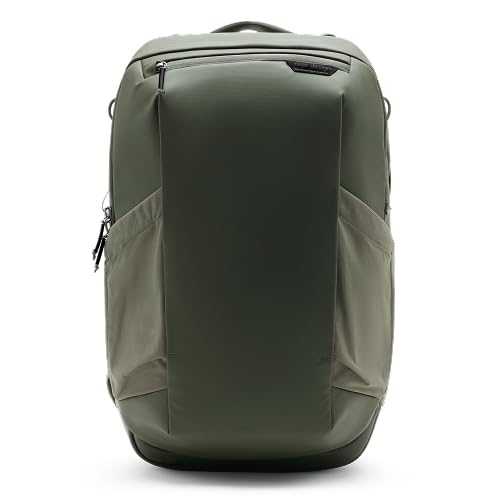
Your bag choice matters just as much as your camera choice. A flexible option like the Peak Design Travel Backpack 20L Sage works especially well for a mirrorless kit, daily essentials, and a light jacket during day trips.

How can I minimize gear but still cover wide angle to telephoto needs?
The simplest strategy is to build your travel kit around either one all-in-one zoom or two complementary lenses. A standard zoom plus a compact telephoto usually gives you better image quality and flexibility than carrying several overlapping focal lengths. If your shooting style leans heavily toward landscapes and interiors, prioritize a wider lens; if you photograph street details, events, or distant subjects, a telephoto earns its space quickly.
Another smart tip is to pack based on your trip’s purpose rather than every possible scenario. A city trip may only require one body and one zoom, while a national park itinerary might justify a second lens. Keeping accessories to a minimum also frees up weight for the lenses you will truly use.
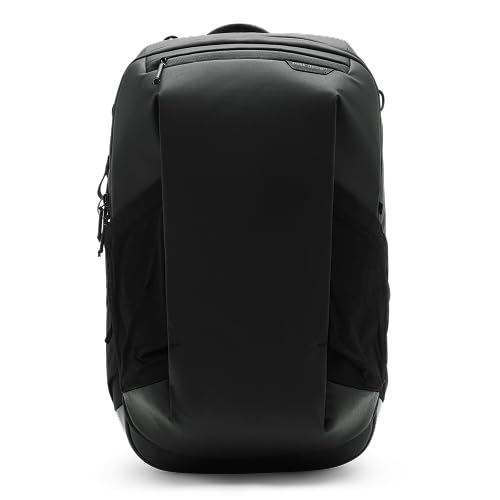
For photographers who want room to organize a flexible kit without overpacking, the Peak Design Travel Backpack 2-in-1 40L Black is a strong travel option. Its expandable design helps you carry more on transit days and slim down when you are shooting locally.
Should I bring one versatile lens or multiple lenses?
That depends on how you like to shoot. One versatile zoom is ideal for travelers who want speed, convenience, and fewer lens swaps in dusty or crowded environments. It reduces decision fatigue and helps you stay present, especially when moving quickly through airports, trains, or city streets.
Multiple lenses make more sense if photography is the main purpose of your trip and you know you will benefit from specialized focal lengths. For example, a wide zoom and a short telephoto can deliver noticeably stronger results than one do-everything lens, but only if you are comfortable changing lenses and carrying the extra weight.
A good rule is this: if you are unsure, start with less. Most travelers come home realizing they used fewer lenses than expected. A well-organized travel backpack makes this easier by keeping your core kit accessible while leaving optional gear packed separately.
Is it worth bringing a tripod on a backpacking trip?
A tripod can absolutely be worth it, but only if your style of photography really depends on it. If you plan to shoot sunrise landscapes, long exposures, waterfalls, city night scenes, or self-portraits, a compact travel tripod may justify its weight. If your trip involves long hikes, frequent transit changes, or strict airline limits, it can quickly become one more item you resent carrying.
For many backpacking trips, the better question is not whether a tripod is useful, but whether you will use it enough to offset the burden. If the answer is only “maybe once or twice,” leave it behind and rely on image stabilization, higher ISO performance, and stable surfaces when available.
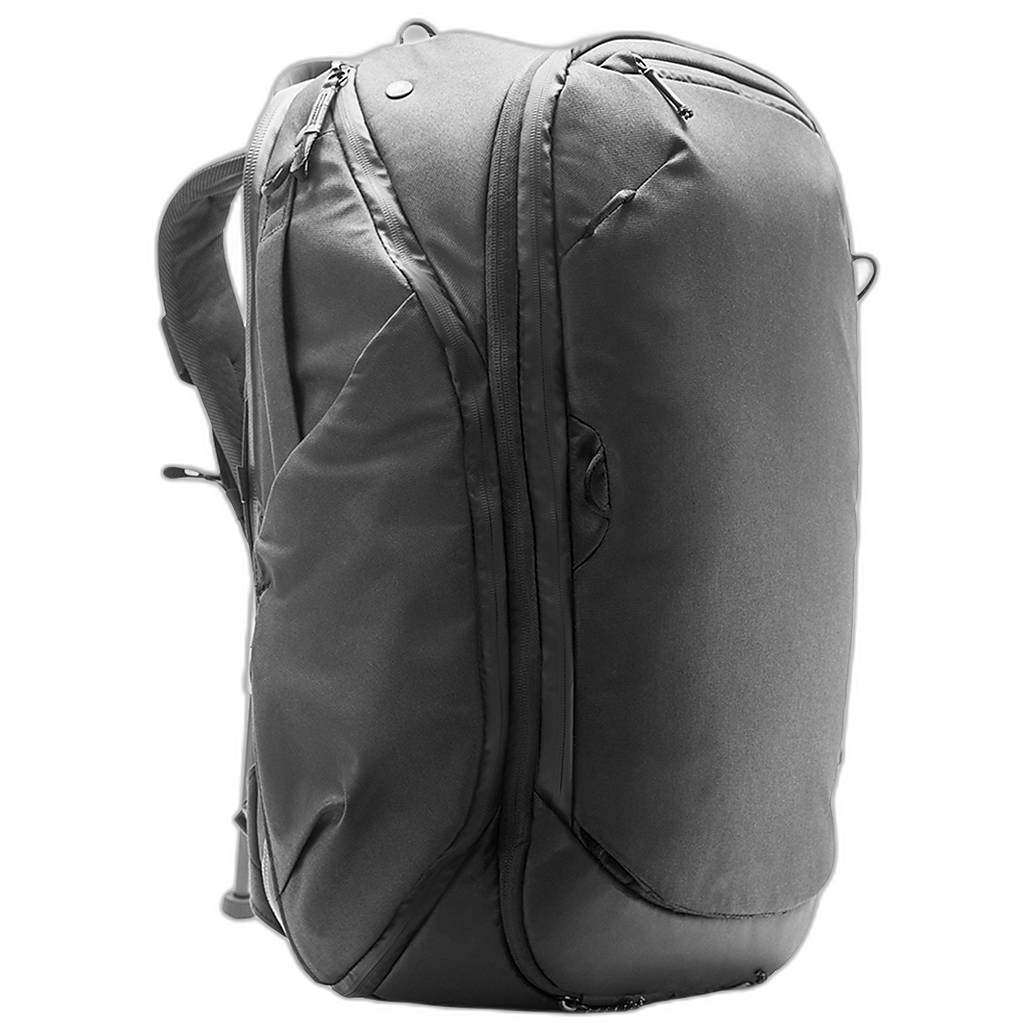
If you do travel with support gear, bag comfort becomes critical. The Peak Design Travel Backpack 45L Black is especially useful for larger loads and longer trips where camera gear shares space with clothing and travel essentials.
Do I need to pack a flash for travel photography?
Most travel photographers can leave the flash at home unless they have a specific need for it. Natural light, compact reflectors, and the strong low-light performance of modern cameras often make flash optional for general travel images. For street photography, documentary work, and casual portraiture, available light usually feels more authentic and keeps your kit simpler.
That said, a small flash can be helpful if you expect to photograph indoor events, nighttime portraits, or family travel memories in dim restaurants and hotel spaces. The decision should be based on your shooting plan, not a just-in-case mindset. Travel kits get heavy because of backup items that never come out of the bag.
What kind of camera bag is best for travel photography?
The best travel bag depends on how you move. If you spend long days walking, a backpack is usually the most comfortable and practical choice. If you travel primarily through airports, hotels, and paved urban environments with more gear, a rolling backpack may be the better fit.
For compact everyday shooting, the Peak Design Travel Backpack 20L Sage is a great lightweight choice. For travelers who want more flexibility between carry-on transit and on-location use, the Peak Design Travel Backpack 2-in-1 40L Sage offers a smart middle ground.
If you are carrying a larger professional kit or prefer wheels in airports, the Think Tank Walker Pro Rolling Backpack and the Think Tank Airport TakeOff V2.0 Rolling Backpack are excellent options. They help reduce strain when transporting heavier systems, especially on longer travel days.


How much camera gear should I realistically pack for a week or longer?
For most trips, one camera body, one primary lens, one secondary lens, extra batteries, memory cards, chargers, and a compact cleaning kit are enough. If you are traveling for personal photography rather than a paid assignment, this approach covers the vast majority of situations while keeping your load realistic.
Longer trips do not always require more gear. In fact, extended travel often rewards simpler kits because comfort and mobility become more important over time. You can always do more creatively with a lighter, well-chosen setup than with an overloaded bag that slows you down.
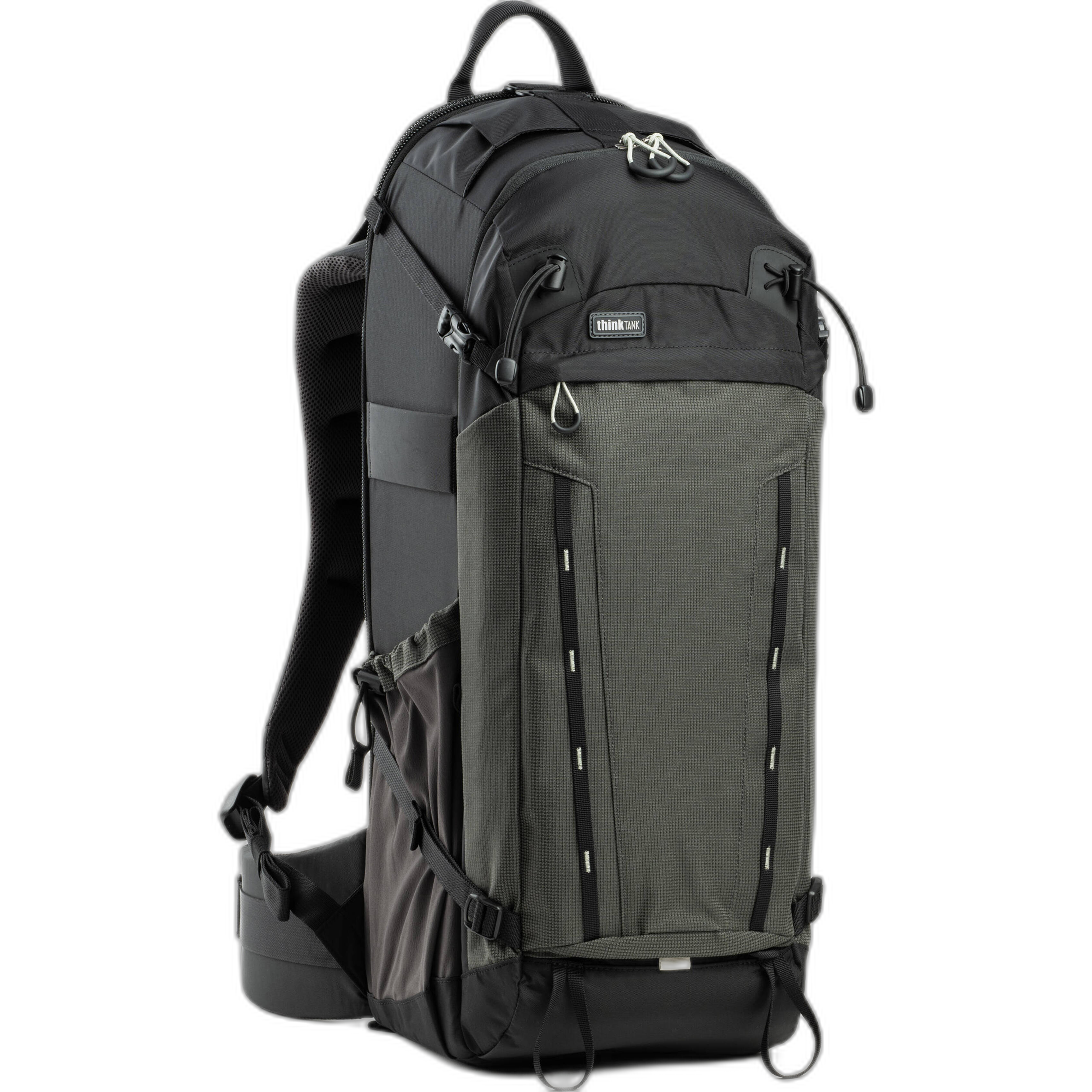
Photographers traveling with a larger telephoto or wildlife-oriented setup should consider purpose-built storage. The Think Tank Backlight Long Lens Backpack Black is particularly useful when your travel plans include longer lenses that need better support and protection.
What are the smartest non-camera accessories to pack?
Extra batteries and memory cards are essential, but beyond that, the smartest accessories are the ones that solve common travel problems without adding much bulk. A rain cover, lens cloth, power bank, universal adapter, and compact card wallet are all more likely to help than niche accessories you may never use.
Good organization also makes a major difference. A travel backpack with thoughtful compartments can reduce setup time, protect your gear in transit, and make security checks less stressful. That is one reason many photographers choose travel-focused backpacks from brands like Peak Design and Think Tank when preparing for flights, trains, and day-long walking routes.
How do I choose between a backpack and a rolling case?
Choose a backpack if your trip includes walking tours, stairs, uneven streets, outdoor locations, or backpacking segments. It is the better all-around solution for active travel and day-to-day shooting. Choose a rolling case if your priority is moving heavier gear comfortably through airports, convention centers, or hotel-heavy itineraries.
Many photographers use both approaches depending on the trip. A backpack like the Peak Design Travel Backpack 45L Sage works well for active travel and flexible packing, while a rolling solution like the Think Tank Walker Pro Rolling Backpack makes sense for larger kits or more formal travel logistics.
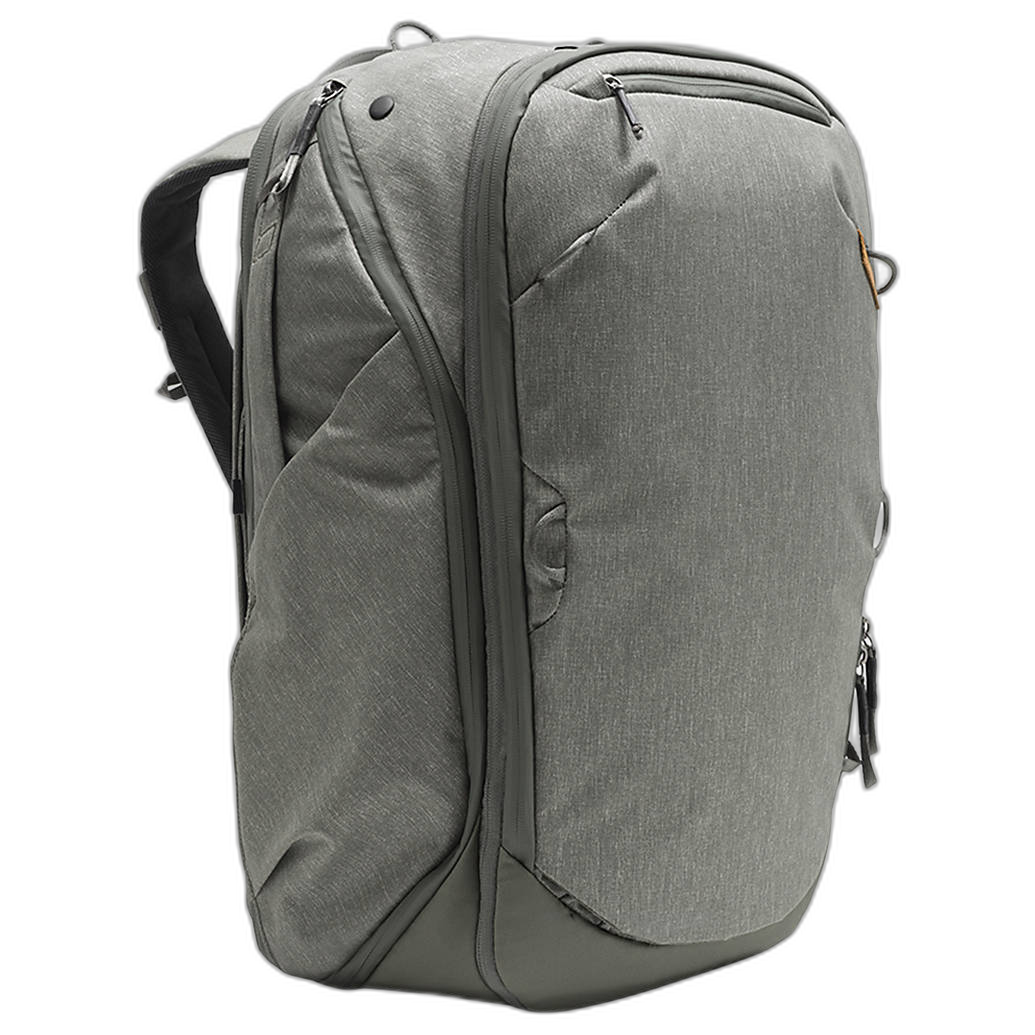
The best choice is the one that matches your route, not just your gear list.
Travel photography is more enjoyable when your kit is focused, portable, and tailored to the way you actually shoot. If you are building your next travel setup, Unique Photo can help you choose the right bag, accessories, and packing strategy so you can travel lighter and create more confidently.