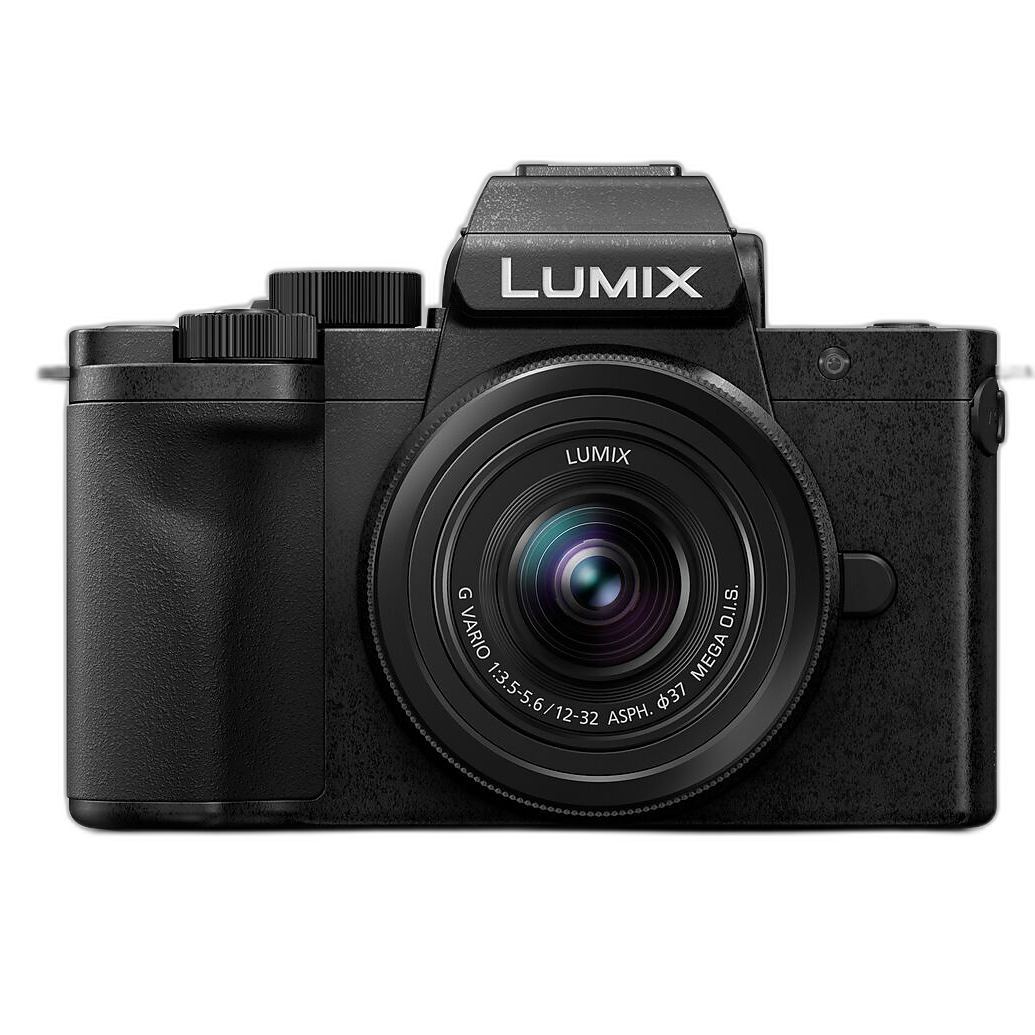
Panasonic’s announcement of the Lumix G1 marks one of the most important turning points in modern camera design. Introduced on September 12, 2008, the G1 arrives not merely as another compact digital camera, and not simply as a smaller DSLR alternative, but as something genuinely new: the world’s first mirrorless interchangeable-lens camera. By removing the reflex mirror and optical viewfinder assembly associated with traditional SLR design, Panasonic has opened the door to a new category that promises portability without giving up the flexibility serious photographers expect.
At launch, the Panasonic Lumix G1 combines a 12.1-megapixel Micro Four Thirds sensor, a brand-new Micro Four Thirds mount, and a list price of $799. Those facts alone make it notable, but the real significance of the G1 lies in what it suggests for the future of photography. This is an archival look at the camera as it entered the market and why its debut matters.
A New Kind of System Camera
For decades, photographers choosing an interchangeable-lens camera were effectively choosing some variation of the SLR formula. Film SLRs gave way to digital SLRs, but the basic architecture remained familiar: light entered through the lens, reflected upward via a mirror, and reached an optical viewfinder through a prism system. That design delivered responsiveness and a direct viewing experience, but it also imposed physical constraints on body size, lens design, and mechanical complexity.
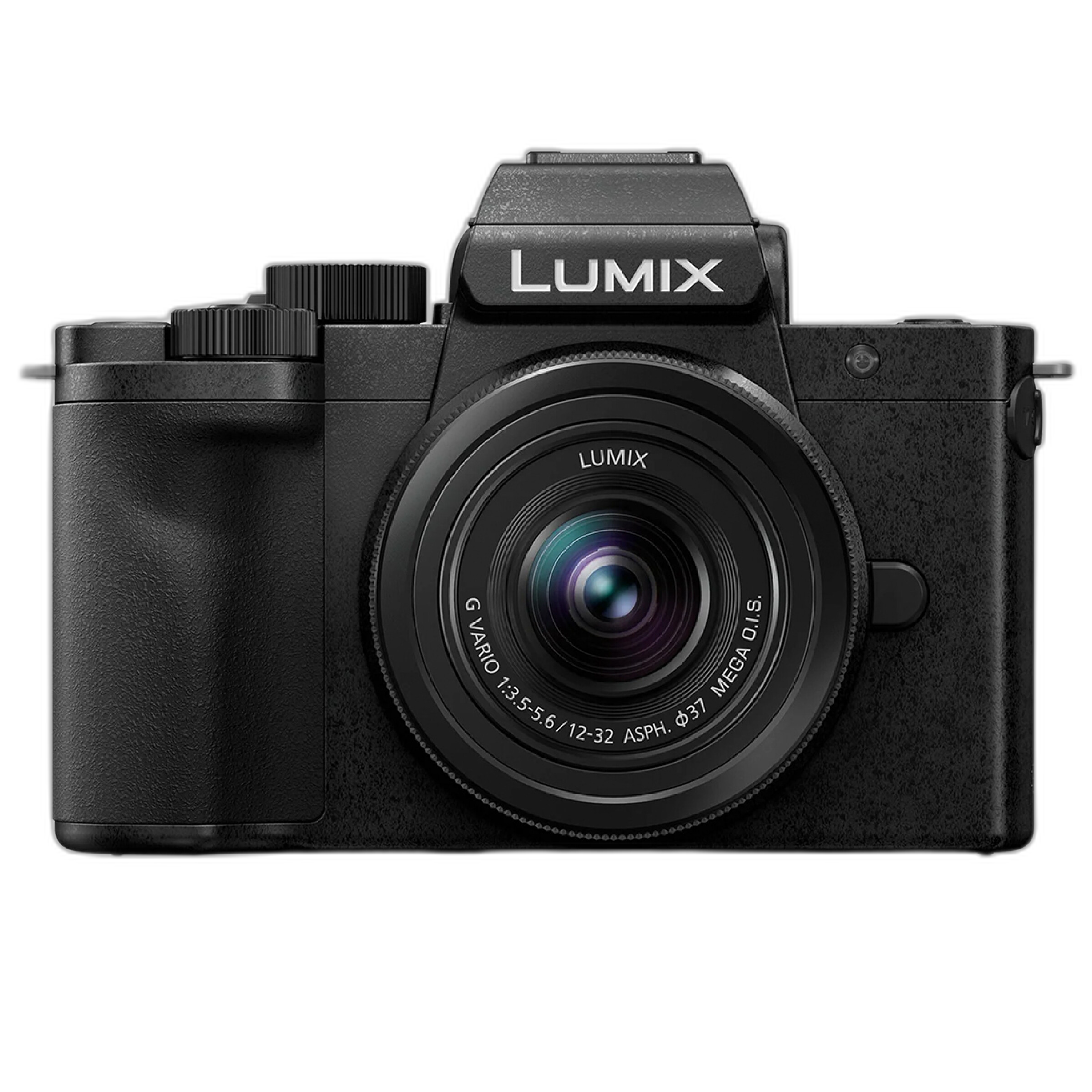
The Lumix G1 challenges those assumptions. Panasonic’s approach eliminates the mirror box entirely and builds the camera around the Micro Four Thirds standard, a new mount developed to create more compact interchangeable-lens systems. In practical terms, that means the G1 offers a smaller body than a typical DSLR while preserving the core attraction of a system camera: the ability to swap lenses as needed.
That is the heart of the announcement. The G1 is not just a compact camera with enthusiast styling. It is a true lens-interchangeable platform designed from the ground up around digital capture and electronic viewing.
The Significance of Micro Four Thirds
The launch of the G1 also marks the public debut of the Micro Four Thirds mount. This is especially important historically because camera systems live or die by their mounts. A mount determines lens compatibility, influences body dimensions, and often shapes the long-term value of the system for buyers. Panasonic is not merely releasing a single camera here; it is helping establish a new photographic ecosystem.
The Four Thirds concept was already known in the DSLR world, but Micro Four Thirds represents a clear evolution. By designing a standard specifically without the mirror mechanism, Panasonic creates room for more compact camera bodies and, over time, potentially smaller lenses as well. In 2008, that proposition feels ambitious and fresh. The G1 suggests that digital camera design may no longer need to inherit all the physical baggage of the 35mm-era SLR.
For photographers watching the industry at this moment, this is the real story behind the product release. The G1 is the first expression of an idea that could reshape enthusiast and travel photography: serious image-making in a more portable form.
Core Specifications at Launch
While the G1’s historical importance is obvious, Panasonic has also given it a specification sheet solid enough to attract practical interest. The camera is built around a 12.1MP Micro Four Thirds sensor, placing it firmly in enthusiast territory for the period. A 12.1-megapixel resolution in 2008 offers enough detail for large prints, everyday editorial use, and general-purpose photography, while also signaling that Panasonic is treating this as a capable imaging tool rather than a niche experiment.
The camera debuts with the new Micro Four Thirds mount, a point that cannot be overstated. Buyers are investing not just in a body, but in the beginning of a lens system. Early adopters often accept some uncertainty, but they also gain access to an important first-generation product in what may become a foundational category.
Panasonic has positioned the Lumix G1 at a launch price of $799. That figure places it in serious company. It is not a disposable gadget or a novelty aimed at casual buyers alone. Instead, it is priced as an advanced camera intended for enthusiasts, early adopters, and photographers interested in being first into a new format.
Design and Market Position
Seen in the context of 2008, the Lumix G1 occupies an intriguing middle ground. It clearly borrows from DSLR ergonomics in its overall shape and handgrip, which makes sense. Photographers moving up from compact cameras may find it approachable, while DSLR users can recognize familiar handling cues. At the same time, the absence of a mirror box allows Panasonic to rethink the scale of the camera. The result is a body that points toward a smaller future without becoming so minimalist that it abandons serious photographic intent.
This balance may be one of the G1’s greatest strengths at launch. New categories often succeed when they feel innovative but not alien. Panasonic appears to understand that. The G1 is radical in concept, but readable in use. That combination gives it a better chance of convincing photographers that mirrorless design is more than a technical curiosity.
Why the G1 Matters Historically
Even at the moment of release, it is possible to recognize the Panasonic Lumix G1 as a landmark product. Camera history is full of incremental improvements: more megapixels, faster processors, revised controls. The G1 is different because it changes the fundamental architecture of the interchangeable-lens camera. It asks whether the mirror, once essential, is still necessary in a digital era.
That question will likely define much of the next phase of camera development. If photographers embrace electronic viewing and if manufacturers continue building out compact interchangeable-lens systems, the G1 may eventually be remembered not simply as a successful Panasonic model, but as the camera that started an industry-wide transition.
From today’s archival perspective, that is precisely what makes this release so compelling. The G1 stands at the beginning of a movement. It is the first commercially introduced mirrorless interchangeable-lens camera, and with that distinction comes a place in photographic history that goes well beyond sales numbers or feature comparisons.
An Early Verdict from 2008
As announced, the Panasonic Lumix G1 looks like one of the year’s boldest camera introductions. Its appeal is not just in its 12.1MP Micro Four Thirds sensor or its $799 launch price, but in the confidence Panasonic shows by bringing an entirely new mount to market. The company is betting that photographers are ready for a system camera that is lighter, simpler in mechanical design, and tailored more specifically to digital imaging.
Whether buyers immediately embrace the concept or approach it cautiously, the significance of the G1 is already secure. It represents a break from the established DSLR template and offers a glimpse of what a post-mirror camera world might look like. For enthusiasts, collectors, and historians alike, the G1 is not just another 2008 release. It is a first.
Final Thoughts
The Panasonic Lumix G1 deserves attention as one of the most consequential camera launches of its era. By debuting as the world’s first mirrorless interchangeable-lens camera, it sets a new direction for both Panasonic and the broader imaging industry. Its 12.1MP Micro Four Thirds sensor, fresh Micro Four Thirds mount, and $799 launch price make it a serious product, but its deeper importance lies in how it reimagines the camera itself.
For photographers interested in landmark gear and the evolution of modern systems, the G1 remains an essential chapter. To explore more historic cameras, learn about landmark releases, or shop current Panasonic gear and other imaging equipment, visit Unique Photo.